A sewer backup, recurring drain clog, or sewage odor can make homeowners fear the worst: a torn-up yard and a major repair bill. But sewer camera inspection versus excavation is not always an either-or decision. A camera inspection is usually the first step because it shows what is happening inside the line before anyone starts digging. Excavation may still be necessary, but it should be based on clear evidence, not guesswork.
For homeowners in Menifee, Murrieta, Temecula, and nearby communities, the right approach depends on the pipe’s condition, the location of the damage, and whether the line can be repaired without opening the ground. Here is what each option does, when it makes sense, and how to make a confident decision for your home.
What a Sewer Camera Inspection Can Tell You
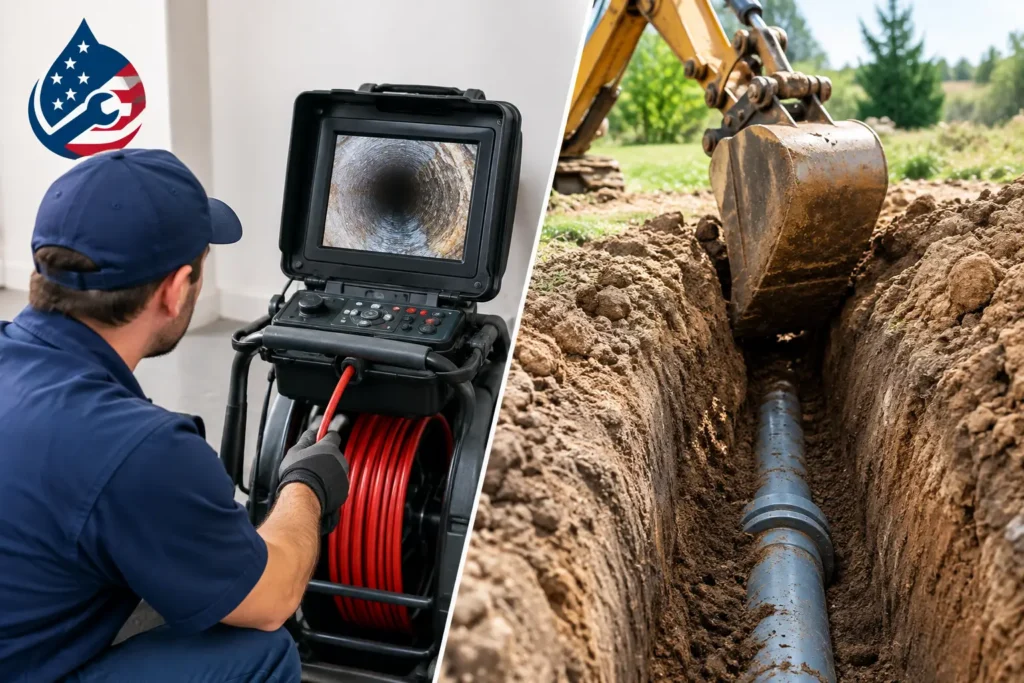
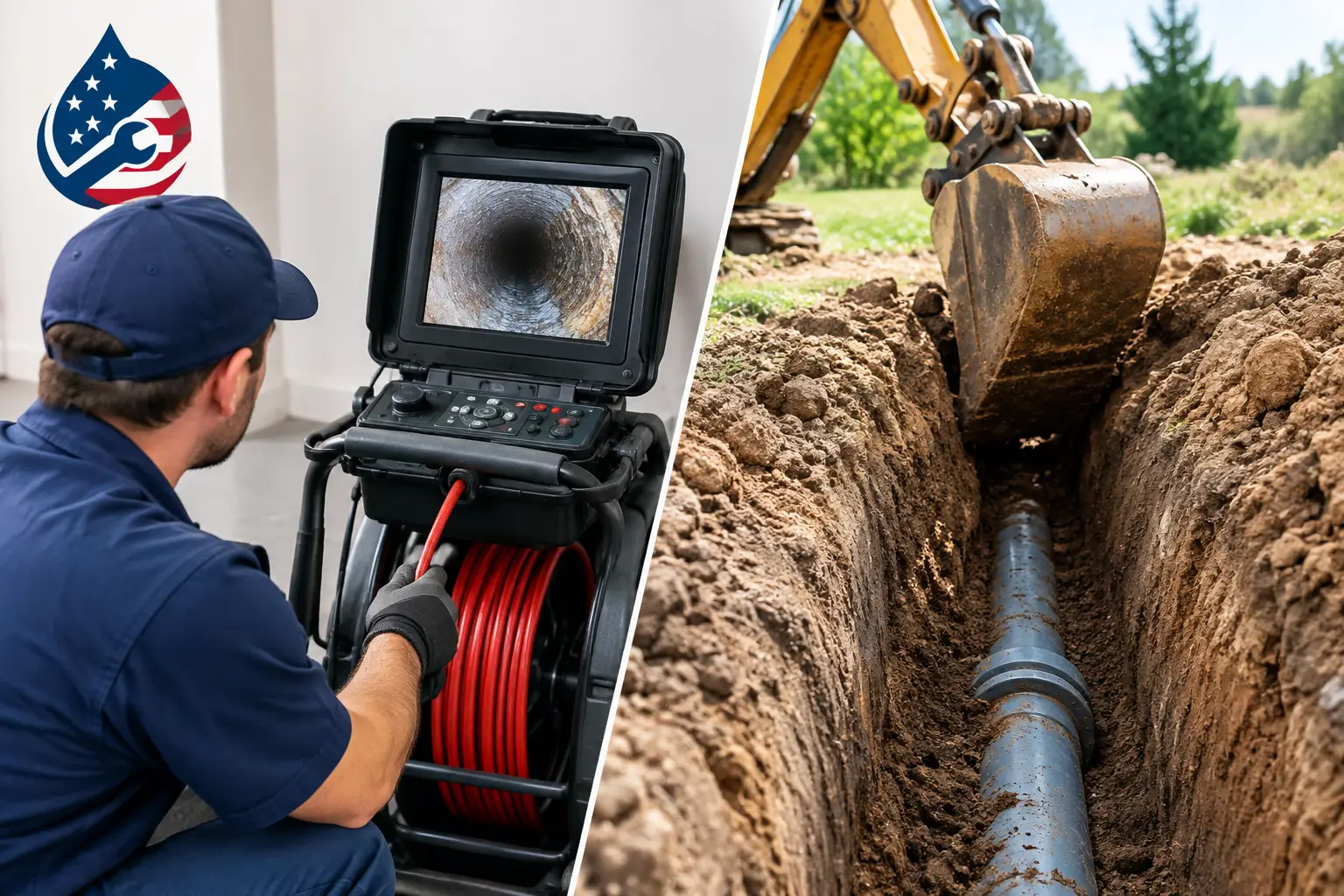
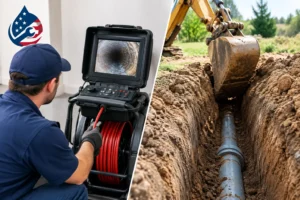
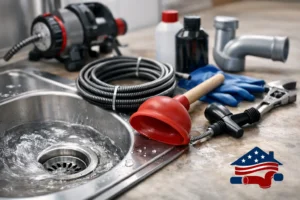
A sewer camera inspection uses a small waterproof camera attached to a flexible cable. A plumber sends it through an accessible cleanout or drain opening and watches a live video feed as the camera moves through the sewer line.
This process can identify common causes of sewer trouble, including root intrusion, grease buildup, separated joints, cracked pipe, pipe bellies where water and waste collect, and collapsed sections. The camera also helps locate the problem so the plumber knows how far it is from the house and whether it sits under landscaping, concrete, a driveway, or an open portion of the yard.
That information matters. A drain that keeps backing up may be caused by roots near the city connection, a damaged fitting near the foundation, or a blockage that simply needs professional cleaning. Those situations can feel similar from inside the house, but they call for very different repairs.
A camera inspection is generally fast and minimally disruptive. It does not require digging, and it gives homeowners a visual explanation of the issue rather than a vague diagnosis. If the line is dirty or blocked, drain cleaning or hydro-jetting may be recommended before a full inspection can be completed. Once the line is clear enough for the camera to pass, the footage can guide the next step.
When Excavation Is Necessary
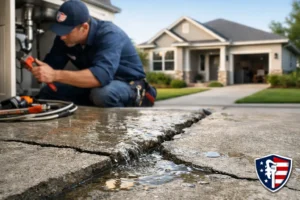
Excavation means digging down to expose a damaged section of sewer pipe. It is the most direct way to access a pipe that has collapsed, shifted badly, separated, or suffered damage that cannot be corrected from inside the line.
Excavation is often the right answer when there is a localized failure in an accessible area. For example, if the camera shows one crushed section in a side yard, targeted digging may allow the plumber to replace only that failed portion. This can be more practical than replacing the entire line.
It may also be needed when a sewer line is too damaged for trenchless methods, when there is no suitable access point, or when the pipe layout creates a repair challenge. A severe belly in the line can be another reason to excavate. Because the pipe has sagged, water and solids repeatedly settle in the low spot. Restoring the proper slope usually requires exposing and regrading the pipe.
The downside is disruption. Digging can affect lawns, irrigation lines, hardscaping, fences, or driveways, depending on where the sewer line runs. It also adds restoration work after the plumbing repair is complete. That does not make excavation a bad option. It means the work should be as targeted as possible and planned around the actual location of the failure.
Sewer Camera Inspection Versus Excavation: The Real Difference
The biggest difference is purpose. A camera inspection is a diagnostic service. Excavation is a repair access method.
A camera helps answer questions: Is the pipe blocked or broken? Are roots entering through a joint? Is the damage limited to one section or spread across the line? Could hydro-jetting solve the immediate problem, or has the pipe reached the point where repair or replacement is needed?
Excavation addresses the physical pipe once the problem is known. In many cases, using a camera first prevents unnecessary digging. It can also prevent under-repairing the issue. Replacing one visible section of pipe without inspecting the rest of the line may leave hidden cracks, roots, or deteriorated material in place.
Cost is another key difference. A camera inspection generally costs far less than excavation because it does not involve labor-intensive digging or landscape restoration. However, the least expensive first step is not always the lowest-cost long-term solution. If a camera reveals major pipe failure, delaying the proper repair can lead to repeated backups, water damage, and emergency service calls.
When a Camera Inspection May Be All You Need
Not every sewer issue requires a repair project. If the camera shows a buildup of grease, scale, soap residue, or roots that have not seriously damaged the pipe, professional cleaning may restore normal flow.
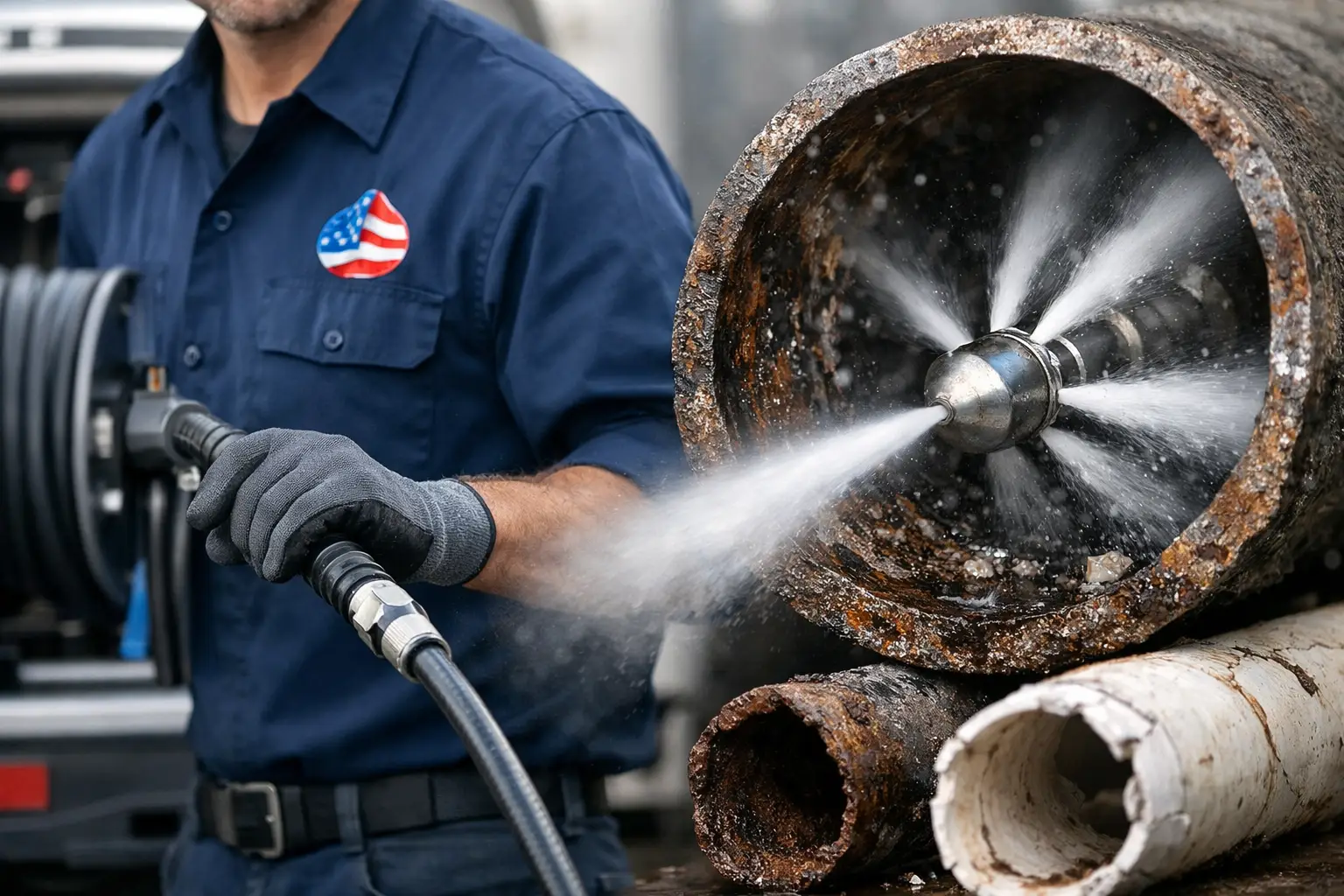
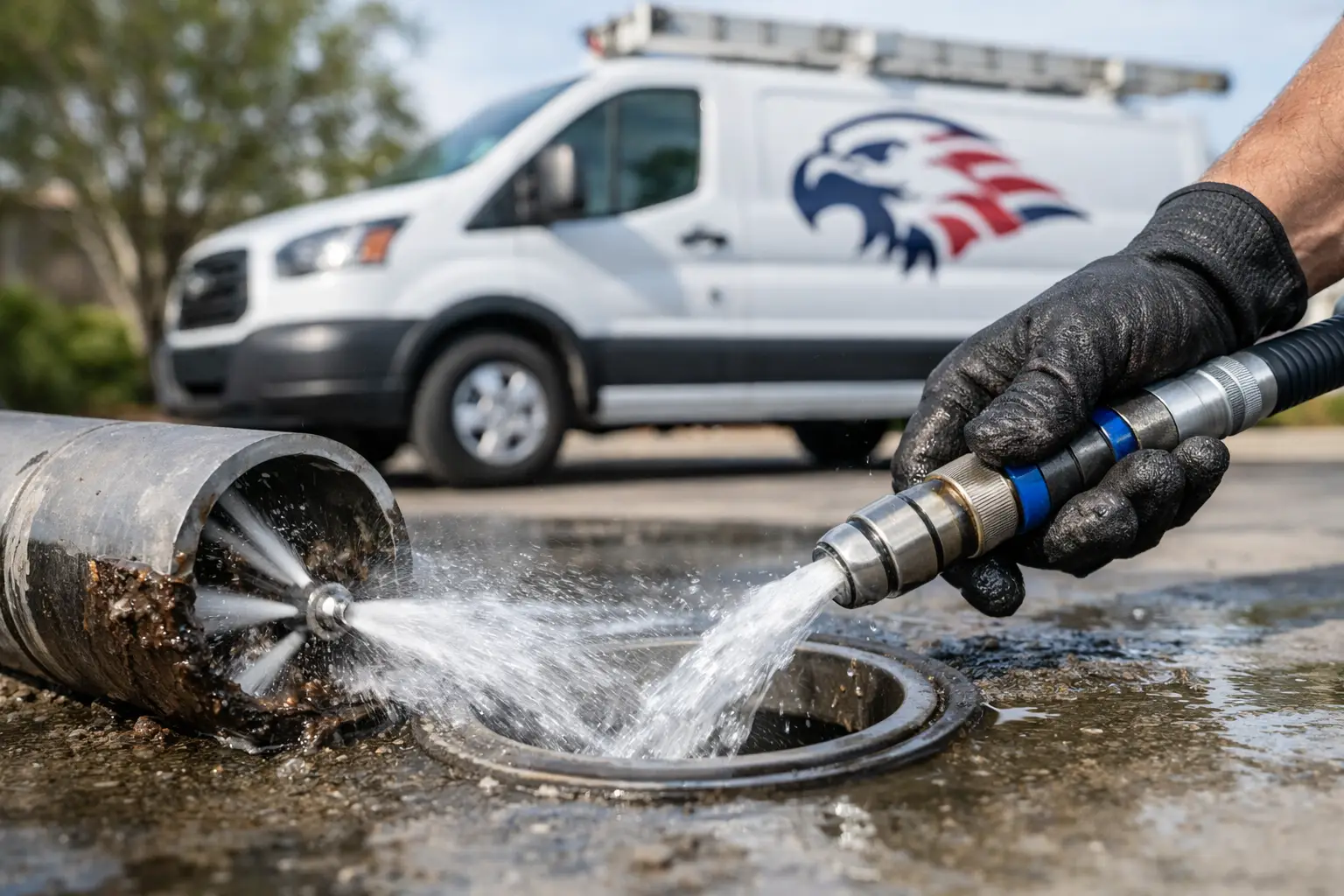
Hydro-jetting can be especially useful for clearing heavy buildup from suitable sewer lines. It uses high-pressure water to clean the inside of the pipe more thoroughly than a basic cable machine. After cleaning, another camera pass can confirm whether the pipe walls and joints are still in good condition.
A camera inspection can also provide peace of mind when buying a home, planning a remodel, or dealing with a drain issue that has happened more than once. Older homes may have clay, cast iron, or Orangeburg sewer materials that need closer attention. Knowing the condition of the line early gives you time to plan instead of reacting during a backup.
When to Consider Trenchless Sewer Repair Instead
There is a middle ground between camera-only diagnosis and conventional excavation. If the camera inspection shows cracks, root intrusion, or failing sections but the pipe path is otherwise workable, trenchless sewer replacement may be an option.
Trenchless methods can repair or replace a sewer line with limited digging at access points. This can reduce damage to a landscaped yard, patio, or driveway. It is not appropriate for every line. A fully collapsed pipe, major misalignment, or severe slope issue may still require excavation. But when conditions allow, trenchless work can reduce the disruption that homeowners often associate with sewer repair.
The right recommendation should come after the line has been inspected and located. Be cautious of anyone who recommends a full excavation without explaining what was found, where it is located, and why a less invasive repair is not suitable.
Signs You Should Schedule an Inspection Soon
A single slow drain may be a local clog. Several drains slowing down at once, however, can point to a main sewer line problem. Pay attention if toilets bubble when a shower or washing machine drains, if wastewater backs up into a tub or shower, or if you notice a persistent sewage smell near the home or yard.
Wet or unusually green patches in the lawn can also signal a leaking sewer line, especially when there has not been heavy irrigation or rain. Do not wait for a complete backup if these signs keep returning. Sewer issues usually become more disruptive and more expensive once wastewater starts entering the home.
What to Expect From a Clear Diagnosis
A good sewer service visit should leave you with more than a recommendation to dig. You should understand what the camera found, where the issue is located, whether cleaning can help, and which repair options fit the condition of your line.
Ask whether the damage is isolated or widespread, whether the pipe has proper slope, and whether trenchless replacement is possible. If excavation is recommended, ask how much of the yard needs to be opened and what access points are required. Straightforward answers help you compare the short-term cost with the long-term reliability of the repair.
When sewer trouble affects your home, fast action matters, but rushing into excavation does not. Start with a clear view inside the line whenever possible. The right diagnosis can protect your property, avoid unnecessary digging, and point your home toward a repair that actually lasts.