A drain that clogs again a few weeks after being cleared is not just inconvenient. It usually means the blockage was opened temporarily, while grease, sludge, roots, or buildup stayed inside the pipe. This hydro jetting comparison explains how hydro jetting stacks up against drain snaking and chemical cleaners, so you can make a practical decision for your home instead of paying for the same drain problem twice.
What Hydro Jetting Actually Does
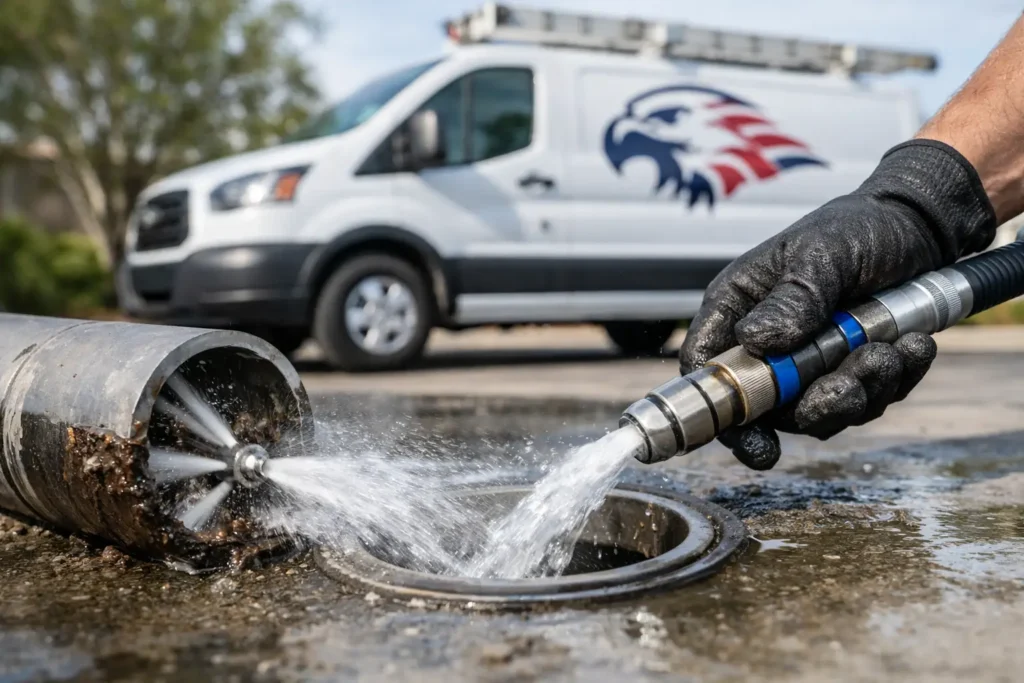
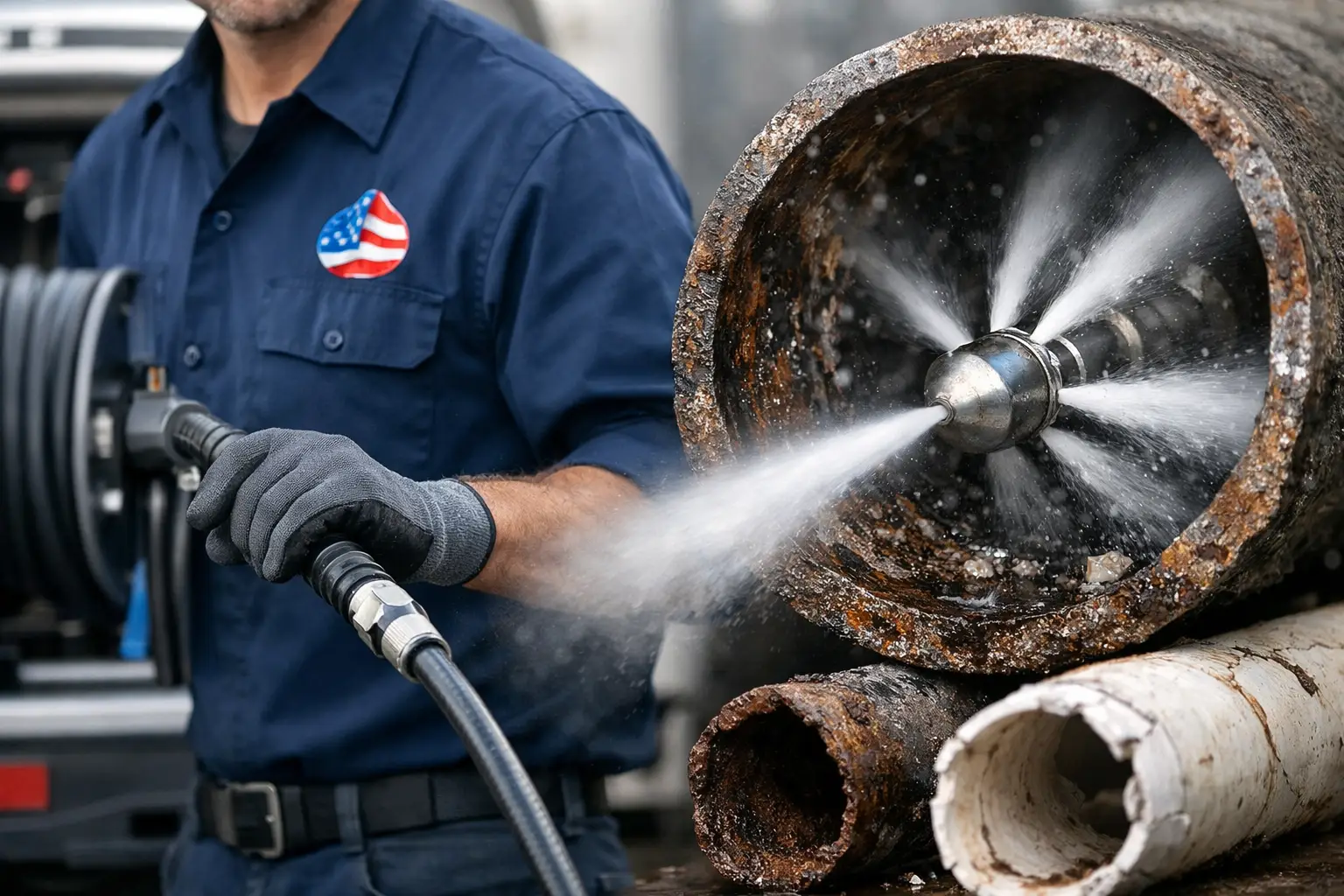
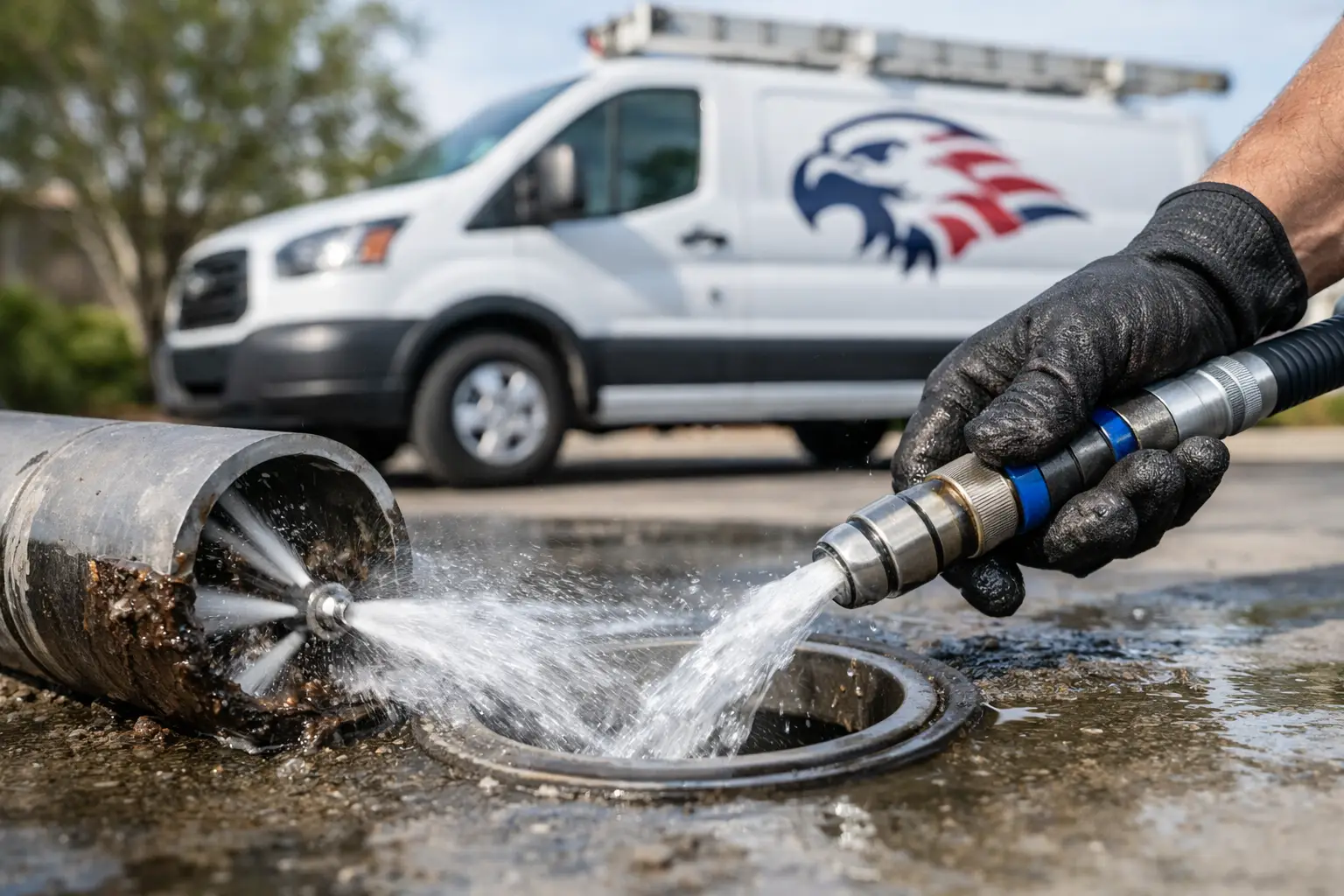
Hydro jetting uses a specialized hose and nozzle to send high-pressure water through a drain or sewer line. The water cuts through grease, soap residue, food waste, mineral scale, and other buildup clinging to the pipe walls. Rather than simply creating a narrow opening in the clog, it is designed to clean the interior of the line more thoroughly.
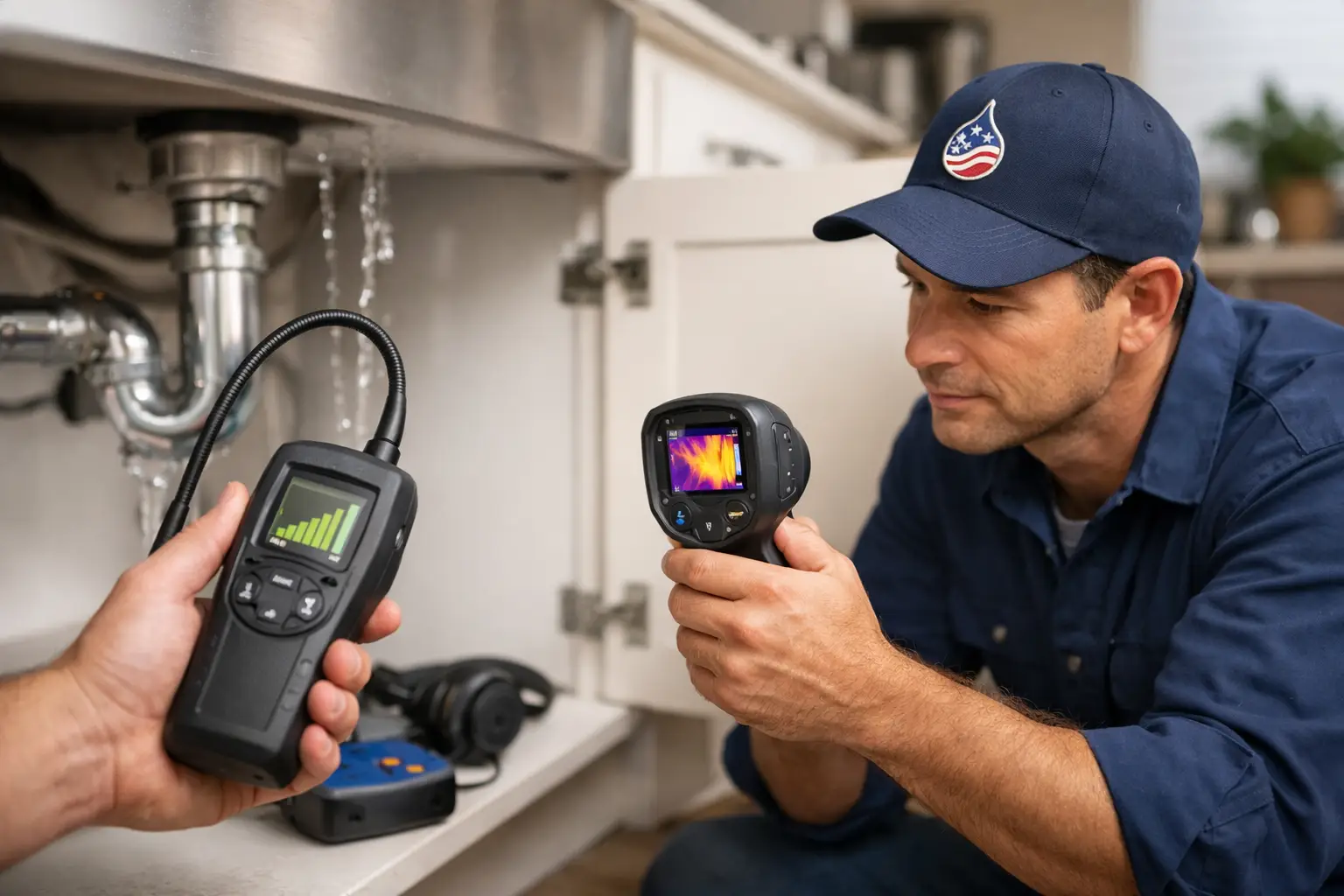
A professional plumber chooses the right water pressure for the pipe and the blockage. This matters because a kitchen drain packed with grease needs a different approach than a main sewer line affected by tree roots. Before jetting, a sewer camera inspection may be recommended when there is a concern about broken, collapsed, severely corroded, or offset pipe sections.
Hydro jetting is often a strong option for recurring clogs, slow drains throughout the house, sewer backups, and lines that have collected years of buildup. It is not automatically the right first step for every stoppage, especially when the condition of an older sewer line is unknown.
Hydro Jetting Comparison: Jetting vs. Drain Snaking
Drain snaking, also called cabling or augering, uses a flexible cable with a cutting head to break apart or pull through an obstruction. It is one of the most common ways to restore drainage quickly. For a simple clog close to a fixture, such as hair in a bathroom sink or a small blockage in a shower drain, snaking can be efficient and cost-effective.
The difference comes down to how each method treats the pipe wall. A drain snake punches through, cuts, or grabs the blockage to reopen the line. It may leave grease, scale, and residue behind. If that remaining material is significant, water will flow again but the drain can clog sooner than expected.
Hydro jetting flushes loosened debris out of the line while cleaning a larger portion of the pipe interior. It is especially useful for kitchen drains where grease has coated the pipe, or for main sewer lines where sludge and root debris are causing repeat backups.
Neither service is universally better. Snaking is often appropriate for a new, isolated clog with no history of trouble. Hydro jetting is usually the better long-term cleaning method when clogs keep returning or several drains are draining slowly at once. In some cases, a plumber may use a cable first to open a severely blocked line, then use hydro jetting to clean what remains.
When snaking may be the better choice
Snaking may make more sense if the blockage is small, near the drain opening, or caused by a single object. It can also be the preferred starting point when a camera inspection shows a pipe that is too damaged for high-pressure cleaning. A line with major cracks, a collapse, or serious deterioration needs repair planning, not more force inside the pipe.
When hydro jetting may be the better choice
Hydro jetting is often worth considering when your home has repeated sewer backups, frequent kitchen drain clogs, foul odors from drains, or slow fixtures in more than one room. Those symptoms can point to buildup deeper in the plumbing system. Cleaning the line more completely may reduce repeat service calls and help restore dependable drainage.
Hydro Jetting vs. Chemical Drain Cleaners
Store-bought chemical drain cleaners are appealing because they are inexpensive and immediately available. The problem is that they are not a reliable solution for many household clogs. They may not reach the full blockage, especially in a main sewer line, and they do little to remove heavy grease or solid debris.
Many chemical products create heat or use corrosive ingredients to dissolve material. Repeated use can be hard on certain pipes, joints, and fixtures. They can also leave standing chemicals in the line, creating a safety concern for anyone who later works on the drain.
Hydro jetting uses water, not corrosive drain chemicals. That does not mean it is a DIY project. The equipment requires professional training, and the pipe must be evaluated before high-pressure water is used. But for appropriate lines, it offers a more complete cleaning approach without relying on harsh liquid cleaners.
If you have already poured chemical cleaner into a drain, tell your plumber before service begins. That simple detail helps the technician work safely and choose the right way to clear the line.
How Hydro Jetting Handles Common Drain Problems
Not all clogs behave the same way. Understanding the cause is more useful than choosing a service based on the name alone.
Grease and food buildup
Grease is a common cause of kitchen drain trouble. It can cool and harden inside the line, catching food particles and creating a thick restriction over time. A snake may cut a channel through it, but hydro jetting is generally more effective at washing grease residue from the pipe walls.
Hair, soap scum, and bathroom debris
Hair and soap buildup often collect in bathroom sink, tub, and shower drains. A basic localized blockage may only need snaking. If a bathroom branch line clogs repeatedly, jetting can help remove the layered residue contributing to the problem.
Tree root intrusion
Roots can enter sewer lines through joints, cracks, or damaged sections. A cable machine can cut roots to restore flow, while hydro jetting can help flush out root fragments and debris. However, neither method permanently repairs the opening that allowed roots inside. If roots return, a camera inspection can identify whether trenchless sewer repair or replacement should be considered.
Mineral scale and older pipe buildup
Hard water minerals, rust, and years of use can narrow the inside of older drain pipes. Hydro jetting may remove some deposits and improve flow, depending on the pipe material and condition. A professional inspection is essential because severely aged or compromised pipes may require a repair solution instead.
Is Hydro Jetting Safe for Residential Pipes?
Hydro jetting can be safe and effective when the plumbing system is in suitable condition and the service is performed correctly. The concern is not the concept of water pressure itself. The concern is using the wrong pressure, the wrong nozzle, or the wrong method in a damaged line.
That is why experienced plumbers do not treat every sewer backup the same way. They consider the age of the home, prior repairs, pipe material, symptoms, and whether the line has a known history of root intrusion or failures. A camera inspection gives a clear view of the pipe and can prevent a cleaning service from being used where a repair is actually needed.
Homeowners should be cautious about anyone promising hydro jetting without asking questions about the line. A proper recommendation should be based on the source of the clog and the condition of the pipe, not a one-size-fits-all sales pitch.
What to Expect During a Hydro Jetting Service
A professional visit begins with identifying where the blockage is affecting the home. If drains are backing up in multiple rooms or sewage is coming up through a shower or tub, the main sewer line may be involved. The plumber may use a camera to locate the blockage and inspect the line before cleaning.
The hydro jetting hose is then fed through an access point, often a sewer cleanout. The nozzle sends water forward to break up debris while rear-facing jets help pull the hose through the pipe and flush material back toward the access point. Afterward, the line may be checked again to confirm that drainage has been restored and to identify any visible pipe concerns.
The time and cost depend on the location of the blockage, the length of the line, the severity of buildup, and whether an inspection is needed. Straightforward estimates matter because the right service should solve the actual problem, not add unnecessary work.
When to Schedule Drain Service
Do not wait for a complete backup if your drains are showing a pattern. Call for professional help when water drains slowly in several fixtures, toilets bubble when another drain is used, sewage odors are present, or clogs return after plunging or snaking. These signs often point to a deeper restriction in the drain or sewer line.
For homeowners in Menifee, Murrieta, Temecula, and nearby communities, prompt drain cleaning can prevent a small flow issue from turning into water damage or a messy sewer backup. American Plumbing Service can evaluate the line, explain whether snaking or hydro jetting makes sense, and provide a straightforward recommendation based on what your home actually needs. Acting while the drain is still moving usually gives you more options and less disruption.