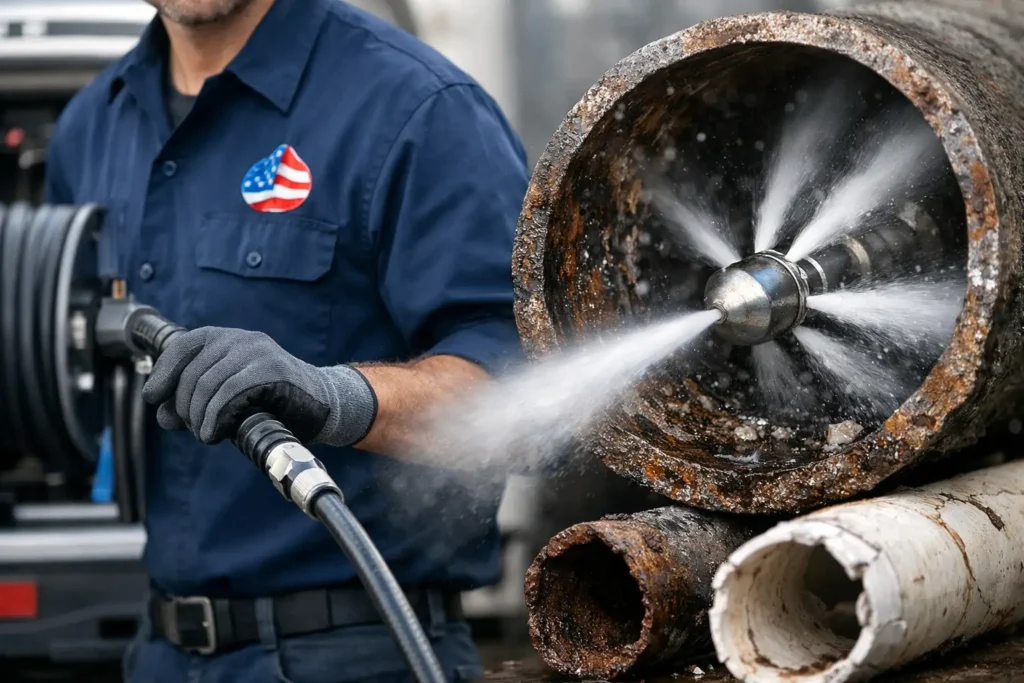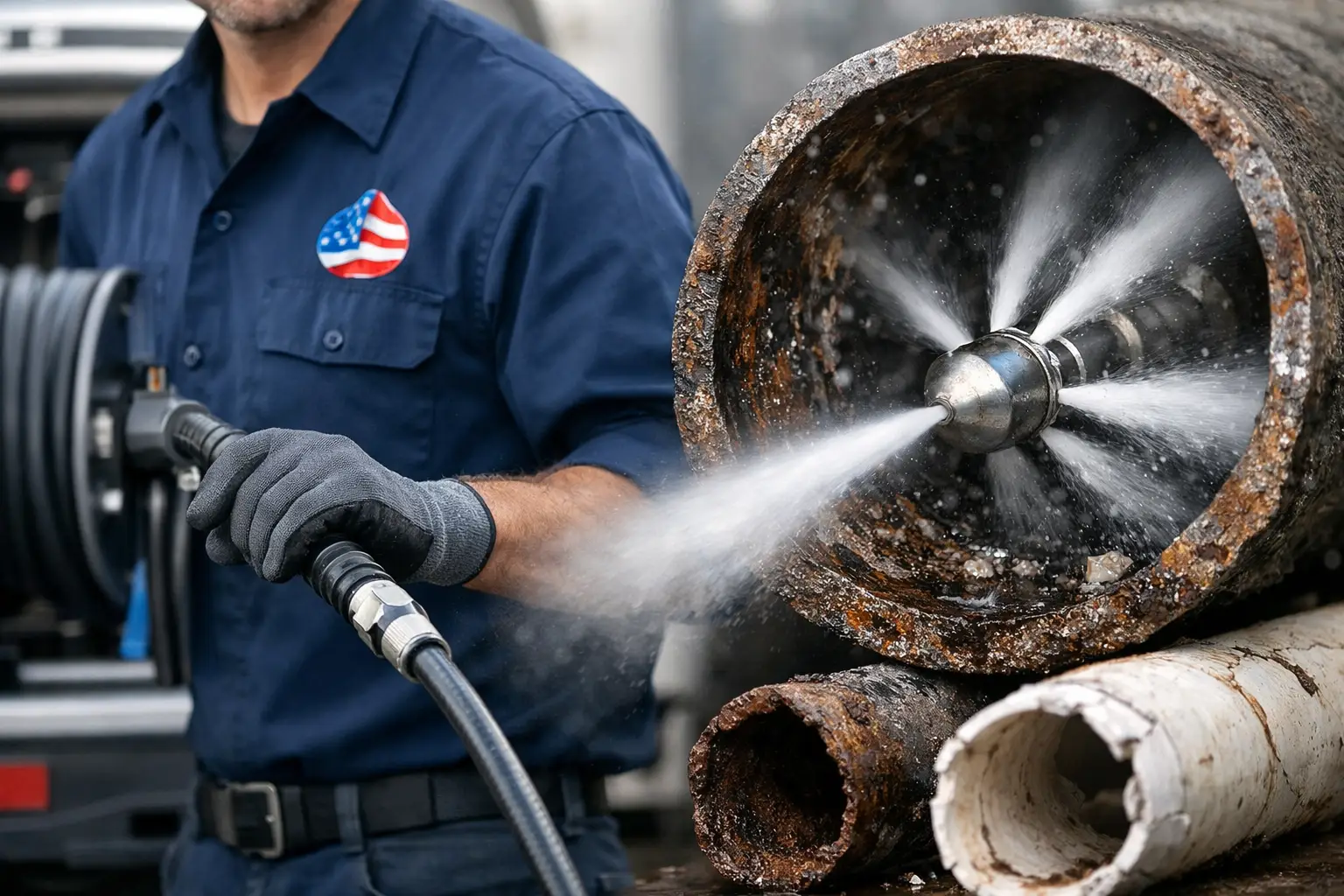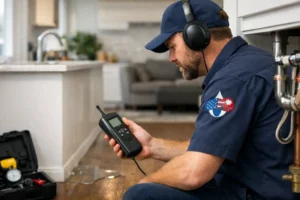
A backed-up drain can make any homeowner want the strongest solution available. But can hydro jetting damage pipes? It can if the line is already weakened, improperly inspected, or cleaned with the wrong pressure. When performed by a trained plumber after checking the condition of the pipe, hydro jetting is one of the most effective ways to clear serious drain and sewer blockages.
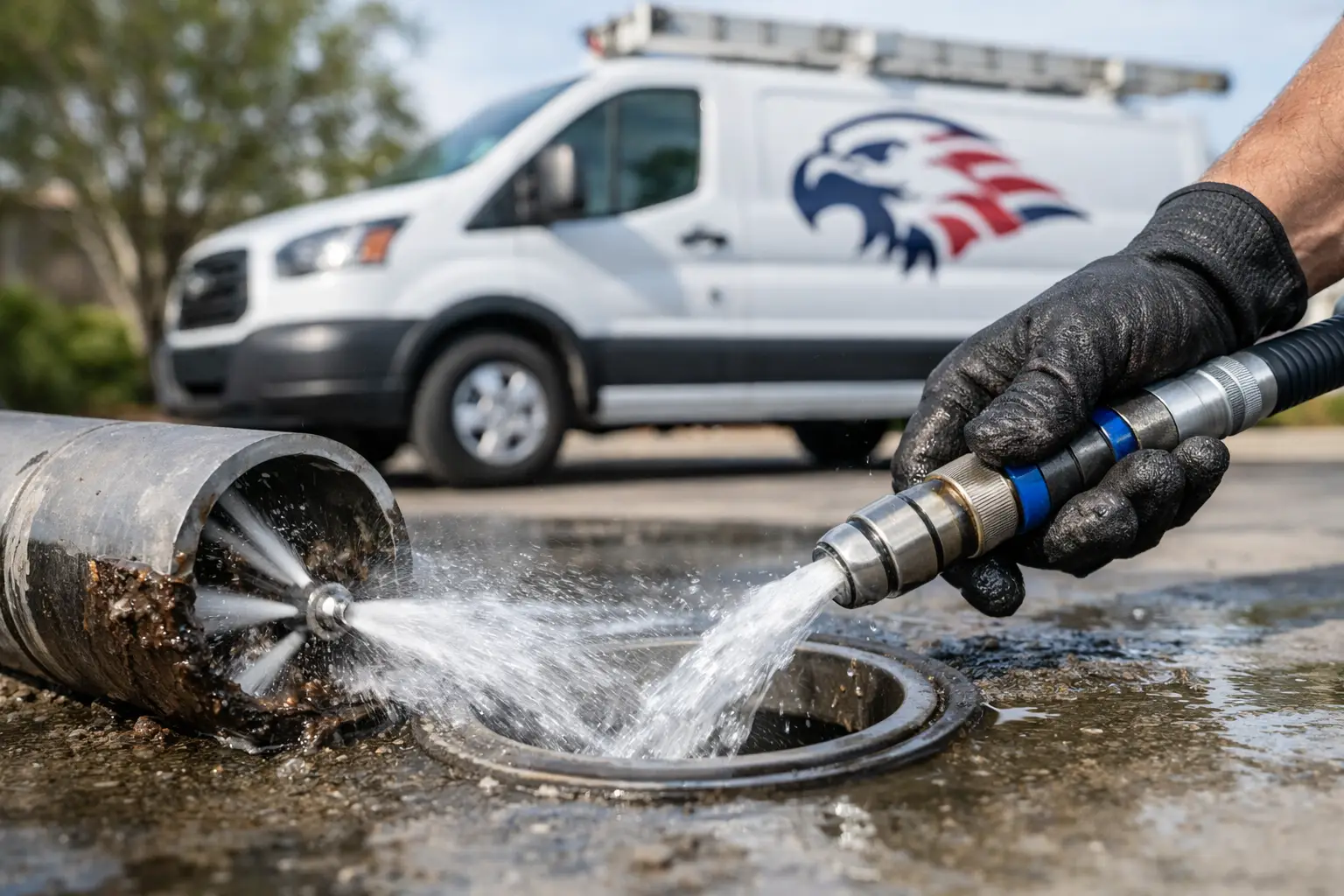
Hydro jetting uses highly pressurized water to cut through grease, sludge, roots, mineral buildup, and other debris coating the inside of a pipe. It does more than punch a small opening through a clog. It cleans the pipe walls, helping restore flow and reduce the chance of another blockage soon after service.
The key is knowing whether your sewer or drain line is a good candidate before the equipment goes in.
Can Hydro Jetting Damage Pipes? It Depends on Pipe Condition
Hydro jetting does not typically damage sound, properly installed plumbing pipes. Modern PVC, ABS, and many well-maintained cast iron sewer lines can handle professional hydro jetting when the technician uses the right equipment and pressure setting.
The concern comes with pipes that are already failing. A high-pressure water stream may expose a crack, break apart a badly corroded section, or force water and debris through an existing opening. In those cases, the hydro jet did not create a healthy pipe’s problem. It revealed that the pipe was already at the end of its useful life.
That distinction matters. If a sewer line has heavy corrosion, separated joints, a collapsed section, or major root intrusion, simply clearing the blockage may not be the long-term answer. The right repair could involve spot repair, pipe lining where appropriate, or trenchless sewer replacement.
When Hydro Jetting Is Usually a Safe Choice
Hydro jetting is often an excellent choice for recurring clogs that keep coming back after snaking. Kitchen drain lines commonly develop thick grease buildup over time. Bathroom drains can collect soap residue, hair, and mineral deposits. Main sewer lines may have sludge buildup or early-stage roots entering through joints.
For these problems, a professional hydro jetting service can provide a much more thorough result than a basic cable machine. A drain snake can bore through the center of a blockage, allowing water to drain temporarily. Hydro jetting can wash away the material stuck to the walls of the line.
It is especially useful when several fixtures are draining slowly, toilets bubble when water runs elsewhere in the home, or a main sewer backup has occurred. Those signs can point to a blockage deeper in the system, not a simple clog at one sink or shower.
Pipes That Need Extra Caution
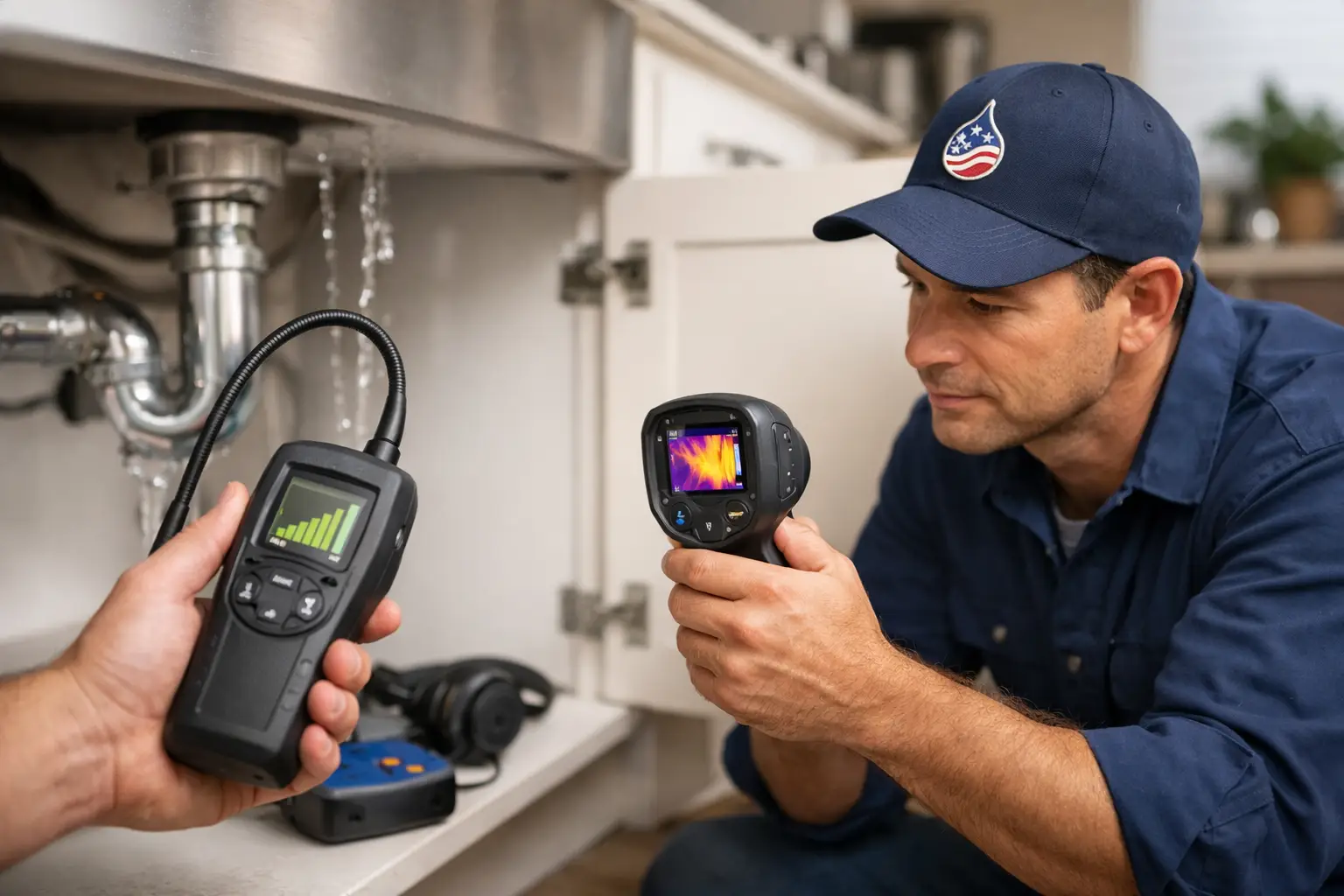
Not every line should be hydro jetted immediately. Older homes and properties with a history of sewer issues need a closer look first. A plumber should use a sewer camera inspection to see what is happening inside the pipe before recommending high-pressure cleaning.
Extra caution is needed with severely corroded cast iron, brittle Orangeburg pipe, cracked clay sewer lines, and pipes that may have shifted due to soil movement. Homes in areas with mature landscaping can also have extensive root intrusion. Roots may be holding broken pipe sections in place, so removing them without evaluating the line can uncover a larger repair need.
A camera inspection helps answer practical questions: Is the blockage grease or roots? Is there a crack? Has a pipe section collapsed? Are there offsets at the joints? This information allows the plumber to choose the safest option instead of guessing.
Why Pressure Settings and Technique Matter
Hydro jetting is not a one-setting service. The correct pressure, nozzle type, water flow, and cleaning method depend on the pipe material, pipe diameter, and type of buildup.
A trained technician may use a penetrating nozzle to open a blockage, then use a flushing nozzle to clean the pipe walls and carry debris downstream. For root intrusion, the approach may be different than it is for grease in a kitchen line. Using excessive pressure or the wrong nozzle in a compromised pipe can make a bad situation worse.
This is why hydro jetting is not a good DIY project. Rental equipment and online advice do not replace an in-line camera inspection or a plumber who understands how residential drain systems behave. Incorrect use can cause flooding, push debris into another section of the line, or damage a weak pipe that should have been repaired instead.
Warning Signs You May Need Inspection Before Cleaning
A sewer camera inspection is a smart first step if your home has recurring backups, sewage odors, wet areas in the yard, or drains that stop working soon after they are cleared. It is also important if you know the sewer line is older or if you recently bought a home without a clear record of past plumbing repairs.
Pay close attention when toilets overflow or backup into a tub or shower. That usually means the issue is in the main sewer line, where water from multiple fixtures meets. Continuing to run water can turn a manageable blockage into an indoor sewage cleanup.
If you notice a sudden green patch in the yard, sinkholes, or unexplained standing water, do not assume hydro jetting is the answer. Those can be signs of a leaking or broken underground sewer line. The first priority is locating the damage and determining whether repair or replacement is needed.
Hydro Jetting Versus Snaking: Which One Do You Need?
Drain snaking and hydro jetting both have a place in residential plumbing. A simple localized clog, such as hair near a shower drain, may respond well to a cable machine. It can be fast, affordable, and appropriate when there is no evidence of a larger issue.
Hydro jetting is generally better for heavy buildup, repeated clogs, grease-filled kitchen lines, and main sewer line obstructions. It provides a deeper cleaning, but it takes more preparation because the pipe condition should be confirmed first.
The best choice is not automatically the strongest tool. It is the service that addresses the actual cause of the blockage without putting an aging sewer line at unnecessary risk. A straightforward inspection lets you make that decision with real information rather than repeated temporary fixes.
How to Protect Your Pipes After Hydro Jetting
Once a line has been thoroughly cleaned, a few habits can help keep it flowing. Avoid pouring cooking grease down the kitchen sink, even if you follow it with hot water. Use sink strainers to catch food scraps and hair, and keep wipes, paper towels, feminine products, and so-called flushable wipes out of the toilet.
If roots were found in the sewer line, ask about the condition of the pipe and whether ongoing monitoring is needed. Root removal can restore drainage, but roots tend to return when there is an opening in the line. A camera inspection after cleaning can show whether the pipe remains structurally sound.
For homeowners in Menifee, Murrieta, Temecula, and nearby communities, acting early can prevent a drain problem from becoming a sewer emergency. If your drains keep backing up, request a professional evaluation before another quick fix. The right diagnosis can protect your pipes, your home, and your budget.