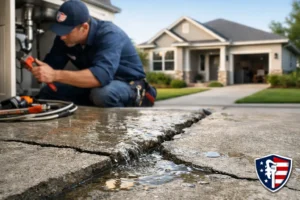
A slab leak can start as a small change in your water bill or a warm patch on the floor. Then it can become water damage, mold concerns, foundation movement, and a repair that feels far more urgent than it did a few days earlier. This guide to slab leak repair explains what homeowners should watch for, how plumbers locate the problem, and which repair approach may make the most sense for your home.
A slab leak is a leak in a water or sewer line that runs beneath your concrete foundation. Because the pipe is hidden, the goal is not to guess or start breaking concrete. The right approach begins with accurate leak detection, a clear explanation of the findings, and a repair plan that limits disruption while protecting your home.
Signs You May Have a Slab Leak
Not every hidden leak is a slab leak, but several warning signs deserve prompt attention. The most common is an unexplained increase in your water bill, especially if your household water use has not changed. You may also hear water moving through the pipes when all faucets and appliances are off.
Pay attention to your floors. A hot-water line leak can create an unusually warm area beneath tile, vinyl, or other hard flooring. Moisture, damp carpet, warped flooring, cracks in flooring, or a musty odor may point to water escaping below the slab. Some homeowners notice low water pressure or find that their water heater runs more often than usual.
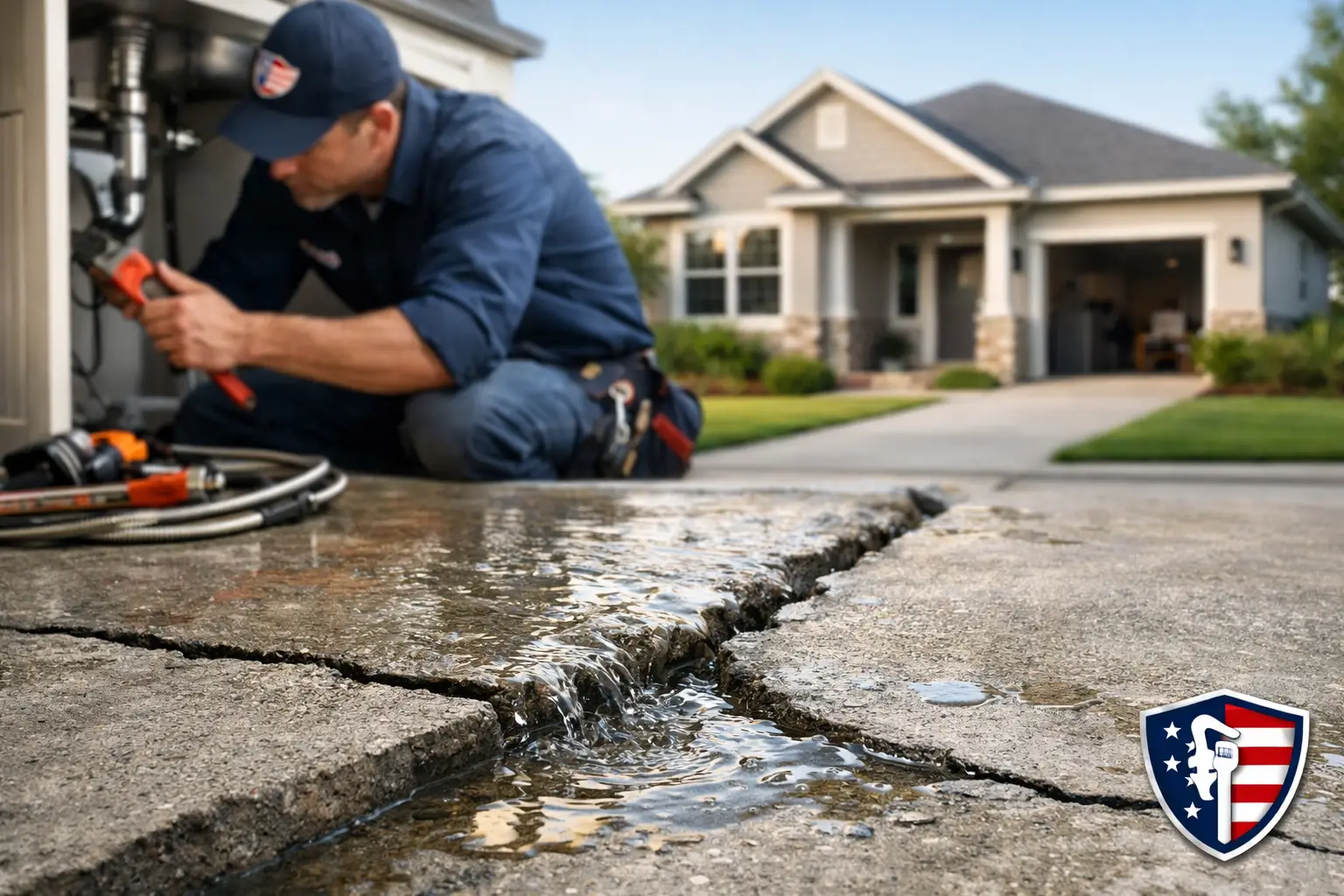
Outside, wet spots near the foundation or water pooling where it should not can also signal a problem. With an under-slab sewer line issue, the signs may include recurring drain backups, sewer odors, or slow drains affecting more than one fixture.
These symptoms do not automatically confirm a slab leak. A leak in a wall, irrigation problem, failed appliance connection, or drainage issue can look similar. That is why professional leak detection matters. Identifying the correct source before repair work begins prevents unnecessary damage and expense.
What Happens During Professional Leak Detection
A reliable plumbing diagnosis starts with testing, not assumptions. A plumber may inspect accessible pipes, check your water meter, test water pressure, and isolate plumbing sections to determine whether the leak is on a pressurized water line or a drain line.
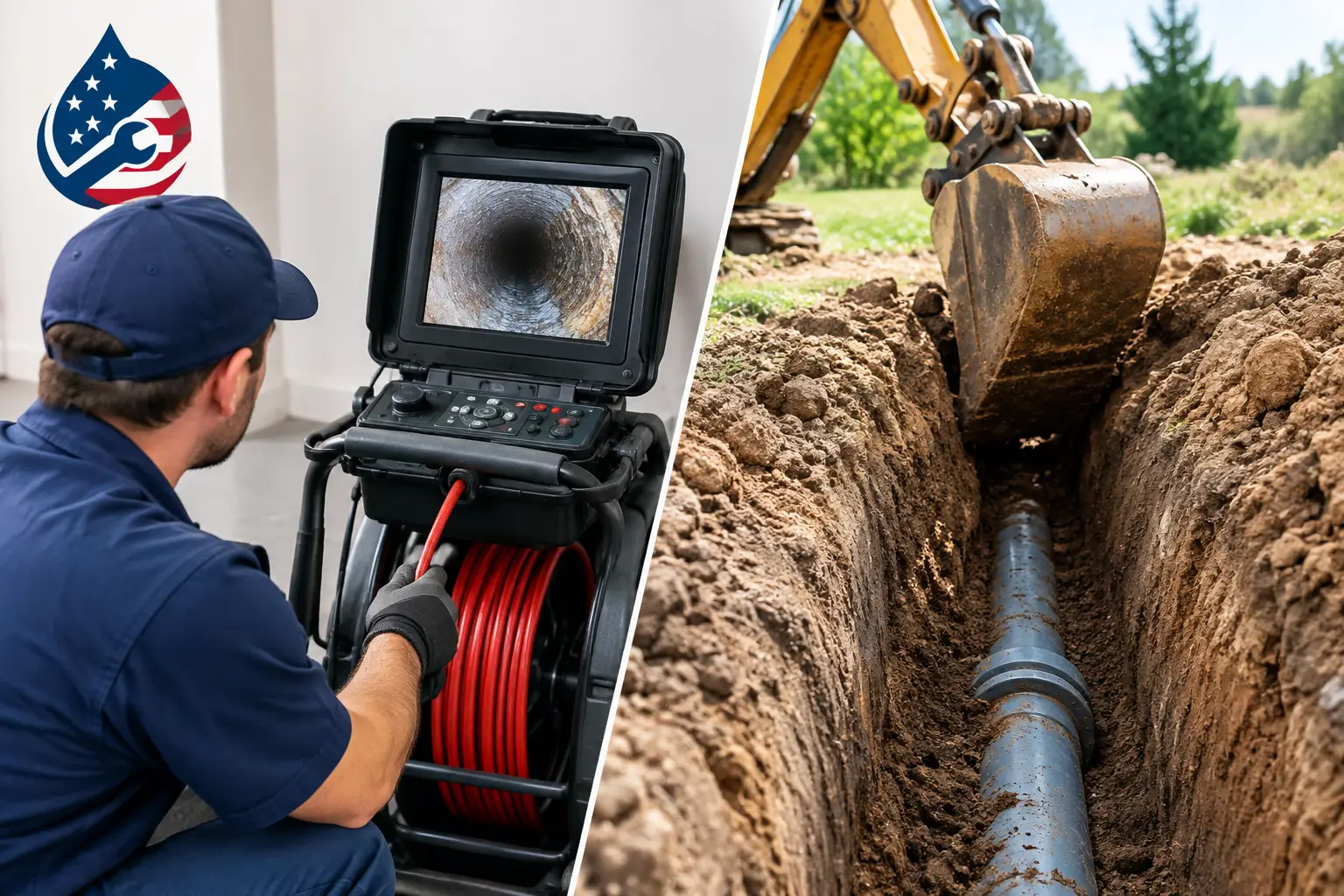
Depending on the situation, leak detection may involve acoustic equipment that listens for water movement beneath the slab, thermal imaging to identify temperature differences, electronic locating tools, or a camera inspection for suspected sewer line damage. The exact method depends on the pipe type, the symptoms, and the construction of the home.
The result should be straightforward: where the leak is likely located, what pipe is affected, how serious the damage appears, and which repair options are appropriate. A good estimate should explain the scope of work in plain language, including what will be accessed, what restoration may be needed afterward, and whether a larger piping issue is developing.
Guide to Slab Leak Repair Options
There is no single best repair for every slab leak. The right option depends on the location of the leak, the condition and age of the plumbing system, the number of previous leaks, and whether future access to the pipe will be a concern.
Direct Access Repair
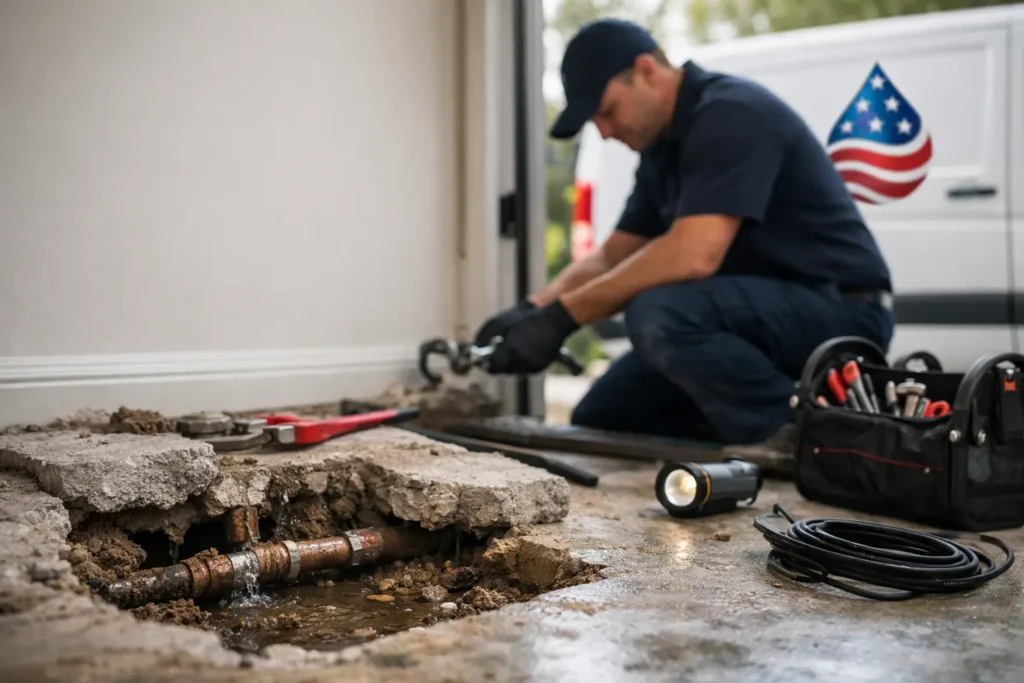
Direct access repair involves opening a targeted area of flooring and concrete to reach the damaged pipe. The plumber removes the failed section and installs new pipe or a fitting, then the concrete is patched after the repair is tested.
This can be a practical choice when the leak is isolated, easy to pinpoint, and the surrounding pipe is in good condition. It is often less expensive upfront than rerouting an entire line. The trade-off is disruption inside the home. Flooring and concrete work may be required, and homeowners typically need to arrange cosmetic restoration after the plumbing repair is complete.
Pipe Rerouting
Rerouting, sometimes called re-piping around the slab, moves the affected water line out of the concrete and through walls, ceilings, or attic areas where it can be accessed later if needed. This is often recommended when the existing under-slab line has failed more than once or when the pipe material is aging and likely to develop additional leaks.
Rerouting can avoid breaking through a large section of slab and may provide a longer-term solution. However, it may require access through drywall and can cost more than a single spot repair. The best choice comes down to whether you are fixing one isolated failure or addressing a recurring plumbing pattern.
Epoxy Pipe Lining
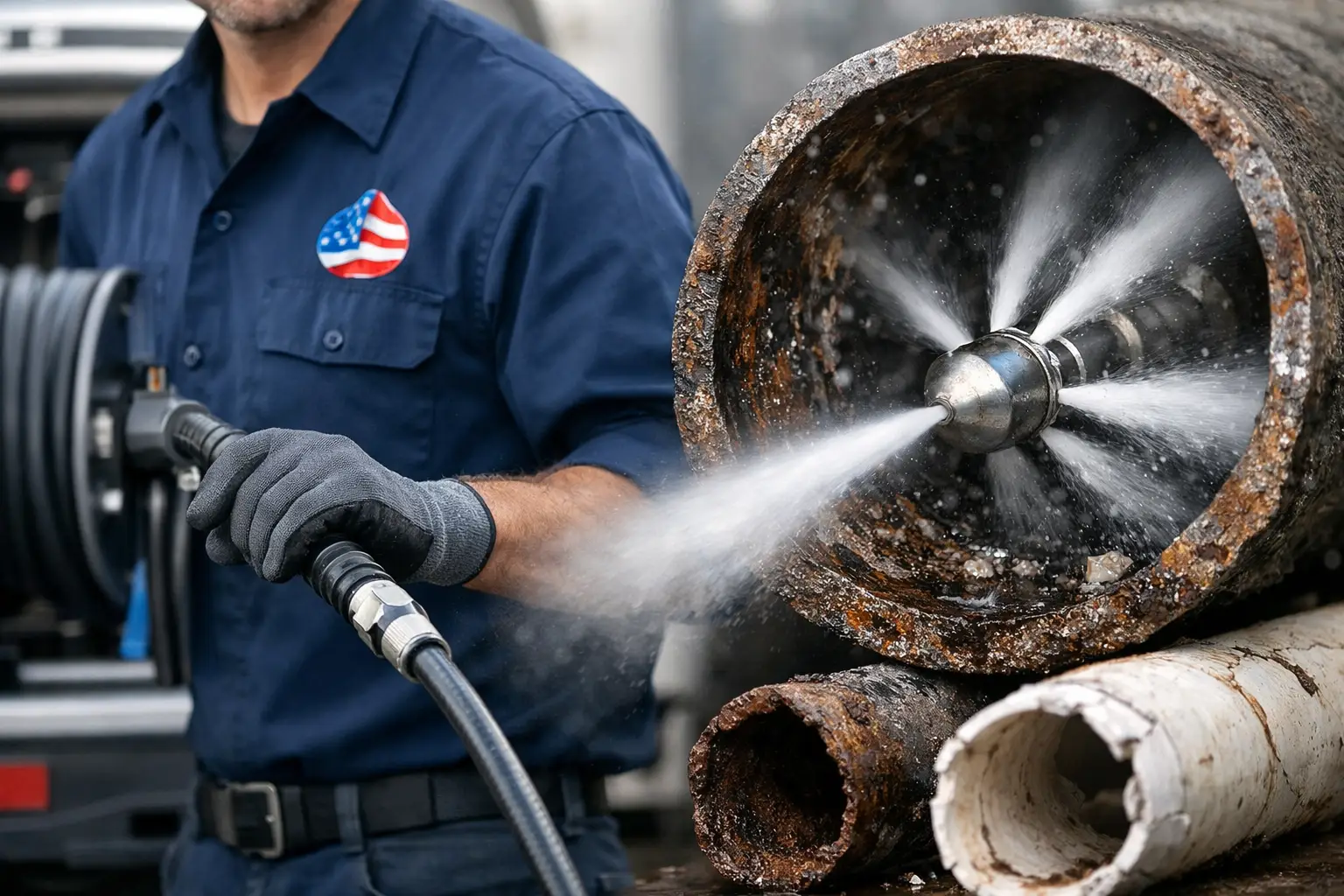
In some situations, a damaged pipe may be rehabilitated from the inside using an epoxy lining process. This option is more commonly considered for certain drain or sewer pipes than for all water supply lines. It can reduce excavation or concrete removal, but it is not appropriate for every pipe, every level of damage, or every home.
A professional evaluation is essential here. Lining may be worth considering when the pipe is structurally suitable and access would otherwise be highly disruptive. If the line is badly collapsed, severely deteriorated, or has multiple connection problems, replacement may be the more dependable answer.
How Long Does Slab Leak Repair Take?
The leak detection visit may take a few hours, depending on the complexity of the home and the symptoms. A straightforward spot repair can often be completed in one day once the location is confirmed. Rerouting a line or repairing a larger sewer issue may take longer, particularly when drywall access, inspections, or coordination with restoration work is involved.
The plumbing repair itself is only part of the timeline. Concrete patching, flooring replacement, drywall repair, and painting are separate restoration steps in many cases. Your plumber should clearly explain which work is included and what needs to happen after the pipe repair is finished.
What Affects the Cost of Slab Leak Repair?
Slab leak repair costs vary because the work is highly dependent on access and pipe condition. A leak that is easy to locate and repair may require a limited opening and a short pipe replacement. A leak beneath finished flooring, cabinets, or a difficult section of the foundation requires more labor and restoration planning.
Cost is also affected by whether the issue is on a water line or sewer line, the material of the existing pipe, the need for rerouting, and whether other weak sections are found during testing. One isolated leak in otherwise sound plumbing may justify a direct repair. Multiple leaks in older lines may make rerouting a better investment, even if the initial price is higher.
Do not make a repair decision based only on the lowest number. Ask what caused the failure, whether nearby pipe is likely to fail next, what type of material will be installed, and whether the repair is tested before the area is closed. Clear answers help you compare options fairly.
What to Do While You Wait for a Plumber
If you suspect an active slab leak, take steps to limit damage. Turn off water to the home if water is surfacing, flooring is becoming wet, or you cannot stop the flow. If the suspected leak involves hot water, consider turning off the water heater according to the manufacturer’s instructions to avoid unnecessary operation.
Move furniture, rugs, and valuables away from damp areas. Avoid drilling into flooring or breaking concrete to search for the leak yourself. That can make the repair more difficult and may damage additional plumbing, electrical wiring, or flooring.
For a smaller suspected leak, monitor the water meter after all water fixtures are turned off. If the meter continues to move, document what you see and arrange professional service quickly. In Menifee, Murrieta, Temecula, and nearby communities, fast leak detection can often prevent a hidden plumbing issue from becoming a major restoration project.
Choosing a Slab Leak Repair Company
Look for a residential plumbing company that can detect the leak, complete the repair, and explain alternatives without pushing a one-size-fits-all solution. Slab leaks are disruptive enough without coordinating multiple companies just to identify the source and fix the pipe.
Ask whether the company provides an onsite estimate, what repair methods they recommend for your situation, and how they protect the work area. If a larger repair is needed, financing options can also help homeowners address the problem before water damage gets worse.
A slab leak rarely improves with time. If you notice unexplained water use, warm floors, damp areas, or recurring drainage problems, schedule an inspection before the leak has more time to affect your home.