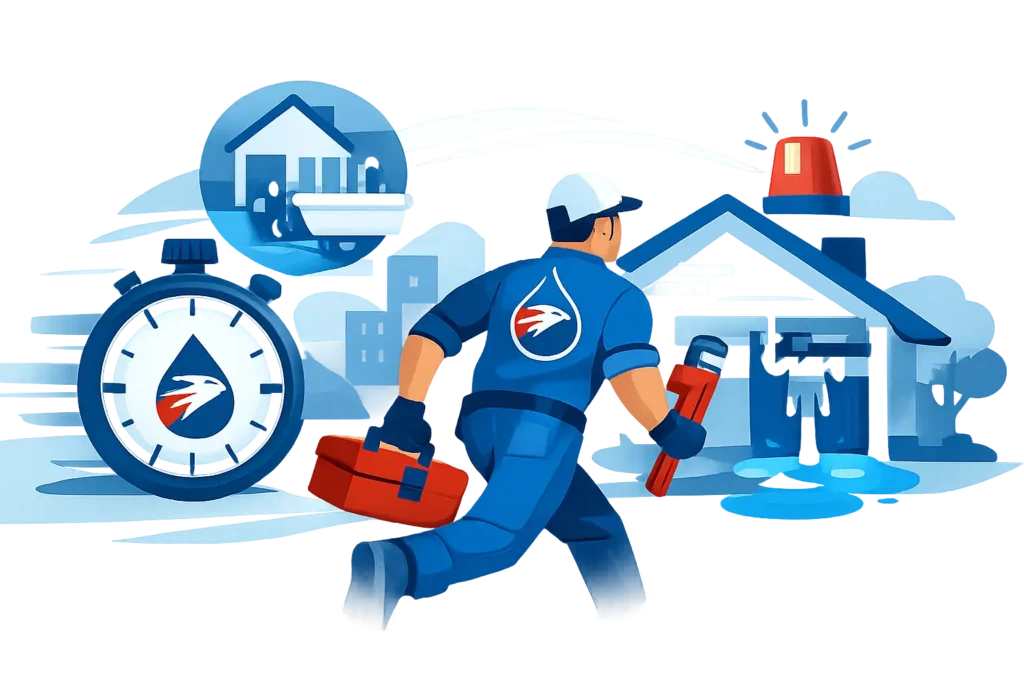
A pipe bursts at 10:30 p.m., water is spreading across the floor, and the first question is not about pricing or parts. It is about emergency plumber response time. When plumbing trouble turns urgent, homeowners want to know how fast help can get there, what causes delays, and what they should do while waiting.
What emergency plumber response time really means
Emergency plumber response time is the gap between your call and the plumber arriving or beginning active help. That sounds simple, but there are two parts to it. First is how quickly someone answers your call and confirms the issue. Second is how soon a technician can be dispatched to your home.
For homeowners, both matter. A company that answers right away but cannot send anyone for hours may not solve your problem fast enough. On the other hand, a local plumbing company with same-day emergency availability can often move much quicker because it is already working in nearby neighborhoods and understands the service area.
Response time also depends on the type of emergency. A major active leak, sewer backup, gas line concern, or no-water situation will usually be prioritized over a slow drain or a toilet that still has one working alternative in the house. That does not mean the less severe problem is ignored. It means dispatch decisions are based on risk, damage potential, and safety.
What affects emergency plumber response time
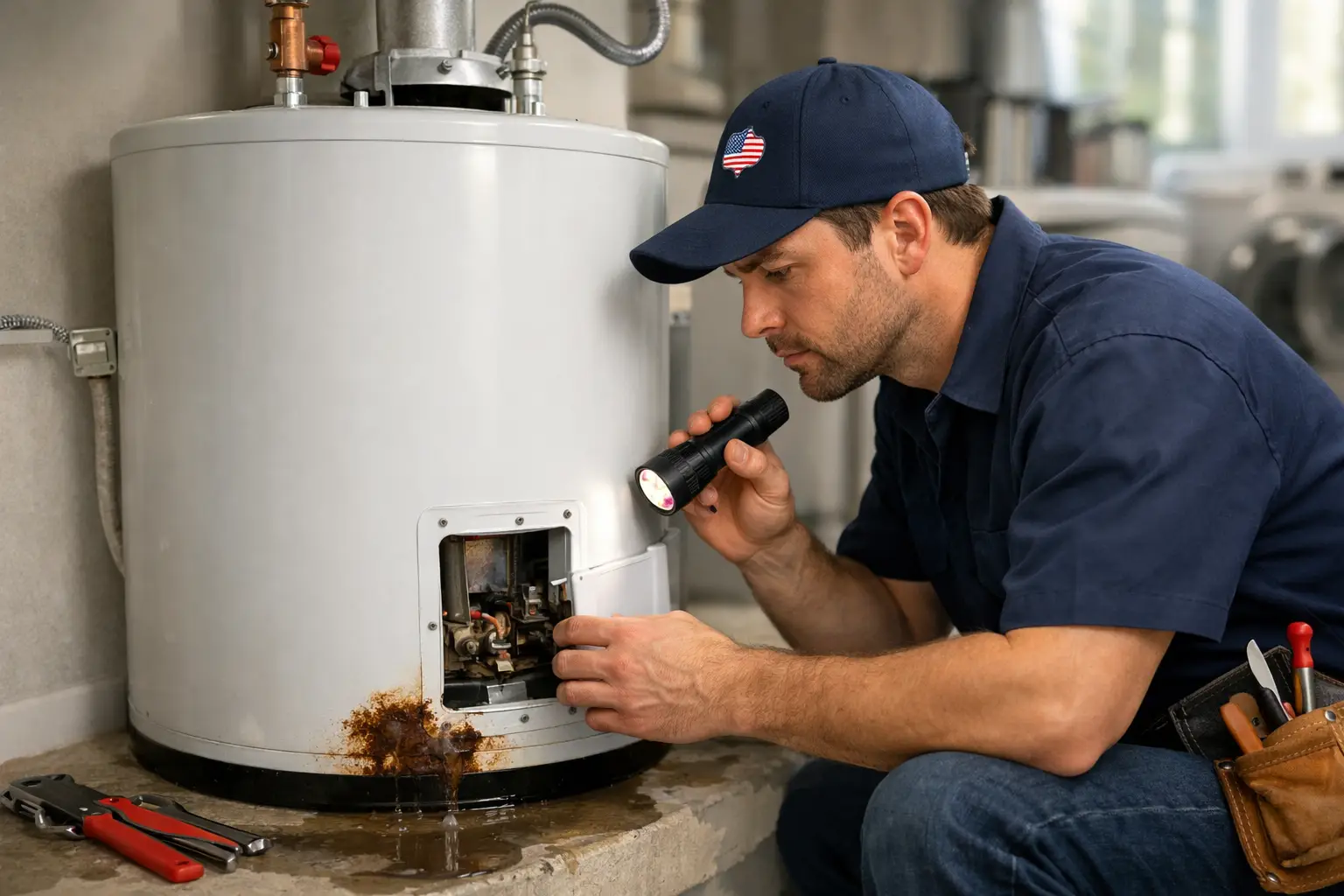
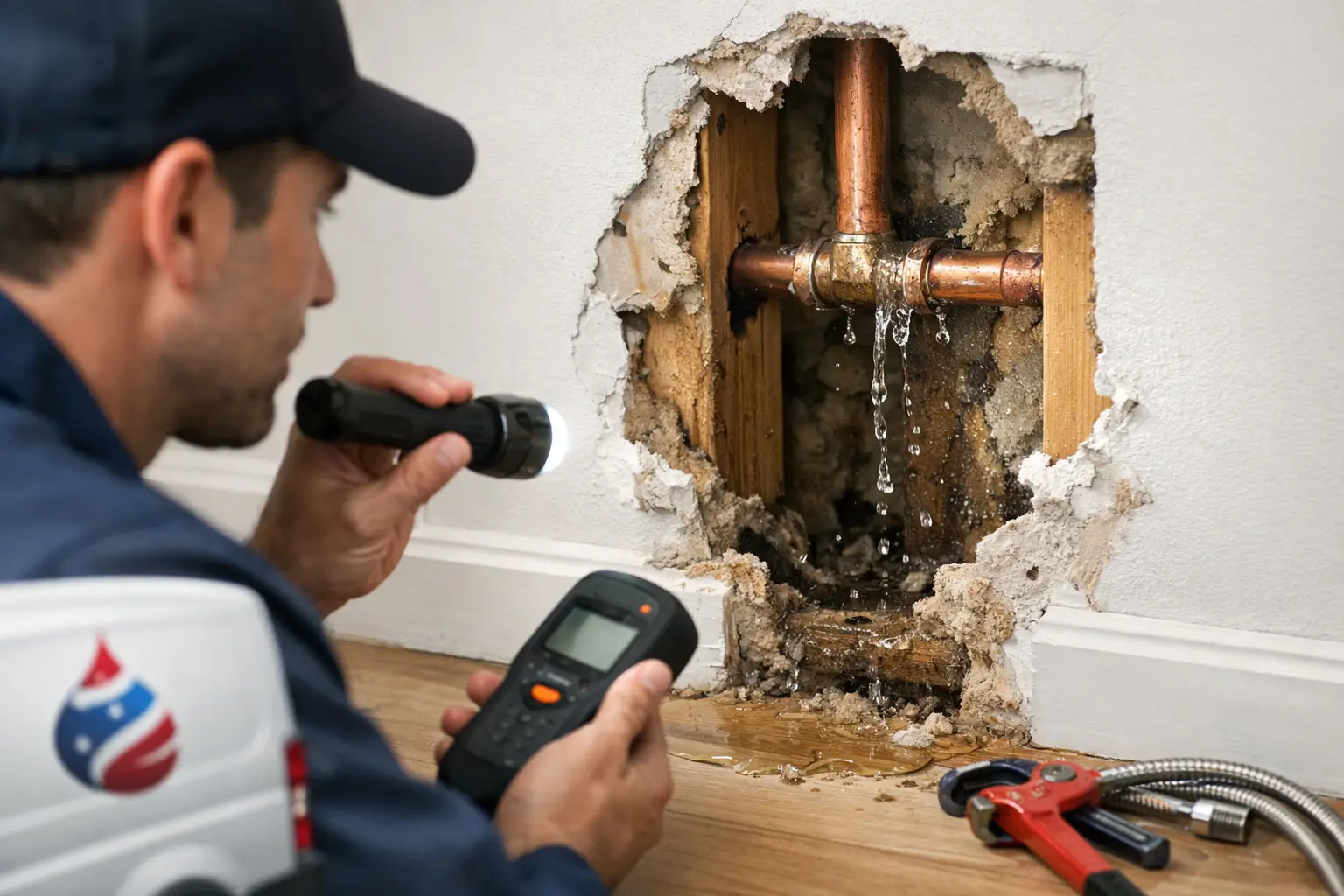
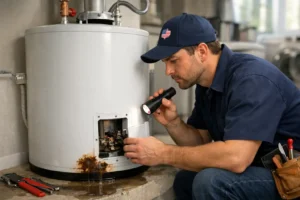
The biggest factor is the severity of the issue. If water is actively damaging drywall, flooring, cabinets, or electrical areas, that call moves up fast. The same goes for sewage entering the home or a water heater failure that creates flooding. These are time-sensitive problems that can get worse by the minute.
Location matters too. A truly local company usually has an advantage because technicians are already operating in Menifee, Murrieta, Temecula, Wildomar, and nearby communities. That local coverage can reduce drive time and make same-day service more realistic, especially compared to larger companies that dispatch across a wider territory.
Time of day also plays a role. Midday availability may be different from late night, early morning, weekends, or holidays. Emergency service does not always mean instant arrival in every situation. It usually means your issue is evaluated quickly and scheduled based on urgency, current technician availability, and travel logistics.
Weather and demand spikes can affect timing as well. After heavy rain, cold snaps, or regional service disruptions, plumbing calls often rise at the same time. During those periods, even strong companies may have to triage more carefully.
Then there is the information given during the call. If the homeowner can clearly explain whether the leak is active, whether the main water has been shut off, where the problem is located, and whether sewage is involved, dispatch can make faster decisions. Vague details slow things down.
What homeowners should expect when they call
A good emergency process should feel direct, not confusing. You call, describe the issue, answer a few practical questions, and get clear next steps. In many cases, you should also receive immediate guidance on how to reduce damage before the plumber arrives.
That may include shutting off the main water supply, avoiding affected fixtures, turning off the water heater if necessary, or keeping family members away from contaminated areas. In a serious sewer backup or slab leak situation, the company may advise you to stop using plumbing fixtures until inspection begins.
It is fair to ask for a realistic arrival window. No honest plumbing company should promise a perfect minute-by-minute ETA if technicians are still completing another emergency. But they should be able to tell you whether help is likely within the hour, later that day, or after a current high-priority call wraps up.
Free onsite estimates can also matter in non-catastrophic emergencies. If the issue needs immediate repair but also requires diagnosis first, knowing that someone can come out, assess the problem, and explain the options helps homeowners make decisions without unnecessary delay.
When a plumbing issue is truly an emergency
Not every plumbing problem requires immediate dispatch, but some absolutely do. An active burst pipe is an emergency. So is a major slab leak, overflowing toilet with no shutoff control, sewer line backup, sudden loss of hot water from a leaking water heater, or a broken water line feeding the home.
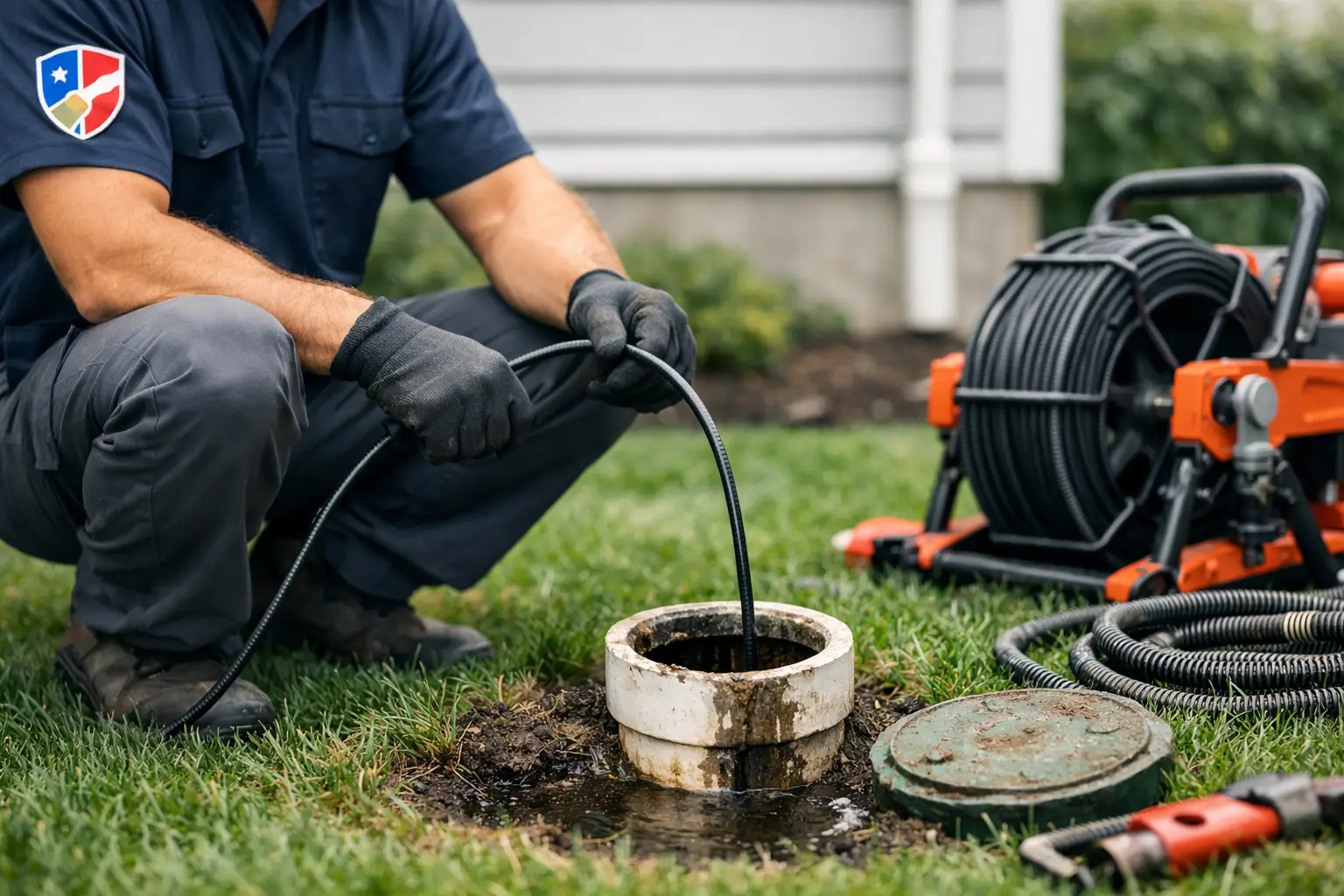
A clogged drain can go either way. If one sink is draining slowly, that may be urgent but not an after-hours emergency. If multiple drains are backing up at once, toilets are gurgling, or sewage is coming up in the shower, that points to a bigger sewer line issue that should be treated quickly.
Leak size matters too. A small drip under a bathroom sink is not the same as water pouring through a ceiling. Homeowners sometimes wait too long because they hope the problem will stay small. Plumbing issues do not usually move in that direction. A delay of even a few hours can turn a manageable repair into drywall removal, flooring damage, mold risk, or cabinet replacement.
How to improve your own emergency plumber response time
You cannot control traffic or technician schedules, but you can help the process move faster. Start by calling as soon as you notice the problem. Waiting to see if it stops on its own usually costs time and increases damage.
When you call, be ready with the home address, the exact problem area, whether water is still running, and whether you have already shut off the main valve. Mention if the issue involves a water heater, sewer backup, slab leak symptoms, or a broken fixture that is flooding the room. Those details help dispatch determine urgency.
If possible, clear access to the problem area. Move storage away from the water heater closet, under-sink cabinet, garage shutoff, or outdoor cleanout. If pets are present, secure them early. Small delays at the house can add unnecessary time once the plumber arrives.
It also helps to know where your main water shutoff is before an emergency happens. Many homeowners do not learn this until a pipe breaks. A quick walkthrough now can save real damage later.
Why local coverage usually means faster service
For residential plumbing emergencies, local presence matters more than flashy advertising. A neighborhood-focused company tends to route technicians more efficiently because the service area is familiar and concentrated. That means less time lost to long-distance dispatching and more flexibility when same-day calls come in.
It also means the plumber is more likely to understand common housing layouts, older plumbing materials, water pressure patterns, and sewer line issues seen in the area. That does not just affect arrival time. It can shorten diagnosis time once the technician is on site.
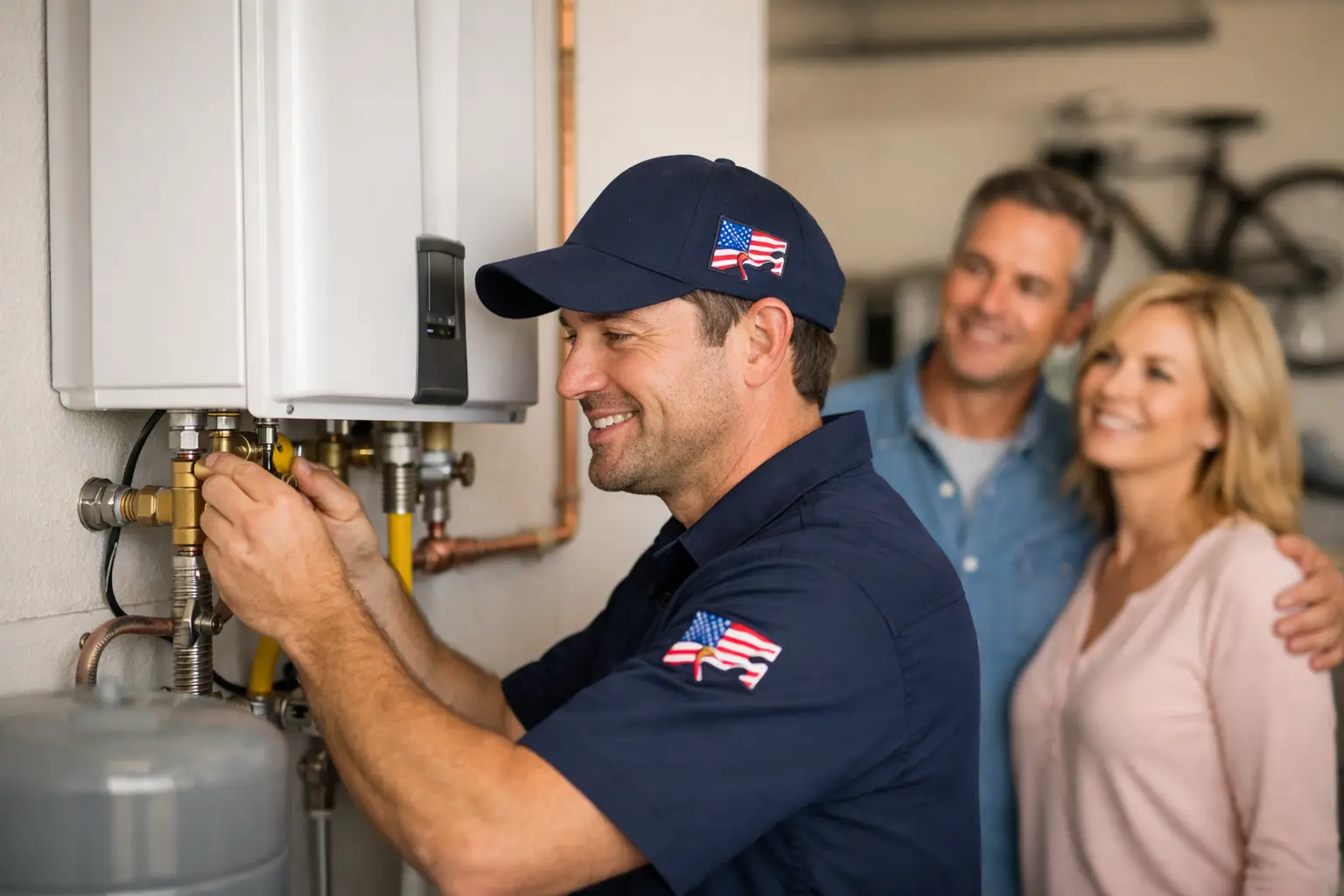
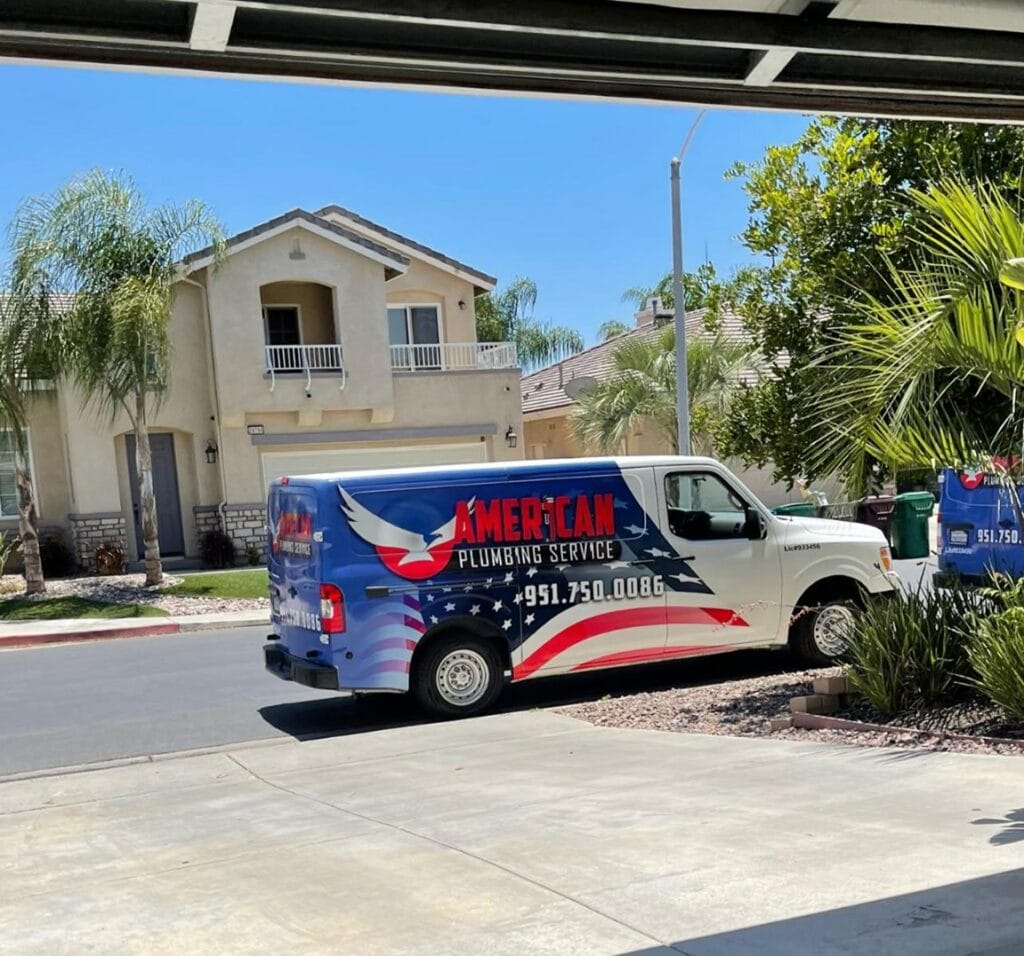
For homeowners in Western Riverside County, choosing a company built around residential service can make a difference. American Plumbing Service focuses on household plumbing problems, which matters when the goal is fast, practical help instead of a broad commercial-first dispatch model.
Fast response is important, but so is the right repair
There is a balance here. Speed matters in an emergency, but speed alone is not enough if the problem is misdiagnosed or patched poorly. Homeowners should want both – quick arrival and competent repair.
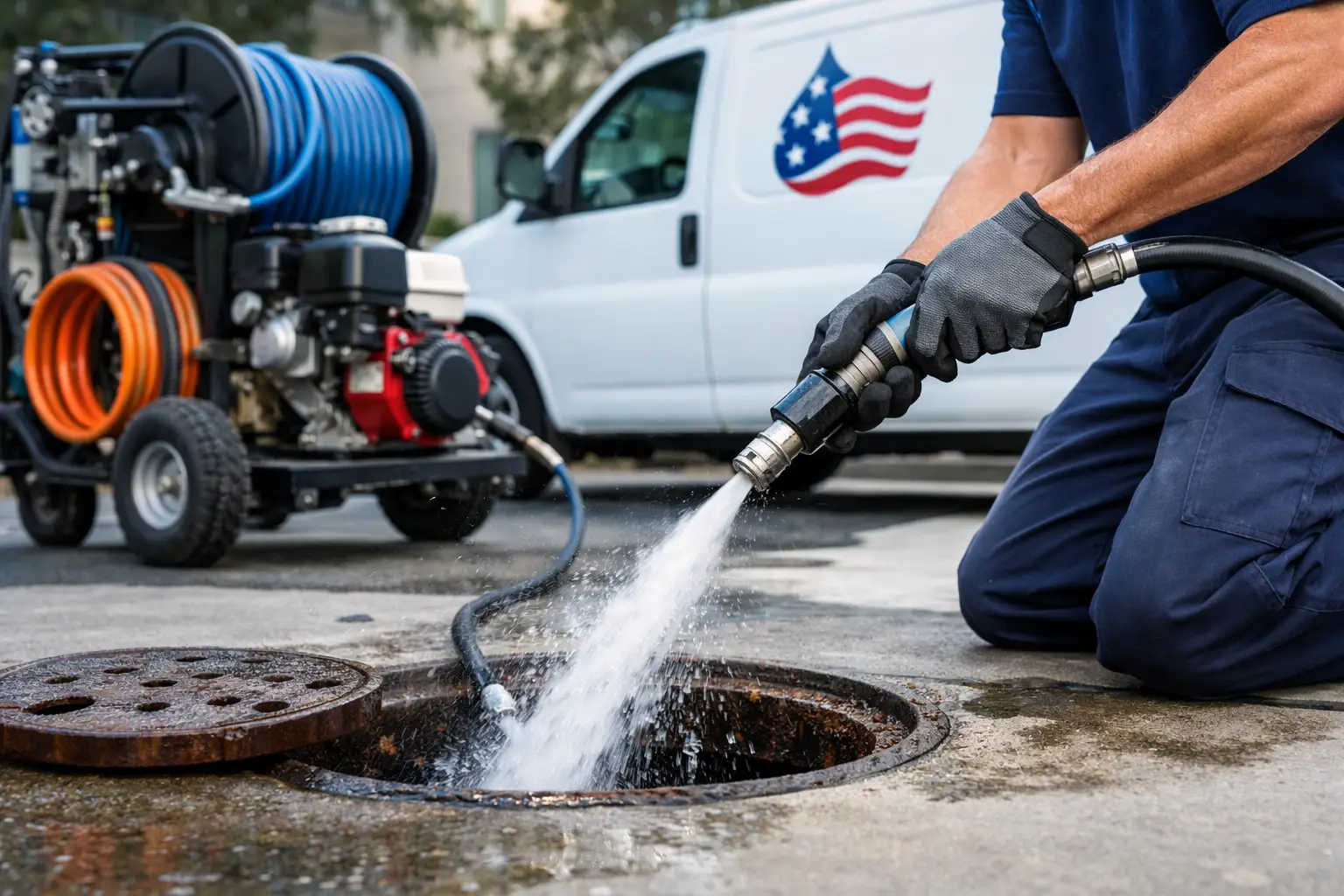
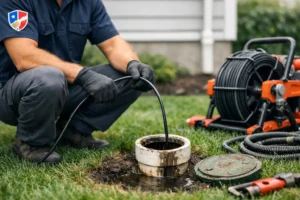
For example, a sewer backup might need more than a basic snaking. It may require camera inspection, hydro-jetting, or a closer look at line damage. A water leak behind a wall may need proper leak detection before repair starts. A failing water heater may need replacement options, not just a temporary fix.
That is why the best emergency service is not just about getting a truck to the curb fast. It is about arriving prepared to diagnose the issue clearly, explain the options, and complete the work in a way that actually solves the problem.
What to do while waiting for the plumber
Stay focused on damage control. Shut off the main water if the leak is active and you can do so safely. Turn off power to affected areas if water is approaching outlets or electrical equipment, but only if you can reach the panel safely. Stop using sinks, showers, toilets, and dishwashers if you suspect a sewer line problem.
Use towels, buckets, or a wet vacuum if it helps contain the spread. Take photos if property damage is visible. If the issue involves sewage or contaminated water, keep children and pets away and avoid direct contact.
Most of all, do not mistake temporary control for a finished solution. A shutoff valve stops the immediate spread, but it does not repair the failed pipe, clear the blocked sewer, or restore safe plumbing function.
The right expectation is simple: emergency plumber response time should be fast, clear, and honest. If you are dealing with a serious plumbing problem, the goal is not just to get someone there quickly. It is to get the right help moving before the damage has time to grow.