When multiple drains start gurgling at once, the toilet water rises for no clear reason, or sewage shows up in a tub or shower, you are not dealing with a simple clog. If you are searching for how to clear main sewer backup, the first priority is protecting your home and avoiding a bigger mess.
A main sewer backup can affect every drain in the house because the blockage is in the line that carries wastewater away from your home. That is why a kitchen sink problem can show up in a bathroom, or a flushed toilet can push dirty water into a shower pan. It is messy, stressful, and time-sensitive. The right response can limit damage. The wrong one can spread contamination fast.
How to clear main sewer backup without making it worse
Start by stopping water use in the house. Do not run sinks, showers, dishwashers, or washing machines, and do not keep flushing toilets to “test” whether the line is open. If the main line is blocked, every gallon you send into the system has nowhere to go except back into the home.
Next, keep people and pets away from any standing wastewater. Sewage backup is not just unpleasant. It can contain harmful bacteria and contaminants. Put on gloves, old clothes, and waterproof shoes if you need to enter the area. If backup is heavy, close the bathroom or affected room and wait for professional help.
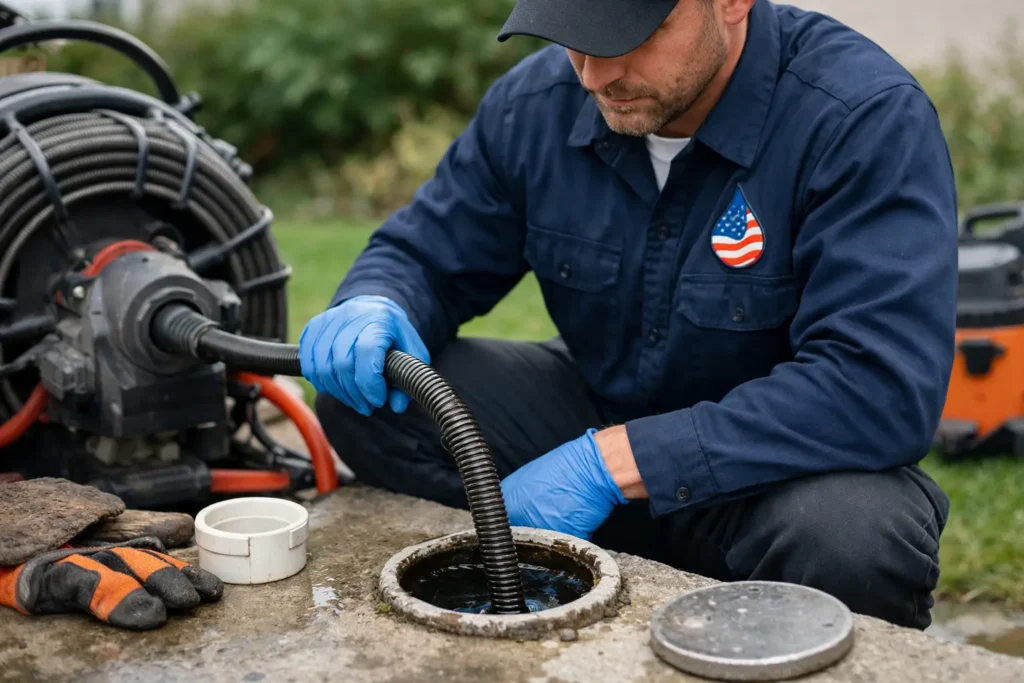
If you know where your sewer cleanout is, usually a capped pipe outside the home or near the foundation, that is the safest access point for clearing the main line. It is much better than trying to force tools down a toilet or interior drain. Remove the cap slowly and carefully. If the line is heavily backed up, sewage may come out under pressure.
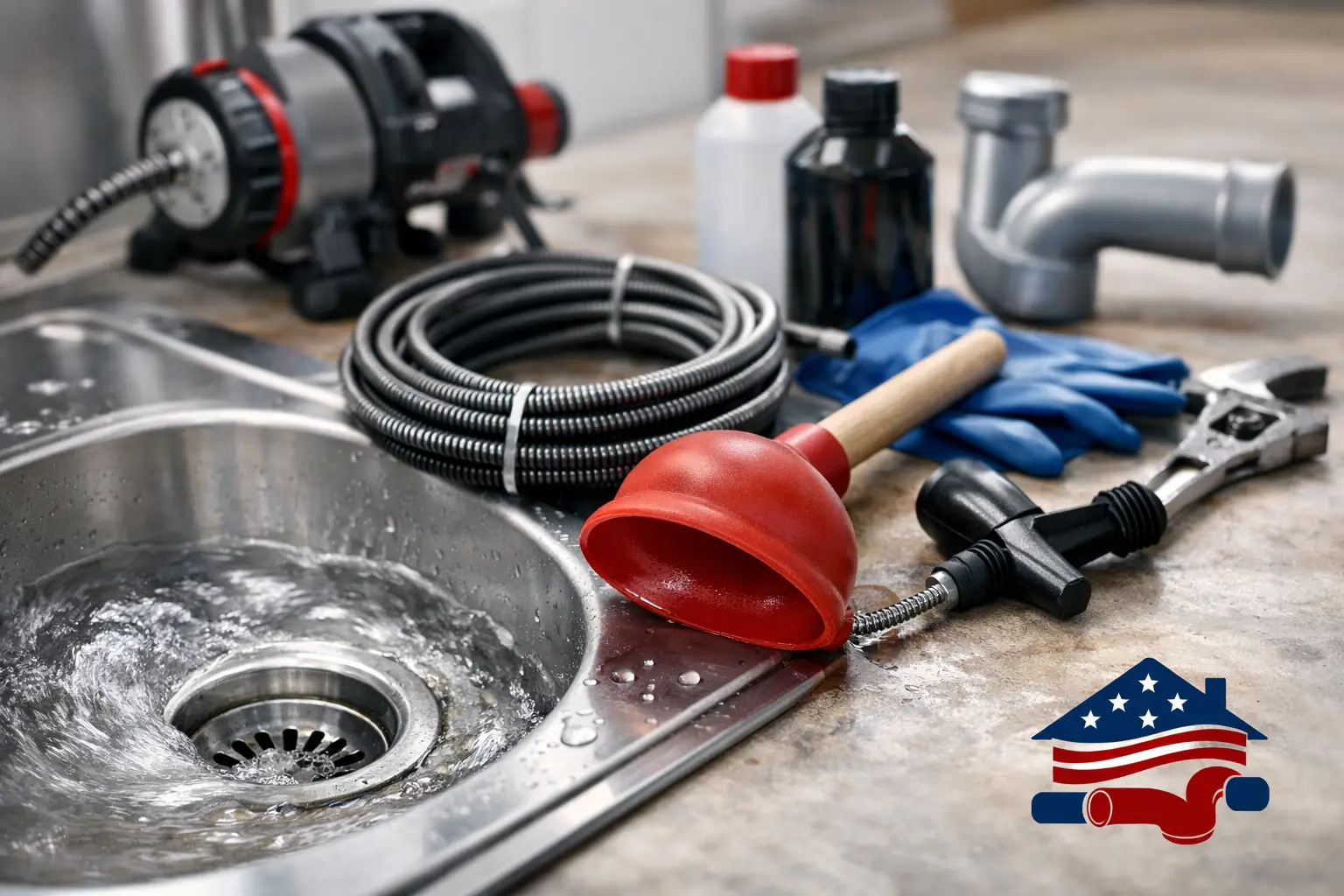
Once the cleanout is open, you can try a drain snake or sewer auger designed for main line clogs. Feed it slowly into the cleanout, not aggressively. If you feel resistance, work the cable forward and back to break through or grab the obstruction. Then pull the cable back and clear off debris as needed. This may work if the issue is a soft blockage like paper buildup or sludge.
That said, not every main sewer backup responds to snaking. Grease buildup, heavy scale, root intrusion, pipe offsets, or a damaged sewer line often need more than a basic auger. If the snake will not advance, comes back clean, or the backup returns right away, it is time to stop. Pushing harder can damage older piping or leave the real cause untreated.
What usually causes a main sewer backup
For homeowners, the cause matters because it affects what solution will actually hold. A quick opening in the line is not always the same as a full fix.
Tree roots are one of the most common causes. Roots naturally seek moisture and can enter tiny joints or cracks in underground sewer lines. Once inside, they grow, catch debris, and eventually choke off flow. You may clear part of the blockage temporarily, but if roots are the problem, they usually come back unless the line is properly cleaned and inspected.
Grease and flushable products also cause major trouble. Grease poured down kitchen drains cools and sticks to pipe walls. So-called flushable wipes do not break down like toilet paper and can snag in rough spots in the line. Over time, these materials build into a dense clog that standard plunging will not touch.
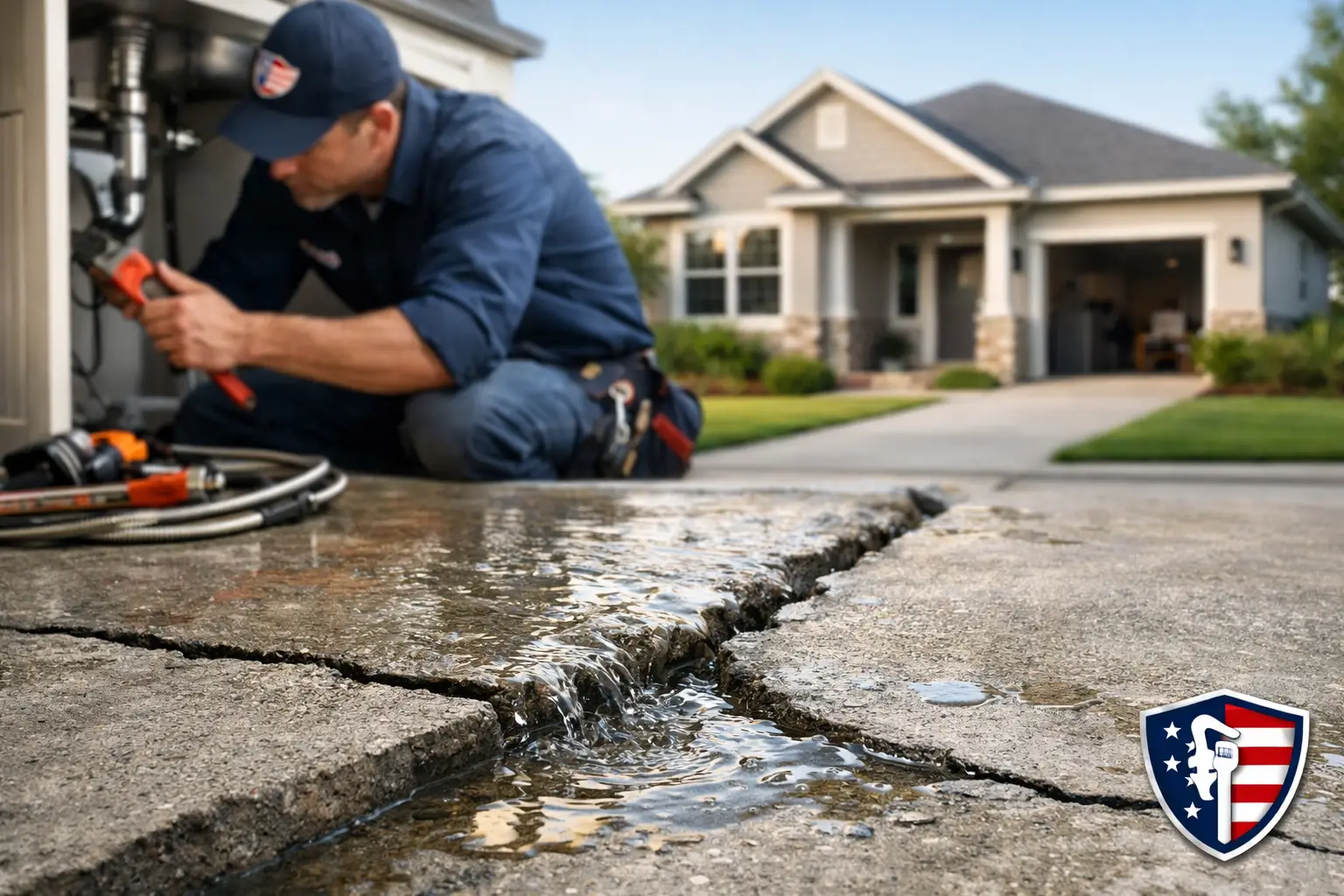
Older sewer lines may have scale, corrosion, bellies, cracks, or collapsed sections. In those cases, backup is a symptom of a pipe condition, not just a clog. Clearing the line may restore some flow, but if the pipe has shifted or broken underground, the problem will keep returning until it is repaired.
City sewer issues can also play a role, especially during heavy rain or system overloads, but in most residential calls the blockage is in the home’s own sewer lateral. That is why a camera inspection is often the fastest way to stop guessing.
What not to do during a sewer backup
Homeowners often make the situation worse by trying too many quick fixes at once. Chemical drain cleaners are a bad choice for main line backups. They rarely solve a sewer clog, and they can create hazardous conditions if the wastewater later splashes back during snaking or repair.
Do not keep plunging random fixtures throughout the house. If the main line is blocked, plunging one toilet or sink does not remove the real obstruction. It can just move sewage around inside branch lines and increase overflow risk.
Avoid opening indoor drains first if you have an accessible exterior cleanout. Interior access points are messier and harder to control. Also, do not ignore slow drains in multiple rooms. That is often the early warning before a full sewage backup arrives.
When DIY might work and when you need a plumber
A careful DIY attempt makes sense if you have one backup event, a visible cleanout, the right sewer auger, and no sign of pipe collapse or root mass. Even then, success depends on what is in the line and how far down the blockage sits.
If sewage is backing up into tubs, showers, or floor drains, if more than one bathroom is affected, or if the clog returns after snaking, it is smarter to bring in a plumber right away. The same is true if the cleanout is overflowing outdoors or you suspect roots, a broken pipe, or years of buildup.
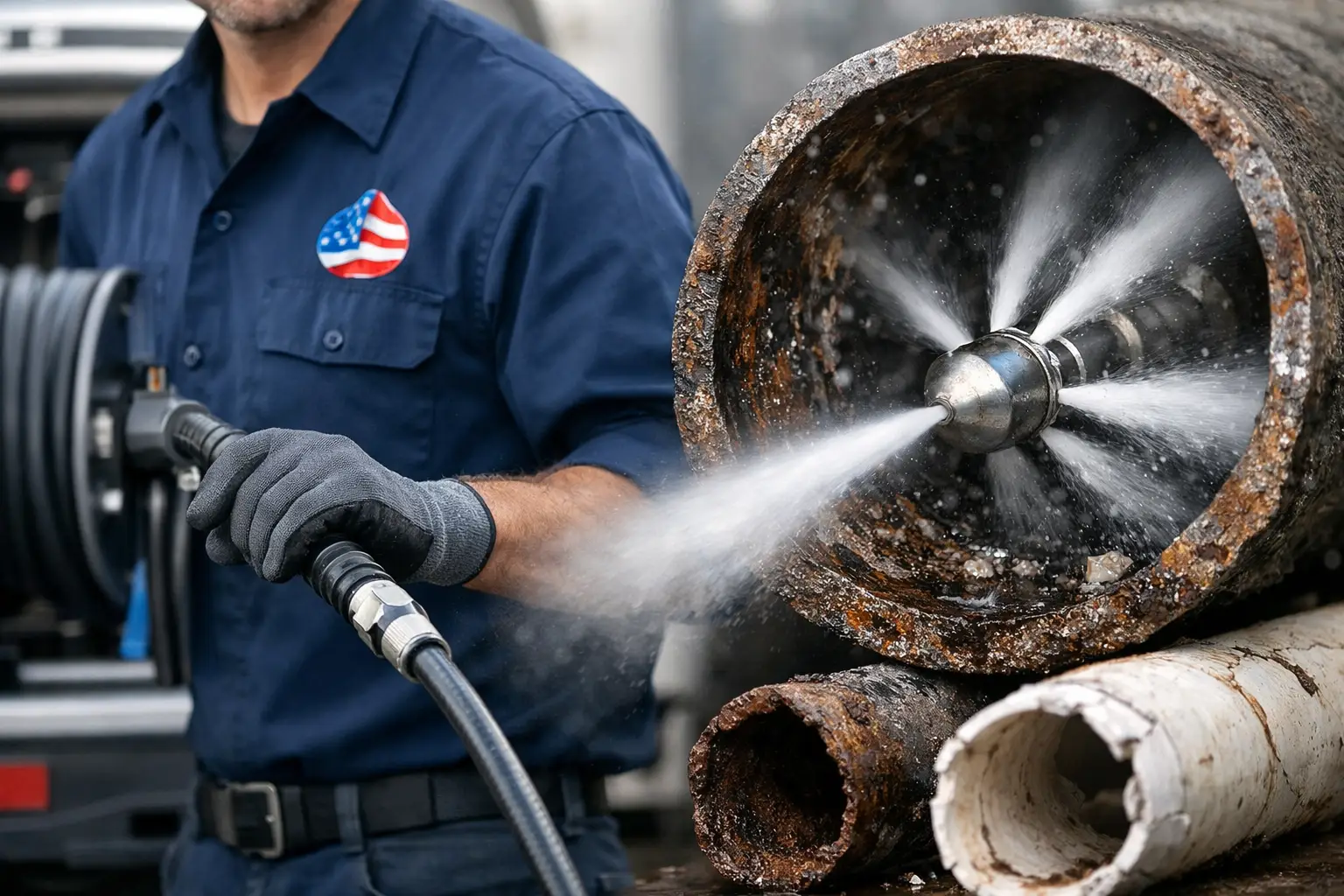
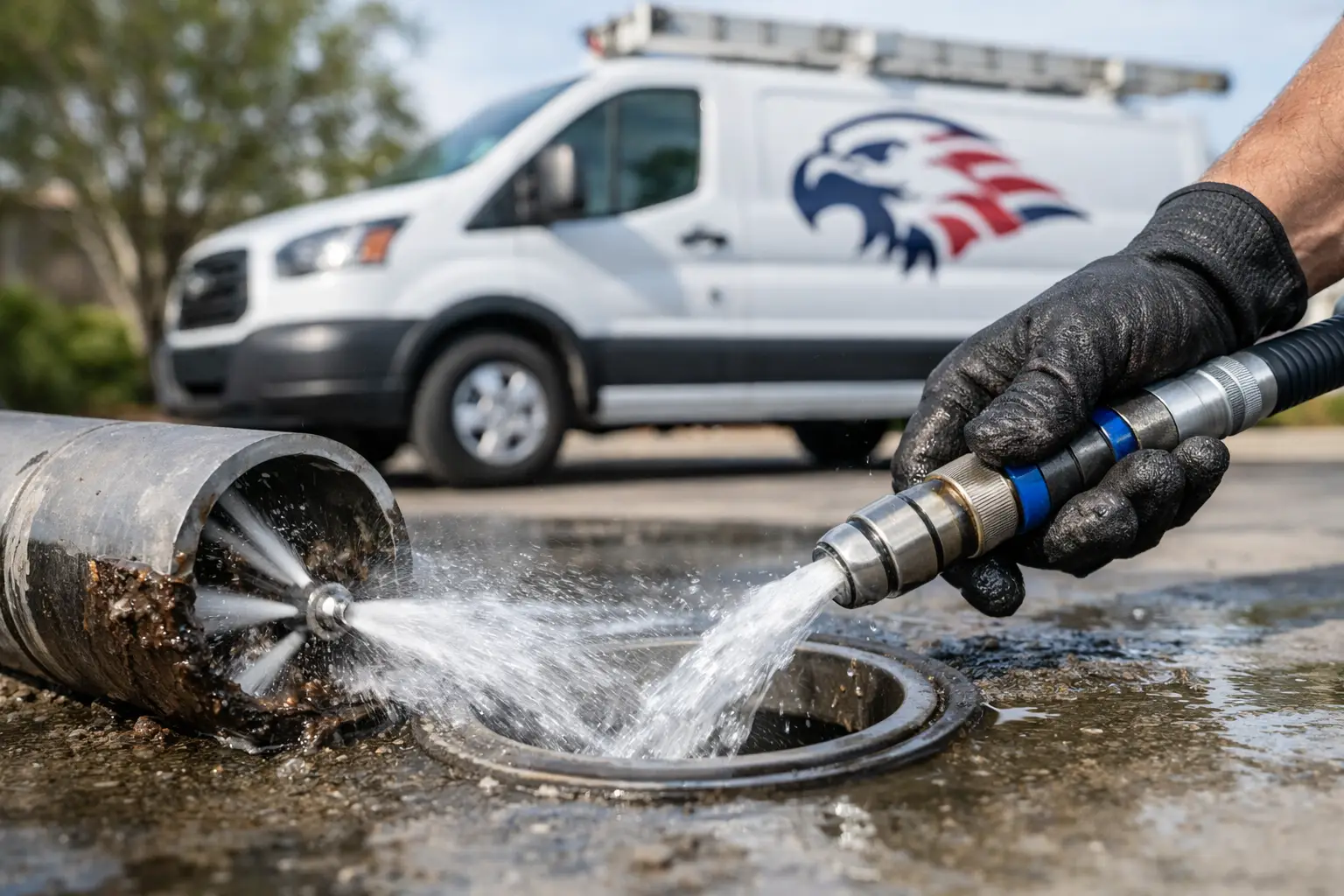
Professional drain cleaning is usually faster and more complete because the equipment is built for main lines, not small sink drains. In many cases, hydro-jetting is the better option. Instead of poking a hole through the clog, hydro-jetting scours the inside of the pipe with high-pressure water and removes grease, sludge, and root debris more thoroughly. It is not ideal for every pipe, though. If the sewer line is fragile or damaged, a plumber may recommend a camera inspection first to avoid stressing the pipe.
That is where experience matters. A service call should not just reopen the line for a few days. It should identify why the backup happened and what will prevent the next one.
How plumbers diagnose the real problem
The most efficient way to confirm a main sewer issue is to inspect the line with a sewer camera after flow is restored or while diagnosing the blockage. This shows whether the line has roots, buildup, offsets, cracks, or standing water from a belly in the pipe.
For a homeowner, that matters because the next step changes based on what the camera finds. Heavy grease may call for hydro-jetting. Root intrusion may need cutting, jetting, and a repair plan. A cracked or collapsed section may point to trenchless sewer replacement or spot repair instead of repeated drain cleaning.
A clear diagnosis also protects your budget. It is better to know whether you need routine maintenance, a one-time cleaning, or a larger repair than to keep paying for temporary openings.
Preventing the next main sewer backup
Once the line is open, prevention becomes a lot easier than emergency cleanup. Avoid flushing wipes, paper towels, hygiene products, or anything labeled flushable if it is not plain toilet paper. In the kitchen, keep grease and food scraps out of the drain. Even with a garbage disposal, the main sewer line is not designed to carry heavy grease or fibrous waste.
If your home has older sewer piping or a history of root intrusion, periodic sewer line inspection and cleaning can save you from another surprise backup. Some homes need maintenance more often than others. It depends on pipe age, landscaping, previous repairs, and how the plumbing is used.
For homeowners in Menifee and nearby communities, quick response matters when sewage is involved. A backed-up main line is not something to monitor for a few days. It is the kind of issue that can damage flooring, contaminate living areas, and shut down multiple bathrooms fast.
If you are trying to figure out how to clear main sewer backup, the safest rule is simple: stop water use, use the exterior cleanout if you have one, and do not force a DIY fix past your tools or comfort level. The goal is not just to get water moving again. It is to get your home back to normal without turning one clog into a larger repair.