A sewer problem rarely starts with a dramatic collapse in the yard. More often, it starts with one slow shower drain, a toilet that bubbles after flushing, or an odor that keeps coming back. Knowing when is sewer inspection needed gives you a chance to identify the source before wastewater backs up into the home or a small repair turns into a larger sewer line project.
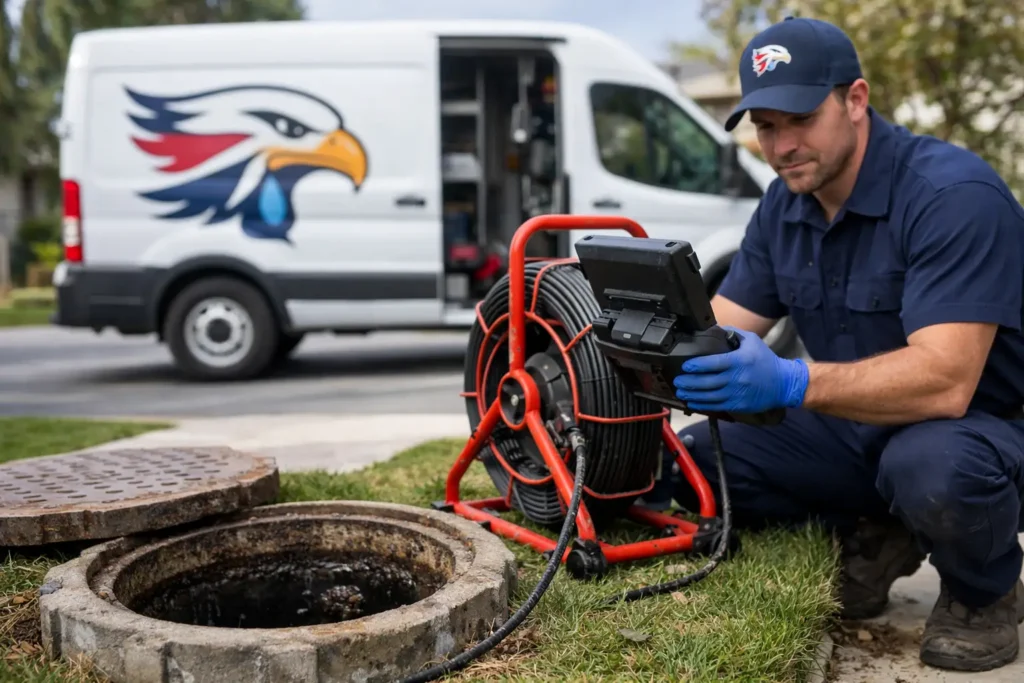
For homeowners in Menifee and nearby communities, a camera sewer inspection is the clearest way to see what is happening inside a buried line. It can reveal roots, buildup, cracks, separated connections, and sagging sections without guessing or digging up the yard first.
When Is Sewer Inspection Needed for a Home?
A sewer inspection is needed whenever several drains are acting up at once, when clogs keep returning after clearing, or when there is reason to suspect damage in the main sewer line. A single slow sink may be a local drain issue. But when the toilet, shower, and tub are all slow or backing up, the problem is more likely farther down the system.
You do not need to wait for a complete sewer backup to schedule an inspection. In fact, earlier inspection is usually the less disruptive and less expensive choice. A video camera allows a plumber to locate the obstruction or damaged section, determine how far it is from the house, and recommend the repair that matches the actual condition of the line.
1. Multiple Drains Are Slow or Backing Up
When more than one fixture drains slowly, the issue may be in the main sewer line rather than in an individual sink or tub drain. Pay close attention if flushing a toilet makes water rise in a shower drain, or if using the washing machine causes a nearby toilet to gurgle.
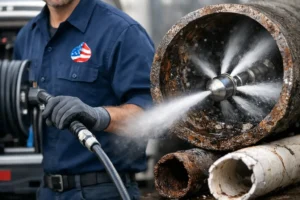
These are common signs that wastewater cannot move freely through the sewer line. Grease buildup, heavy scale, roots, or a partial collapse can restrict the pipe. A sewer camera inspection identifies the reason, which matters because the right solution could range from drain cleaning or hydro-jetting to a targeted repair.
2. Toilets Gurgle or Water Bubbles in Drains
Gurgling is not just an annoying sound. It often means air is being forced back through the plumbing because water is meeting a blockage downstream. You may hear it after flushing or while a large appliance drains.
One occasional sound does not always mean the sewer line is failing. Repeated gurgling, especially alongside slow drains or sewer odors, deserves prompt attention. An inspection can confirm whether the main line is partially blocked and help prevent a messy backup.
3. Clogs Keep Coming Back
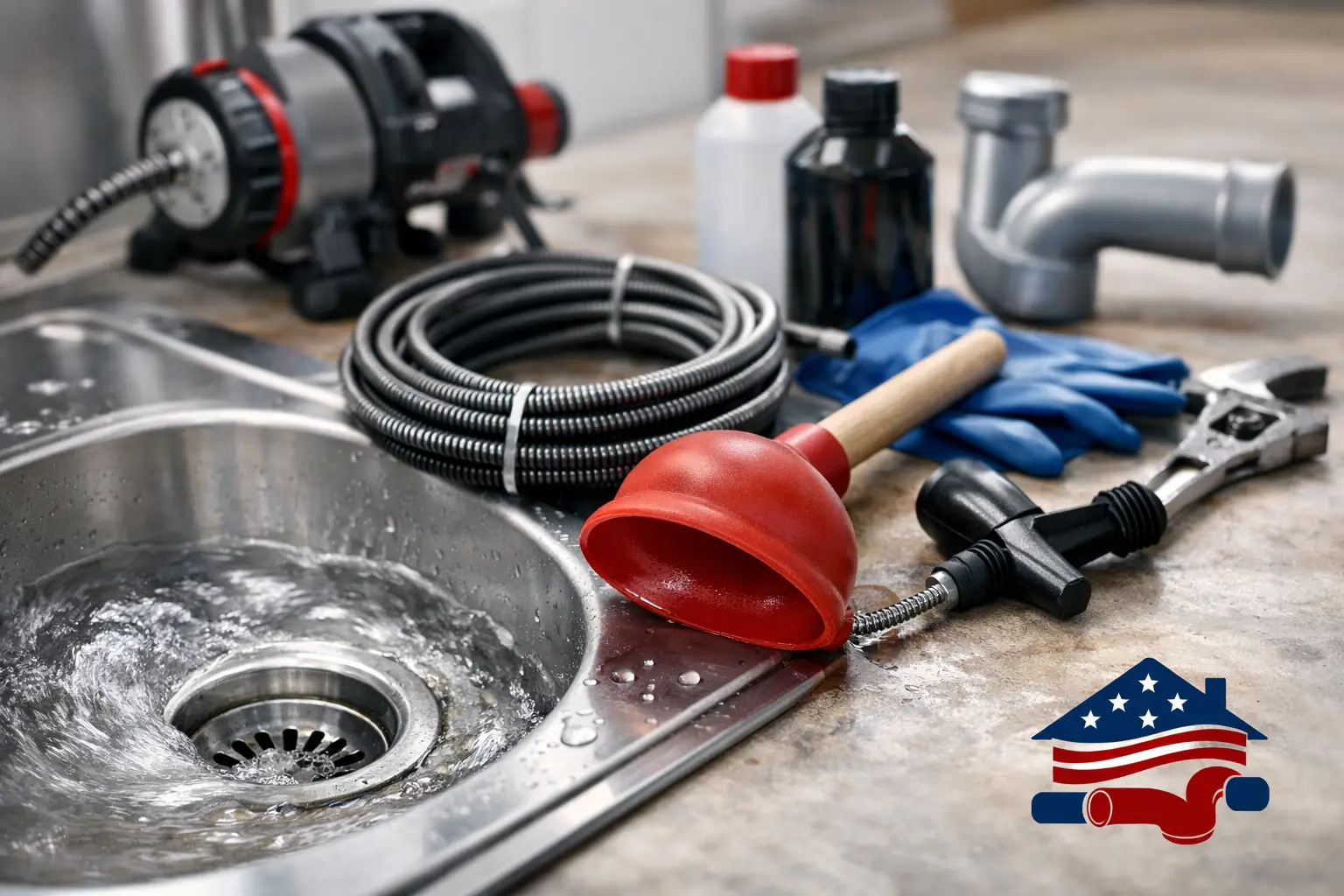
A plunger or drain cleaner can sometimes restore flow for a short time, but recurring clogs signal that the underlying issue has not been resolved. This is especially true when the same toilet or lower-level drain repeatedly stops up despite professional drain cleaning.
A camera inspection shows whether the pipe has root intrusion, a broken section, offset joints, or buildup that needs more than a basic cable machine. It also prevents homeowners from repeatedly paying for temporary clearing when a more lasting repair is needed.
4. There Is a Sewer Smell Inside or Outside
The smell of sewer gas inside a bathroom, laundry room, garage, or yard should not be ignored. Sometimes the cause is simple, such as a dry fixture trap. But a persistent odor may point to a cracked drain line, damaged sewer pipe, or a blockage that is allowing gases to escape.
If the odor appears with wet spots, slow drains, or backup symptoms, a sewer inspection is a practical next step. Finding the location early can limit water damage and help protect your home from unsanitary conditions.
5. You See Wet Spots, Sinkholes, or Unusually Green Patches
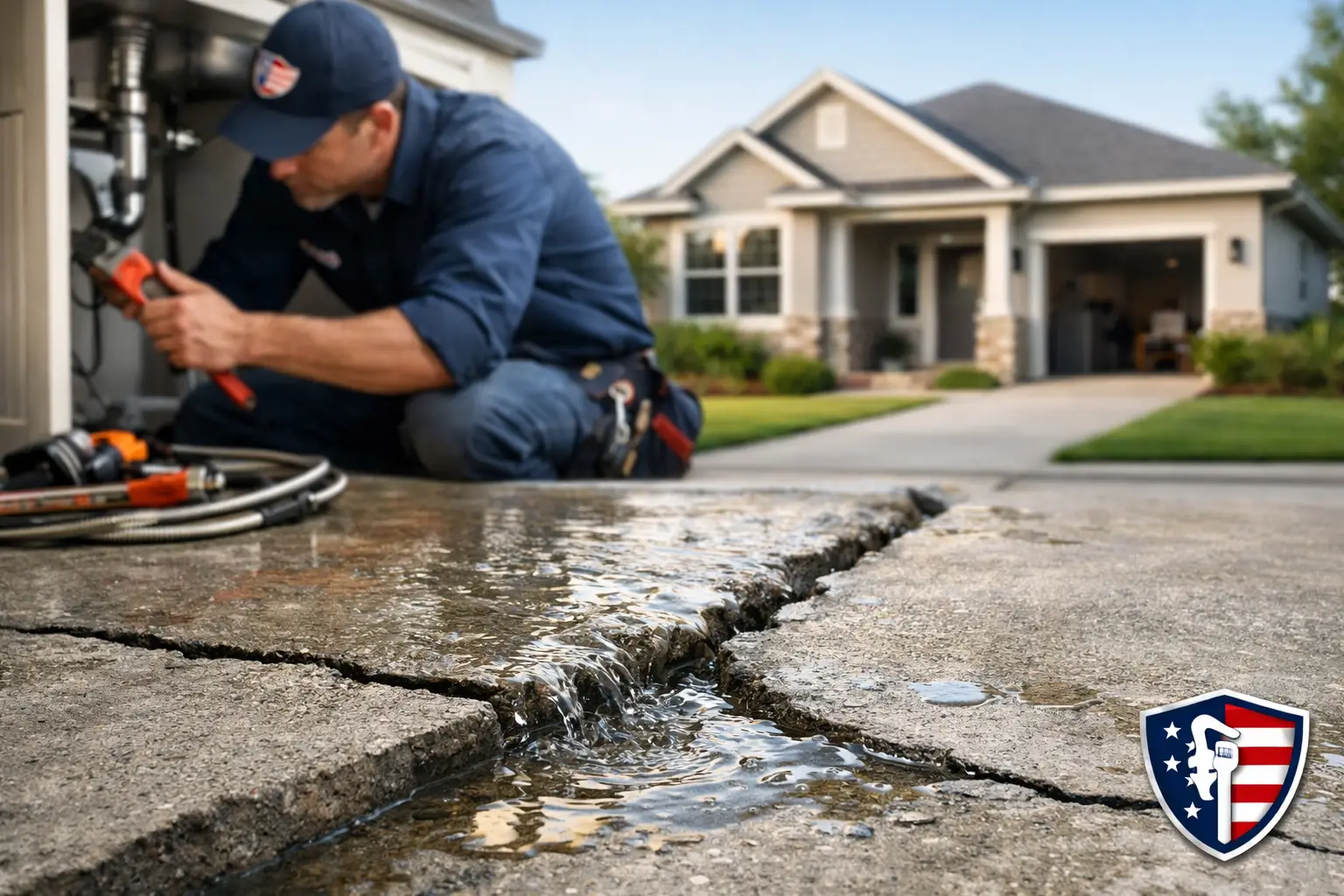
A leaking underground sewer line can saturate soil long before there is visible wastewater inside the home. Watch for soft ground, a depressed area in the yard, unexplained puddling, or one strip of grass that grows faster and greener than the surrounding lawn.
These signs do not automatically prove a sewer leak. Irrigation leaks and drainage problems can look similar. A camera inspection, sometimes paired with additional leak locating methods, helps narrow down the cause before excavation is considered.
6. Trees Are Growing Near the Sewer Route
Tree roots naturally seek moisture, and even a small opening at a sewer pipe joint can attract them. Once roots enter, they expand inside the pipe and catch toilet paper, debris, and grease. The result is a clog that may become more frequent over time.
Root intrusion is common in older sewer systems, but newer lines are not immune if connections shift or seals fail. If your home has mature trees near the sewer path and has started experiencing slow drains, an inspection can show whether roots are present and how severe the intrusion is.
7. Your Home Has Older Sewer Piping
Older homes may have cast iron, clay, Orangeburg, or aging galvanized components. The specific risk depends on the pipe material, installation quality, soil movement, and past repairs. Some older lines remain serviceable, while others can crack, corrode, deform, or separate at the joints.
If you do not know the age or material of your sewer line, a camera inspection provides useful information before a problem becomes urgent. It is also valuable after a major clog, even if the drain appears to be working again.
8. You Are Buying a Home or Planning Major Work
A standard home inspection may not include a detailed view inside the sewer lateral, the pipe that carries waste from the home to the public sewer connection. For a home purchase, particularly an older property or one with large trees, a sewer camera inspection can uncover problems that are otherwise hidden underground.
It is also wise before adding a bathroom, remodeling a kitchen, converting a garage, or increasing the number of people using the home. More fixtures and heavier water use can expose restrictions that were already developing in the line.
9. A Backup Has Already Happened
If sewage has backed up through a shower, tub, toilet, or floor drain, treat it as a plumbing emergency. Stop using water fixtures if possible until the cause is identified. Continuing to run water can send more wastewater into the home.
After the immediate blockage is cleared, a camera inspection is still useful. It confirms whether the backup was caused by a temporary obstruction or a pipe condition that will likely cause another failure. That distinction helps you decide whether cleaning is enough or whether repair or trenchless sewer replacement should be considered.
What Happens During a Sewer Camera Inspection?
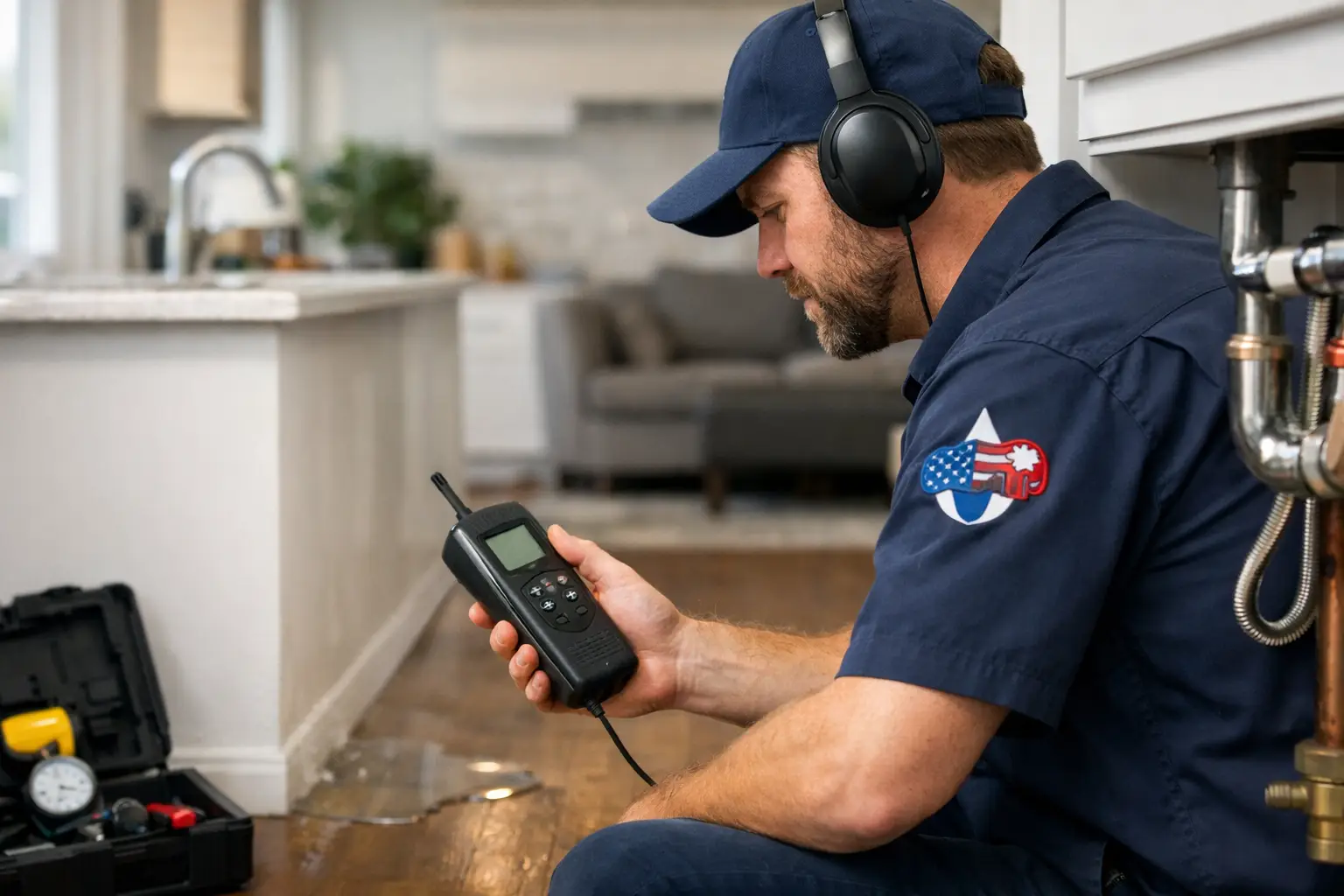
A plumber typically accesses the line through a cleanout, then feeds a specialized waterproof camera through the sewer pipe. The live video shows the interior condition of the line and helps locate issues with more accuracy than trial-and-error drain clearing.
The inspection can reveal buildup, root masses, pipe cracks, belly sections where waste collects, separated joints, and crushed or collapsed pipe. If the line is heavily blocked, it may need to be cleared first so the camera can travel through it and provide a complete view.
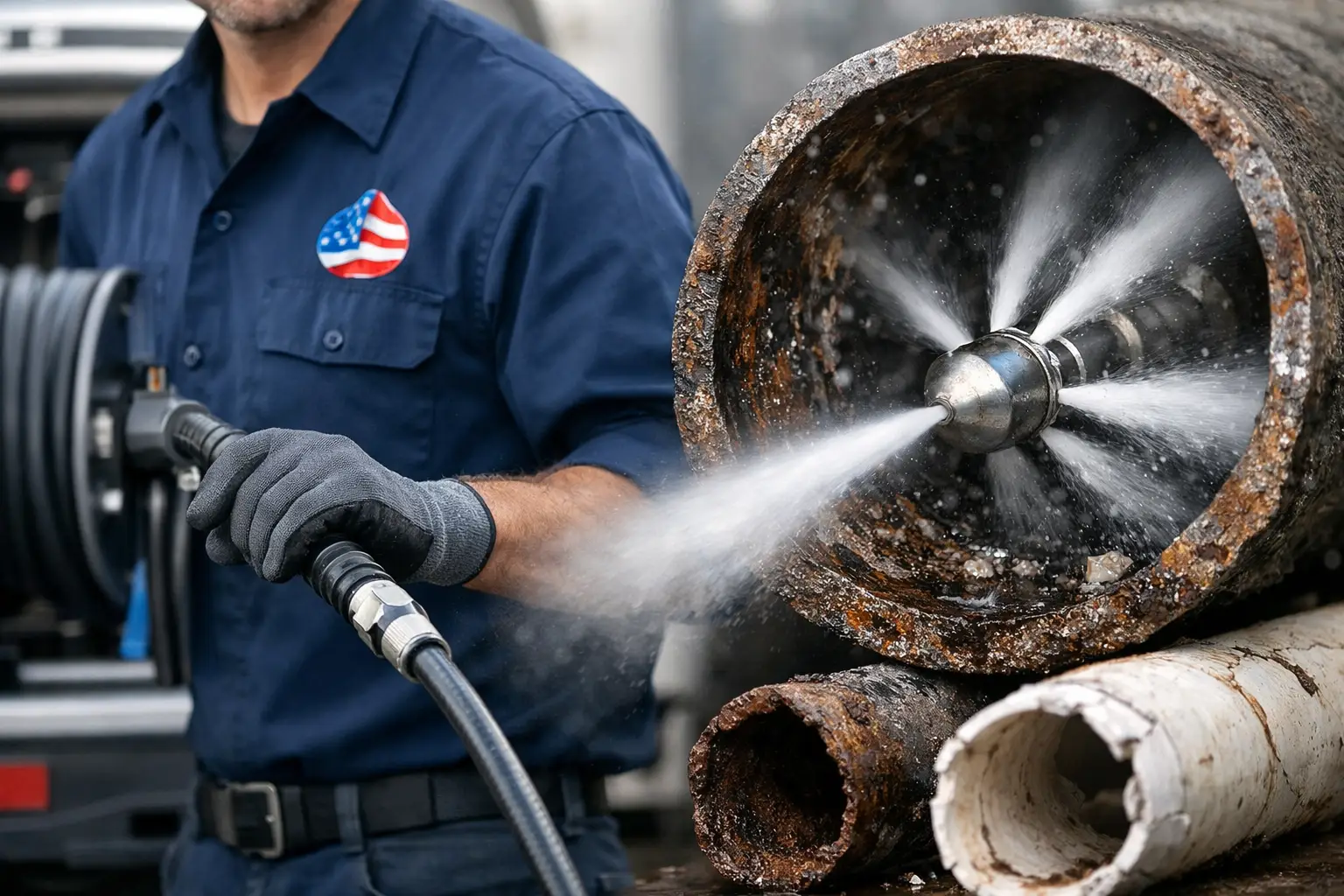
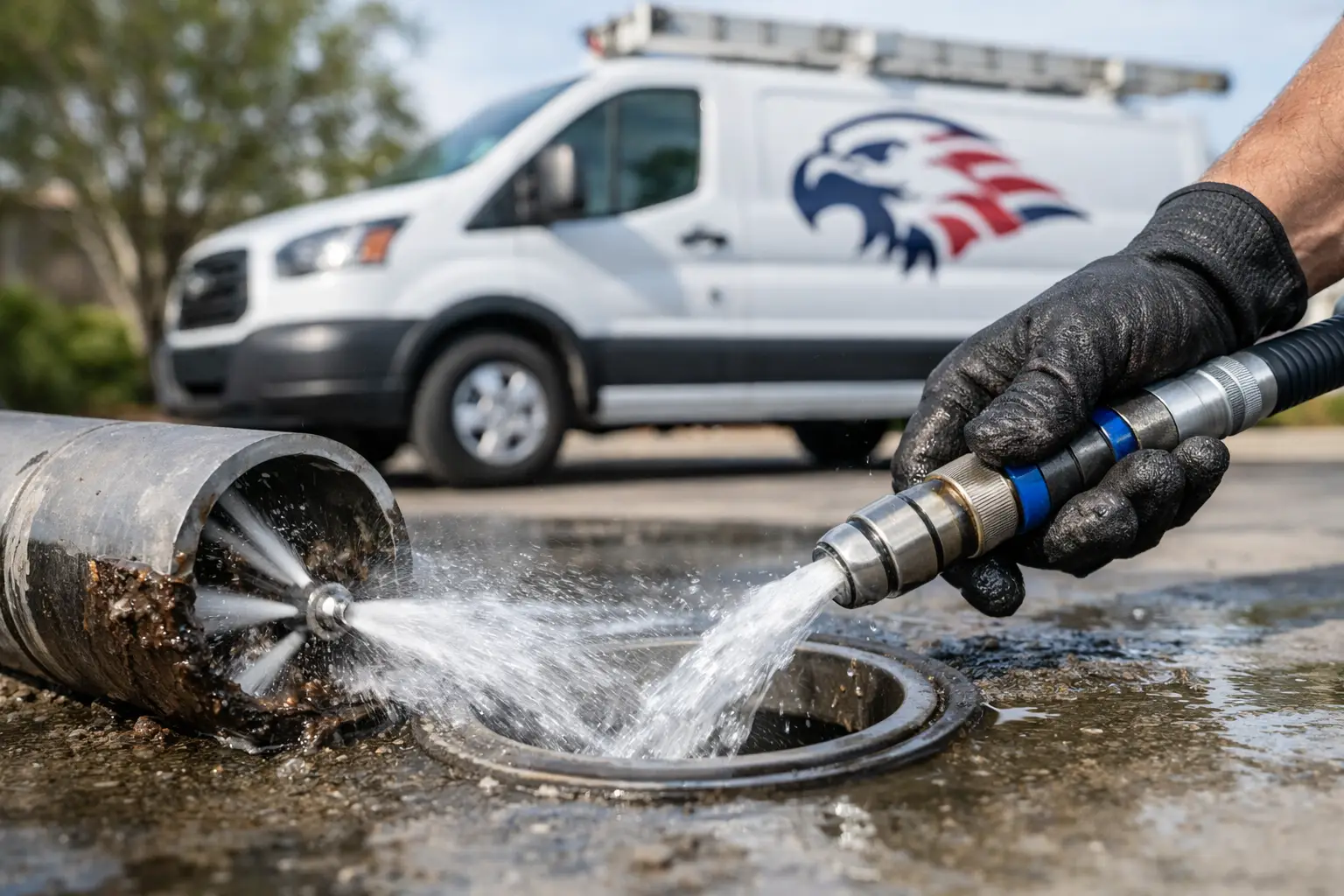
The next step depends on what the camera finds. Hydro-jetting may remove stubborn buildup and roots when the pipe is structurally sound. Localized repair may be appropriate for a limited damaged section. When a line is extensively deteriorated, trenchless replacement may reduce the need to disturb landscaping, driveways, or hardscape. The best option depends on the pipe condition, access, depth, and extent of damage.
Do Not Rely on Chemical Drain Cleaners for a Sewer Problem
Store-bought chemical cleaners are not a reliable fix for a main sewer obstruction. They often do little against roots, heavy scale, or a damaged pipe, and repeated use can create hazards for the people working on the plumbing later.
A plunger can help with a minor fixture clog, but it cannot show what is happening underground. When symptoms point to the main line, an inspection gives homeowners clear information and a repair plan based on evidence rather than assumptions.
If several drains are slow, you smell sewage, or a backup has started, act before the next load of laundry or shower pushes the problem further. American Plumbing Service can inspect the sewer line, explain what the camera shows in straightforward terms, and help you choose the most practical next step for your home.