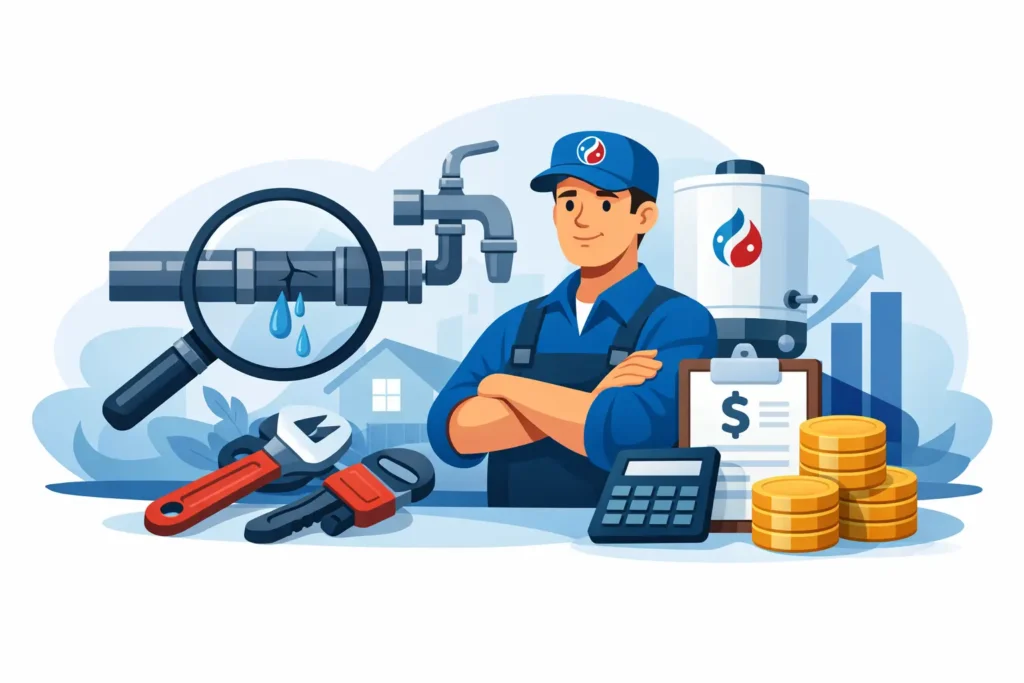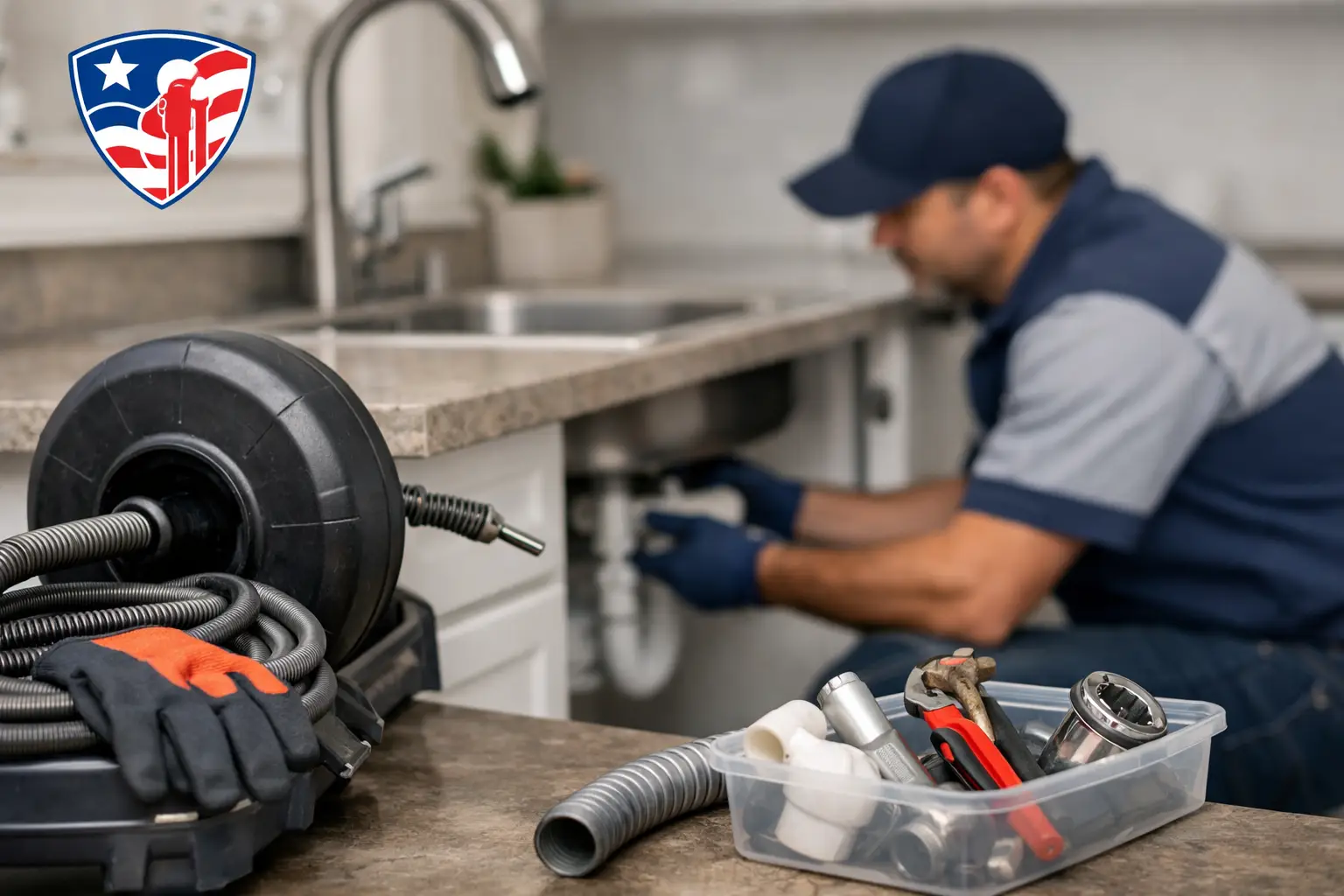
A dripping pipe under the sink can look minor right up until it stains the cabinet, warps the floor, or turns into a bigger leak overnight. If you are asking how much does a plumbing repair cost, the real answer depends on what is leaking, clogging, backing up, or failing – and how quickly it needs to be fixed.
For most homeowners, plumbing repair costs fall into a wide range because the work can be simple, hidden, urgent, or tied to bigger system issues. A loose fixture connection is very different from a slab leak. A drain clearing in one bathroom is not the same as a sewer line problem affecting the whole house. The good news is that most plumbing issues show patterns, and once a plumber diagnoses the source, you can usually get a straightforward estimate.
How much does a plumbing repair cost for common problems?
In many homes, smaller repairs may run from around $150 to $350, while moderate repairs often land between $350 and $900. Larger or more invasive plumbing repairs can reach $1,000 to several thousand dollars, especially when walls, concrete, underground lines, or major fixture replacements are involved.
That range sounds broad because plumbing work is not priced by symptom alone. A homeowner may call about low water pressure, but the cause could be a worn fixture, a corroded supply line, a pressure regulator issue, or a hidden leak. The repair cost follows the cause, not just the complaint.
Here are a few common residential examples.
A basic faucet repair or minor toilet repair is often at the lower end of the range if parts are simple and accessible. Drain cleaning for a localized clog may also stay fairly moderate unless the blockage is stubborn or deep in the line. Garbage disposal repairs vary based on whether the unit can be fixed or needs replacement.
Water heater repairs usually cost more because they involve gas, electric, venting, heating components, or safety controls. Leak detection can add cost up front, but it often saves money by identifying the exact issue before anyone starts opening walls or guessing. Sewer line and water line repairs are usually among the most expensive because of location, labor, and the potential need for excavation or trenchless methods.
What affects plumbing repair cost the most?
The biggest factor is the actual source of the problem. Plumbing systems are connected, so the visible issue is not always where the repair happens. A ceiling stain might come from a bathroom drain above, a supply line in the wall, or a roof-adjacent plumbing vent issue.
Accessibility matters almost as much as the repair itself. If the plumber can reach the pipe, valve, fixture, or cleanout quickly, labor stays lower. If the problem is behind tile, under a slab, in a crawl space, or underground, the job naturally costs more.
Urgency also changes the number. Emergency service, after-hours dispatch, active leaks, sewage backups, and no-hot-water situations often need immediate response. When a repair must happen fast to prevent property damage or restore essential water service, homeowners are paying for speed as well as the repair.
Parts and materials can shift the price too. Replacing a standard shut-off valve is one thing. Replacing specialty fixtures, pressure regulators, water heater parts, or damaged sections of pipe with updated materials is another. In older homes, one failed component may reveal that nearby parts are worn out too.
Typical plumbing repair categories and price ranges
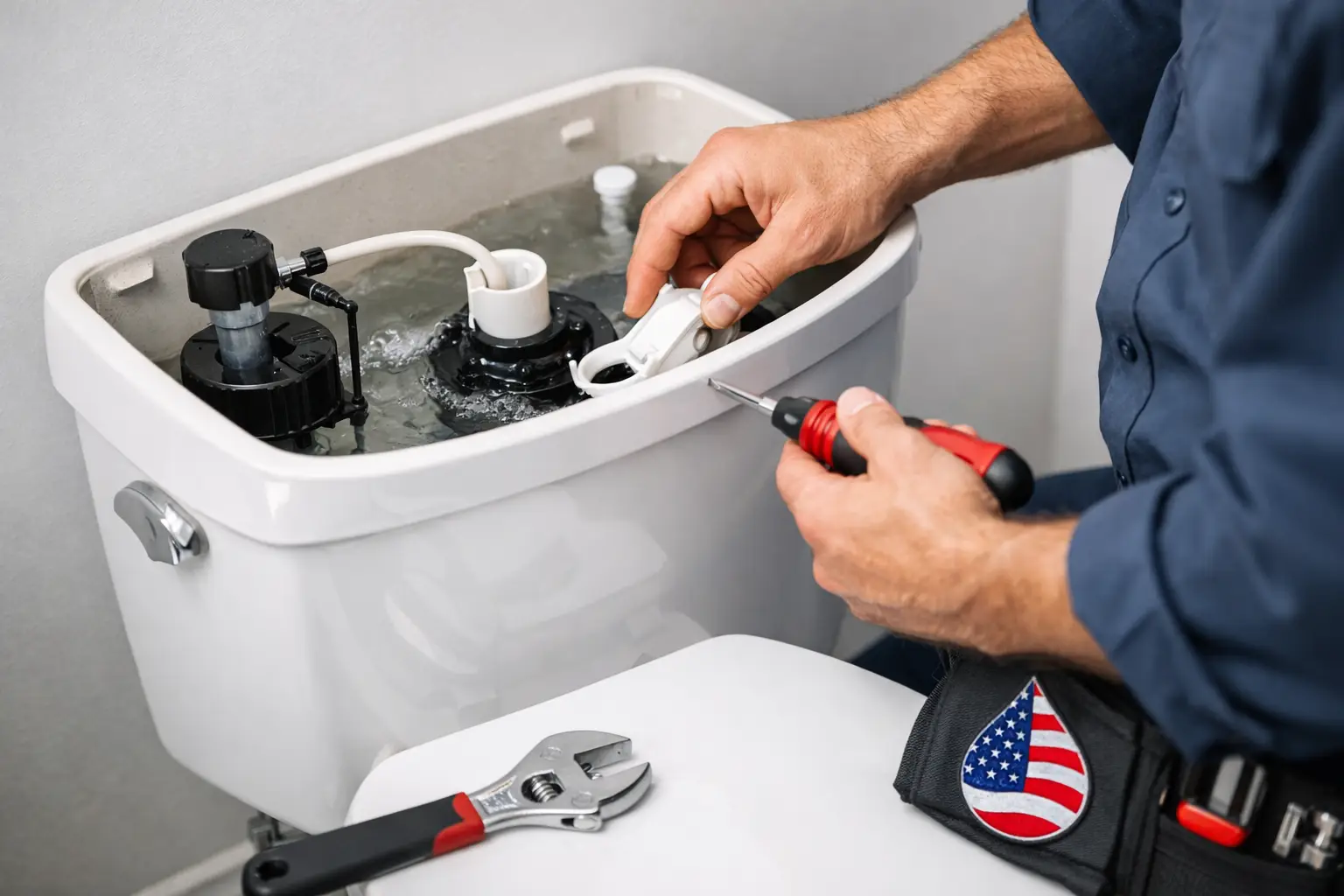
Minor fixture and visible leak repairs are usually the most affordable category. These include dripping faucets, running toilets, worn flappers, supply line issues, simple shut-off valve replacements, and small under-sink leaks. Many of these repairs are manageable in a single visit if the problem is caught early.
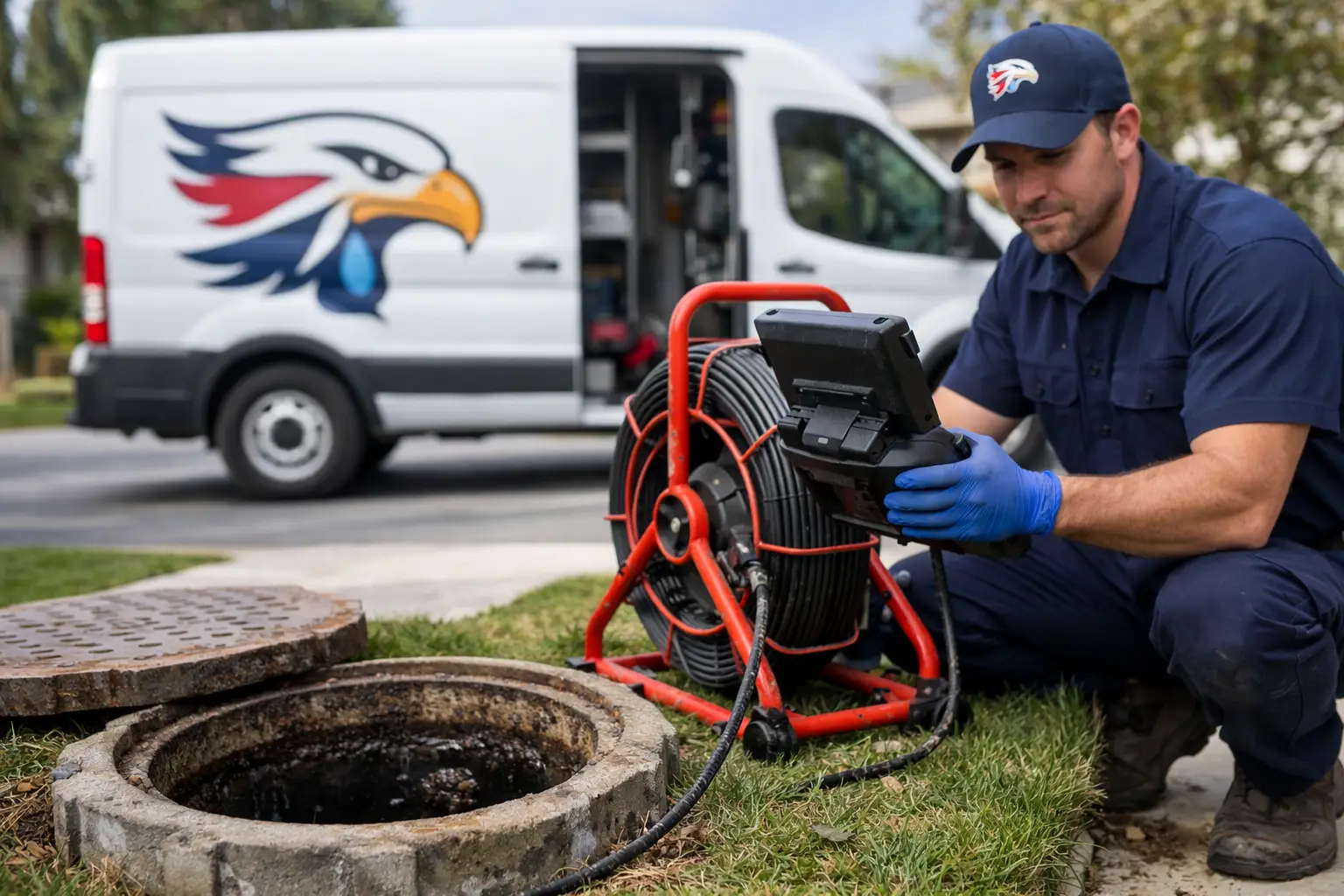
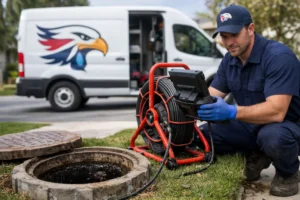
Drain and clog issues sit in the middle. A routine sink, tub, shower, or toilet clog may be relatively straightforward. But if recurring backups point to grease buildup, root intrusion, or a main line blockage, the work gets more involved. Hydro-jetting, camera inspection, or main sewer cleaning adds cost, but it also addresses the source instead of just treating the symptom.
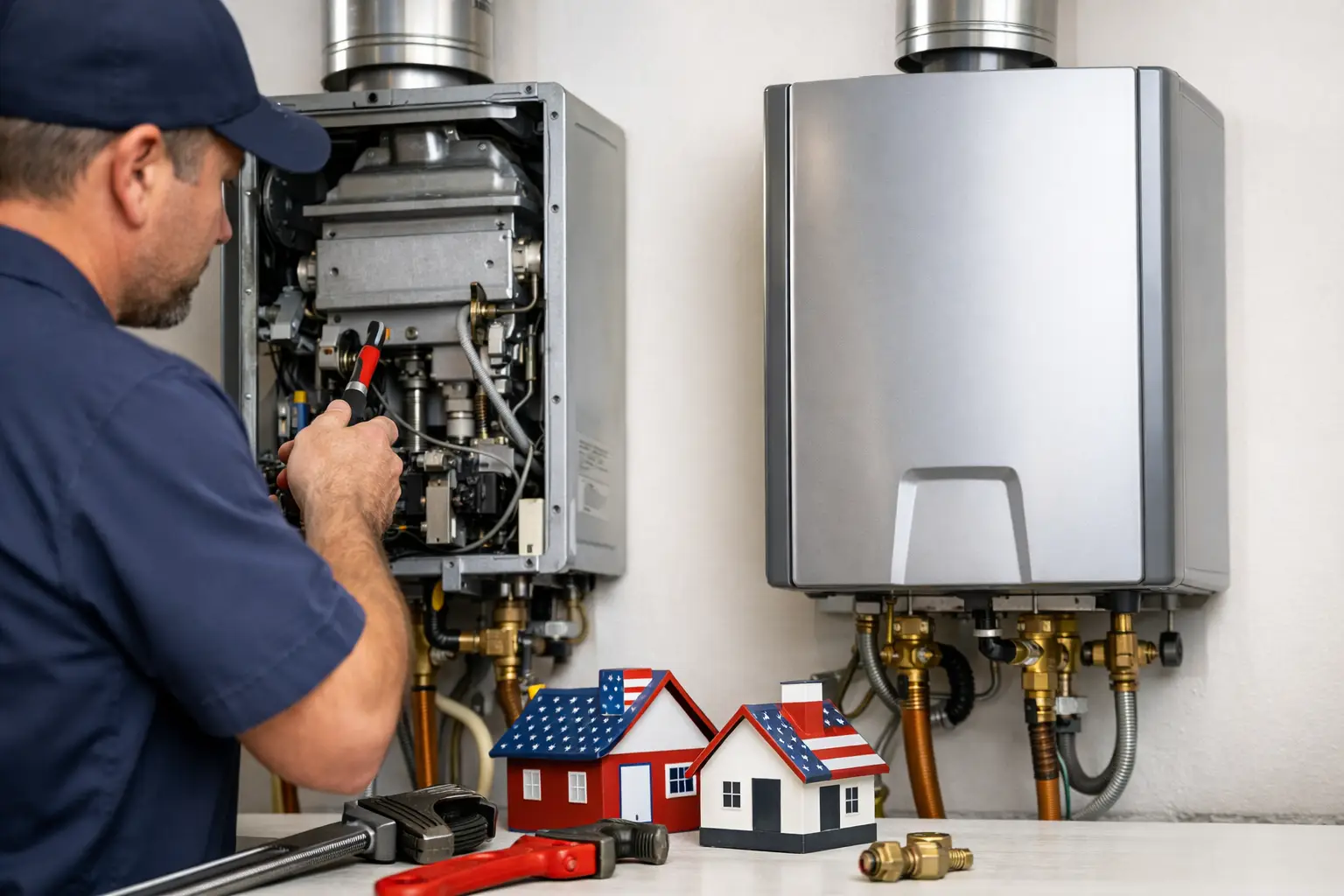
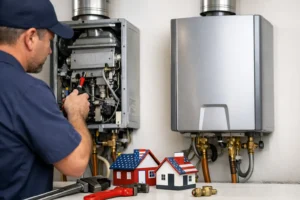
Water heater repairs can range from moderate to high depending on the issue. Replacing a thermocouple, heating element, or valve is very different from dealing with tank corrosion, improper venting, or a unit that is near the end of its service life. Sometimes the most cost-effective answer is replacement rather than repeated repair.
Leak detection and slab leak repair often come with more complexity. Finding the leak may require specialized equipment, and repairing it may involve rerouting, direct access, or multiple options with different price points. This is one area where a free onsite estimate is especially helpful, because homeowners need a clear picture of both the immediate fix and the longer-term impact.
Sewer and water line repairs are usually the highest-cost category. The line depth, pipe material, length of damage, root intrusion, and repair method all matter. Traditional excavation may cost less in some simple cases, but trenchless repair or replacement can reduce disruption to landscaping, driveways, and hardscaping.
Why one plumber may quote more than another
If you get two different numbers for the same problem, it does not always mean one is overcharging. One company may be quoting a short-term fix, while another is pricing the full repair needed to stop the issue from returning. That difference matters.
The scope of service can also vary. Does the estimate include diagnosis, parts, cleanup, testing, permit-related needs, or restoration access? Was the issue fully identified, or is the quote based on a quick assumption? The cheapest number is not always the best value if it leaves part of the problem untouched.
For homeowners, the better question is not just what it costs today. It is whether the repair is likely to hold, whether it protects the home from further damage, and whether the plumber explained the options clearly.
How to keep plumbing repair costs from climbing
Timing makes a big difference. Small leaks, slow drains, and inconsistent water pressure are often cheaper to handle than full failures. Waiting tends to turn repair work into damage-control work, and that is where costs rise fast.
It also helps to pay attention to repeat symptoms. If the same drain keeps clogging, the same area shows moisture, or your water heater keeps losing performance, there may be a deeper issue behind the visible problem. Treating the symptom over and over usually costs more than diagnosing it properly once.
Homeowners can also save money by choosing a company that handles a full range of residential plumbing issues. When one provider can diagnose, repair, inspect lines, and offer options for larger work if needed, the process tends to move faster and with less confusion.
When the repair cost means you should consider replacement
Not every repair is worth repeating. If an older water heater keeps failing, if pipes are deteriorating in multiple areas, or if sewer problems are becoming routine, replacement may be the better financial decision.
This is where honest guidance matters. A good plumber should explain when a repair makes sense, when replacement is more practical, and what each option means for your home and budget. Financing can also help when the right long-term fix is larger than expected.
What homeowners should do next
If you notice leaking, gurgling drains, low water pressure, sewer odors, rising water bills, or no hot water, do not wait for the issue to get more expensive. The fastest way to answer how much does a plumbing repair cost is to have the problem diagnosed on site, where the plumber can see the source, the access, and the repair options clearly.
For homeowners in Menifee and nearby Western Riverside County communities, that local response time can matter just as much as the repair itself. A clear estimate, same-day availability when possible, and practical recommendations help you solve the problem before it spreads to cabinets, drywall, flooring, or the rest of the plumbing system.
The best repair is not the one with the smallest number on paper. It is the one that fixes the problem fully, protects your home, and lets you move on without wondering when it will fail again.