Hot water usually becomes urgent at the worst possible time – right before work, during bath time, or when family is visiting. This water heater replacement guide is built for homeowners who need clear answers fast, whether the unit is already leaking or just starting to show its age.
If your water heater is failing, waiting too long can turn a manageable replacement into water damage, higher utility bills, or a full no-hot-water emergency. The right move depends on the age of the unit, the kind of failure, your fuel type, and how much hot water your household actually uses. A quick decision is good. A rushed decision without the right information usually costs more.
Water heater replacement guide: when repair stops making sense
Some water heater problems are worth repairing. Others are a sign the unit is near the end.
If you have no hot water, the issue could be a thermostat, heating element, pilot assembly, igniter, or breaker problem. Those repairs can be reasonable when the tank itself is still in good shape. But if the tank is leaking, rust is showing up in the hot water, or the system is more than 10 to 12 years old, replacement is usually the smarter investment.
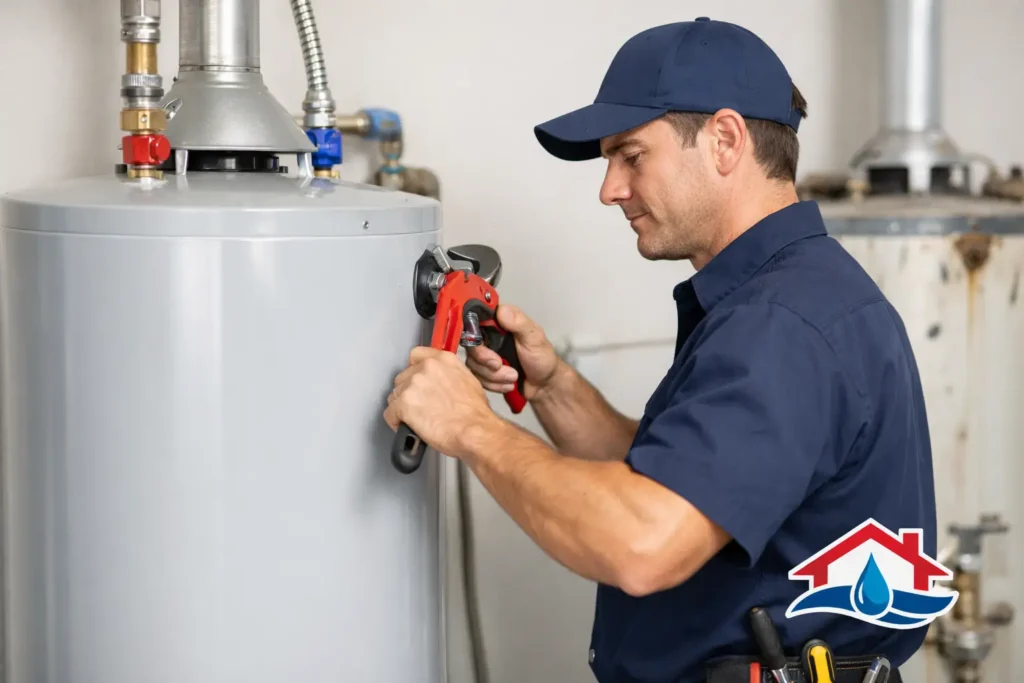
Age matters because tank-style units wear out from the inside. Sediment settles at the bottom, the tank works harder, and corrosion eventually wins. Once the tank body starts leaking, there is no real repair for that. At that point, replacement is not optional.
A few warning signs should move the issue up your priority list. Rumbling noises often mean heavy sediment buildup. Water around the base can point to a cracked tank or failing connections. Fluctuating water temperature can mean internal wear, not just a small part failure. And if your hot water runs out much faster than it used to, your unit may no longer be keeping up with normal demand.
Should you replace now or wait for total failure?
For most homeowners, replacing a struggling unit before it fails completely is the better call. It gives you time to compare options, schedule the work, and avoid being forced into a same-day emergency decision.
There are exceptions. If the water heater is fairly new and the problem is limited to a replaceable component, repair can buy you more years at a reasonable cost. But if the unit is older and repairs are stacking up, each service call puts money into a system that is already on borrowed time.
Think about the bigger cost, not just the immediate invoice. A leaking tank can damage drywall, flooring, baseboards, garage storage, or anything nearby. Emergency replacement also limits your choices. You may end up selecting whatever is available that day instead of the best fit for your home.
Choosing the right replacement water heater
The best replacement is not always the biggest tank or the cheapest unit. It needs to match your household size, usage habits, available space, and utility setup.
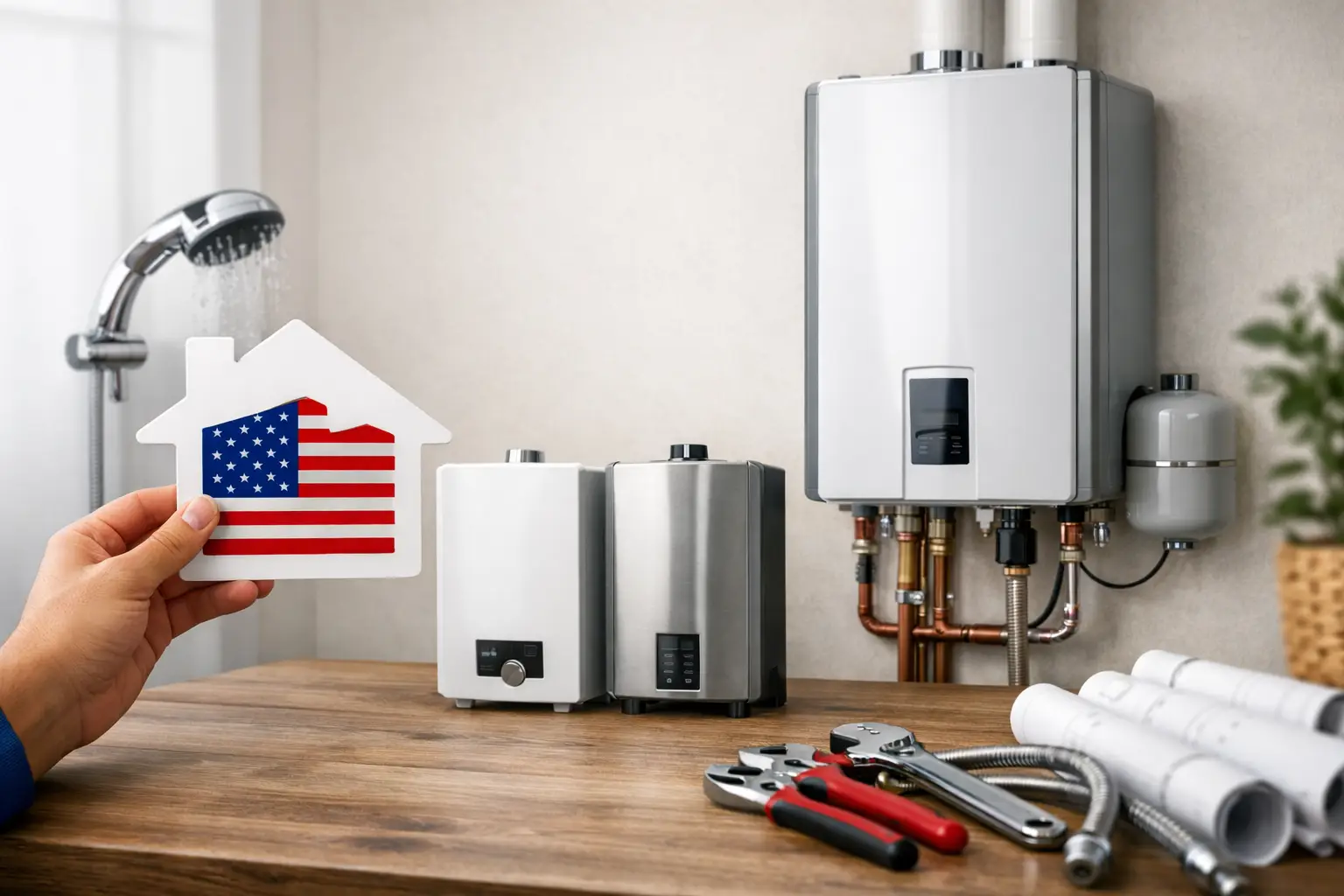
Tank water heaters
Traditional tank water heaters are still the most common choice in residential homes. They usually cost less upfront and are straightforward to replace when your home is already set up for one. For many families, a standard gas or electric tank unit is the most practical option because installation is familiar, parts are widely available, and performance is predictable.
The trade-off is standby heat loss. Since the unit stores hot water all day, it uses energy even when you are not actively drawing from it. Tank systems also have a limited supply. Once the stored hot water is used up, recovery takes time.
Tankless water heaters
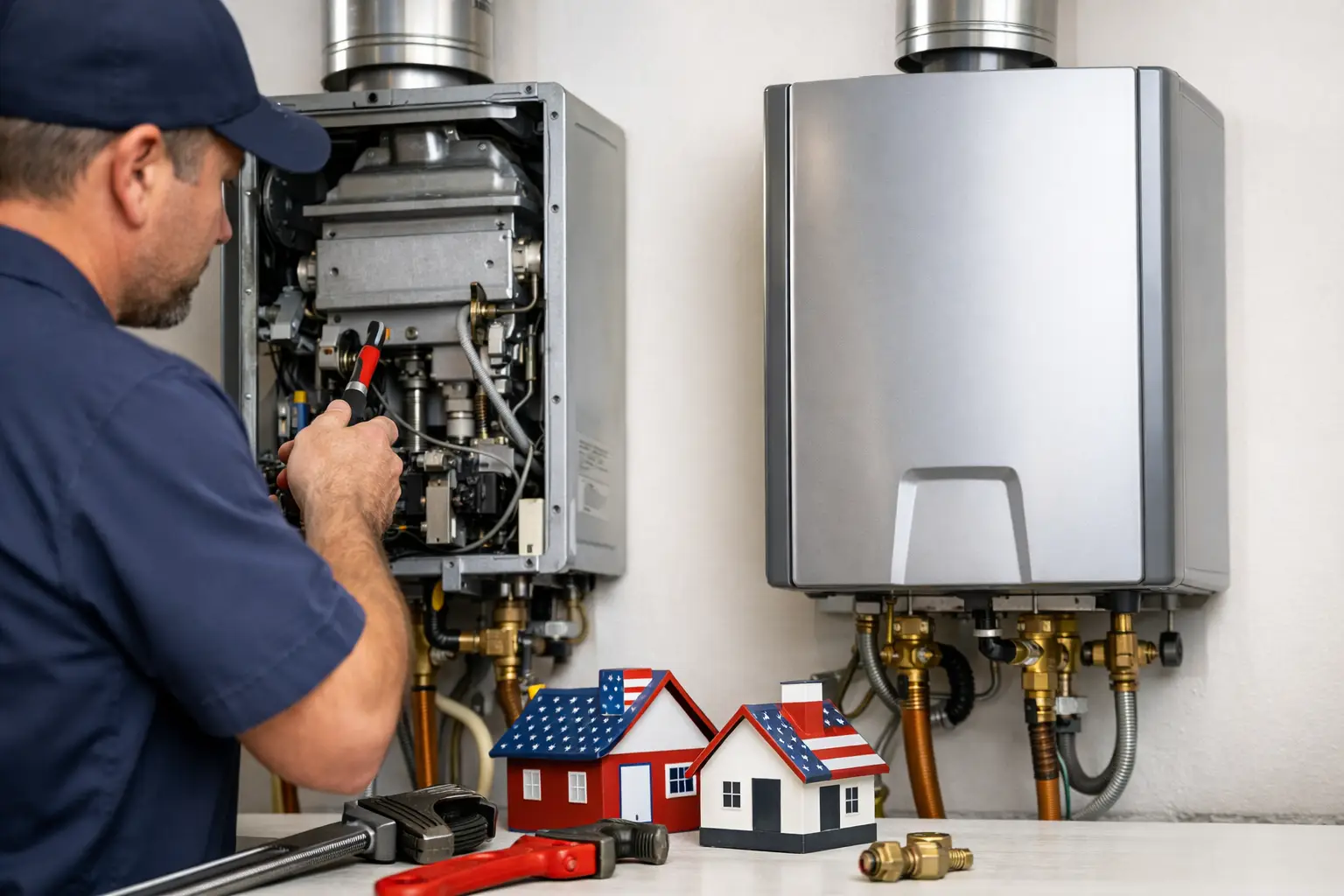
Tankless systems heat water on demand, which means no large storage tank and no waiting for a full tank to reheat. They are attractive for homeowners who want improved efficiency, longer service life, and a continuous hot water supply for back-to-back showers.
That said, tankless is not automatically the better fit for every home. Installation can be more involved, especially if gas line upgrades, venting changes, or electrical work are needed. The upfront cost is often higher. In some homes, that investment makes sense. In others, a properly sized tank unit delivers the best value.
Gas or electric
If your current system is gas, staying with gas is usually the simplest path. Gas water heaters tend to recover faster, which matters for larger families. Electric units can still be a solid choice, especially where gas is not available or installation factors make electric more practical.
Changing fuel types is possible, but it adds complexity. It may require panel capacity checks, gas piping work, ventilation adjustments, or permit considerations. If your goal is fast, cost-effective replacement, like-for-like is often the smoothest route.
Sizing matters more than most homeowners expect
An oversized unit increases energy use. An undersized one creates daily frustration.
A one- or two-person household may do well with a smaller tank, while a family with multiple bathrooms, teenagers, or frequent laundry needs more capacity and faster recovery. Tankless sizing depends on flow rate, not tank size, so it has to be matched carefully to your peak demand. If two showers, a dishwasher, and a washing machine may run close together, that needs to be part of the calculation.
This is where many replacement mistakes happen. Homeowners often assume the existing unit was correctly sized in the first place. Sometimes it was not. If your old system always struggled, replacement is a good time to correct that.
What affects water heater replacement cost?
Homeowners usually want a quick number, but the real answer depends on the installation conditions as much as the equipment itself.
The unit type, capacity, fuel source, brand, efficiency level, and warranty all affect price. So do labor factors such as access, code upgrades, expansion tank requirements, drain pan needs, venting adjustments, seismic strapping, water line changes, gas valve work, and disposal of the old heater.
A basic swap in the garage is very different from replacing a failed unit in a tight attic space or converting from tank to tankless. If the old installation does not meet current code, those corrections often need to happen during replacement. That is not upselling. It is part of making the new system safe and compliant.
For homeowners comparing estimates, the lowest quote is not always the lowest final cost. Ask what is included. A clear estimate should spell out the equipment, labor, removal of the old unit, any required upgrades, and expected timeline.
How long replacement takes
In many homes, a standard water heater replacement can be completed the same day once the right equipment is available. More involved projects take longer, especially if there are code issues, fuel conversion changes, or tankless upgrades.
If your current unit is actively leaking, time matters. Shut off the water supply if needed and avoid storing valuables near the heater. If you smell gas near a gas water heater, leave the area and treat it as an urgent safety issue.
Fast service matters here because hot water is a daily necessity, not a luxury. Families need a plumber who can assess the problem quickly, explain the options plainly, and move from estimate to replacement without dragging the process out.
Water heater replacement guide: what to ask before you approve the job
Before you move forward, make sure you know what you are getting.
Ask whether the quoted model is sized for your household, whether the install includes code-required updates, and whether the old unit will be hauled away. Ask about warranty coverage on both the equipment and labor. If you are considering tankless, ask what upgrades may be required so there are no surprises after the job starts.
It also helps to ask what condition the plumber found around the installation area. Corroded shutoff valves, outdated connectors, poor venting, or drain issues can all affect the replacement. A dependable plumbing company should be direct about what is necessary, what is optional, and what can wait.
How to make the replacement easier on your home and budget
If your current water heater is old but still running, planning ahead gives you an advantage. You can compare options without emergency pressure, choose a model that fits your actual needs, and schedule the work at a convenient time.
Budget matters too. For many households, financing can make a needed replacement easier to handle, especially when the failure was unexpected. What most homeowners want is simple: a straightforward estimate, quality work, and hot water restored without unnecessary delays.
If you live in Menifee or a nearby community and your water heater is showing signs of failure, the smartest next step is to have it evaluated before a small issue turns into a leak or full shutdown. A good replacement should solve the problem for years, not just get you through this week.
Hot water problems rarely improve by waiting, and the best time to replace a failing water heater is usually before it decides for you.