A pipe problem rarely starts at a convenient time. It shows up when you are getting kids ready for school, heading out the door, or trying to get through dinner without another house issue. That is why this guide to emergency pipe repair focuses on the first moves that protect your home, limit water damage, and help you decide when a quick temporary fix is enough and when you need a plumber right away.
What counts as a pipe emergency?
Not every plumbing issue is an emergency, but some situations should move to the top of your list fast. A burst pipe, a pipe leaking through a wall or ceiling, water pooling near electrical outlets, sudden loss of water pressure throughout the house, or signs of a slab leak can all cause damage that gets more expensive by the hour.
A smaller drip under a sink may not seem urgent, but it depends on where the water is going and how quickly it is building up. If a leak is contained in a cabinet and you can shut off that fixture, you may have a little breathing room. If water is reaching flooring, drywall, or nearby wiring, the problem shifts from annoying to urgent.
Gas line issues are different. If you suspect a gas leak, leave the home, avoid switches or flames, and contact the proper emergency source immediately. That is not a wait-and-see situation.
Your first steps in an emergency pipe repair situation
The most important action is stopping the flow of water. If the leak is isolated to a sink, toilet, or appliance, shut off the nearest valve first. If that does not stop the leak, or if you cannot tell where the water is coming from, turn off the main water supply to the house.
Every homeowner should know where that main shutoff is before an emergency happens. In many homes, it is near the front hose bib, garage, or water meter. If you have never located it, this is a good reminder to do that before the next problem.
Once the water is off, turn your attention to protecting the area. Move rugs, electronics, boxes, and furniture out of the path of water. Use towels, buckets, or a wet vacuum if you have one. If water is close to outlets, extension cords, or appliances, shut off power to that area only if you can do it safely.
Then take a breath and look at the source. You are not trying to diagnose the whole plumbing system. You just need enough information to explain what happened and decide whether a temporary repair is realistic.
A practical guide to emergency pipe repair options
Temporary repair has one job – slow or stop water long enough to prevent further damage until a professional repair can be completed. It is not a permanent solution, and trying to make it one usually leads to a second emergency.
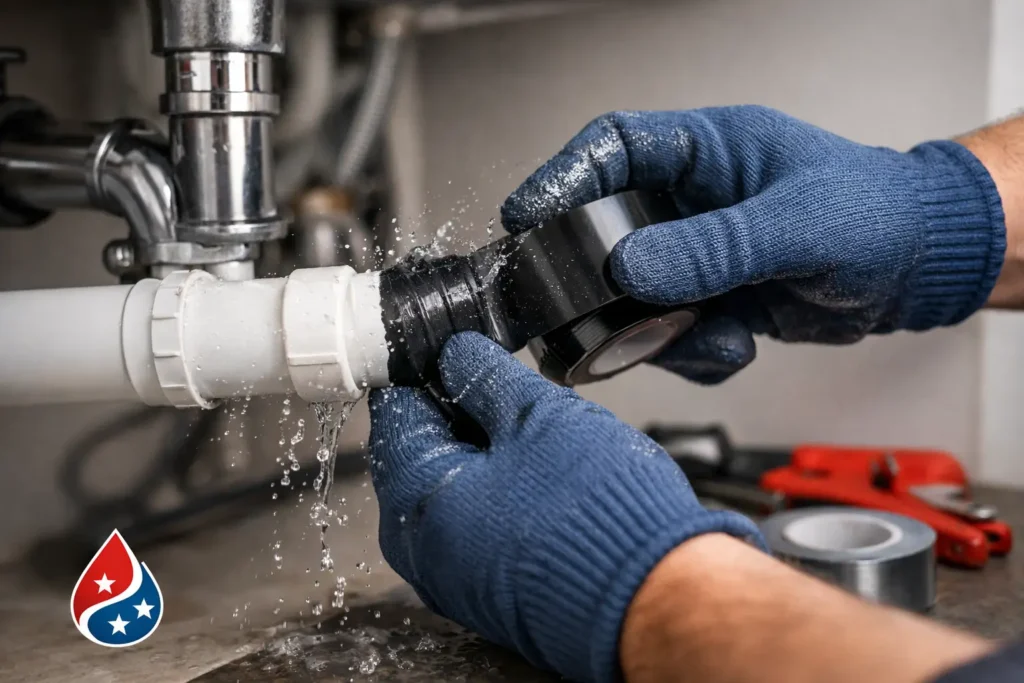
If the leak is coming from a small crack or pinhole in an exposed pipe, pipe repair tape, a pipe clamp, or epoxy putty may help for a short period. These products work best on clean, dry, accessible pipe sections. That last point matters. If the pipe is behind drywall, under flooring, or already corroded along a wider section, a patch may not hold.
For a loose supply line connection under a sink, a gentle tightening may reduce the leak. Gentle is the key word. Overtightening can crack fittings or strip threads, which turns a minor repair into a larger one.
If a pipe has split, separated, or burst, skip the hardware store experiment. Keep the water off and call for service. The same goes for recurring leaks. When a pipe leaks in one spot, there is sometimes a larger issue with pressure, age, corrosion, or poor installation somewhere behind it.
When a temporary fix is a bad idea
Homeowners often want to buy time, and that makes sense. But there are situations where do-it-yourself repair creates more risk than relief.
A slab leak is one of them. If you hear water running under the floor, notice warm spots, see cracks, or your water bill jumps without explanation, the problem may be under the concrete. That is not something tape or sealant will solve.
Leaks inside walls are another red flag. Water can travel farther than most people expect, soaking insulation, framing, drywall, and flooring before the stain finally appears. By the time you see it, the leak may have been active for a while.
Sewer line and drain line problems also get mistaken for basic pipe leaks. If water backs up from tubs, showers, or toilets, the issue may be a blockage or sewer problem rather than a pressurized supply pipe. The response is different, and delaying the right diagnosis can spread contamination and damage.
What your plumber will need to know
When you call, a clear description helps the repair move faster. Start with whether the water is currently off, where the leak appears to be, and whether it is affecting one fixture or the whole house. Mention anything unusual, such as low water pressure, discolored water, sounds in the wall, or water showing up on floors or ceilings.
If you know the pipe material, share that too. Copper, PEX, and older galvanized pipes can fail in different ways. If you do not know, that is fine. A simple photo can often help clarify the situation.
This is also the time to mention access issues. If the leak is in the attic, crawl space, behind a washing machine, or under a bathroom vanity, saying that upfront helps your plumber prepare.
The most common emergency pipe repair situations at home
In residential service, a few problems show up again and again. Burst pipes are the obvious one, especially after pressure changes, age-related wear, or accidental damage during other work. Supply line leaks under sinks and behind toilets are also common because those connections handle daily use and can loosen or deteriorate over time.
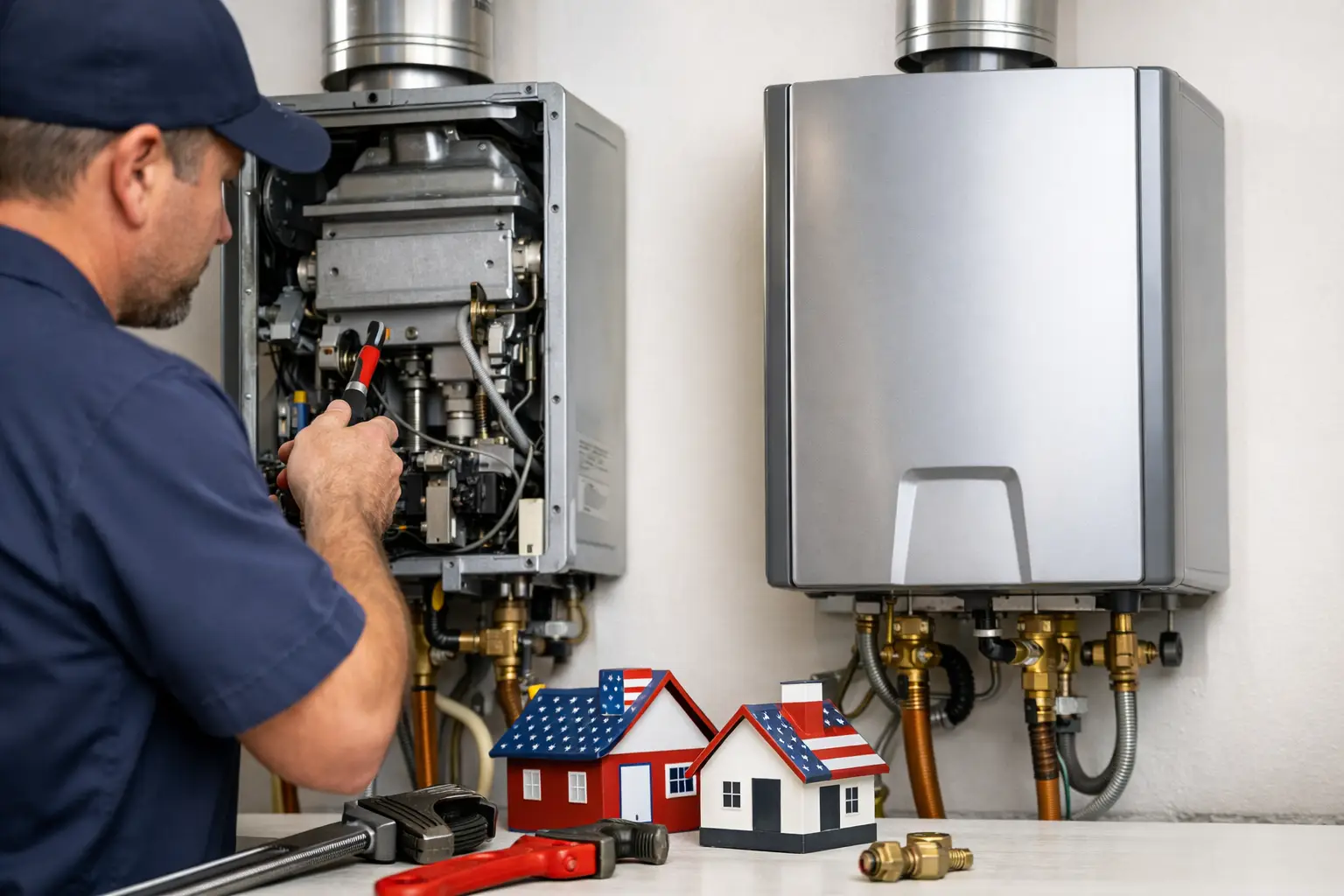
Water heater connection leaks are another issue homeowners notice suddenly. Sometimes the problem is a fitting or supply line. Sometimes the unit itself is failing, which changes the repair approach entirely.
Outdoor line leaks can be trickier because they may appear first as soggy landscaping, unexplained puddles, or a sharp increase in the water bill. The damage may not look dramatic at first, but those leaks waste water fast and can undermine hardscaping or foundations over time.
Then there are hidden leaks that present as stains, odors, warped flooring, or mold growth. Those are often the most frustrating because the source is not obvious. Leak detection matters here. Repairing visible damage without finding the actual leak just means the problem will come back.
How to reduce damage while you wait for service
Once you have shut off the water and reported the issue, focus on drying and containment. Open cabinet doors if pipes are inside so trapped moisture can escape. Run fans if the area is safe and dry enough for power. Place aluminum foil or blocks under furniture legs if flooring is wet to reduce staining and swelling.
Avoid using other fixtures until you know the problem is isolated. A leak in one bathroom may seem separate, but plumbing systems are connected, and using water elsewhere can make the situation worse depending on the break.
If the leak affected a ceiling, do not ignore bulging drywall. Water can collect above and create a collapse risk. In some cases, controlled drainage may be necessary, but that is best handled carefully to avoid spreading the damage further.
How to prevent the next emergency
The best emergency pipe repair is the one you never need. That usually comes down to catching warning signs early. Watch for small leaks, rust-colored water, shifting water pressure, damp cabinets, soft drywall, and unexplained increases in your water bill.
Older homes deserve extra attention, especially if piping has never been updated. A single repaired section can solve the immediate problem, but if leaks start happening more often, it may be time to discuss whether spot repair still makes sense. Sometimes it does. Sometimes replacing a failing section saves money and stress over the next few years.
Routine inspections also help homeowners who have had slab leaks, recurring drain issues, or past water damage. In areas like Menifee, Murrieta, and Temecula, where busy households rely on plumbing every day without much thought, prevention usually costs less than cleanup.
If you are facing an active leak, fast action matters more than a perfect diagnosis. Shut off the water, protect the area, and get the right repair started before a pipe problem turns into a flooring, drywall, and mold problem too.