Hot water usually gets your attention only when it is gone. One lukewarm shower, a flashing error code, or a tankless unit that keeps shutting down is enough to turn routine maintenance into an urgent problem. That is why a practical guide to tankless water heater maintenance matters for homeowners who want fewer surprises, lower repair costs, and a system that keeps up with daily demand.
Tankless water heaters are built for efficiency, but they are not maintenance-free. They heat water on demand, which helps save space and reduce standby energy loss, but minerals in the water, burner issues, clogged filters, and venting problems can still affect performance. If the unit is ignored for too long, small issues can turn into no-hot-water calls at the worst possible time.
Why tankless water heater maintenance matters
A tankless system works harder than many homeowners realize. Every time someone opens a hot water tap, the unit senses flow, fires up, and heats water immediately. That fast response is convenient, but it also means the internal components need to stay clean and calibrated.
The biggest maintenance issue in many homes is mineral scale. If your water has a moderate to high mineral content, calcium can build up inside the heat exchanger. That buildup restricts water flow, makes the unit work harder, reduces efficiency, and can eventually lead to overheating or failure. Even if your water seems fine, scale can still accumulate over time.
Regular upkeep also helps catch early warning signs. A dirty inlet filter, blocked air intake, ignition issue, or venting problem may start as a minor performance change. Left alone, those issues can lead to shutdowns, error codes, or damage that costs more to repair.
A homeowner’s guide to tankless water heater maintenance
Most homeowners do not need to take apart the unit or handle gas components themselves. But there are several maintenance tasks you can stay aware of, and knowing what is normal can help you act before a small problem becomes a larger one.
Check for visible warning signs
Start with what you can see and hear. If the unit is making unusual noises, taking longer to deliver hot water, cycling on and off, or showing an error code, maintenance may already be overdue. Water around the unit, corrosion on nearby fittings, or a burning smell are all signs to stop guessing and get the system inspected.
A tankless heater should operate quietly and consistently. Some delay before hot water reaches the faucet is normal because water still has to travel through the pipe. But if the temperature keeps changing during a shower or the water never gets fully hot, that points to a performance issue rather than normal operation.
Clean the inlet water filter
Most tankless units have a small inlet screen or filter designed to catch debris before it enters the heat exchanger. Over time, sediment can clog that screen and reduce water flow. Lower flow can affect how the heater activates and may cause inconsistent hot water.
Depending on the model, cleaning the filter may be a straightforward task, but it still depends on the unit’s location and condition. If the shutoff valves are difficult to access or the filter appears damaged, it is better to have a plumber handle it. For homeowners comfortable with basic system care, checking the manufacturer instructions is the safest place to start.
Flush the system to remove scale
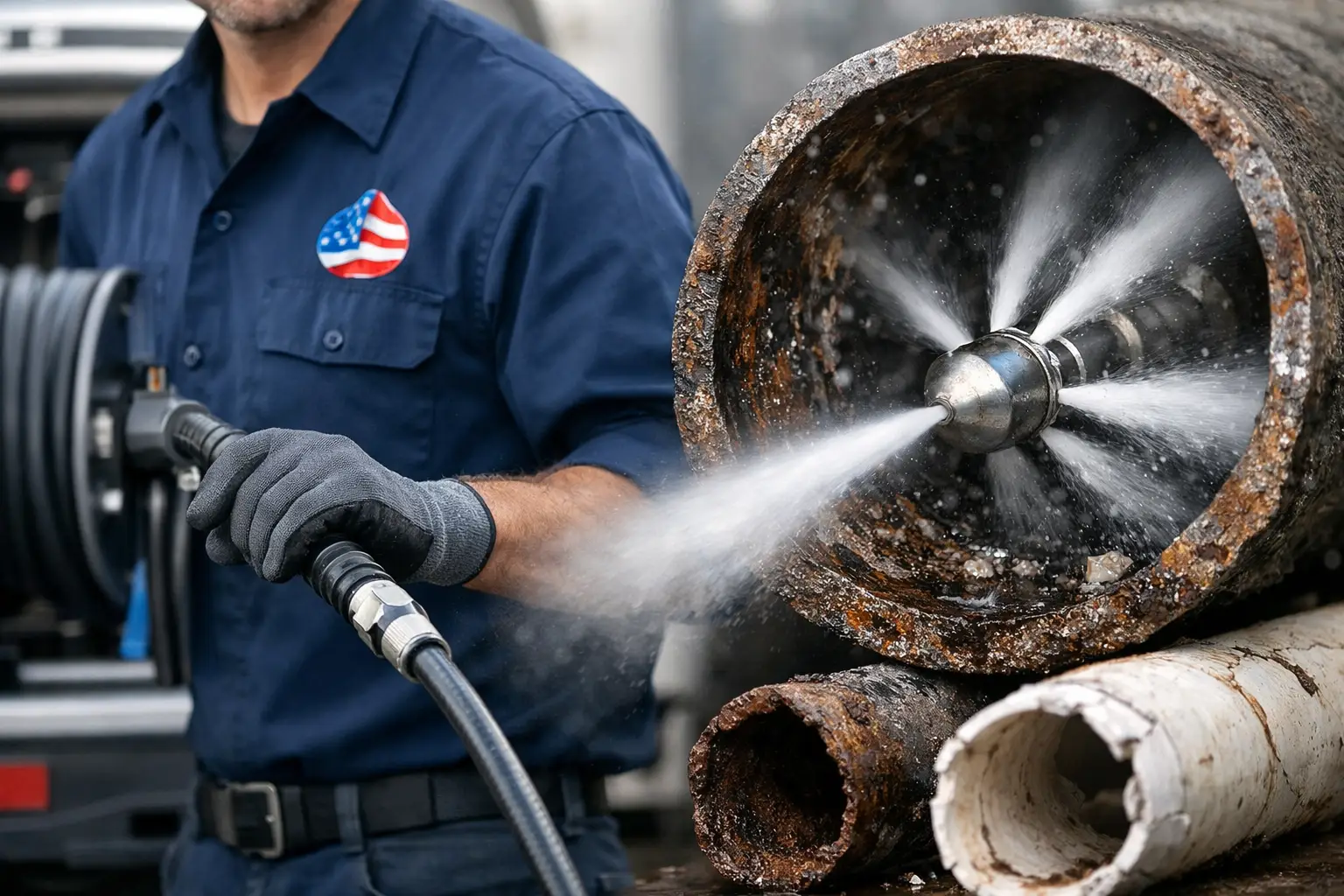
Flushing is the maintenance step most people hear about, and for good reason. It is one of the most important ways to protect a tankless unit. During a flush, a cleaning solution is circulated through the heat exchanger to break down mineral deposits.
How often this should happen depends on your water quality, usage, and whether the home has a water softener. Some systems need annual flushing. Others in hard water areas may need it more often. Waiting until the unit starts showing symptoms is usually too late if you want to avoid extra wear.
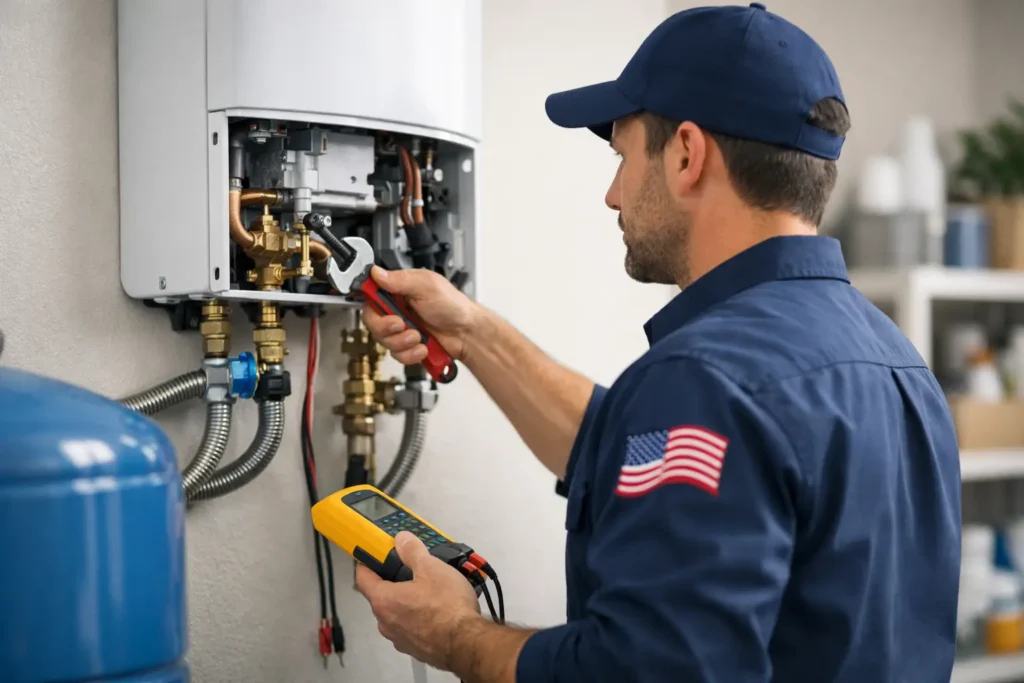
This is also the point where many homeowners choose professional service. A proper flush requires isolation valves, a pump setup, the right cleaning solution, and a careful process. Done correctly, it helps restore efficiency and reduce stress on the system. Done carelessly, it can lead to leaks or missed issues.
How often should maintenance be scheduled?
For most homes, annual service is a good baseline. If your household uses a lot of hot water, or if your home has hard water, more frequent maintenance may make sense. A larger family puts more demand on the unit than a smaller household, and that usage adds up.
A newer unit may seem like it can go longer without service, but that is not always the best approach. Preventive maintenance is usually far less expensive than emergency repair, especially when the failure happens during colder weather or during a busy week when your home cannot go without reliable hot water.
If you recently moved into a home with a tankless water heater and do not know its service history, it is smart to schedule an inspection. That gives you a starting point and helps identify whether the system has been maintained properly.
Common problems maintenance can help prevent
The value of tankless water heater maintenance is not just cleaner equipment. It is fewer disruptions and better performance where it matters most.
Scale buildup is the most common issue, but it is not the only one. Maintenance can also help catch clogged burners, dirty flame sensors, vent blockages, worn ignition components, and minor leaks around service valves or connections. In gas units, safe operation depends on more than just water flow. Air supply, combustion, and venting all need to work correctly.
Another issue homeowners run into is reduced flow at fixtures, then assuming the water heater itself has failed. Sometimes the problem is the fixture, the recirculation setup, or a plumbing restriction elsewhere in the home. A qualified plumber can sort that out quickly and avoid unnecessary replacement.
When to call a plumber instead of trying it yourself
There is a difference between staying informed and taking on a repair that should be handled professionally. If your unit shows repeated error codes, leaks, ignition failures, gas-related concerns, or inconsistent heating after a filter check, it is time to schedule service.
The same goes for annual descaling if you do not already have the proper isolation valves and equipment in place. Tankless systems are more specialized than traditional tank units, and the diagnosis is not always obvious from the symptom alone. What looks like a heater problem may actually be related to venting, water pressure, or internal sensors.
For homeowners in Menifee and nearby communities, having a local residential plumber inspect the system can save time and prevent repeat issues. A straightforward service visit is often the fastest way to get clear answers, especially when hot water is already unreliable.
Simple habits that help your system last longer
Good maintenance is not only about service appointments. A few simple habits can also reduce wear. Pay attention to changes in water temperature, do not ignore early error codes, and avoid postponing service when the unit starts acting differently. Small performance drops tend to get worse, not better.
If your home has hard water and no treatment system, ask whether water conditioning would help protect your plumbing and appliances overall. It is not the right fit for every home, but in some cases it can reduce mineral buildup and extend the life of the water heater.
It also helps to keep the area around the unit clear. Tankless heaters need proper airflow, and service access matters. Storing boxes or household items too close to the equipment can make inspections harder and may interfere with safe operation.
Guide to tankless water heater maintenance for long-term reliability
The best guide to tankless water heater maintenance is not complicated. Stay alert to changes, schedule regular flushing and inspection, and do not wait for a full breakdown to take action. Tankless systems can last a long time and perform extremely well, but they do best when maintenance is treated as part of protecting the home, not as an afterthought.
If your hot water has become inconsistent, your unit is due for service, or you simply want to know where it stands, getting it checked now is a practical move. A little attention today can save you from a cold shower and a bigger repair bill later.