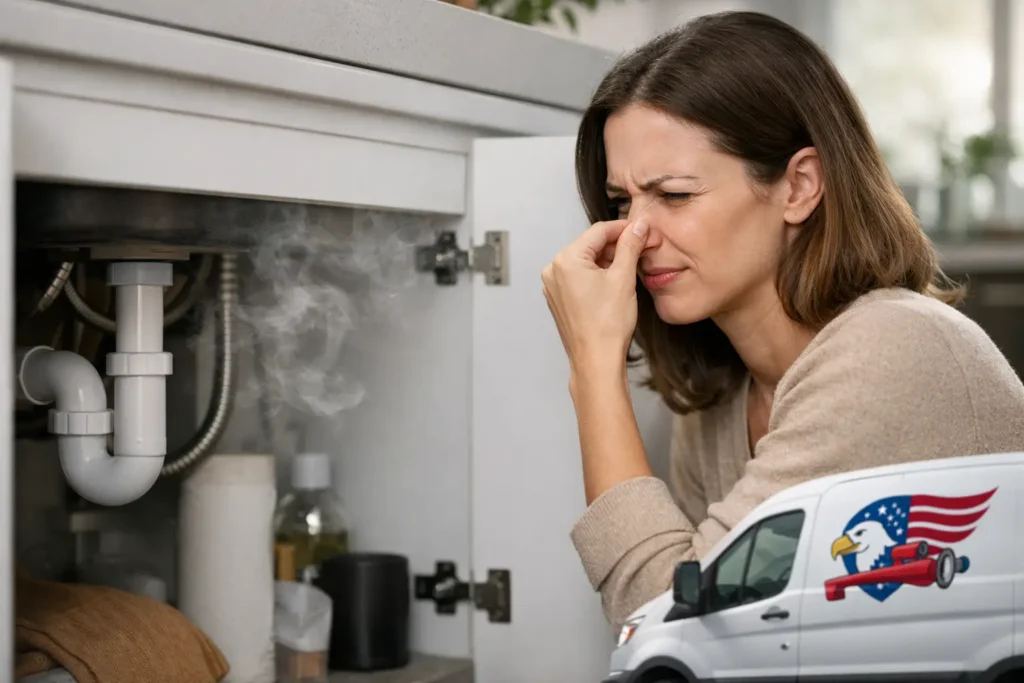
A sewer odor in the house is not something to cover with air freshener and hope it goes away. If you are asking, “what causes a sewer smell indoors,” the answer is usually a failed water seal, a drain or vent problem, or a sewer line issue that needs prompt attention. The location, timing, and strength of the smell can help narrow it down.
Some causes are simple to correct. Others can point to a damaged pipe, developing blockage, or sewer backup risk. Start with the practical checks below, but do not ignore a persistent odor, especially if drains are slow, toilets gurgle, or wastewater has backed up.
What Causes a Sewer Smell Indoors?
Plumbing drains are designed to move wastewater out while keeping sewer gases outside. A small amount of water sits in the curved section of most drain pipes, called a P-trap. That water creates a seal between your home and the sewer system. Vents also carry sewer gases safely above the roof while allowing drains to flow properly.
When a trap dries out, a seal fails, a vent is blocked, or a drain line is damaged, odors can enter the home. Here are the most common reasons homeowners notice that unmistakable sewer smell.
1. A dry P-trap in an unused drain
This is one of the most common and easiest causes. Floor drains, guest bathroom showers, laundry sinks, utility sinks, and rarely used tubs can sit for weeks without water running through them. The water in the trap gradually evaporates, leaving an open path for sewer gas.
Pour several cups of water into the drain, then wait a few minutes to see whether the odor improves. For an infrequently used drain, adding a small amount of mineral oil after the water can slow evaporation. If the smell returns quickly or the drain will not hold water, the trap or drain connection may need repair.
2. Buildup inside a sink, shower, or tub drain
Not every foul drain odor is coming directly from the sewer line. Hair, soap residue, toothpaste, food particles, grease, and bacteria can collect in a drain or overflow channel and create a sewer-like smell. Bathroom sink overflows are a frequent source because they stay damp and are easy to overlook.
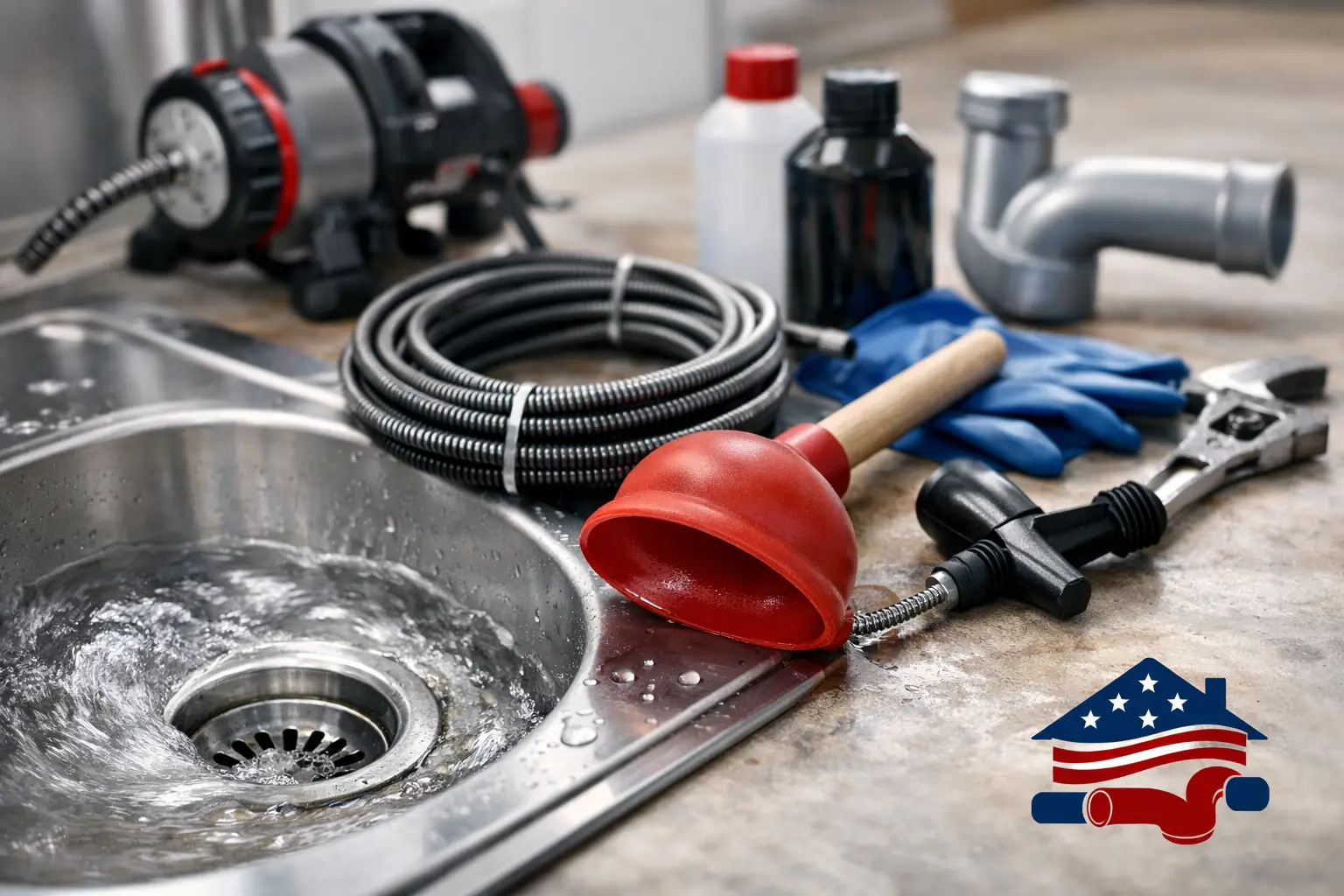
Flush the drain with hot water and clean removable stoppers or strainers. Avoid repeatedly pouring harsh chemical drain cleaners into the line. They may not remove the buildup causing the odor, and they can be hard on older pipes. If the drain is slow, keeps smelling, or backs up, professional drain cleaning is the more reliable fix.
3. A loose toilet base or failed wax ring
A toilet should be sealed tightly to the floor and should not rock when you sit on it. The wax ring beneath the toilet forms a seal between the toilet outlet and the drain pipe. When that seal fails, sewer gas can escape around the base, sometimes without an obvious water leak.
Look for movement at the toilet, moisture around the base, staining on nearby flooring, or an odor that becomes stronger after flushing. Do not simply caulk over the problem. A loose toilet may need to be reset with a new seal, and any damaged flooring should be evaluated before it worsens.
4. A clogged or blocked plumbing vent
Your plumbing vent system helps wastewater move through drain pipes without pulling water from P-traps. If a vent is blocked by debris, a bird nest, or other obstruction, you may hear gurgling from sinks and toilets, notice slow drains throughout the home, or smell sewer gas near bathrooms.
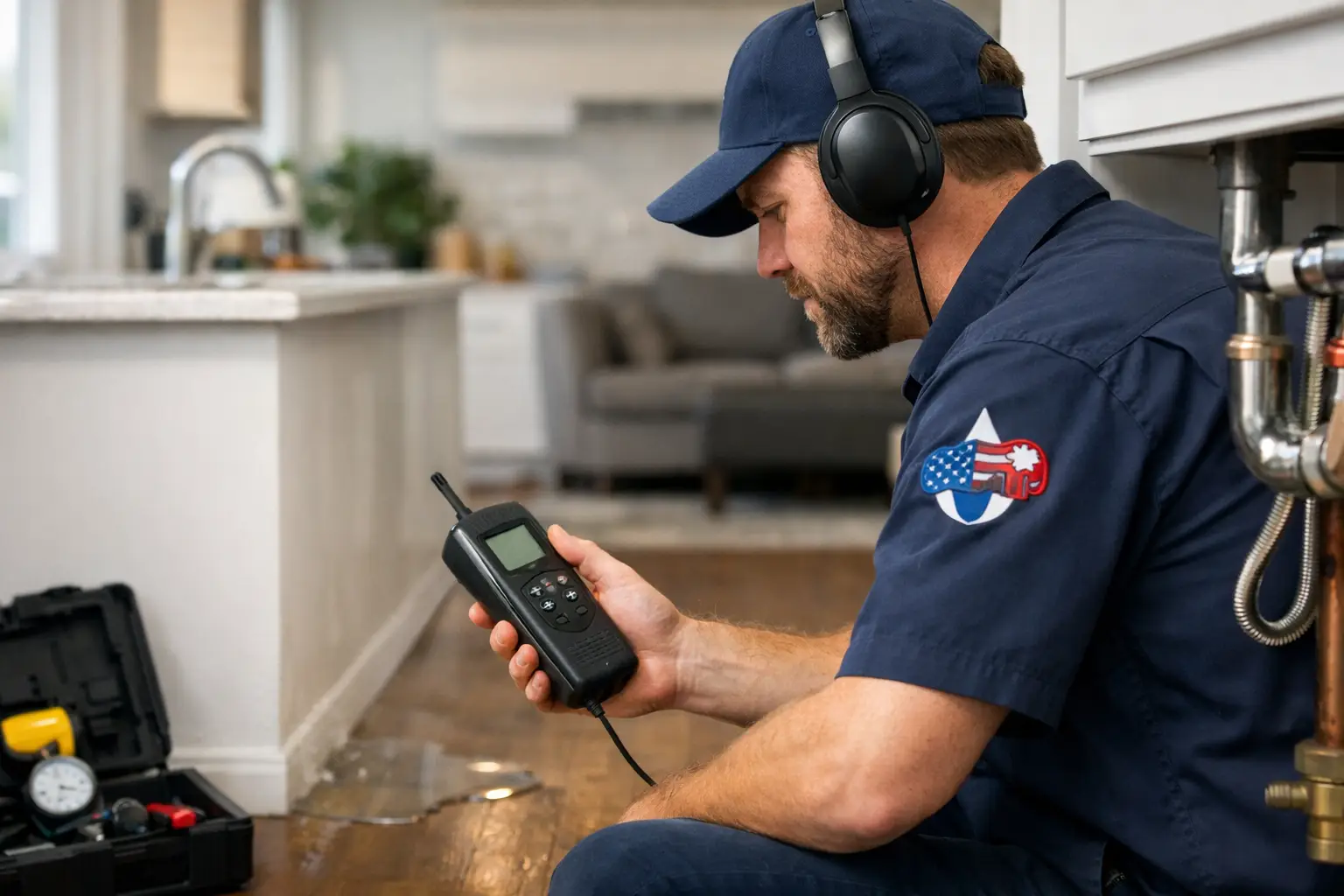
Vent problems can be difficult to confirm without the right equipment, and roof work adds a safety concern. A plumber can inspect the drainage and vent system, identify whether the issue is a blockage or a larger line problem, and restore proper airflow.
5. A partial clog in the main sewer line
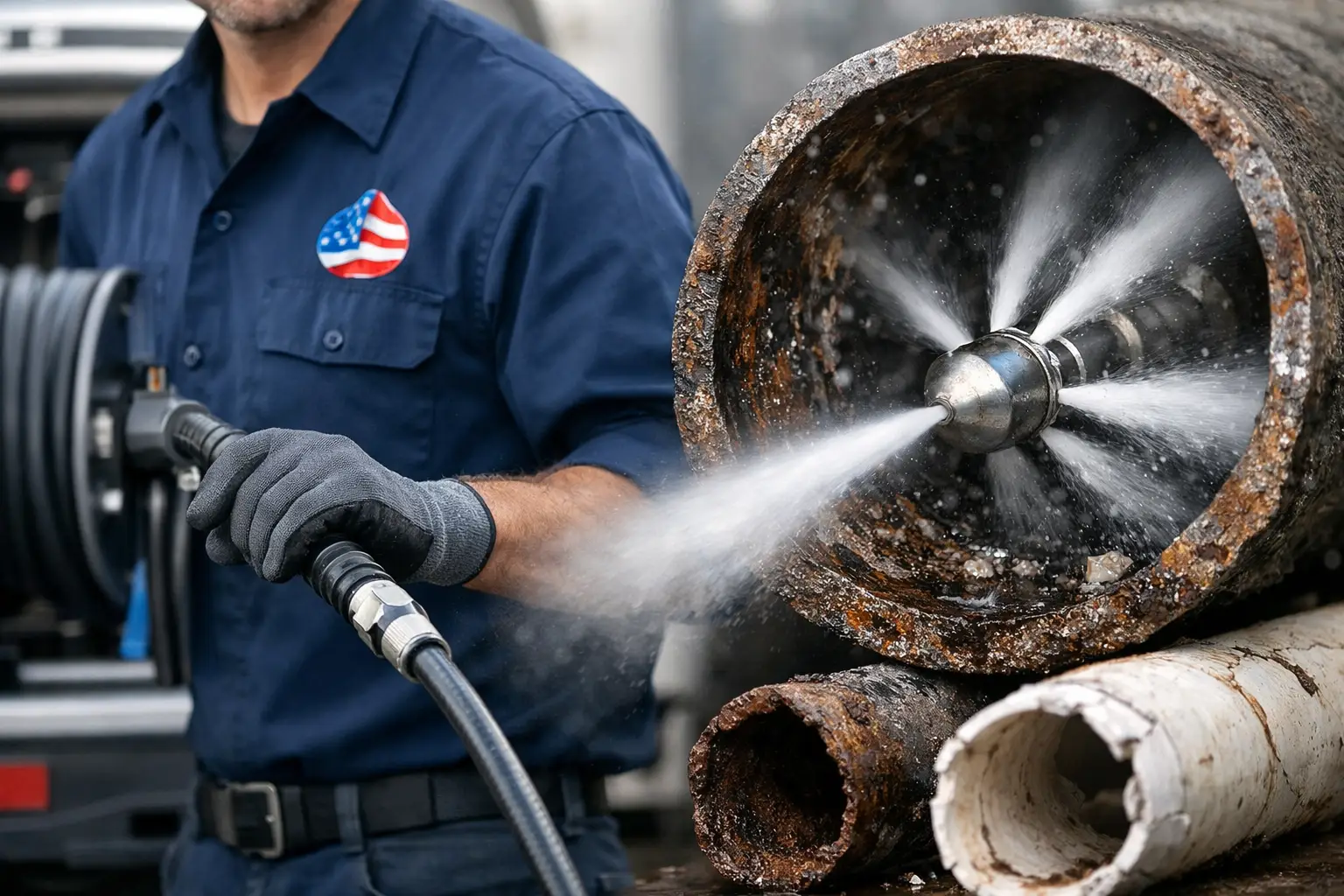
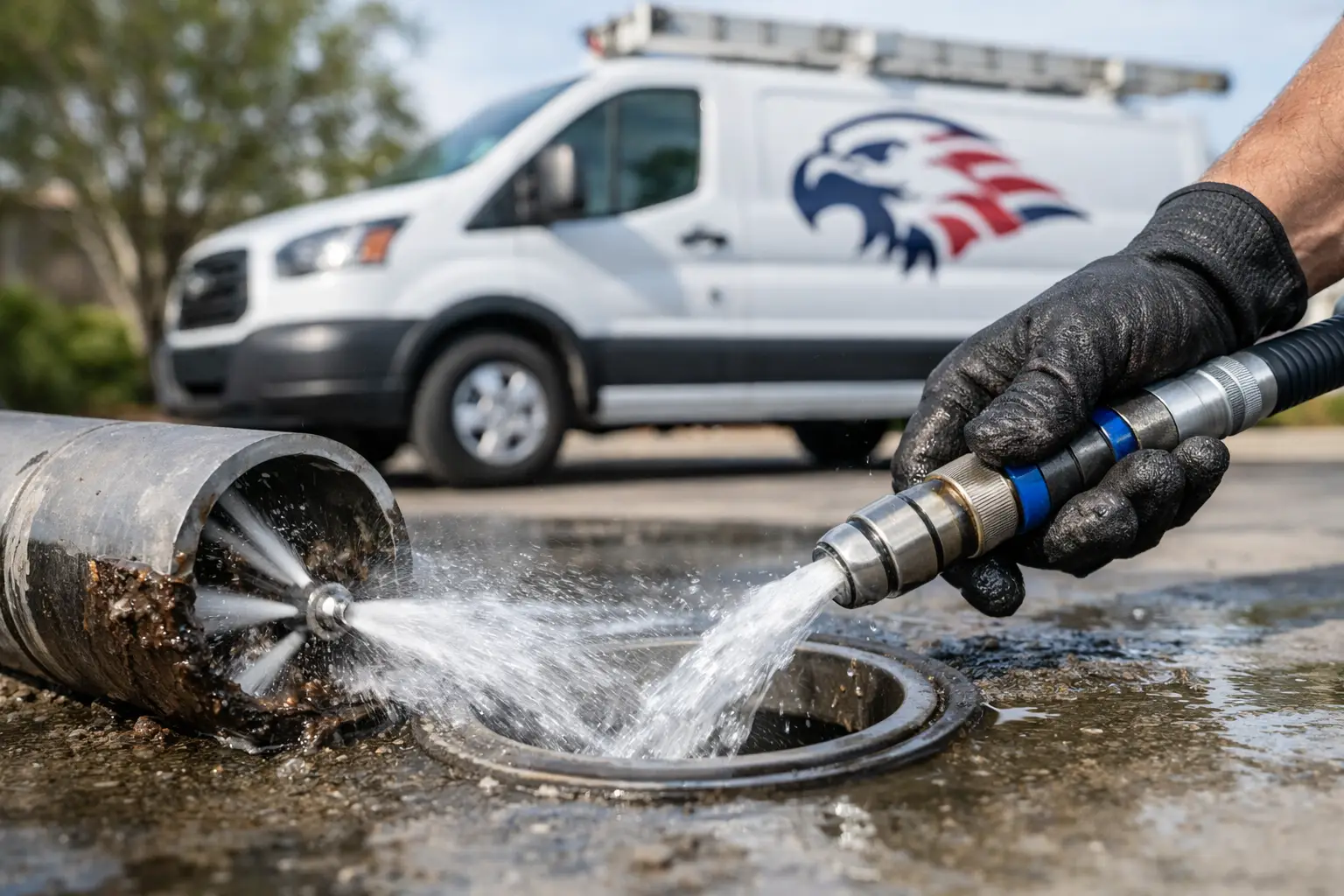
When several fixtures drain slowly at once, the problem may be beyond a single sink or shower. A partial main sewer line clog can hold waste and water in the pipe, allowing odor to build. Tree roots, grease, paper products, scale, and damaged pipe sections are common contributors.
Watch for a pattern: the toilet bubbles when the washing machine drains, a shower backs up after flushing, or multiple drains smell at the same time. These signs call for prompt sewer line inspection and cleaning. Waiting can turn a partial blockage into a messy backup inside the home.
6. A cracked, separated, or damaged sewer pipe
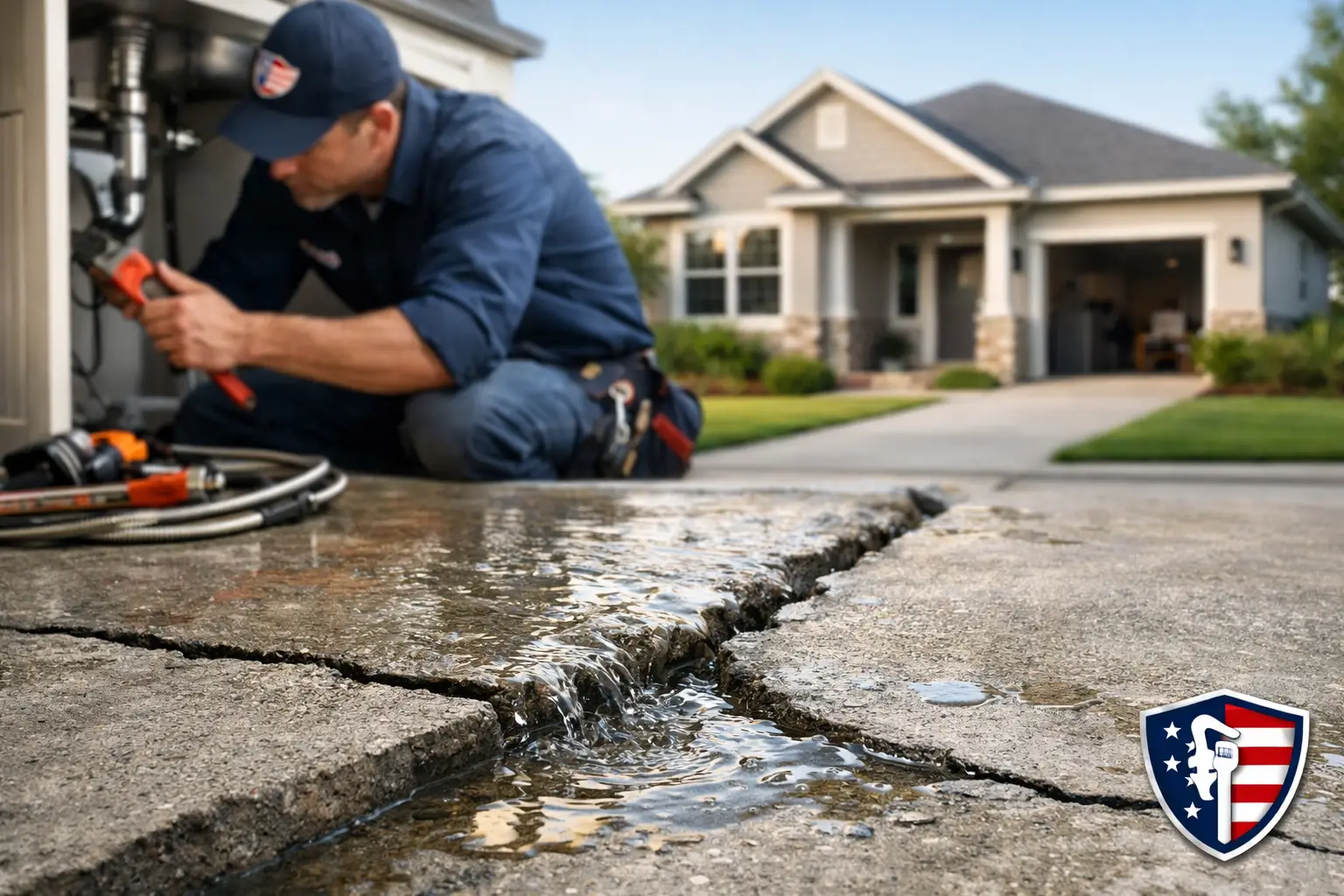
Older pipe materials, shifting soil, root intrusion, corrosion, and previous installation issues can all damage a sewer line. A crack or separated joint may release odor into a crawl space, wall cavity, garage, or yard before a full backup occurs.
You may also notice recurring clogs, damp or unusually green areas in the yard, unexplained pest activity, or a sewer smell that is stronger near one area of the property. A camera inspection can show the condition of the pipe from the inside and help determine whether cleaning, spot repair, or trenchless sewer replacement is appropriate.
7. A problem with a cleanout cap or drain connection
A sewer cleanout is an access point that allows plumbers to service the line. If its cap is loose, cracked, or missing, it can release sewer odor into a garage, utility area, or outside wall. Likewise, an improperly sealed drain connection behind a washing machine, under a sink, or near a water heater can let gases escape.
A cleanout cap is often a straightforward repair, but it is worth having the surrounding system checked if the odor is strong or has been present for a while. The smell may be a symptom of pressure building in the line because of a blockage.
8. A sewage ejector or sump system issue
Some homes use an ejector pump to move wastewater from a lower-level bathroom or laundry area up to the main sewer line. These systems need a sealed lid and properly connected venting. A damaged lid gasket, failed vent connection, or pump problem can create odor around the basin.
Because these systems handle wastewater, avoid opening the basin yourself. A plumbing professional can inspect the pump, seals, check valve, and venting to find the source safely.
What You Can Check Before Calling a Plumber
First, identify where the smell is strongest. Check unused drains, bathrooms, the laundry room, the garage, and areas near floor drains. Run water in every sink, shower, tub, and floor drain that is not used regularly. Then check whether toilets are stable and whether any drains are gurgling or slow.
Pay attention to when the odor appears. A smell that shows up after heavy water use often points to a drainage or vent issue. An odor that is constant and strongest near one fixture may be a dry trap, toilet seal, or local drain connection. If the smell is strongest outside near the sewer cleanout, a loose cap or main line issue may be involved.
Do not use a plumbing snake if sewage is backing up into a tub or shower, and do not keep flushing toilets to test the problem. That can add more water to a blocked sewer line and increase the chance of an indoor overflow.
When a Sewer Smell Needs Immediate Service
Call for professional help quickly when sewer odor comes with backup, standing wastewater, multiple clogged drains, gurgling toilets, or water around a toilet base. These are not typical single-fixture clogs. They can indicate a main sewer line blockage or pipe failure that needs diagnosis before the problem spreads.
If the odor is overwhelming or you feel dizzy, nauseated, or unwell, leave the area and get fresh air. Also take any gas-like odor seriously. Natural gas and sewer gas can smell similar to some people, but a suspected gas leak requires immediate emergency response through your gas utility or emergency services.
For homeowners in Menifee, Murrieta, Temecula, and nearby communities, American Plumbing Service can inspect the drain and sewer system, clear blockages, and explain the repair options clearly before work begins. The right repair depends on whether the source is a simple trap, a fixture seal, a vent obstruction, or the sewer line itself.
A sewer smell rarely fixes itself. Addressing it early can be as simple as restoring a water seal, or it can prevent the far more disruptive cost of a sewer backup in your home.