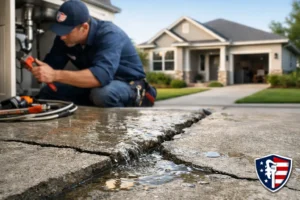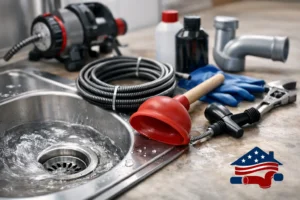
A pipe can go from a small concern to a household emergency in minutes. Water spreading from a wall, ceiling, cabinet, or garage line can damage flooring, drywall, furniture, and electrical systems long before the source is visible. When you need emergency pipe repair Temecula homeowners can rely on, the first priority is simple: stop the water, protect the home, and get the right repair underway quickly.
What Counts as a Pipe Emergency?
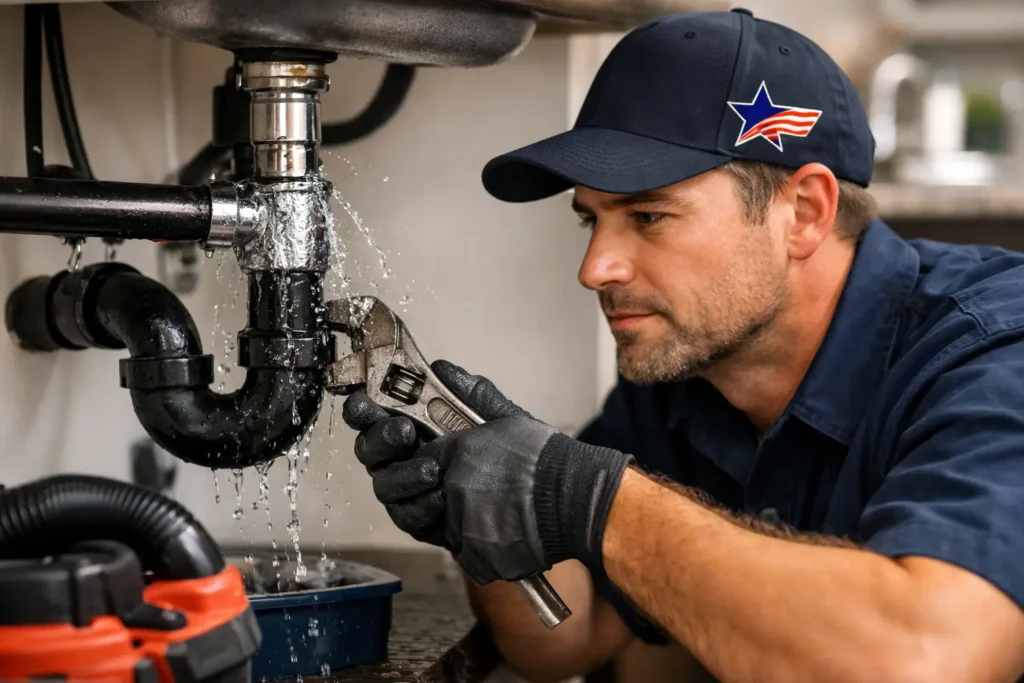
Not every leak requires an after-hours response, but some situations should never wait until the next convenient appointment. A burst pipe, a steady stream of water beneath a sink, water coming through a ceiling, or a leak near electrical outlets needs immediate attention. So does a failed supply line to a water heater, washing machine, refrigerator, or toilet.
A hidden leak can also be urgent. If you hear water running when every fixture is off, notice a sudden drop in water pressure, see a warm area on the floor, or find unexplained moisture along a wall, there may be a damaged pipe behind the surface or under the slab. Waiting can turn a focused repair into a much larger restoration project.
Sewer-related pipe problems deserve fast action as well. Slow drains alone may be a routine drain-cleaning issue, but wastewater backing up into a shower, tub, or floor drain points to a blockage or damaged sewer line that needs professional evaluation.
What to Do Before the Plumber Arrives
A fast call matters, but the actions you take in the first few minutes can reduce water damage substantially. Stay calm and focus on containing the problem rather than trying to complete a permanent repair yourself.
- Shut off the water. For a leak at a toilet, sink, appliance, or water heater, use the nearby fixture shutoff valve if it is accessible and working. For a burst line or an unknown leak source, turn off the home’s main water valve. Many Temecula-area homes have the main shutoff near the water meter, garage, exterior wall, or where the main line enters the house.
- Turn off power if water is near electricity. Do not stand in water or touch wet electrical equipment. If it is safe to reach the electrical panel without entering a wet area, switch off power to the affected area. When there is any doubt, stay clear and wait for qualified help.
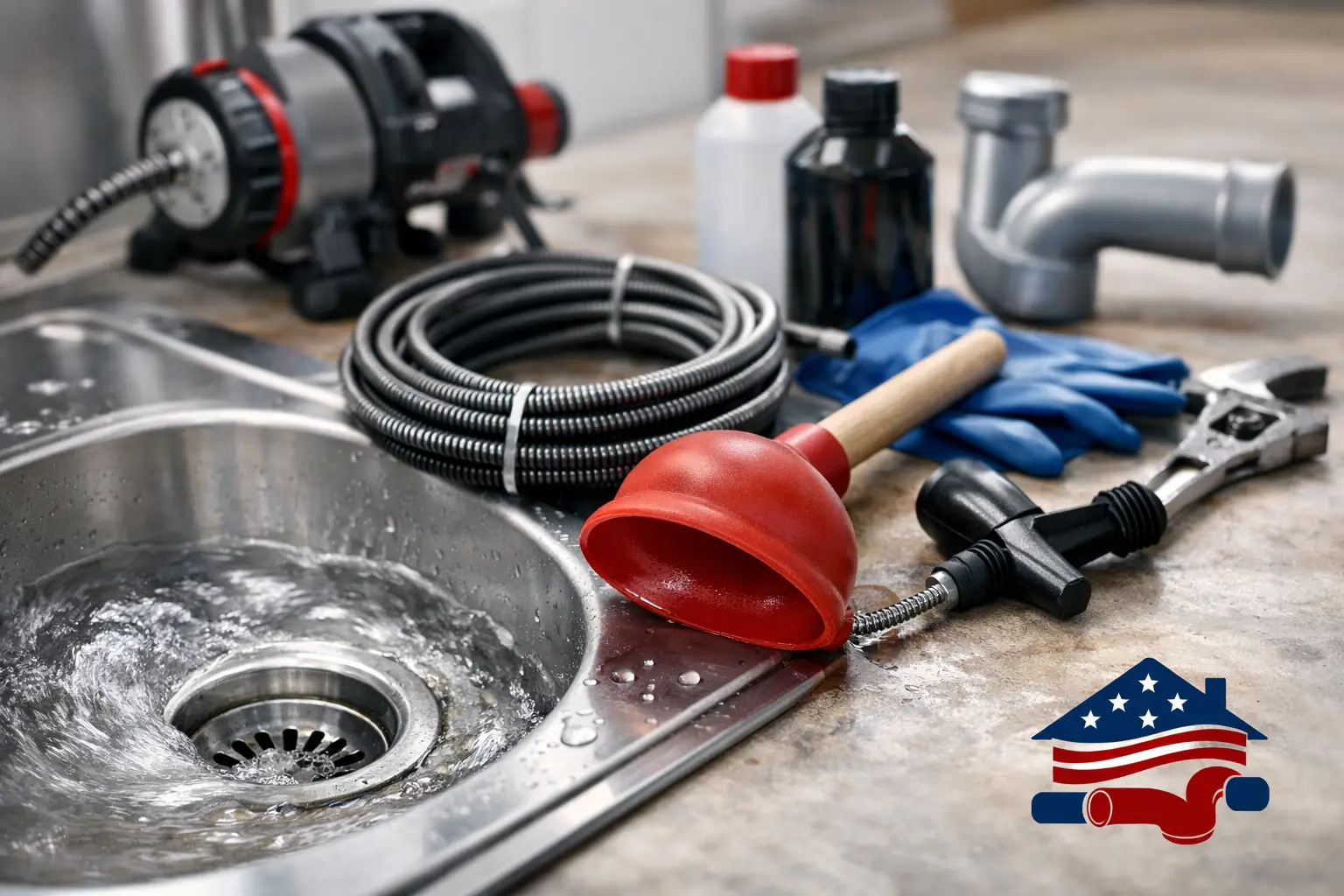
- Move belongings and manage standing water. Remove rugs, boxes, and furniture from the affected area. Use towels, buckets, or a wet/dry vacuum if it is safe to do so. Do not open walls, pull up flooring, or use tools around wet electrical wiring.
- Take a few photos and note what happened. Photos can help document the damage for insurance purposes and give the plumber useful context. Note when the leak started, whether it followed appliance use, and whether pressure or water color changed.
Avoid relying on tape, putty, or a clamp as a long-term solution. These products may slow a small visible leak, but pressure changes can cause them to fail without warning. They can also make it harder to assess the condition of the pipe once a technician arrives.
Emergency Pipe Repair in Temecula: Finding the Real Cause
The visible water is not always the actual problem. A ceiling stain may originate from a bathroom supply line above it, a roof-related issue, or a drain connection that leaks only when a fixture is used. Water under a kitchen sink may come from the drain, faucet supply lines, disposal, dishwasher connection, or a damaged shutoff valve.
That is why a proper emergency response starts with diagnosis. A residential plumbing technician should identify the pipe material, locate the failed section, check surrounding fittings and valves, and determine whether the leak is isolated or part of a larger issue. For concealed leaks, professional leak detection can narrow down the source without unnecessary demolition.
Older galvanized piping, corroded copper, aging plastic fittings, high water pressure, poor prior repairs, and shifting soil can all contribute to pipe failure. In homes with slab foundations, a leak beneath the concrete may require a different approach than a leak in an exposed wall or attic. The repair should fit the location and condition of the plumbing system, not just cover the immediate symptom.
Repair Options Depend on the Pipe and Location
A straightforward repair may involve replacing a short damaged section of exposed pipe, a failed valve, or a worn supply line. These repairs can often be completed the same day when the problem is accessible and the surrounding pipe is in good condition.
If corrosion or repeated leaks are affecting a larger area, a spot repair may be the least expensive immediate option but not necessarily the best long-term choice. A plumber may recommend replacing a longer run of pipe or addressing water pressure issues to prevent another failure nearby. This is a trade-off worth discussing clearly: the right answer depends on the age of the pipe, its material, access, and the history of leaks in the home.
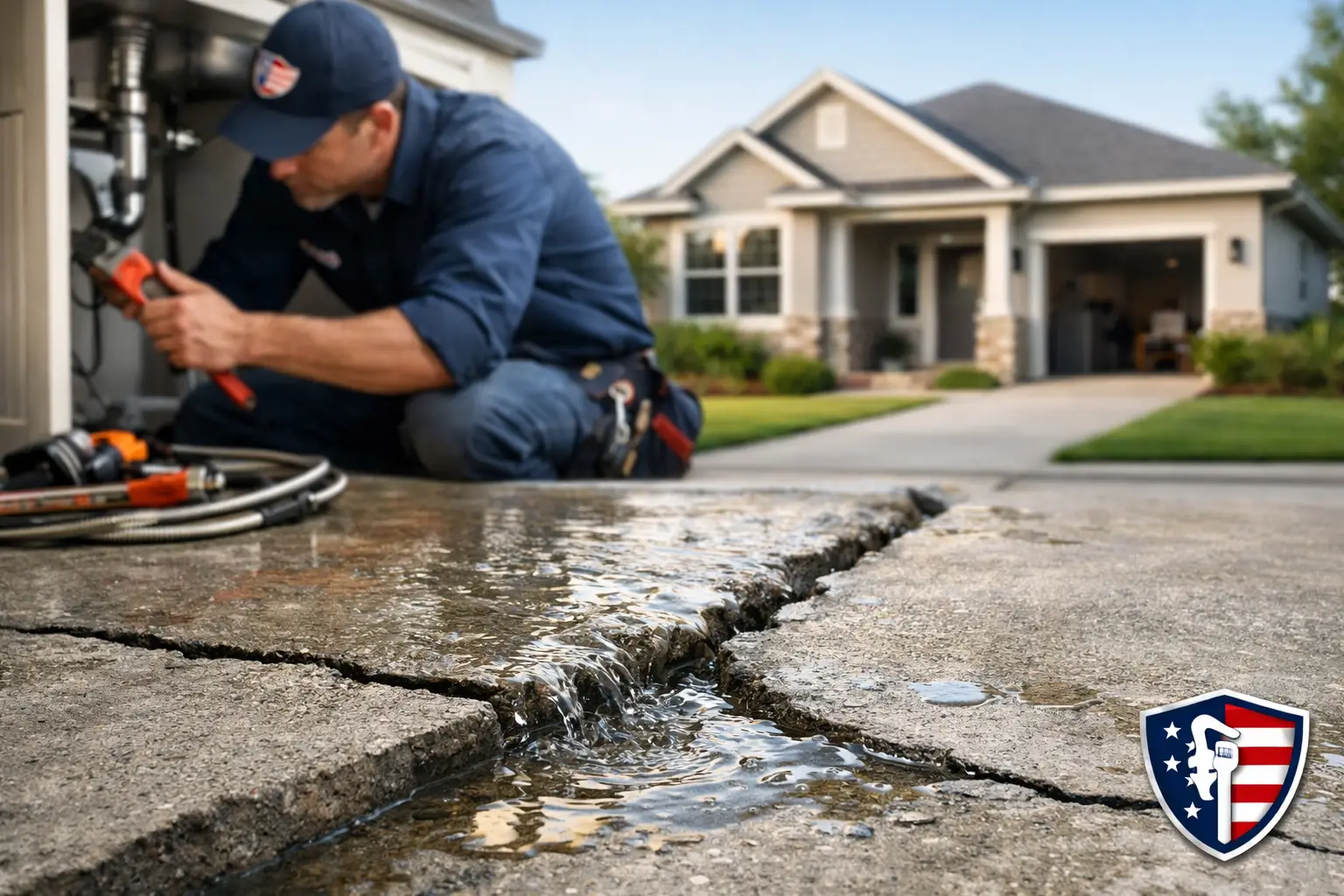
For a slab leak, options can include direct access and repair, rerouting the affected line, or repiping a section of the system. Direct repair can make sense when the leak is isolated and access is practical. Rerouting may reduce future risk when the original line is difficult to reach or shows signs of broader deterioration. A clear onsite estimate helps homeowners compare the scope, disruption, and expected value of each option.
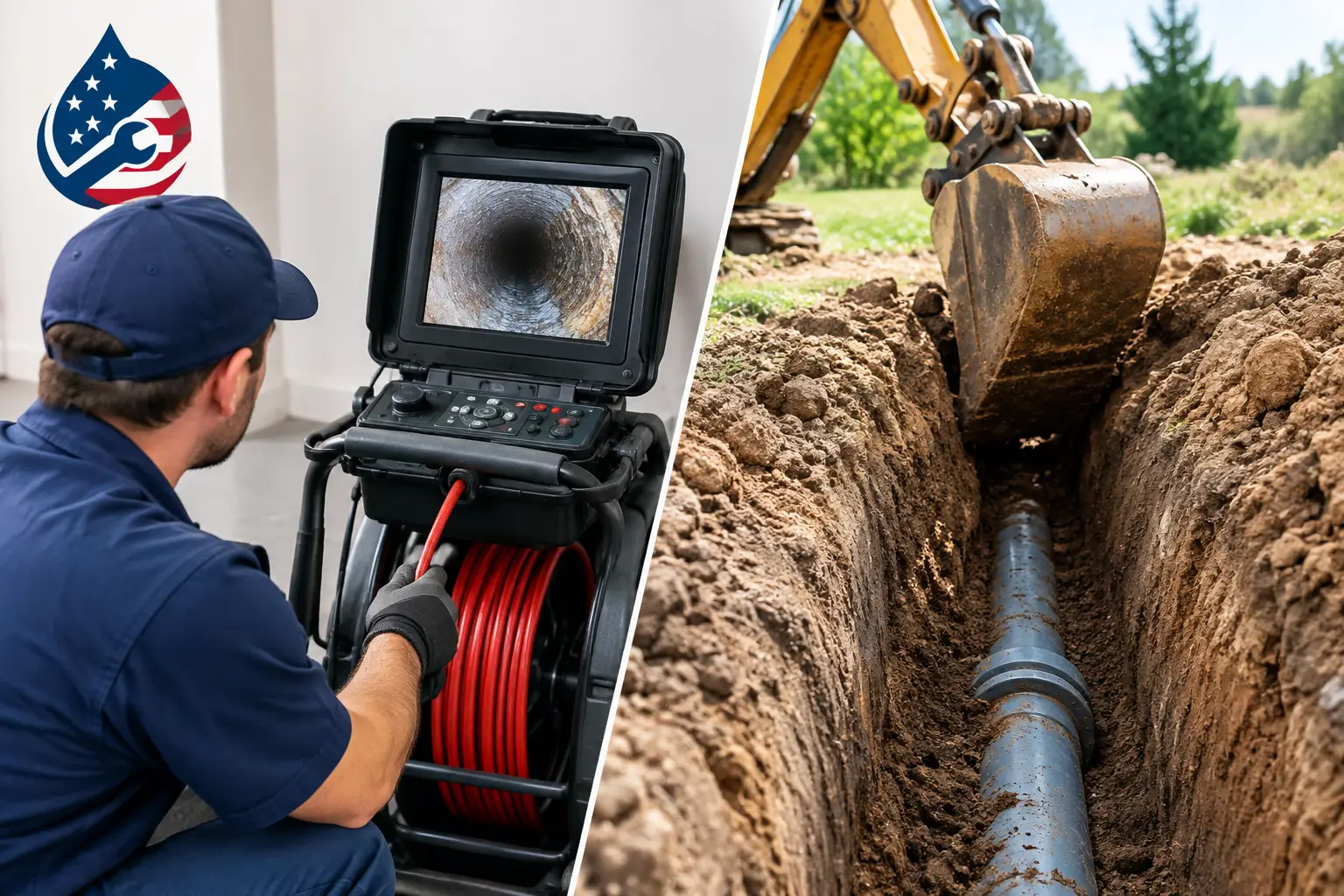
Sewer pipe emergencies require their own approach. A camera inspection can help confirm whether the issue is a blockage, root intrusion, offset pipe, crack, or collapsed section. Depending on the condition of the line, hydro-jetting, targeted repair, or trenchless sewer replacement may be appropriate. The goal is to restore reliable drainage while avoiding unnecessary excavation whenever conditions allow.
Signs You Should Not Ignore After a Leak Stops
Shutting off the water prevents more water from entering the home, but it does not eliminate the risk of hidden damage. Watch for bubbling paint, soft drywall, musty odors, warped flooring, cabinet swelling, or staining that grows over the next day or two. These signs can indicate moisture behind surfaces even if the pipe repair is complete.
You should also pay attention to recurring low pressure, a higher-than-normal water bill, discolored water, or repeated leaks at different fixtures. Those patterns may point to aging plumbing, excessive water pressure, or a problem with the main water line. Addressing the underlying cause is often less disruptive and less expensive than responding to repeated emergencies.
Choosing a Plumber When Time Matters
During an active leak, homeowners need more than a vague promise to “take a look.” Choose a residential plumbing company that can respond quickly, explain what failed in plain language, and provide a clear estimate before major work begins. Emergency service should include practical guidance on shutting off the water and protecting the home while help is on the way.
It also helps to work with a company that can handle the next step if the problem is more involved than a single pipe repair. Leak detection, slab leak repair, drain cleaning, sewer inspection, and water heater service are often connected to the same plumbing system. American Plumbing Service helps homeowners across Temecula and nearby communities address urgent pipe problems without having to coordinate several different contractors.
Ask what caused the failure, whether nearby piping shows similar wear, and what work is needed now versus what can be planned later. A dependable plumber will answer directly, offer repair options when they exist, and avoid pressuring you into work that does not fit the condition of your home.
A damaged pipe does not need to become a damaged home. Turn off the water, protect the area, and get professional help as soon as possible. Quick action gives you the best chance to limit disruption and get your household back to normal.