Low water pressure usually shows up at the worst time – when you are trying to shower, run the dishwasher, or rinse dishes after dinner. If you are wondering how to fix low water pressure, the first step is figuring out whether the problem is isolated to one fixture or affecting the whole house. That one detail often tells you whether you are dealing with a simple fix or a plumbing issue that needs fast attention.
Some causes are minor. Others point to hidden leaks, failing valves, pipe corrosion, or pressure regulator problems. The good news is that a few basic checks can help you narrow it down quickly and avoid wasting time on the wrong repair.
How to fix low water pressure: start with the pattern
Before touching anything, pay attention to where the problem happens. If low pressure is only affecting one sink or one shower, the issue is often local to that fixture. If the whole house feels weak, the cause is more likely in your main plumbing system.
Also notice whether the pressure dropped suddenly or has been getting worse over time. A sudden change can mean a leak, a valve issue, or a water supply problem. A gradual decline often points to mineral buildup, aging pipes, or a component wearing out.
It also helps to check whether both hot and cold water are affected. If only hot water pressure is low, your water heater or the hot side plumbing may be part of the problem. If both are weak, the issue is likely broader.
Check the easy fixes first
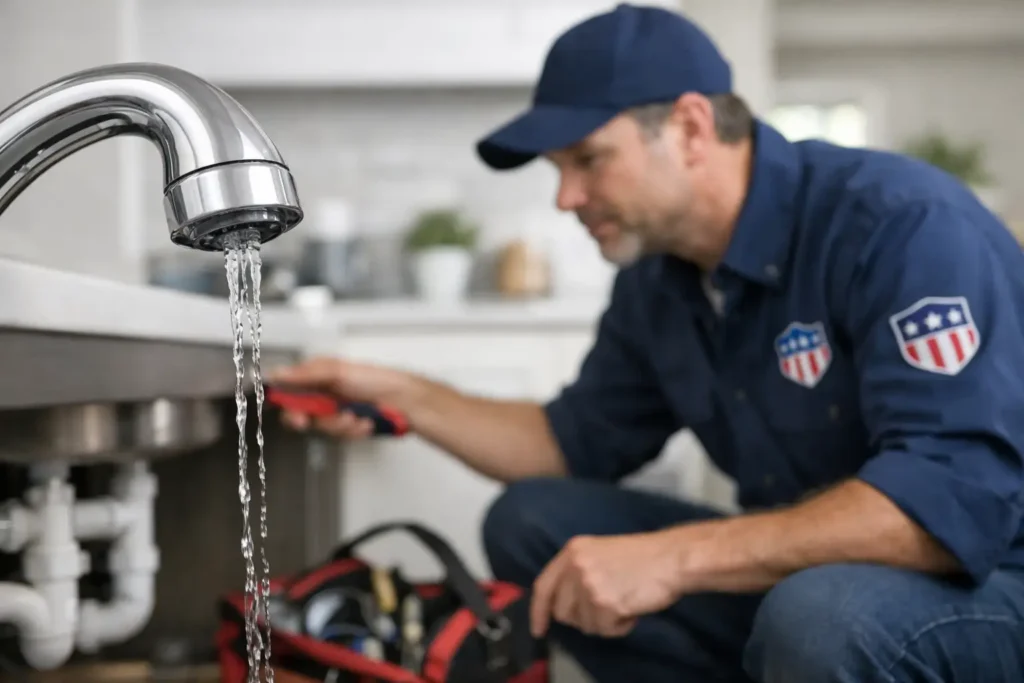
When low pressure affects a single faucet, remove the aerator and inspect it for debris or mineral buildup. Sediment can collect inside the screen and restrict flow enough to make a fixture seem like it has a bigger plumbing issue. Cleaning or replacing the aerator is often enough to restore normal pressure.
For showers, the showerhead is the first thing to inspect. Hard water buildup can clog the spray openings and cut flow significantly. If cleaning does not help, replacing an older showerhead is usually a simple and inexpensive fix.
If a fixture has a shutoff valve underneath it, make sure the valve is fully open. Sometimes a valve is left partially closed after a previous repair, and the reduced opening limits water flow more than homeowners expect.
These small fixes are worth trying because they are quick. But if several fixtures are affected, it makes more sense to move past the fixture level and look at the house system.
Look at your main shutoff and water meter valve
If pressure is low throughout the home, check the main water shutoff valve. This valve should be fully open. A partially closed valve can reduce pressure to the entire house, and it is one of the simplest causes to rule out.
You may also have a shutoff valve near the water meter. If recent work was done by the city, a utility company, or another contractor, that valve may not have been reopened completely. This is especially worth checking if the pressure problem started right after outside work.
Be careful when operating older valves. If a valve looks corroded, stuck, or damaged, forcing it can make the problem worse. At that point, it is better to have a plumber handle it.
Consider whether the issue is municipal or inside your home
Sometimes the problem is not your plumbing at all. Water suppliers may do maintenance, respond to line breaks, or have temporary demand issues that lower pressure in the neighborhood. If your neighbors are seeing the same thing, the source may be outside your home.
That said, do not assume it is always a city issue. If your neighbors have normal pressure and you do not, the problem is likely somewhere in your plumbing system. That is when a fast inspection matters, especially if the pressure dropped suddenly.
Hidden leaks can steal pressure fast
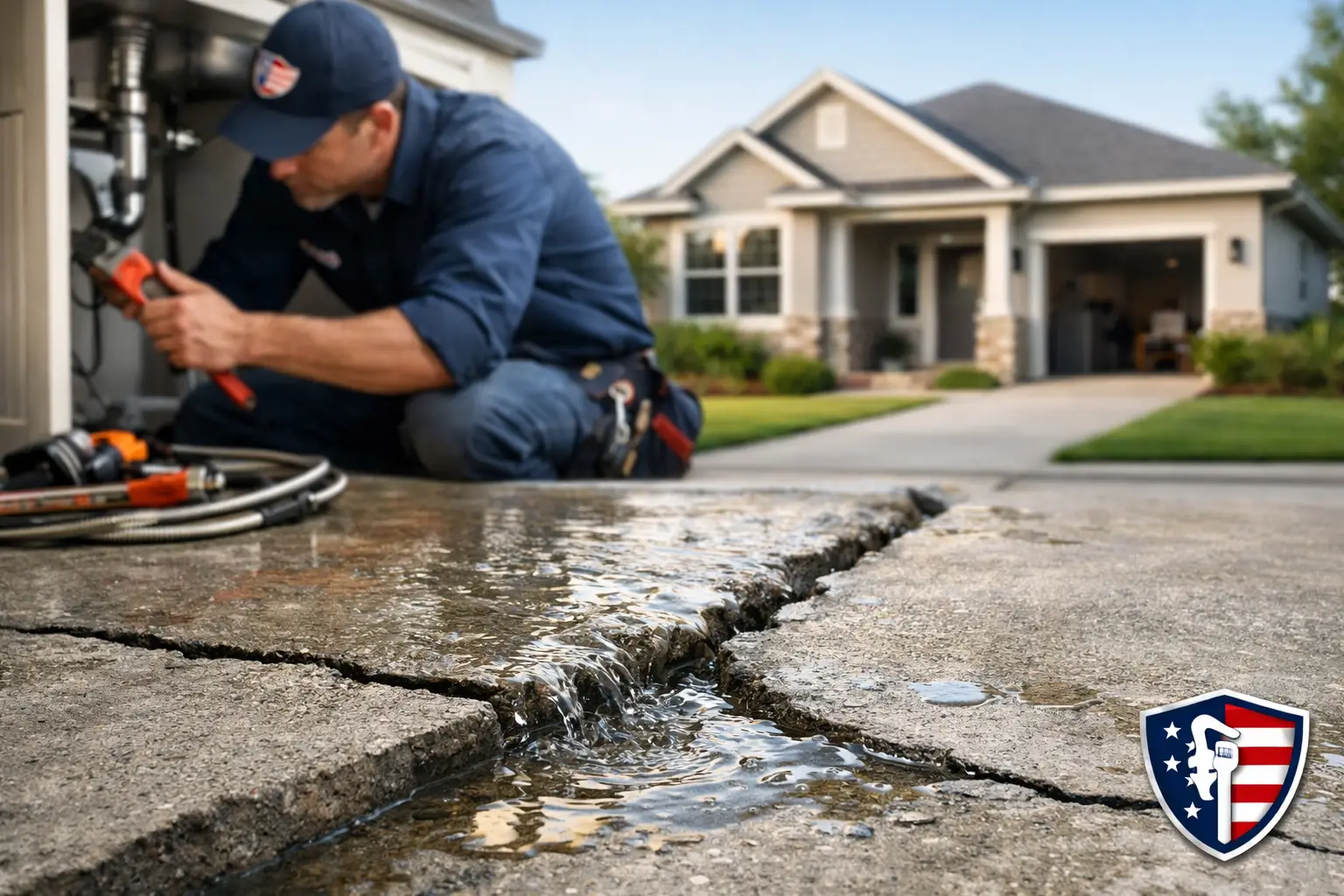
A plumbing leak does not always show up as a puddle under a sink. Leaks behind walls, under slabs, or in underground lines can reduce pressure while also increasing your water bill. In some homes, low pressure is the first noticeable warning sign.
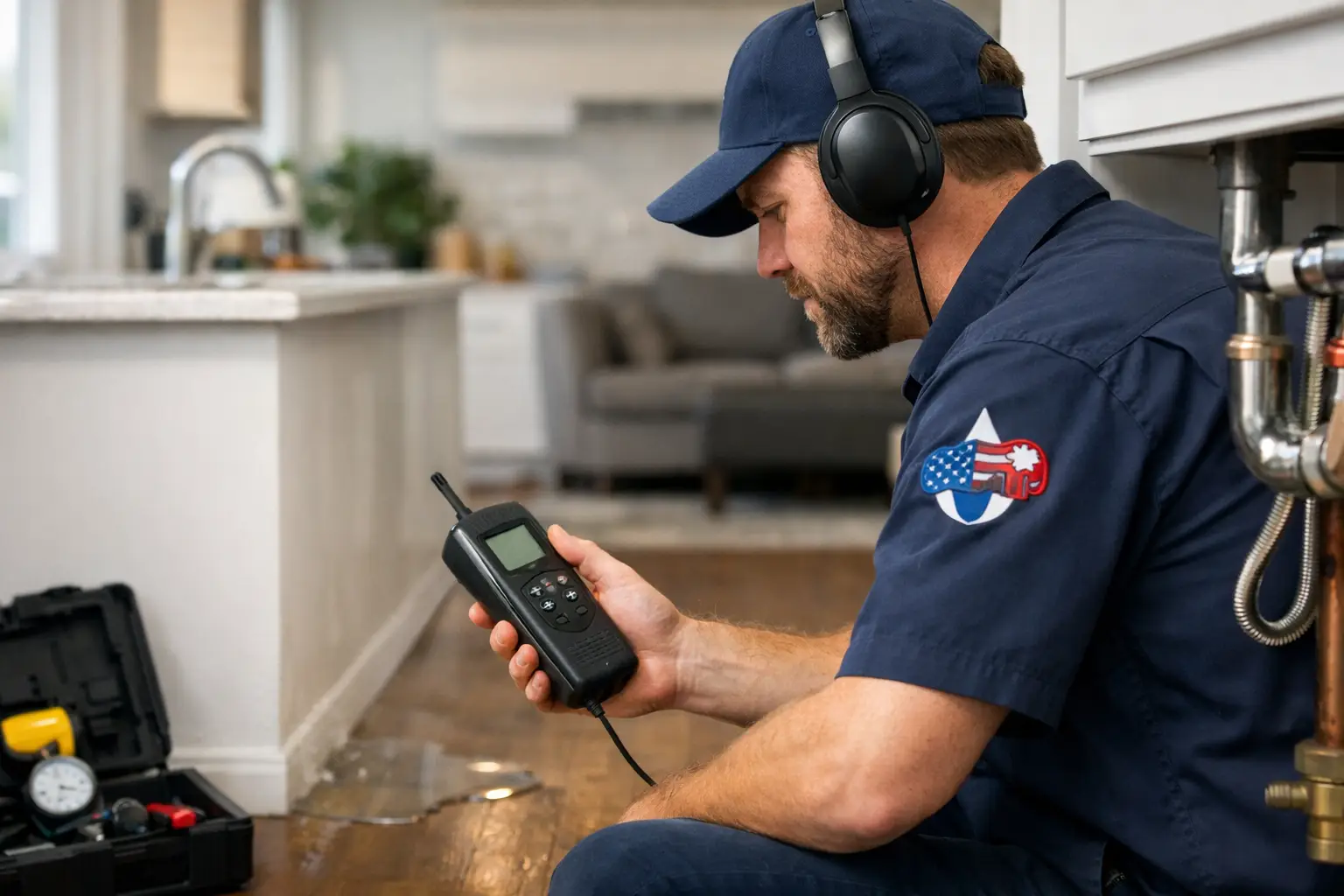
Watch for other clues like damp spots, warm flooring, unexplained moldy smells, water sounds when no fixture is running, or a spike in your monthly bill. If you suspect a leak, this is not the time for guesswork. Hidden leaks can damage drywall, flooring, and foundations if they are left alone.
For homeowners in older neighborhoods or homes with aging plumbing, leak detection is one of the more important next steps when pressure problems affect the whole house.
Pressure regulator problems are common in whole-house low pressure
Many homes have a pressure regulator installed where the water line enters the house. Its job is to keep water pressure at a safe, steady level. When it starts to fail, the result can be pressure that feels unusually weak, inconsistent, or unstable from one day to the next.
A bad regulator can be tricky because the symptoms overlap with other plumbing problems. You might notice one shower feels normal while another does not, or pressure changes when appliances start running. In some cases, failing regulators can also cause pressure that is too high, not just too low.
This is usually not a DIY diagnosis for most homeowners. A plumber can test your incoming pressure and confirm whether the regulator is the cause.
Older pipes can restrict water flow
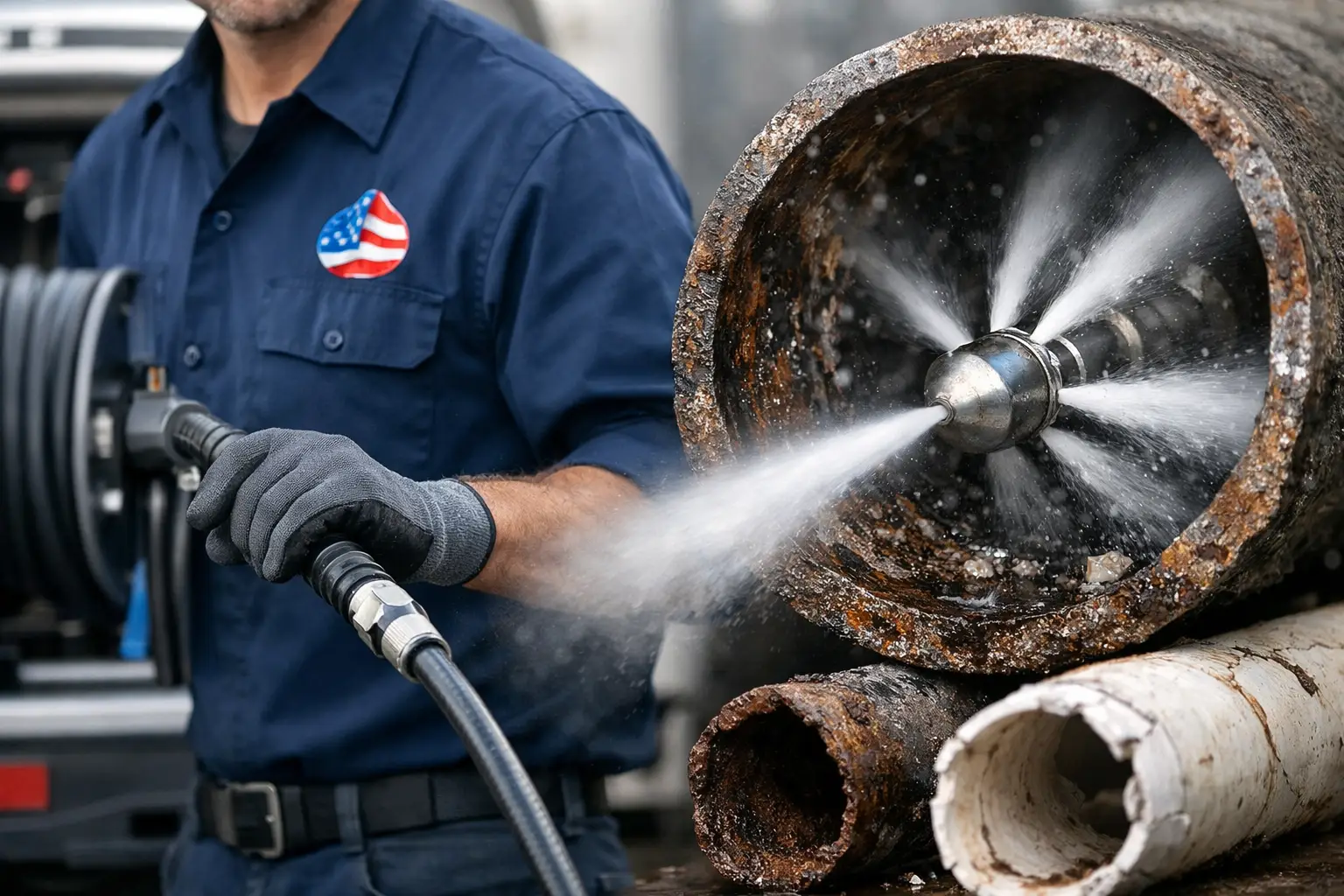
If your home has older galvanized steel pipes, corrosion inside the pipe walls may be reducing the opening where water can pass through. That means pressure can slowly drop over the years, especially at fixtures farther from the main line.
This kind of problem does not improve with a quick cleaning or valve adjustment. In fact, it tends to get worse over time. If you have recurring low pressure in an older home, pipe condition should be part of the evaluation.
The trade-off here is cost versus reliability. A localized pipe repair may help if the issue is limited to one section, but if corrosion is widespread, patchwork repairs can turn into repeated service calls. In that case, a broader repipe plan may make more financial sense long term.
If only hot water pressure is low, check the water heater side
When cold water pressure seems fine but hot water is weak, the issue may be tied to the water heater or the hot water distribution lines. Sediment buildup, partially closed valves, or a failing component can all affect hot side flow.
Tank water heaters can collect sediment over time, especially in areas with mineral-heavy water. That buildup can reduce performance and contribute to flow issues. Tankless systems can also develop scale that affects operation if maintenance has been delayed.
Because water heaters involve gas, electrical, temperature, and pressure components, this is usually a better service call than a trial-and-error repair. A proper inspection can tell you whether the unit needs maintenance, repair, or replacement.
When low water pressure is an emergency
Not every low pressure problem is urgent, but some are. If the pressure drops suddenly across the whole house, especially with signs of leaking, water damage, or unusual sounds in the plumbing, it should be treated as a same-day issue.
The same is true if low pressure appears after a pipe break, slab leak symptoms, or sewer-related backups. Water supply problems can overlap with bigger plumbing failures, and waiting too long can increase damage and repair costs.
A dependable residential plumber should be able to identify the source quickly, explain what is happening in plain language, and give you a straightforward path to repair.
When to stop troubleshooting and call a plumber
If you have already cleaned the fixture, checked the visible valves, and ruled out a neighborhood-wide issue, the next step is usually professional diagnosis. Low water pressure is one of those problems where the visible symptom can come from several very different causes.
That is why speed matters. The right repair for a clogged aerator is simple. The right repair for a hidden leak, damaged main line, or failing regulator is not something you want to delay. Homeowners in Menifee and nearby communities often call when the pressure issue starts interfering with daily routines, but the best time is before it turns into property damage.
American Plumbing Service handles residential plumbing problems with the kind of clear communication homeowners need when something is wrong. Whether the issue is a leak, a valve problem, aging pipes, or a water heater concern, getting the cause confirmed early can save time, stress, and unnecessary repair costs.
If your water pressure has been getting worse or dropped without warning, trust what your house is telling you. A small inconvenience can point to a larger plumbing problem, and catching it early is often the difference between a quick repair and a much bigger mess.