A sewer line problem usually starts with something small – a slow drain, recurring backups, a patch of grass that stays wet. Then the camera inspection shows the real issue: the pipe is cracked, collapsed, offset, or packed with roots. At that point, most homeowners ask the same question about trenchless vs traditional sewer replacement: which option fixes the problem without creating a bigger one in the yard, driveway, or budget?
The answer depends on the condition of the pipe, where the line runs, and how much damage has already happened. Both methods can solve a failing sewer line. The right choice comes down to what your property needs, how fast the repair needs to happen, and whether the existing pipe can support a trenchless method.
What trenchless vs traditional sewer replacement really means
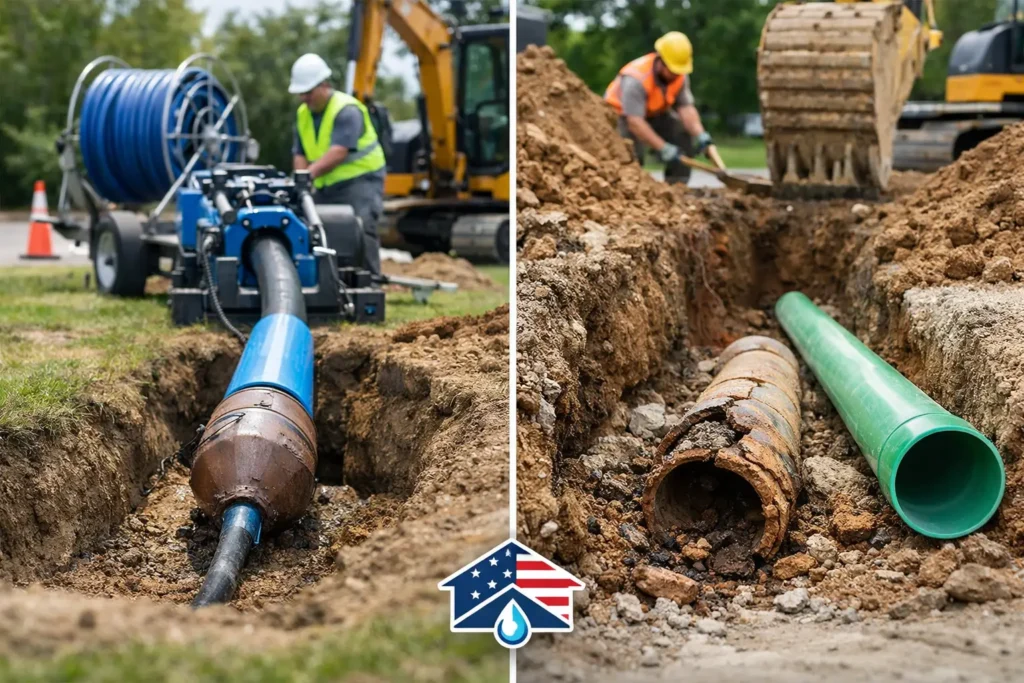
Traditional sewer replacement is the method most homeowners picture first. A trench is dug along the sewer line so the damaged pipe can be exposed, removed, and replaced. If the line runs under landscaping, concrete, fencing, or parts of the driveway, those areas may also need to be opened up and later restored.
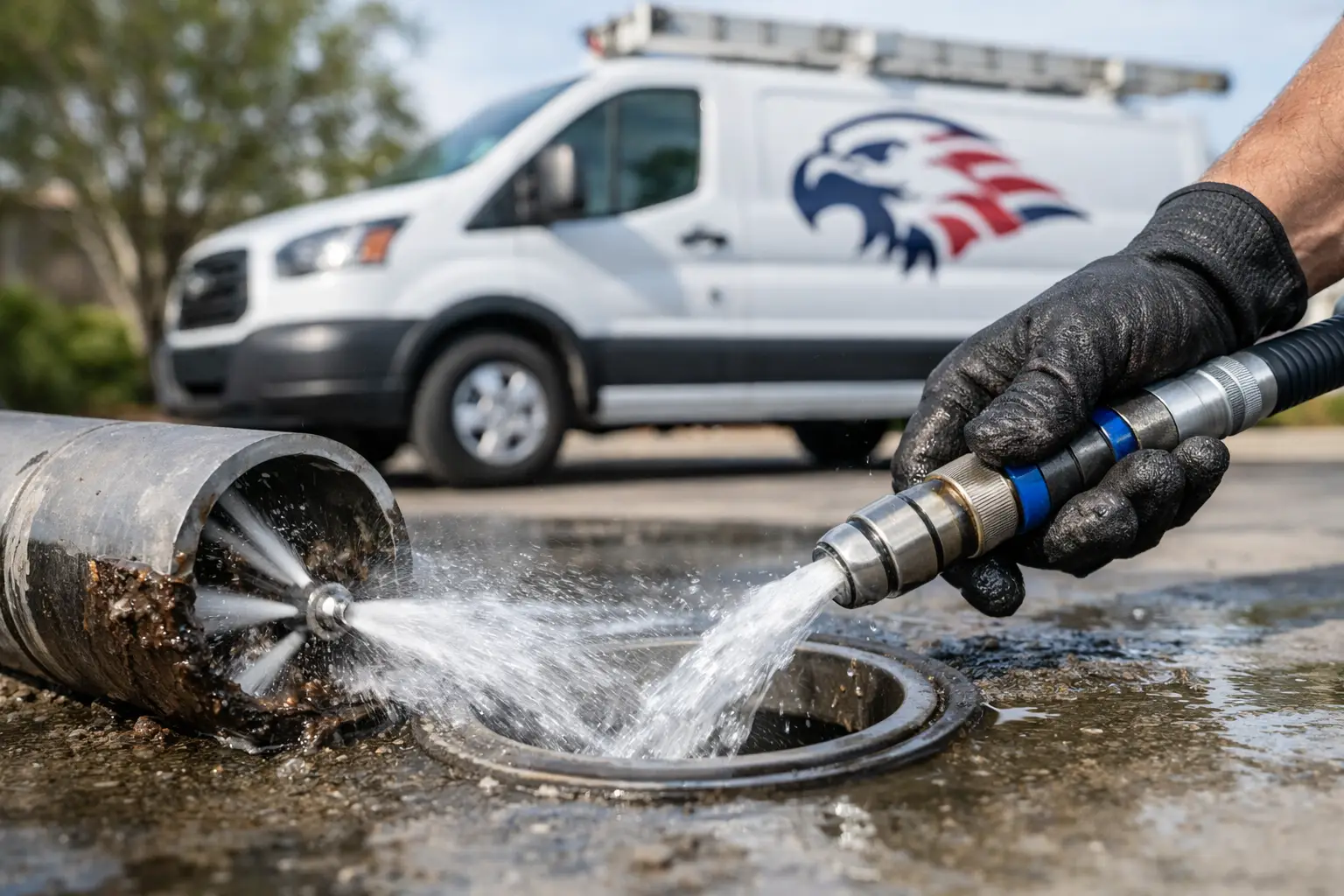
Trenchless sewer replacement avoids a full-length excavation. Instead of digging a long trench from the house to the city connection, the plumber typically creates one or two access points and replaces or installs the new line underground. The most common trenchless methods are pipe bursting and cured-in-place lining, depending on the condition and layout of the existing line.
For homeowners, the biggest difference is disruption. Traditional replacement gives direct access to the whole pipe. Trenchless work is designed to reduce digging, protect the property, and shorten the timeline when the pipe qualifies.
When trenchless sewer replacement makes sense
Trenchless replacement is often a strong option when the existing sewer line is damaged but still suitable for a trenchless process. If the pipe path is known, access is possible, and the line has not fully collapsed in a way that blocks installation, trenchless can save a lot of surface damage.
This matters most when the sewer line runs under expensive hardscape or established landscaping. If your line passes under a driveway, patio, walkway, retaining wall, or mature trees, traditional excavation can turn a plumbing repair into a larger property restoration project. In those cases, trenchless replacement may reduce both hassle and total cost once concrete, pavers, and yard repairs are factored in.
It also tends to be faster. A trenchless job can often move more quickly because there is less excavation, less debris removal, and less reconstruction afterward. For households dealing with active sewer issues, that shorter timeline matters.
That said, trenchless is not automatic. A camera inspection is what determines whether the line can be lined, burst, or whether excavation is still the safer and more complete fix.
Benefits homeowners usually notice first
Most homeowners notice the same practical advantages right away: less digging, less mess, and less damage to the yard. The project can feel more contained, which is a big deal when the work is happening at your home instead of a commercial property.
There is also a convenience factor. If the repair avoids tearing through a driveway or large sections of landscaping, you are not coordinating as many follow-up repairs with other contractors. For busy families, that simplicity matters just as much as the plumbing work itself.
When traditional sewer replacement is the better choice
Traditional replacement is still the right answer in many situations. If the sewer line has fully collapsed, has severe misalignment, or has sections that are badly crushed, excavation may be the only dependable way to remove the damaged pipe and rebuild the line correctly.
It is also the better option when the pipe route needs to be changed. If the existing layout has poor grading, repeated problem spots, or installation issues from the start, digging the line up gives the plumber full control over the new pipe placement. That can solve more than the immediate failure.
Some properties are also easier to excavate than others. If the sewer line runs through open soil with good access and minimal obstacles, traditional replacement may be more straightforward than homeowners expect. In those cases, the cost gap between methods may be smaller.
Why excavation is sometimes worth it
Traditional replacement gives full visual access to the line and surrounding conditions. That matters when there are multiple issues, such as root intrusion, belly sections, broken joints, or old materials that have failed in several places.
If the goal is to remove every compromised section and start fresh with a clear view of the installation, excavation offers that level of certainty. It is more disruptive, but sometimes that disruption is the price of doing the job the right way.
Cost differences in trenchless vs traditional sewer replacement
Homeowners often assume trenchless is always cheaper. That is not always true. The installation itself can cost as much as or more than traditional excavation, depending on the method, pipe length, depth, access, and local conditions.
Where trenchless often saves money is outside the pipe work itself. If traditional replacement means cutting through concrete, removing mature landscaping, replacing fencing, or rebuilding hardscape, the total project cost can climb quickly. Trenchless may reduce those restoration expenses.
Traditional replacement can be less expensive when the line is shallow, easy to reach, and located in a clear dirt area with no major surface obstacles. In those situations, excavation is simpler and the restoration is limited.
The real number to compare is not just plumbing labor. It is the full cost of repair plus cleanup and property restoration. That is why an onsite estimate matters. Two homes on the same street can need very different solutions.
Speed, mess, and day-to-day disruption
If your household is already dealing with sewer backups or recurring drain issues, timing matters. Trenchless replacement often has the edge on speed because there is less excavation and less reconstruction afterward. That can reduce the overall time your property feels like a work zone.
Traditional replacement generally takes more labor around digging, soil removal, access, and site restoration. Even when the pipe replacement itself is straightforward, the visible impact can last longer.
For many homeowners, the bigger issue is not just how long the repair takes. It is how much of the yard, driveway, or outdoor living space is affected while it is happening. If you want to limit that disruption, trenchless is appealing – when the pipe qualifies.
How long each option lasts
A properly installed sewer replacement should be built to last. Both trenchless and traditional methods can provide long-term performance when the right technique is used for the pipe condition.
Durability depends less on whether the line was replaced by trenchless or excavation and more on whether the diagnosis was accurate, the installation was done correctly, and the material fits the job. A rushed decision is what usually creates future problems.
This is why the inspection stage matters so much. Before choosing a method, the plumber should identify the exact cause of failure, the condition of the full line, and any access or grading concerns. Homeowners deserve a recommendation based on the pipe, not a one-size-fits-all sales pitch.
How to decide which sewer replacement is right for your home
If you are weighing trenchless vs traditional sewer replacement, start with the part that is not negotiable: a camera inspection and a clear explanation of the line condition. Without that, you are just guessing.
From there, the decision usually comes down to a few practical questions. Is the pipe structurally suitable for trenchless work? Does the line run under concrete, landscaping, or other areas you want to protect? Has the pipe collapsed or shifted enough that full excavation is safer? Are you trying to solve a simple replacement, or correct a larger layout problem?
A dependable residential plumber should walk you through those answers in plain language. You should know what is wrong, why a certain method is recommended, what the repair will involve, and what kind of property impact to expect. If financing, timing, or emergency scheduling matter, those should be part of the conversation too.
In Menifee-area homes, sewer problems can escalate fast once backups begin. The best next step is to confirm the condition of the line early, before repeated clogs turn into a larger and more expensive repair. A good sewer replacement plan should not just fix the pipe – it should make the process easier on your home, your schedule, and your peace of mind.