A slow kitchen sink rarely stays a slow kitchen sink. It can become standing water before dinner, a foul odor under the cabinet, or a backup that interrupts the whole household. This residential drain cleaning guide helps homeowners recognize what is safe to handle, what can damage pipes, and when a professional drain service is the faster, safer answer.
For homes in Menifee, Murrieta, Temecula, and nearby communities, drain issues can range from everyday buildup to a developing sewer line problem. The key is paying attention early. A drain that clears slowly is giving you a warning before it becomes an urgent call.
Start With the Location of the Clog
Where the water is backing up tells you a great deal about the likely cause. One affected fixture usually points to a local clog. For example, a bathroom sink that drains slowly may have hair, soap residue, toothpaste, or a small object caught near the drain opening or trap. A kitchen sink clog is more often caused by grease, food particles, and residue that has hardened inside the pipe.
When several fixtures drain slowly or back up at the same time, the issue may be farther down the line. If flushing a toilet causes water to rise in a shower or tub, or if water appears at a floor drain, treat it as a possible main sewer line blockage. Do not keep running water or flushing to test it. More use can turn a manageable blockage into a dirty, expensive backup.
Odors matter, too. A persistent sewer smell, gurgling drains, or bubbling toilet water can indicate restricted airflow or a partial blockage in the drain or sewer system. These signs deserve attention even if water is still draining.
Safe First Steps for Minor Drain Clogs
For a single slow sink, start with the simplest approach. Remove the stopper if possible and pull out visible hair or debris. A plastic drain tool can reach buildup just below the opening without scraping or damaging the pipe. Clean the stopper before reinstalling it, since sludge around the mechanism can restrict water flow.
A sink plunger can also help, but use the right technique. Add enough water to cover the plunger cup, seal the overflow opening with a damp cloth, and use several firm strokes. For a double-bowl kitchen sink, plug the second side before plunging. This directs pressure toward the clog instead of allowing it to escape through the other drain.
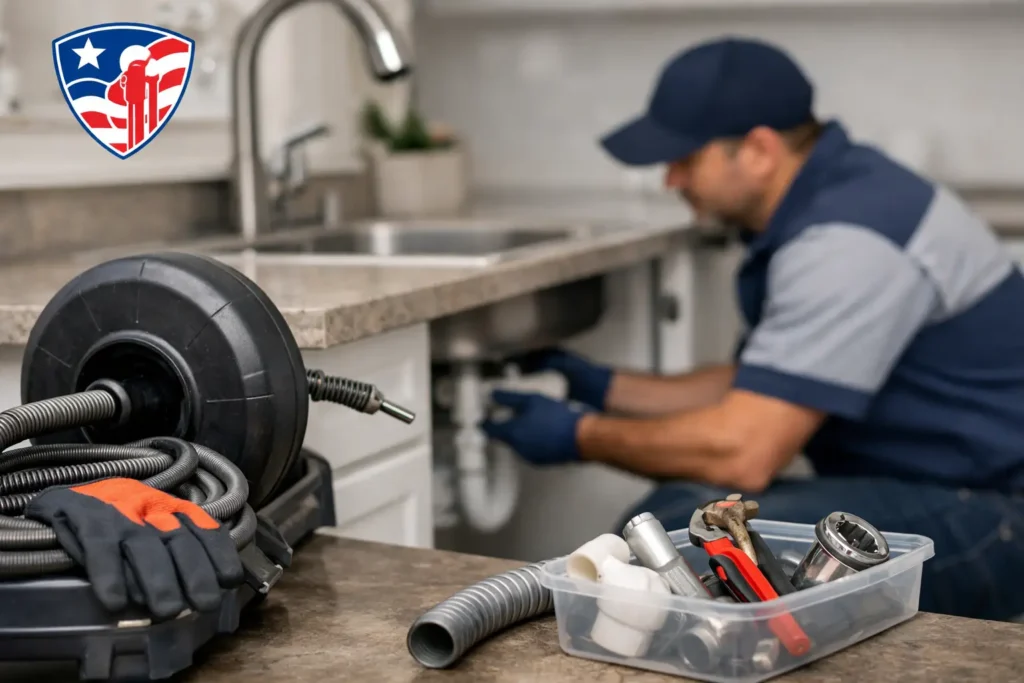
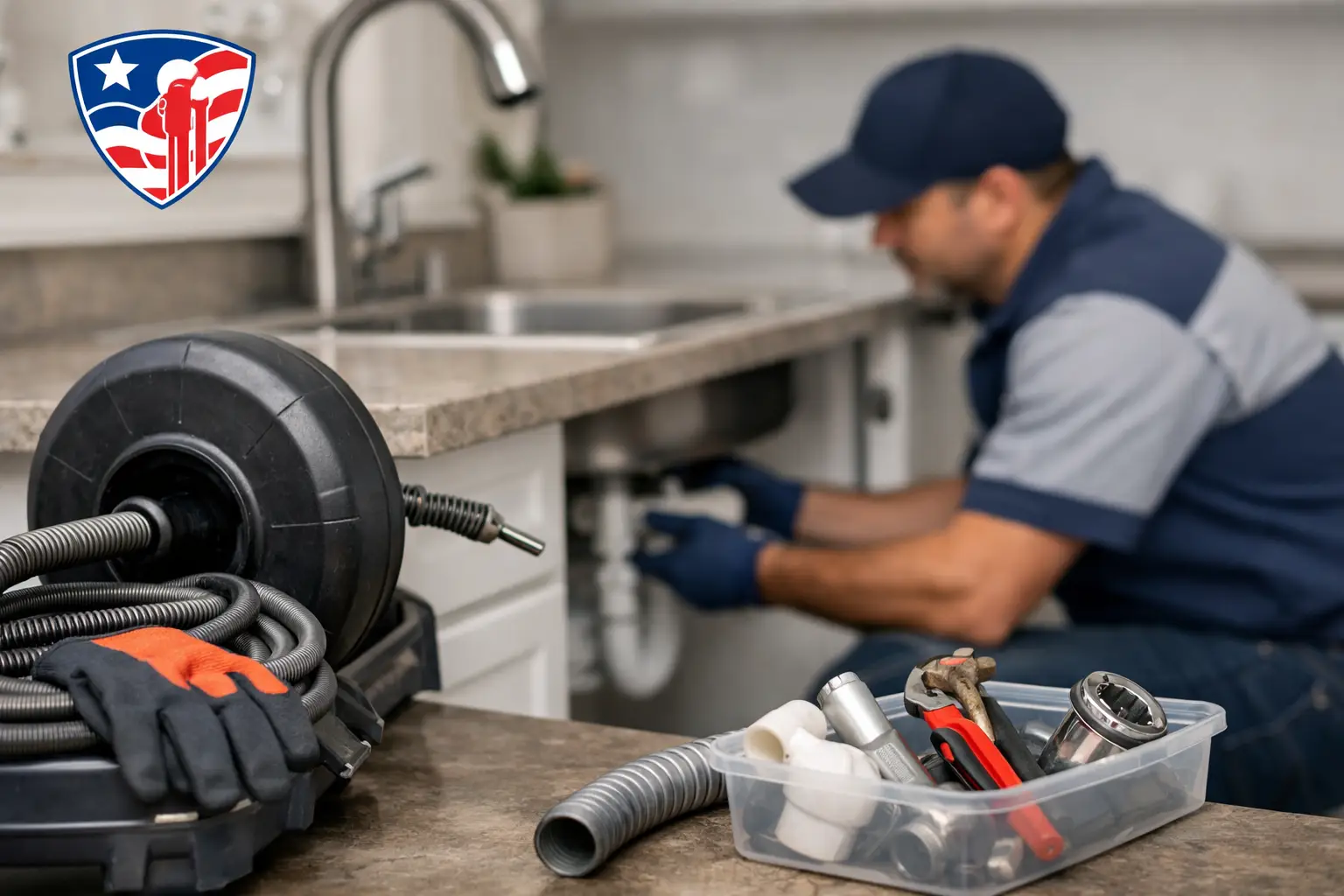
If the blockage appears to be in the P-trap under a sink, place a bucket beneath it before loosening the connections. The curved section commonly collects food debris, hair, and small dropped items. This is a reasonable homeowner task when the fittings are accessible and there is no sign of a larger backup. Reassemble the trap carefully, hand-tighten the connections, and run water slowly to check for leaks.
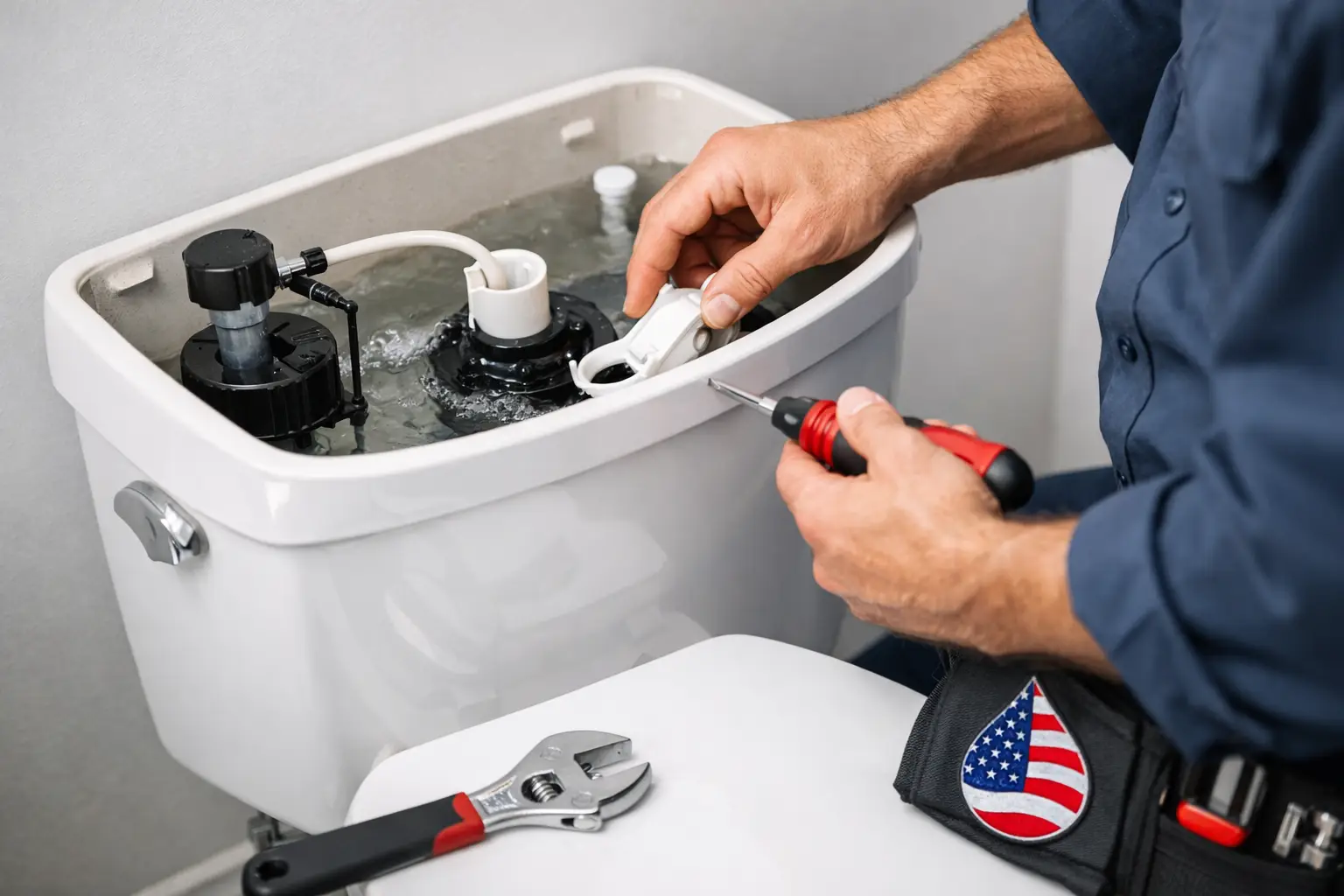
For a toilet, use a flange plunger rather than a flat sink plunger. Avoid repeated aggressive plunging if the bowl is near overflowing. Turn off the water supply valve behind the toilet if necessary, wait for the water level to drop, and call for help if the toilet will not clear or other drains are affected.
What Not to Put Down the Drain
Most preventable clogs begin with materials that should have gone in the trash or compost bin. Kitchen drains are not designed to process cooking grease, coffee grounds, eggshells, fibrous vegetables, rice, pasta, or large amounts of food waste. A garbage disposal can chop food, but it does not make grease or starch disappear. Those materials can settle farther down the line and create a tough blockage.
In bathrooms, wipes are a frequent problem. Even products labeled flushable do not break down like toilet paper in every plumbing system. Paper towels, cotton swabs, floss, hygiene products, and makeup wipes should never be flushed. Hair catches on soap residue inside shower and tub drains, so using a simple drain screen is one of the easiest ways to reduce recurring clogs.
It also helps to run cold water while using the disposal and for a short time afterward. Cold water helps keep fats more solid so the disposal can move small amounts through the system. That said, the best approach is to keep greasy material out of the disposal altogether.
Chemical Drain Cleaners Can Create Bigger Problems
Store-bought chemical drain cleaners may seem like the quickest fix, but they come with trade-offs. Strong chemical products can generate heat, damage older pipes, weaken seals, and create a hazardous situation for anyone who later opens the drain or works on the plumbing. They often fail to remove the full clog, especially when hair, grease, roots, or a damaged pipe is involved.
Avoid mixing drain cleaners or combining them with bleach, ammonia, or other household products. If you have already used a chemical cleaner, tell the plumber before service begins. That information helps protect everyone working around the drain.
A plunger, manual drain tool, or professional cable machine is generally a better choice than relying on harsh chemicals. For recurring or stubborn clogs, the goal is not just to punch a small hole through the blockage. The goal is to remove enough buildup that the drain can stay open.
When a Drain Snake Is Useful – and When It Is Not
A hand-crank drain snake can help with a shallow sink, tub, or shower clog. Use it gently and stop if you meet firm resistance. Forcing a cable can scratch fixtures, damage a trap, or get the tool stuck. It is also easy to push a clog farther down the line without actually clearing it.
Motorized drain equipment is more effective, but it requires experience. The cable size and cutting head need to match the pipe and the type of blockage. Using the wrong equipment can damage a pipe or leave the real cause untouched. This is especially true for older homes, fragile drain lines, and sewer pipes that may have cracks, offset joints, or tree root intrusion.
When Hydro-Jetting Makes Sense
Hydro-jetting uses high-pressure water to scour grease, sludge, scale, and debris from the inside of a drain or sewer line. It is often a strong option for recurring kitchen line clogs, heavy buildup, and certain sewer line blockages. Unlike a cable that may create a path through debris, hydro-jetting can clean a larger portion of the pipe wall.
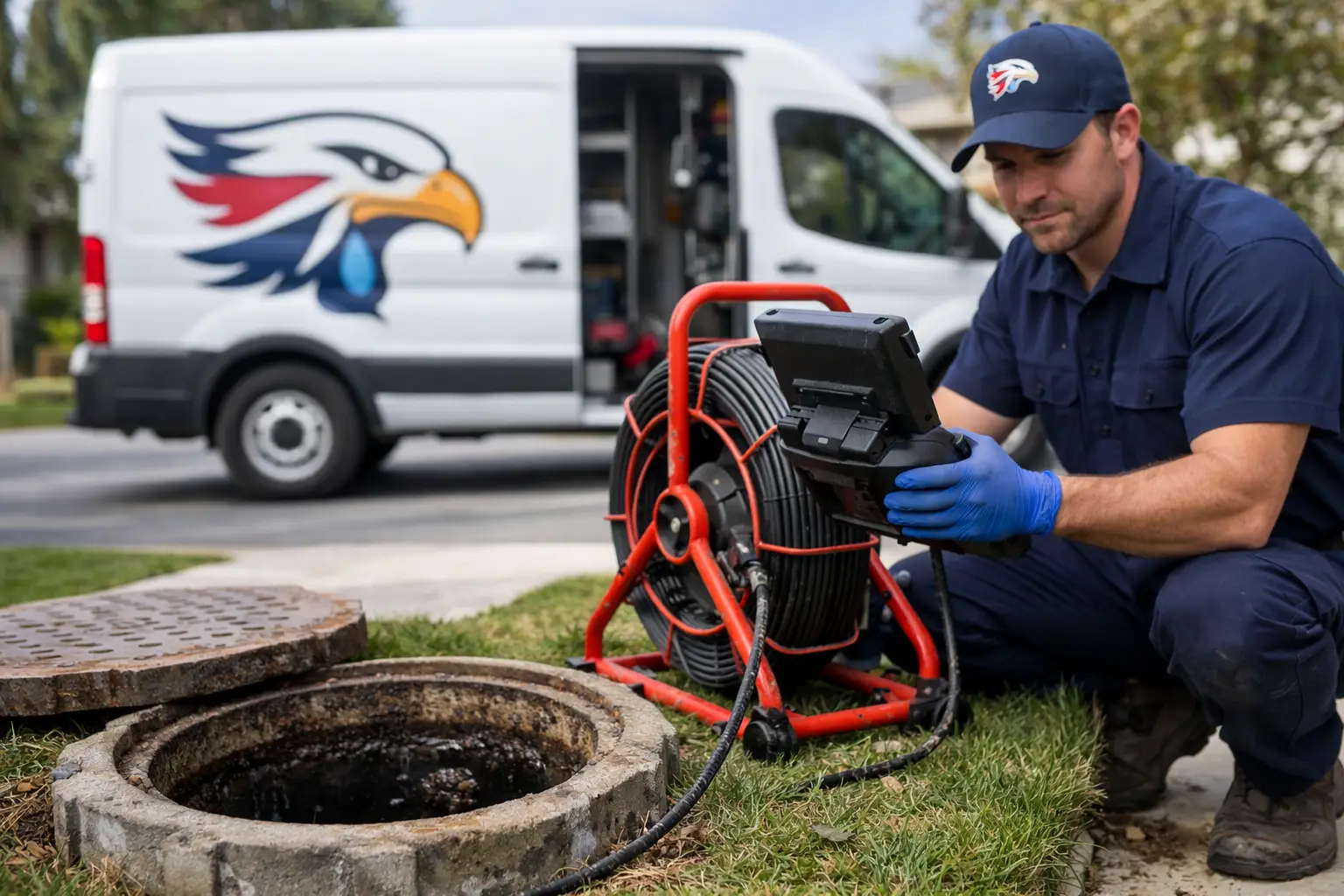
It is not the right first step for every home. If a line is badly damaged, collapsed, or made from aging material, a sewer camera inspection may be needed before high-pressure cleaning. A professional inspection helps identify whether the problem is buildup that can be cleaned, roots that need removal, or a structural pipe issue that requires repair.
Signs You Should Call a Professional Right Away
Do not wait on professional drain cleaning when you see sewage, repeated backups, or water coming up through a tub, shower, or floor drain. These situations can affect sanitation, flooring, and walls quickly. Shut off water use in the home as much as possible until the cause is identified.
You should also schedule service when a drain keeps clogging after plunging, multiple drains are slow, or gurgling occurs regularly. Repeated symptoms usually mean the blockage is beyond the fixture drain. A professional can use the appropriate cable equipment, hydro-jetting, or a camera inspection to locate the actual problem instead of guessing.
For homeowners with an active leak beneath a sink, water near electrical equipment, or a backup that is spreading across the floor, fast response matters. Move valuables away from the area, keep children and pets clear, and avoid using chemical cleaners before help arrives.
A Simple Prevention Routine That Works
Monthly maintenance does not need to be complicated. Clear hair from bathroom drain screens, wipe food debris from kitchen strainers, and watch how quickly water drains. If a fixture begins slowing down, address it before the line closes completely.
A few habits make the biggest difference: keep grease out of the sink, use plenty of water with the garbage disposal, throw wipes in the trash, and avoid treating every slow drain with chemicals. Homes with large families, frequent cooking, long hair, or older plumbing may need professional drain cleaning more often. It depends on how the plumbing is used and what condition the pipes are in.
A clear drain should stay clear. If yours keeps slowing down, gurgling, or backing up, getting the line properly inspected and cleaned now can prevent a disruptive sewer problem later. American Plumbing Service can help homeowners get a straightforward diagnosis and the right drain cleaning solution without unnecessary guesswork.