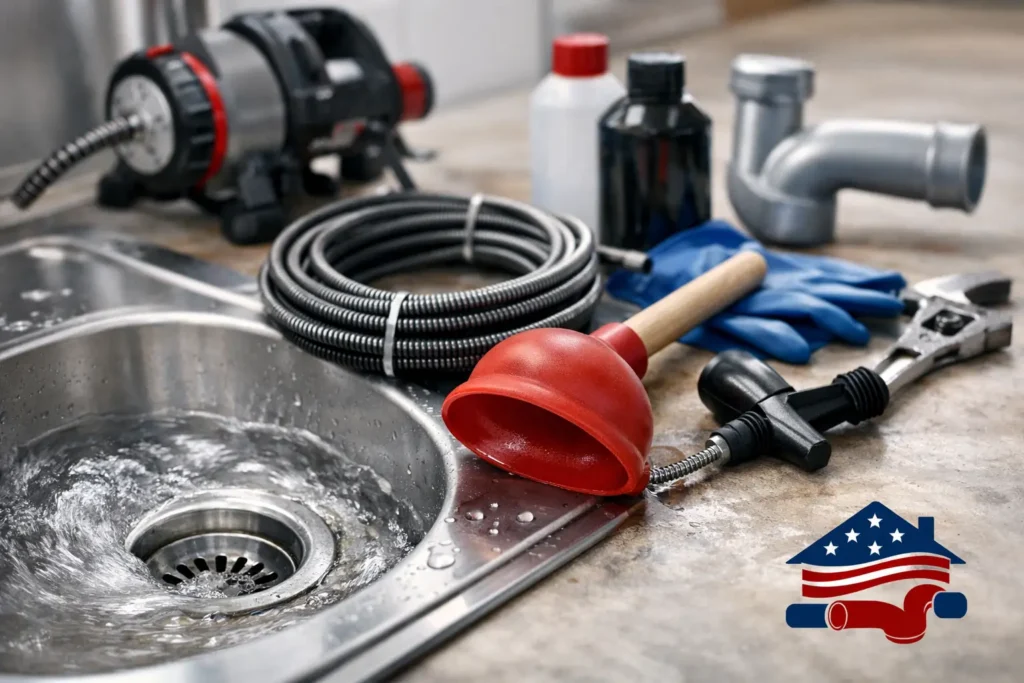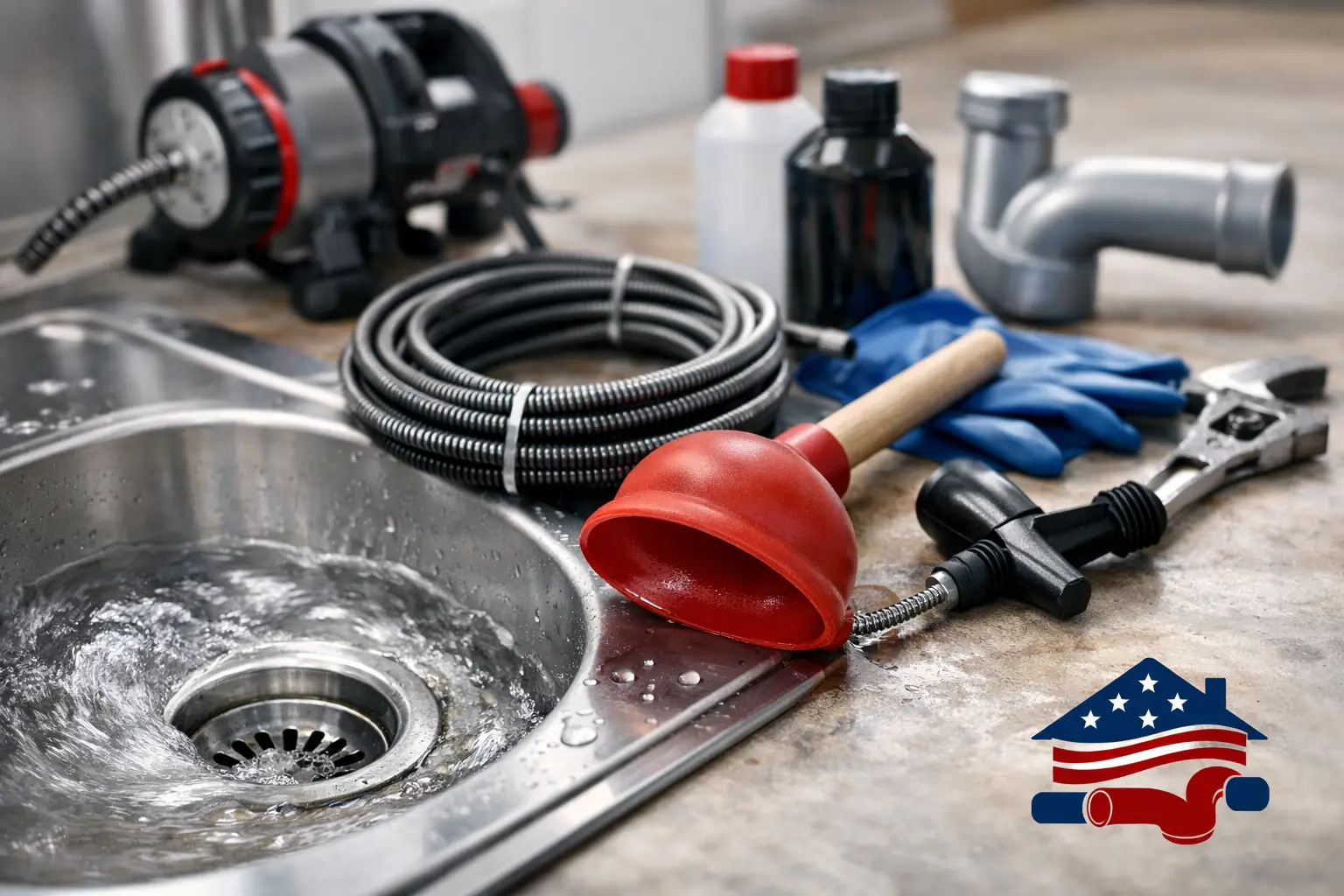
A kitchen sink that backs up while dinner is cooking or a shower that fills around your ankles is more than an inconvenience. The best drain cleaning methods for homes depend on where the clog is, what caused it, and whether the problem is isolated or affecting multiple fixtures. Starting with the right method can clear a simple blockage without turning a small issue into a damaged pipe or sewer backup.
Best Drain Cleaning Methods for Homes: Start With the Clog Type
A single slow sink, tub, or shower drain usually points to a local clog near that fixture. Hair, soap residue, food scraps, grease, and toothpaste buildup are common causes. If several drains are slow, toilets bubble when a sink drains, or water comes up in a tub after flushing, the issue may be deeper in the main sewer line.
That distinction matters. A plunger or drain snake may solve a hair clog in the bathroom, but it will not correct roots, a collapsed pipe, or heavy buildup in the sewer line. Before trying any method, pay attention to which fixtures are affected and whether the problem keeps coming back.
Remove visible debris first
For bathroom sinks and showers, start with the simplest step: remove the stopper or drain cover and pull out visible hair and buildup. A plastic drain-cleaning tool can reach several inches into the drain and often removes the hair clump causing the slowdown.
Wear gloves and have a small bag ready for debris. Do not push the material farther down with a screwdriver or improvised tool. Once the blockage is cleared, run warm water for a few minutes to confirm that the drain is flowing normally.
Use a plunger correctly
A standard cup plunger is effective for sinks, tubs, and showers when the clog is close to the drain opening. Add enough water to cover the rubber cup, then create a tight seal over the drain. Pump firmly several times and check whether the water begins to move.
For a double kitchen sink, seal the second drain opening with a wet rag before plunging. For a bathroom sink, cover the overflow opening with a damp cloth so the plunger can build pressure. A plunger works through pressure, not brute force, so a good seal is more useful than aggressive pumping.
Clean the P-trap under a sink
When a bathroom or kitchen sink remains slow after plunging, the P-trap may be holding the blockage. This curved pipe under the sink catches debris and prevents sewer gases from entering the home. It can also collect grease, food particles, and small objects.
Place a bucket and towels under the trap, then carefully loosen the slip nuts by hand. Empty the water and debris into the bucket, rinse the trap, and reinstall it securely. Check for leaks after running water. If the connections are corroded, difficult to remove, or already leaking, it is safer to schedule a plumbing professional rather than force the fittings.
When a Drain Snake Is the Best Choice
A hand-crank drain snake, also called a drain auger, is one of the best drain cleaning methods for homes with a clog beyond the reach of a plastic hair tool. It is especially useful for bathroom sink, tub, and shower drains where hair and soap buildup collect farther inside the branch line.
Feed the cable slowly into the drain until you feel resistance. Turn the handle gently to work through or grab the blockage, then pull the cable back out gradually. Clean the cable before storing it, and test the drain with running water.
Drain snakes require some care. Forcing a cable can scratch porcelain, damage older pipes, or cause the cable to bind in the line. Avoid using a small hand snake in a toilet. Toilets need a closet auger with a protective sleeve designed for the fixture.
Hot Water and Enzyme Cleaners: Helpful for Light Buildup
For a kitchen sink that is draining slowly but is not fully blocked, hot water can help loosen light grease residue. Run hot tap water for several minutes after washing dishes, especially if grease or oil may have entered the drain. If you have older plumbing or PVC piping, avoid pouring large amounts of boiling water down the drain. Very hot water can stress certain pipe materials and connections.
Enzyme-based drain cleaners can also be useful for ongoing maintenance. These products use bacteria or enzymes to break down organic material over time. They are not a fast fix for a solid clog, but they can help reduce soap residue and organic buildup when used as directed.
Baking soda and vinegar are popular home remedies, but expectations should be realistic. The fizz may help with mild odor or loose surface residue, yet it is unlikely to clear a dense hair clog, hardened grease, or a blockage in the main sewer line. If water is not moving, use a mechanical method or call for service instead of repeating household remedies.
What Homeowners Should Avoid
Chemical drain cleaners can seem like the quickest answer, but they often create more problems than they solve. Caustic liquids can damage pipe interiors, weaken seals, and create a safety risk if someone later opens the drain or uses a snake. They are particularly risky in older homes and are not a reliable solution for recurring clogs.
Avoid putting grease, cooking oil, coffee grounds, eggshells, fibrous vegetables, or large food scraps down a kitchen drain. A garbage disposal is not a substitute for a trash can, and grease can cool farther down the line where it hardens into a stubborn blockage.
It is also wise not to keep testing a backed-up drain by running more water. If the drain is completely blocked, additional water can overflow cabinets, floors, or shower pans. Stop using the affected fixture and deal with the clog before it becomes water damage.
Signs the Problem Is in the Sewer Line
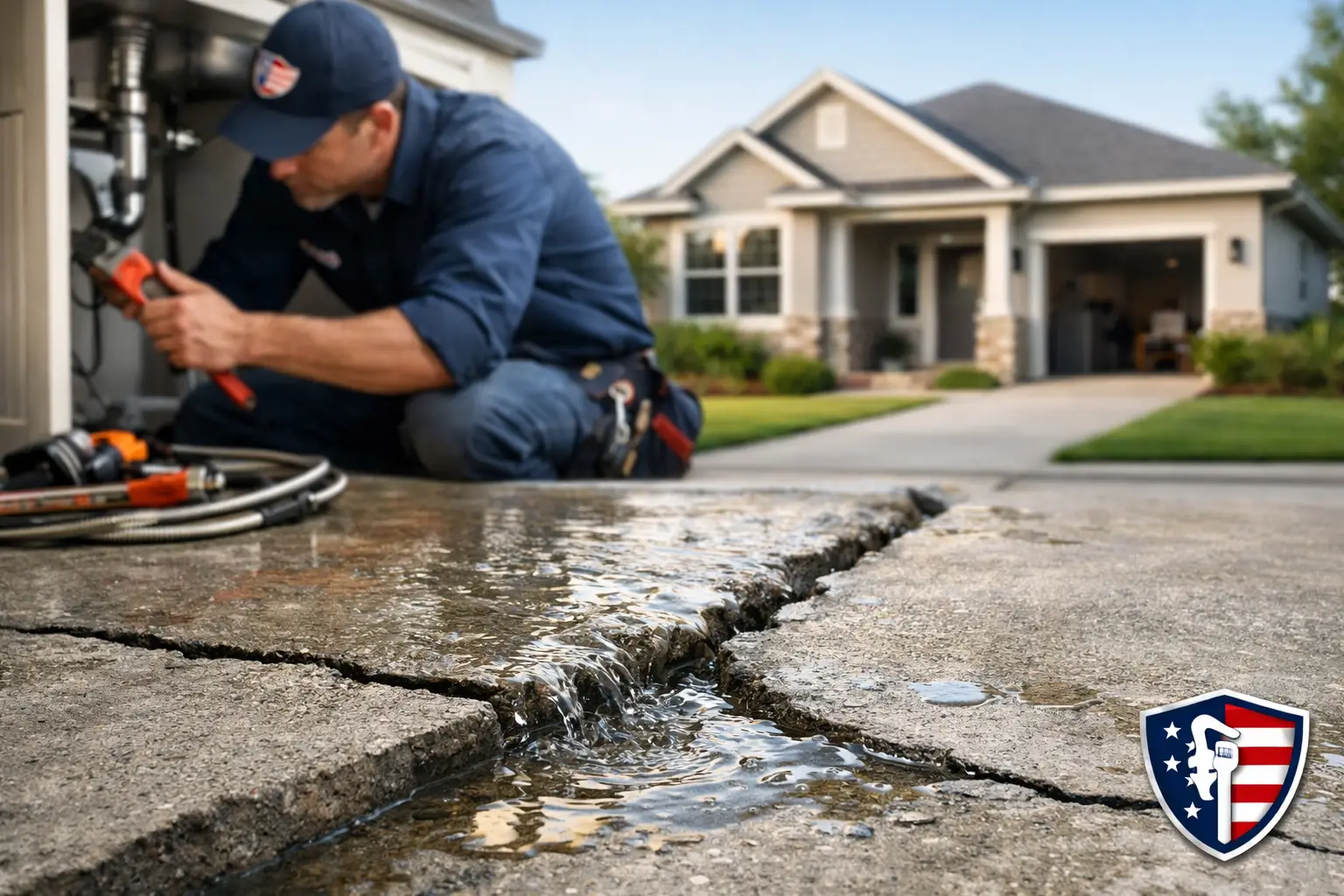
A main sewer line issue needs professional attention because the blockage is outside the reach of most household tools. Warning signs include multiple slow drains, sewage odors, gurgling toilets, water backing up into a tub or shower, and recurring clogs that return soon after being cleared.
Tree roots are a common concern in established neighborhoods, but they are not the only cause. Sewer lines can develop scale buildup, bellies where the pipe sags, cracked sections, offset joints, or damage from age and shifting soil. Clearing the line without identifying the cause may provide temporary relief, but it will not prevent another backup.
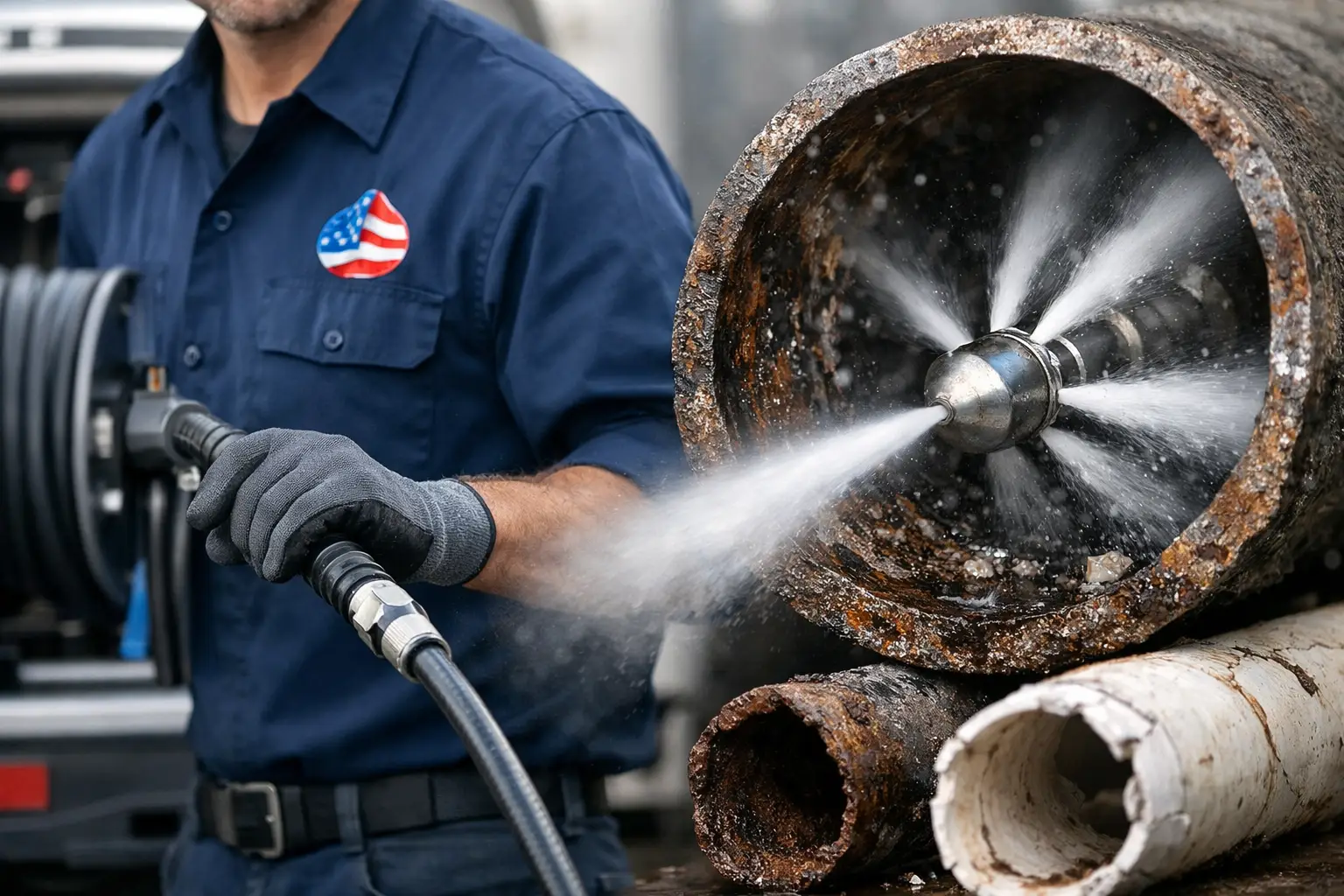
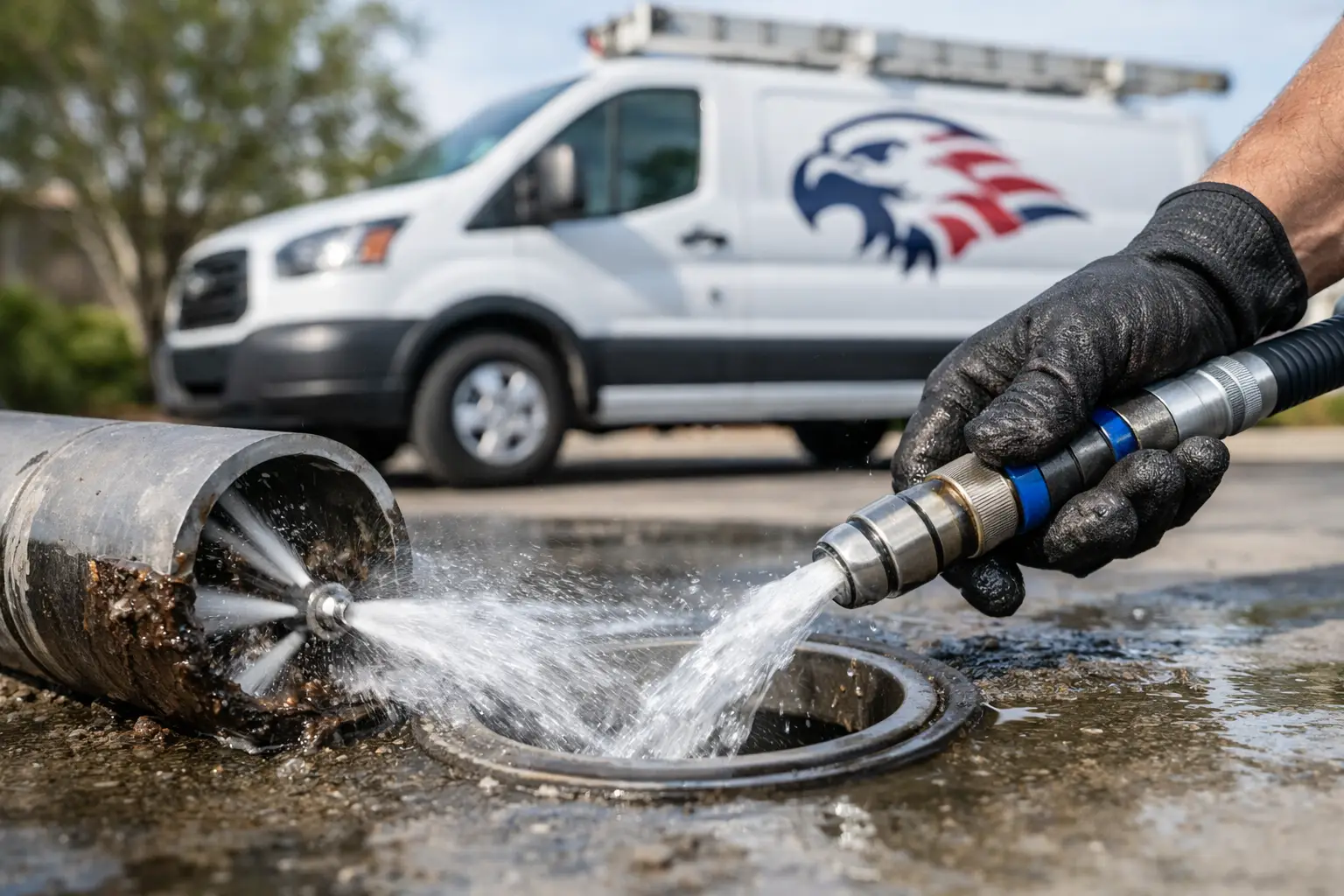
A sewer camera inspection shows what is happening inside the pipe and helps determine the right repair. Depending on the condition of the line, professional drain cleaning, hydro-jetting, spot repair, or trenchless sewer replacement may be recommended. Hydro-jetting uses controlled high-pressure water to remove heavy grease, sludge, and root intrusion, but it should only be performed after a technician evaluates the pipe condition.
When to Call for Professional Drain Cleaning
Call for help when a clog keeps returning, affects more than one fixture, causes sewage to back up, or does not respond to basic plunging and cleaning. You should also call if you suspect a broken drain pipe, see water leaking beneath a fixture, or have used a chemical cleaner and the drain is still blocked. Let the technician know about the product before any work begins.
For homeowners in Menifee, Murrieta, Temecula, and nearby communities, American Plumbing Service can identify whether the problem is a fixture clog or a sewer line issue and explain the next step clearly. A professional diagnosis can prevent unnecessary repairs and help restore normal drainage without guesswork.
A slow drain is easiest to handle before it becomes a full backup. Clear visible debris, use the right tool for a simple local clog, and stop using the fixture when the signs point to a deeper problem. Fast action protects your home, your floors, and your plumbing system.