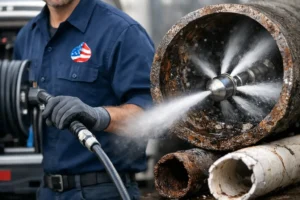
A slow kitchen sink at 8 a.m. is annoying. A backed-up shower or toilet by dinner is a problem that needs a real fix. When homeowners compare hydro jetting vs snaking drains, the right choice usually comes down to what is causing the clog, how often it comes back, and how much buildup is hiding inside the pipe.
Both methods can clear drains. The difference is that they solve different levels of blockage. If you choose the wrong one, the drain may open up for a day or two, then clog again just as fast.
Hydro jetting vs snaking drains: the basic difference
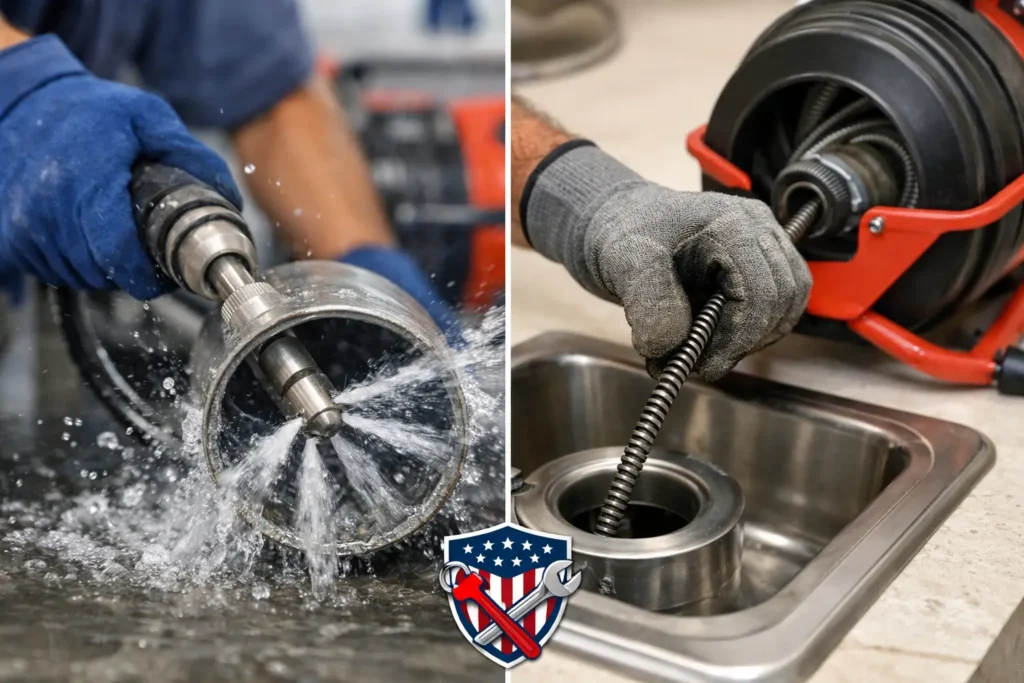
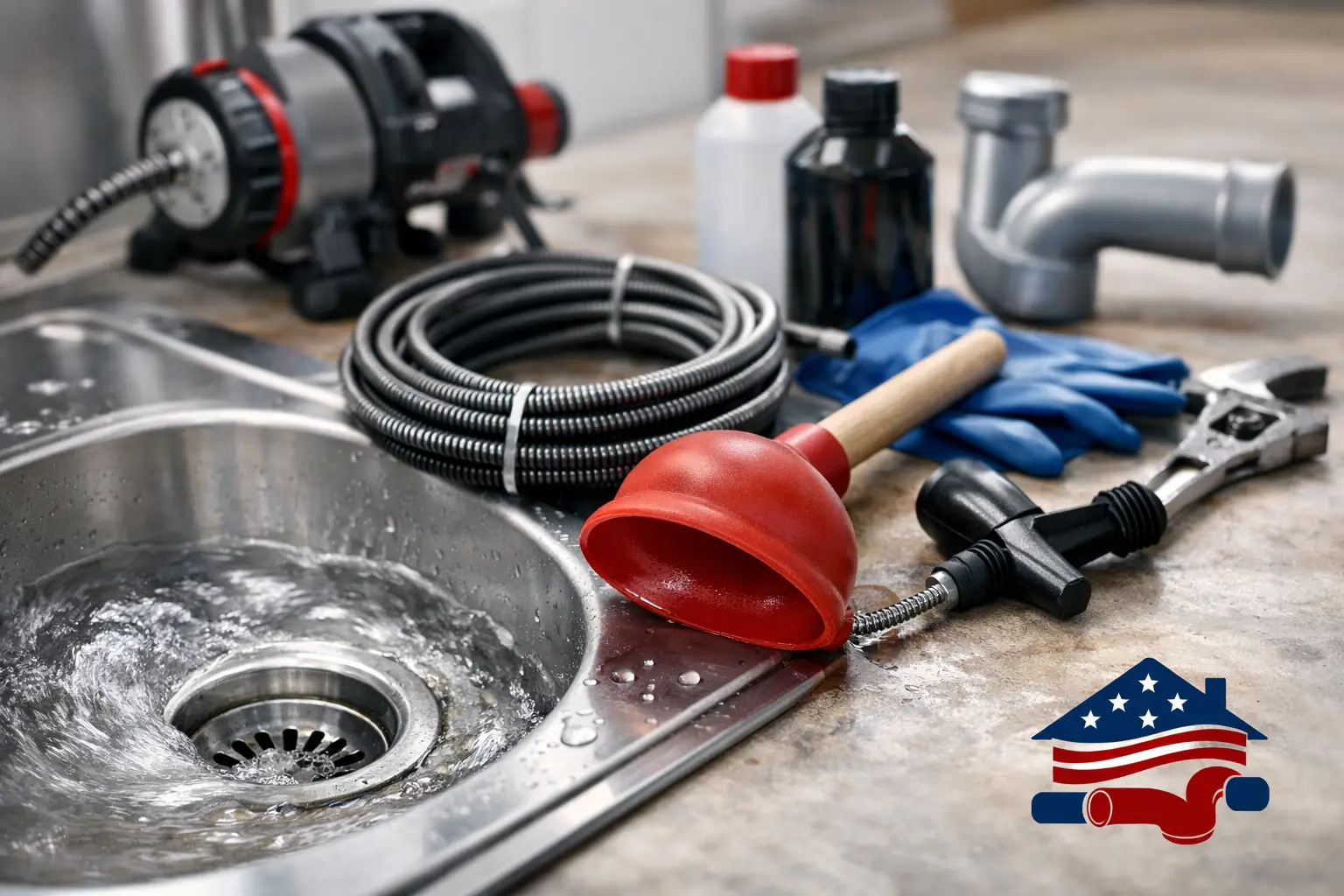
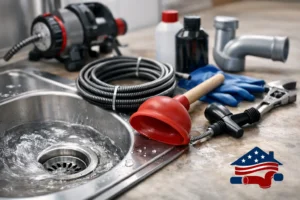
Drain snaking is the more familiar option. A plumber feeds a flexible cable into the drain and uses it to break through or pull apart a blockage. It is designed to create an opening so water can move again.
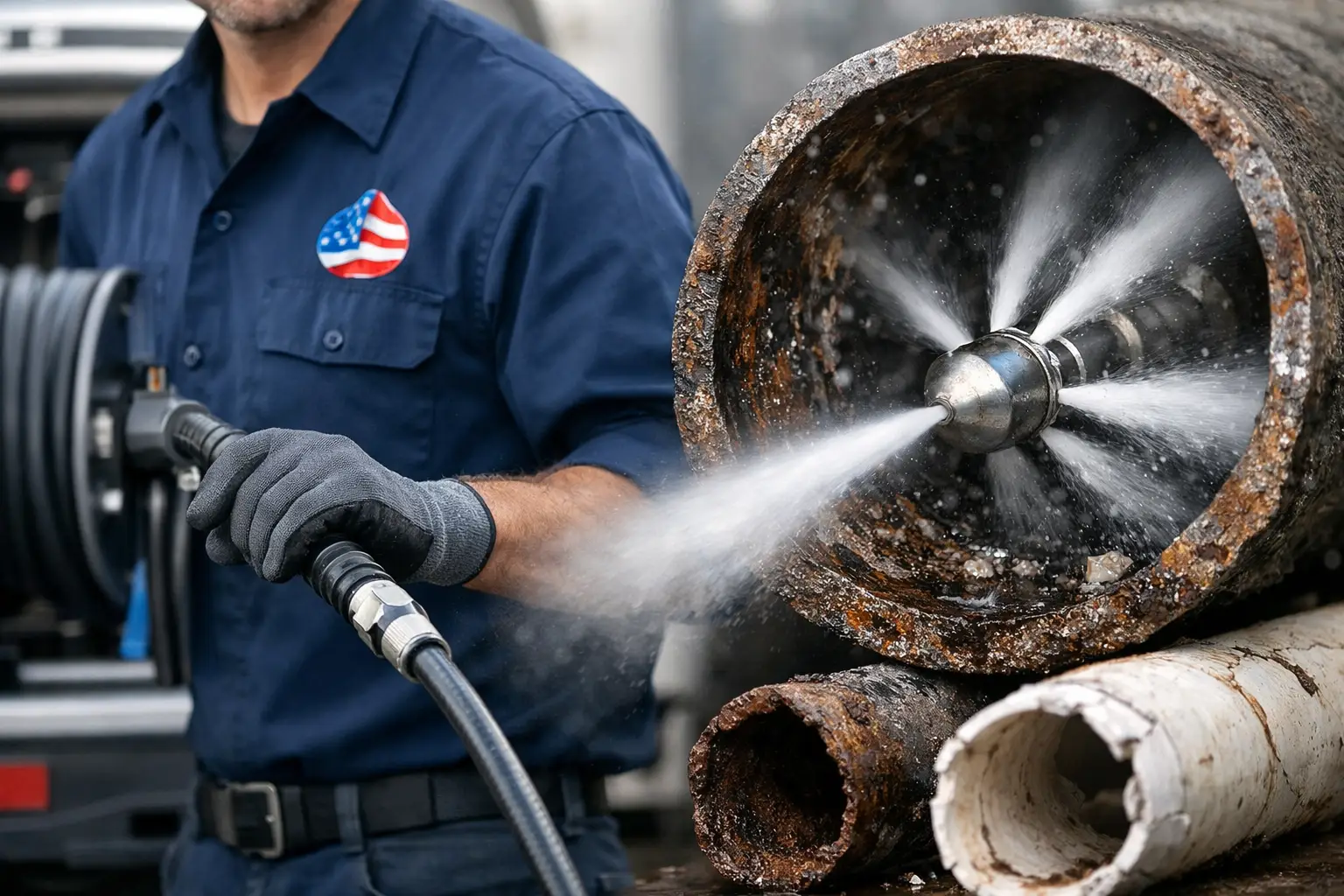
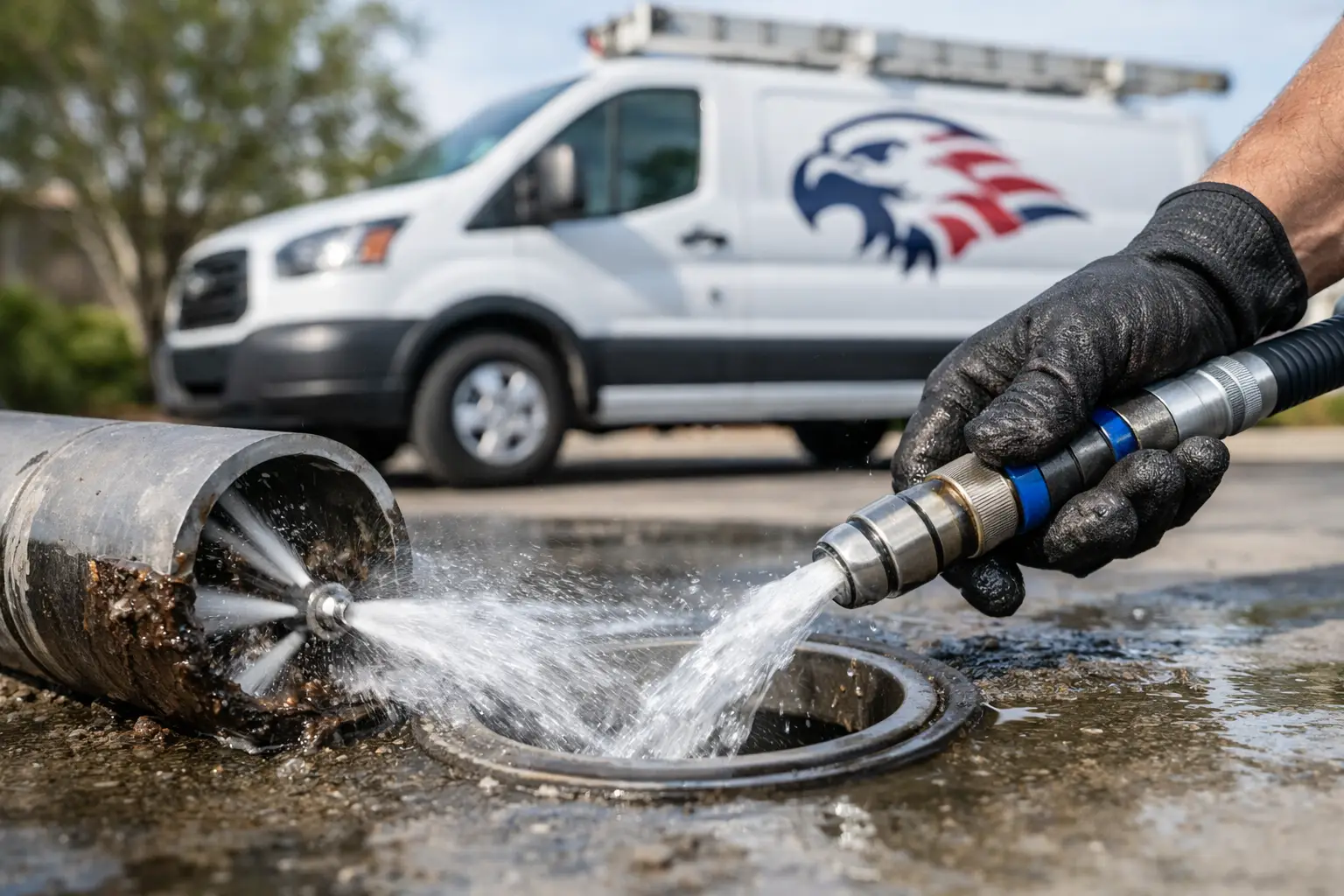
Hydro jetting uses highly pressurized water to scour the inside of the pipe. Instead of just punching a hole through the clog, it washes away grease, sludge, soap residue, and other debris that has built up along the pipe walls.
That is why hydro jetting vs snaking drains is not really a question of which one is always better. It is a question of which one matches the condition of your plumbing.
When drain snaking makes the most sense
Snaking is often the right first step for isolated clogs. If one sink is draining slowly and the issue is close to the fixture, a snake can often break through the blockage quickly. The same goes for hair clogs in bathroom drains or a single toilet that is backing up without signs of a larger sewer problem.
For homeowners, the biggest advantage is speed. Snaking is usually faster for a straightforward clog, and it can be a practical option when the pipe does not need a full cleaning. It is also less aggressive than hydro jetting, which matters in some older or damaged pipes.
But there is a trade-off. A snake usually opens the drain by boring through the blockage, not by removing everything coating the inside of the line. If grease, soap scum, or scale is the real issue, the pipe may still be narrowed after service. Water flows again, but the problem may not stay solved for long.
When hydro jetting is the better solution
Hydro jetting is usually the stronger choice when clogs keep coming back or when multiple drains in the home are acting up at once. It is especially effective for grease-heavy kitchen lines, main sewer lines with heavy sludge, and drains that have years of buildup inside them.
Instead of just attacking one point in the line, hydro jetting cleans the pipe more completely. That can make a big difference if your sink has been slow for months, if foul odors keep coming from the drain, or if backups happen even after previous snaking.
This is also why hydro jetting is often used after a sewer camera inspection. If the plumber can see thick residue lining the pipe, jetting can restore much more of the pipe’s interior diameter than a cable machine can.
For many homeowners, the value is not just that hydro jetting clears a clog. It is that it can reduce repeat service calls by removing the buildup that keeps trapping debris.
The real issue: what is inside the pipe?
Most drain problems do not look serious from the outside. Water drains a little slower. You hear gurgling. Maybe one sink smells bad. But the visible symptom does not tell you whether the line has a soft blockage near the opening or a long stretch of residue deeper in the system.
Hair and paper clogs often respond well to snaking. Thick grease, food waste, soap buildup, and mineral scale are different. Those materials can smear, harden, and cling to the pipe walls. A snake may punch through the middle while leaving most of the buildup behind.
Tree roots are another example. A snake may cut through some roots and reopen the line, but hydro jetting can often do a more complete job of clearing root fragments and debris after the initial opening. Still, if roots are entering through a cracked or broken pipe, cleaning alone is not the full answer. In that case, the pipe condition matters as much as the blockage itself.
Is hydro jetting always the better choice?
No, and that is where an honest inspection matters.
Hydro jetting is powerful, but it is not ideal for every system. If a pipe is already fragile, collapsed, badly corroded, or cracked, high-pressure water can make the situation worse. That is why experienced plumbers often inspect the line first, especially when dealing with older sewer lines or recurring backups.
Snaking can be the safer option when the goal is to restore temporary flow in a compromised line while figuring out the next repair step. It can also be the practical choice for a simple blockage in a branch drain where a full jetting service would be more than the situation requires.
The best plumbing companies do not push one method every time. They look at the age of the line, the likely cause of the clog, and whether you need a quick opening or a more thorough cleaning.
What homeowners usually notice after each service
After snaking, the most common result is immediate relief. Water starts moving again, and the fixture may seem normal. If the blockage was simple, that may be all you need.
After hydro jetting, homeowners often notice a more complete change. Drains may empty faster, odors may improve, and recurring issues may stop showing up as often. That does not mean every line needs hydro jetting. It means the service tends to address the buildup left behind by less thorough methods.
If you have had the same drain snaked more than once in a short period, that is usually a sign to ask whether the pipe needs cleaning rather than another spot treatment.
Cost matters, but so does repeat service
For many homeowners, price is the first question. Snaking is often less expensive upfront, which makes sense for a small, localized clog. If the problem is isolated and unlikely to return, it can be the most cost-effective option.
Hydro jetting usually costs more because it is a more intensive service and may involve inspection first. But if it prevents repeated backups and multiple drain cleaning visits, it can save money over time.
The cheaper service is not always the lower-cost solution. If the drain clogs again next month, the real cost goes up fast, especially if the backup causes water damage or disrupts a busy household.
Signs you may need more than basic snaking
If you are deciding between hydro jetting vs snaking drains, pay attention to patterns. One slow sink is different from a home with frequent backups, bad drain odors, gurgling, or water showing up in tubs when toilets flush.
Those signs can point to a deeper blockage in the sewer line, not just a simple clog near one fixture. In that situation, a professional inspection is the safest way to avoid guessing. The right plumber should be able to explain what they found in plain language, tell you whether the line can be cleaned safely, and recommend the option that fits the actual condition of the pipe.
That kind of clarity matters when the problem is urgent. Homeowners do not want a plumbing lesson in the middle of a backup. They want to know what is wrong, what it will take to fix it, and how to keep it from happening again.
How to choose the right service for your home
If the clog is simple, recent, and limited to one drain, snaking may be all you need. If the problem keeps returning, affects multiple drains, or points to heavy buildup in the line, hydro jetting may give you a longer-lasting result.
In homes with older pipes, the safest path is usually inspection before jetting. That helps avoid forcing high pressure through a line that is already damaged. In homes with busy kitchens, large families, or a history of sewer issues, a more thorough cleaning approach often makes sense.
For residential plumbing, the best answer is rarely based on one method being “best” across the board. It is about matching the tool to the blockage and the condition of the pipe. A dependable local plumber should be able to make that call quickly and explain it clearly.
If your drains are slow, backing up, or clogging over and over, do not wait for the next mess to force the issue. Getting the line checked now can save you from a much bigger problem later, and that peace of mind is usually worth acting on early.