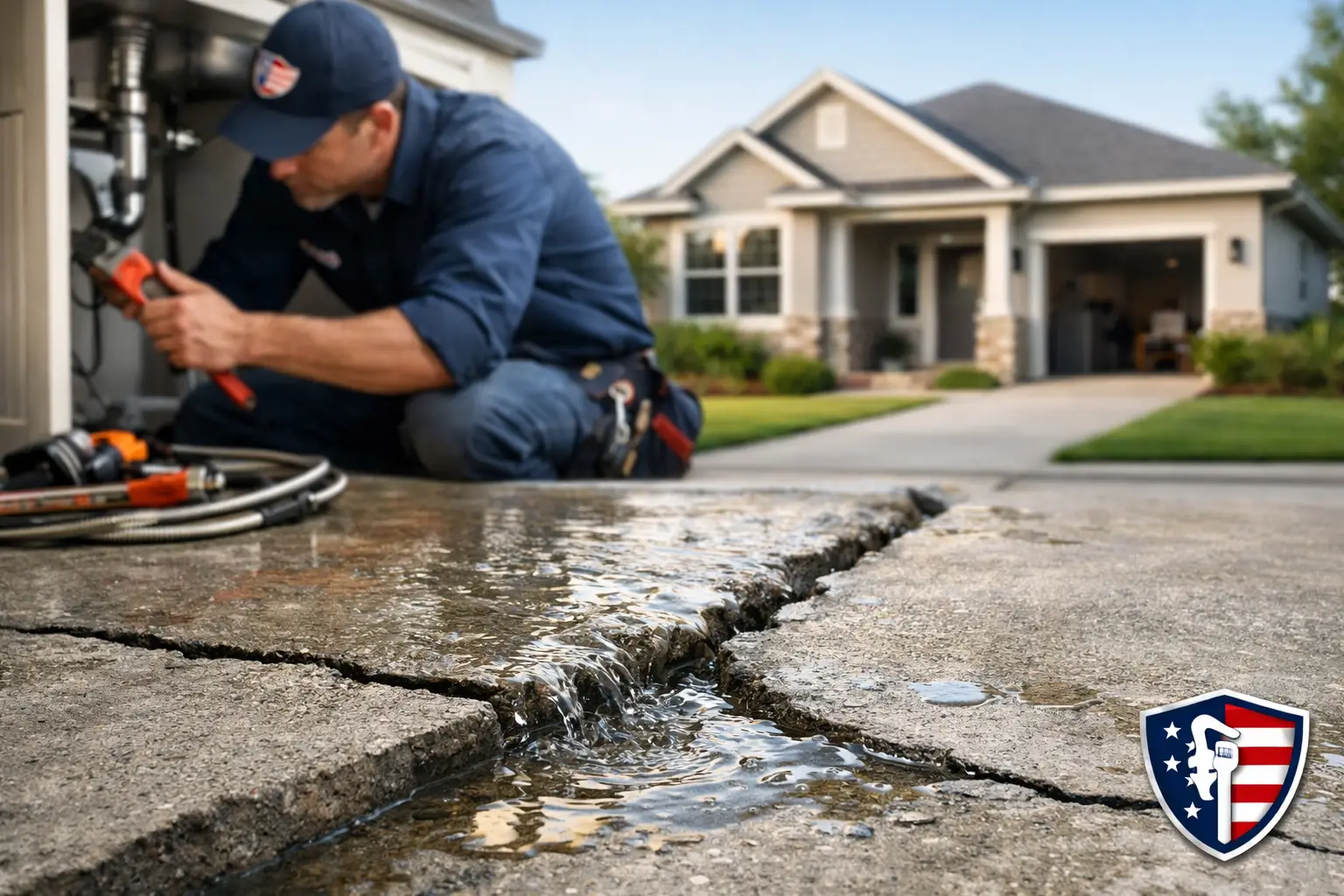
A leaking pipe under the sink can make any homeowner ask the same question fast: do I need a permit to repair plumbing, or can I just get it fixed today? The honest answer is that it depends on what is being repaired, how extensive the work is, and what your local building department requires. Some plumbing fixes are simple maintenance. Others affect safety, code compliance, and inspection requirements.
If you are dealing with an active leak, a broken water heater, or damaged piping, the last thing you want is a delay caused by paperwork confusion. Knowing when a permit is required can help you avoid fines, failed inspections, insurance issues, and repairs that have to be redone later.
Do I Need a Permit to Repair Plumbing in My Home?
In many cases, minor plumbing repairs do not require a permit. If the work is considered a like-for-like repair and does not change the plumbing system, local agencies often treat it as routine maintenance. That might include replacing a faucet, swapping out a toilet, fixing a small section of exposed pipe, or installing a new garbage disposal in the same location.
Permits are more likely to be required when the repair goes beyond a simple fix. If you are relocating pipes, replacing major sections of drain or water lines, opening walls for concealed plumbing, replacing a water heater, or doing anything that changes the system layout, permit rules usually come into play. The same is often true for sewer line work, gas line-related plumbing work, and repairs tied to structural access.
That gray area is where many homeowners get tripped up. A repair may seem minor because the problem started small, but once the work involves the home’s main plumbing system, most cities take a closer look.
Repairs That Usually Do Not Need a Permit
Basic repairs that restore function without altering the system often do not require formal approval. Replacing a showerhead, changing a shutoff valve, repairing a toilet fill valve, or fixing a visible leak under a sink may fall into that category. These jobs are generally viewed as maintenance, not construction.
Simple fixture replacement can also be permit-free if nothing about the supply or drain configuration changes. For example, replacing an old kitchen faucet with a new one in the same exact setup is often fine without a permit.
Still, permit exceptions are not universal. One city may allow a straightforward repair without review, while another may have stricter rules. That is why homeowners should be careful about assuming the same standards apply everywhere.
Plumbing Repairs That Often Do Require a Permit
When homeowners ask, do I need a permit to repair plumbing, the safest rule is this: if the repair changes piping, hidden plumbing, or major equipment, there is a good chance the answer is yes.
Water heater replacement is a common example. Even when the new unit goes in the same location, many jurisdictions require a permit because the work may involve water, gas, venting, earthquake strapping, temperature and pressure relief components, and code updates. The same goes for tankless water heater installations, which often involve gas line sizing, venting changes, and electrical connections.
Pipe rerouting is another permit-triggering project. If a slab leak leads to a whole-home repipe or a line has to be rerouted through walls or the attic, that usually is not considered basic maintenance. Sewer line repairs can also require permits, especially when excavation, trenchless replacement, or connection work is involved.
Repairs inside walls are worth special attention. If the only fix is tightening a fitting behind an access panel, requirements may be lighter. But if the wall needs to be opened and piping replaced, inspection rules are much more likely to apply.
Why Permit Rules Matter More Than Homeowners Expect
It is easy to think permits are just red tape, especially when you want the problem solved quickly. But permits serve a real purpose in plumbing work. They help confirm that repairs meet safety and building code standards, particularly where water damage, contamination, gas risks, and drainage problems are involved.
Skipping a required permit can create problems later. A city inspector may flag the unpermitted work during a remodel or home sale. Your insurance company may question a claim if a major loss is tied to plumbing work that should have been permitted. In some cases, the homeowner ends up paying to open walls again so the work can be inspected or corrected.
That does not mean every repair needs city involvement. It means the larger the repair, the more important it is to check before moving forward.
Who Pulls the Permit for Plumbing Repair?
If a permit is required, the person doing the work often matters. In many areas, licensed plumbers can pull permits for covered work and coordinate inspections as part of the job. Some homeowners are allowed to pull homeowner permits for work on their primary residence, but that usually comes with limits and responsibility for code compliance.
For most homeowners, this is where hiring a qualified plumbing company makes the process easier. Instead of guessing about local requirements, you can have the scope of work reviewed upfront. That is especially helpful when the repair involves a slab leak, water heater replacement, sewer repair, or emergency pipe damage.
A dependable plumber should be able to tell you whether the work likely needs a permit, what that means for timing, and whether inspections are part of the process. Clear communication matters just as much as the repair itself.
Emergency Repairs and Permit Timing
Emergencies make this issue more complicated. If a pipe bursts or a leak is actively damaging the home, immediate action comes first. Water needs to be shut off, damage needs to be controlled, and temporary repairs may need to happen fast.
That does not always eliminate the permit requirement. It may simply change the order. In many cases, emergency stabilization can happen first, with permits pulled for the permanent repair after the immediate threat is under control. Local authorities often recognize that homeowners cannot wait while flooding continues.
This is one reason emergency plumbing service is different from routine maintenance. A quick patch may stop the leak tonight, but the final repair still needs to be handled correctly tomorrow.
Common Situations Where Homeowners Should Pause and Ask
Some projects sound simple on the surface but can cross into permit territory quickly. Replacing a water heater, repairing a slab leak, rerouting a broken line through the attic, replacing sewer piping, or upgrading old galvanized water lines are all situations where checking permit requirements is the smart move.
Drain and sewer issues can be especially deceptive. A clogged drain clearing usually does not require a permit. But if the problem turns out to be a collapsed sewer line or damaged underground pipe, the repair is no longer basic maintenance.
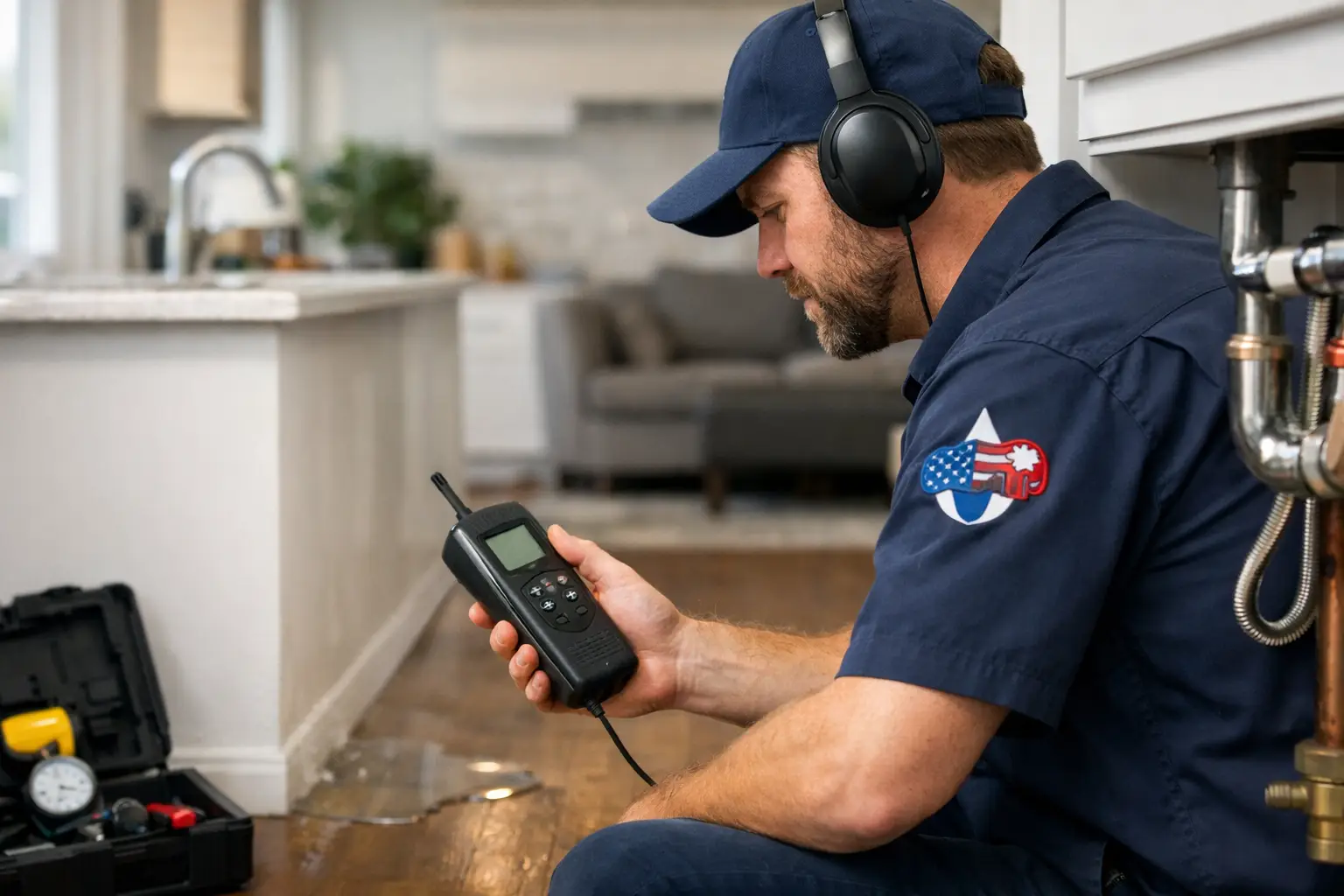
Leak detection can also uncover hidden problems that change the scope. A small stain on the ceiling may lead to a straightforward repair, or it may reveal a larger pipe replacement inside the structure.
How to Get a Straight Answer Before Work Starts
The fastest way to avoid confusion is to describe the exact repair, not just the symptom. Saying, “I have a leak” is only the start. The permit question depends on whether that leak is coming from a faucet connection, a wall pipe, a slab line, a sewer pipe, or a water heater.
If you call a plumbing professional, ask whether the proposed repair changes the plumbing system, involves concealed piping, or requires inspection. Those details usually determine the answer. You can also verify requirements with your local building department, but many homeowners prefer to have the plumber handle that step once the issue is diagnosed.
For homeowners in areas like Menifee, Murrieta, Temecula, and nearby communities, local code enforcement can vary enough that assumptions are risky. What matters most is getting a clear assessment of the work before repairs move forward.
The Practical Rule of Thumb
If the job is a surface-level repair that replaces a part without changing the system, a permit may not be necessary. If the job affects hidden piping, major fixtures, water heating equipment, sewer lines, gas-related components, or system layout, it probably deserves a closer look.
That is the practical answer to do I need a permit to repair plumbing. Not every repair needs one, but enough do that it is worth checking before work begins. A few extra minutes upfront can save a lot of cost and frustration later.
When a plumbing problem hits your home, the goal is not just to get it fixed fast. It is to get it fixed in a way that protects your home, your budget, and your peace of mind.