A water bill that jumps for no clear reason, a warm spot on the floor, or a faint sound of running water behind a wall can all point to the same problem: a hidden leak. This home leak detection guide helps you check the warning signs safely, narrow down the source, and know when a professional repair is the right next step.
A small leak rarely stays small. Water can damage drywall, flooring, cabinets, insulation, and framing long before it becomes visible. In Southern California homes, hidden leaks under concrete slabs or inside walls can also waste hundreds of gallons of water and create conditions for mold growth. Acting early protects your home and usually keeps the repair more manageable.
Home Leak Detection Guide: Start With Your Water Meter
Your water meter can tell you a lot before you open a wall or move a piece of furniture. Pick a time when no one in the house will need water for at least 30 minutes. Turn off faucets, sprinklers, washing machines, dishwashers, ice makers, and water-using appliances. Then find the meter, usually near the curb or property line.
Record the meter reading or take a clear photo. Many meters have a small leak indicator that moves when water is flowing. If that indicator continues to move while everything is off, water is likely escaping somewhere in the plumbing system. Check the reading again after 30 minutes or an hour. A change confirms that water is being used, even if you cannot see where.
This test does not identify the exact location. It does help separate a possible plumbing leak from a high bill caused by seasonal irrigation, guests, or higher household water use. If the meter moves but no plumbing fixture is running, it is time to investigate further.
Check the Most Common Visible Leak Locations
Start with the places where a leak is easiest to find and repair. Look under kitchen and bathroom sinks for damp cabinet bottoms, corroded valves, dripping supply lines, or loose drain connections. Open the cabinet doors and use a flashlight. A musty smell can be just as useful a clue as standing water.
Next, inspect toilets. Add a few drops of food coloring to the tank and wait 10 to 15 minutes without flushing. If color appears in the bowl, the flapper is allowing water to leak through. This is usually a straightforward repair, but it can waste a surprising amount of water over time.
Check around water heaters, washing machines, refrigerators with water lines, dishwashers, and outdoor hose bibs. Look for puddles, rust, mineral deposits, cracked hoses, or moisture around fittings. Even a slow drip at a water heater connection deserves prompt attention because it can worsen under pressure.
Do not overlook irrigation. A broken sprinkler head, damaged drip line, or underground irrigation leak can make your meter move even when household fixtures are off. Walk the yard and watch for unusually green patches, soft ground, pooling water, or water running along the curb.
Watch for Signs of a Hidden Pipe Leak
When the visible areas are dry but your meter test suggests a leak, look for changes inside the home. Hidden leaks do not always create a dramatic puddle. More often, they leave subtle evidence that grows worse over days or weeks.
Common signs include:
- A water bill that is consistently higher than normal
- Water stains, peeling paint, bubbling drywall, or warped baseboards
- A moldy or damp odor in a room, closet, or cabinet
- Warm or damp spots on tile, laminate, or concrete floors
- Low water pressure that affects more than one fixture
- The sound of water moving when all faucets are turned off
A single one of these signs does not always mean there is a pipe leak. Condensation, roof leaks, poor bathroom ventilation, and appliance issues can create similar symptoms. But several signs together, especially alongside a moving water meter, call for professional leak detection.
How to Tell if You May Have a Slab Leak
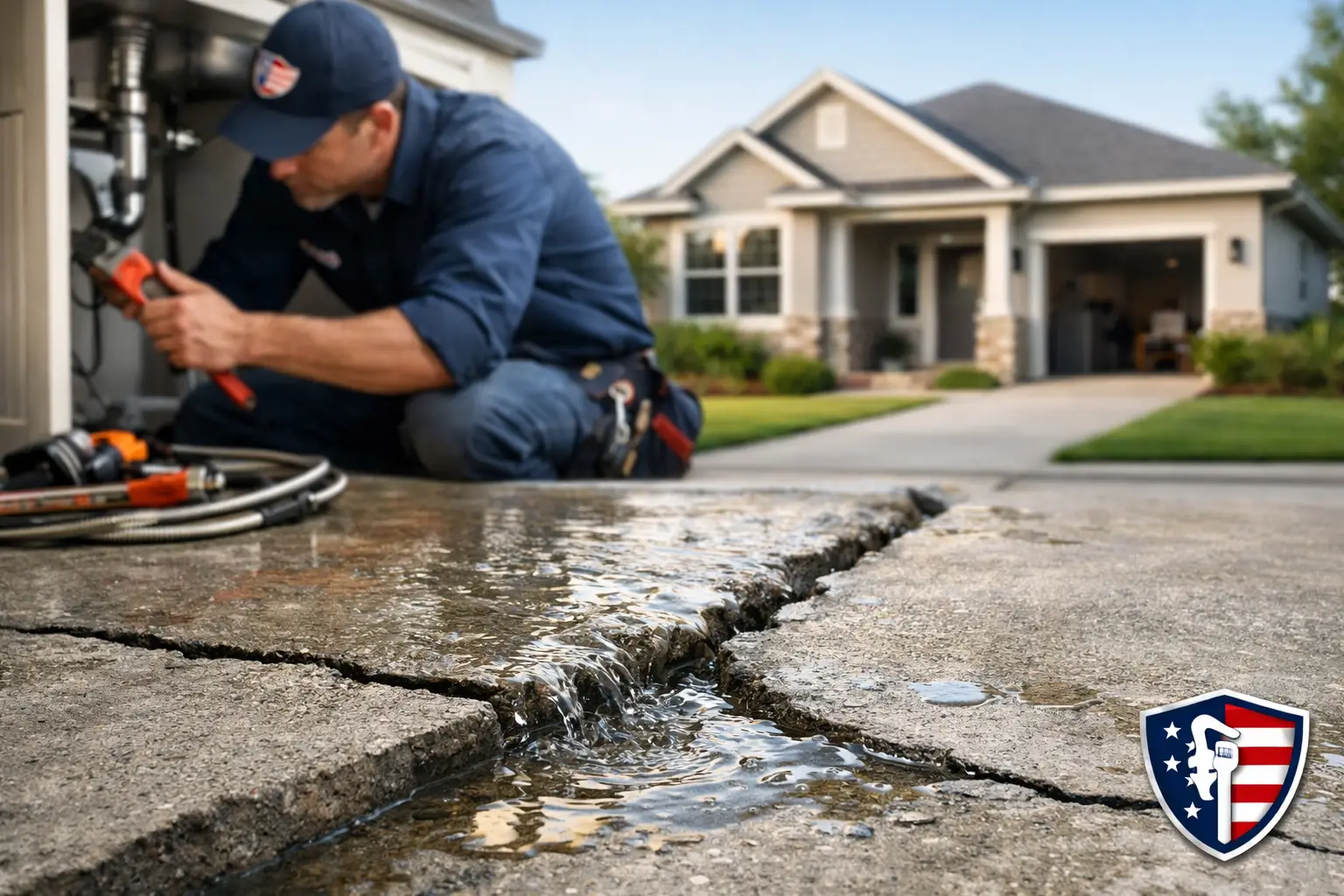
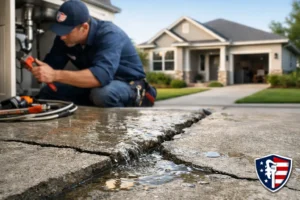
Many homes in Menifee, Murrieta, Temecula, and nearby communities have water lines running below a concrete foundation. A leak in one of these lines is called a slab leak. Because the pipe is hidden, homeowners often notice the effects before they see water.
A warm floor area can indicate a hot-water line leak beneath the slab. Cool, damp flooring may point to a cold-water line problem. Other warning signs include unexplained moisture along flooring edges, cracks in flooring or walls, mildew odor, reduced water pressure, and repeated sounds of running water.
Do not assume a slab leak requires tearing up your entire floor. A qualified plumber can use noninvasive detection methods to locate the leak more accurately. Depending on the pipe condition and location, the repair may involve a targeted access point, rerouting a line, or another solution that limits disruption. The right option depends on the age of the plumbing, the number of damaged areas, and whether the pipe has failed before.
What to Do When You Find a Leak
If the leak is a slow drip under a sink or at an exposed supply line, place a container beneath it and avoid using that fixture until it is repaired. For a toilet leak, shut off the toilet’s local supply valve if the water is overflowing or running continuously. If water is coming from a water heater, appliance hose, wall, ceiling, or floor, take the situation more seriously.
First, protect people and property. Keep electrical devices away from wet areas. If water is near outlets, light fixtures, or your electrical panel, do not touch those components. Shut off the main water supply if you can do so safely, particularly when water is actively spreading or pressure is strong.
The main shutoff valve is commonly located near the water meter, at the front of the home, or where the main water line enters the house. Every homeowner should know its location before an emergency occurs. After shutting off the water, open a faucet to relieve pressure and document visible damage with photos for your records.
Avoid cutting into drywall, breaking concrete, or using chemical products to try to solve an unknown leak. Those steps can create extra damage, complicate the diagnosis, or expose you to electrical and mold concerns. A proper inspection is faster than guessing when the leak is hidden.
When to Call a Professional Leak Detection Plumber
Call for professional help when the meter test confirms unexplained water use, when water is coming from a wall or floor, or when you suspect a slab leak. You should also call if you have recurring leaks, discolored water, a sudden loss of water pressure, or a water heater that is leaking from its tank or connections.
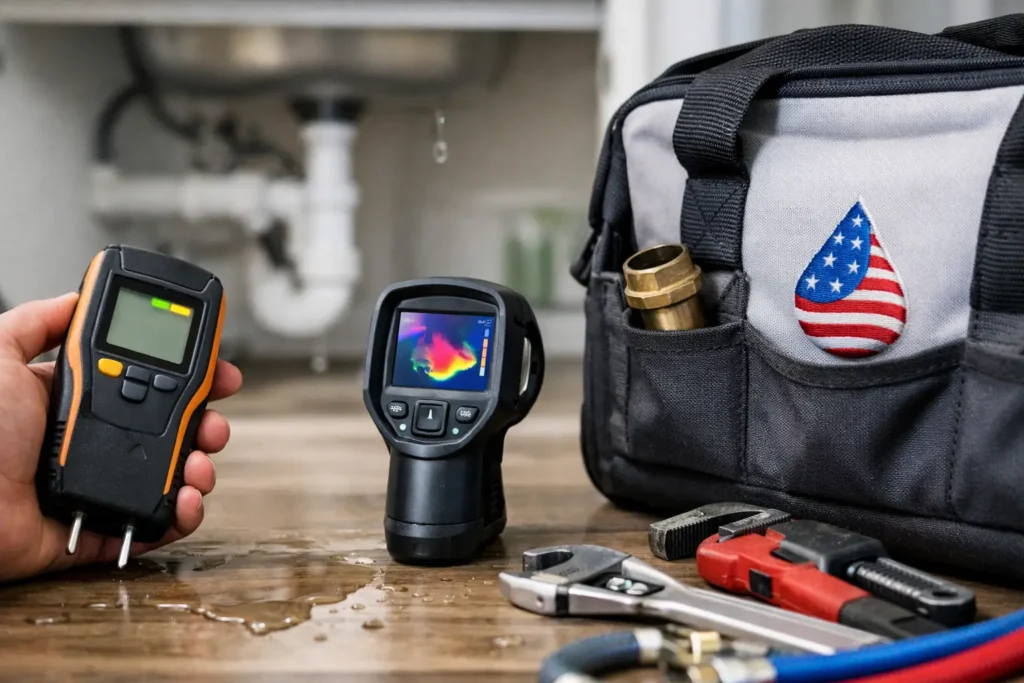
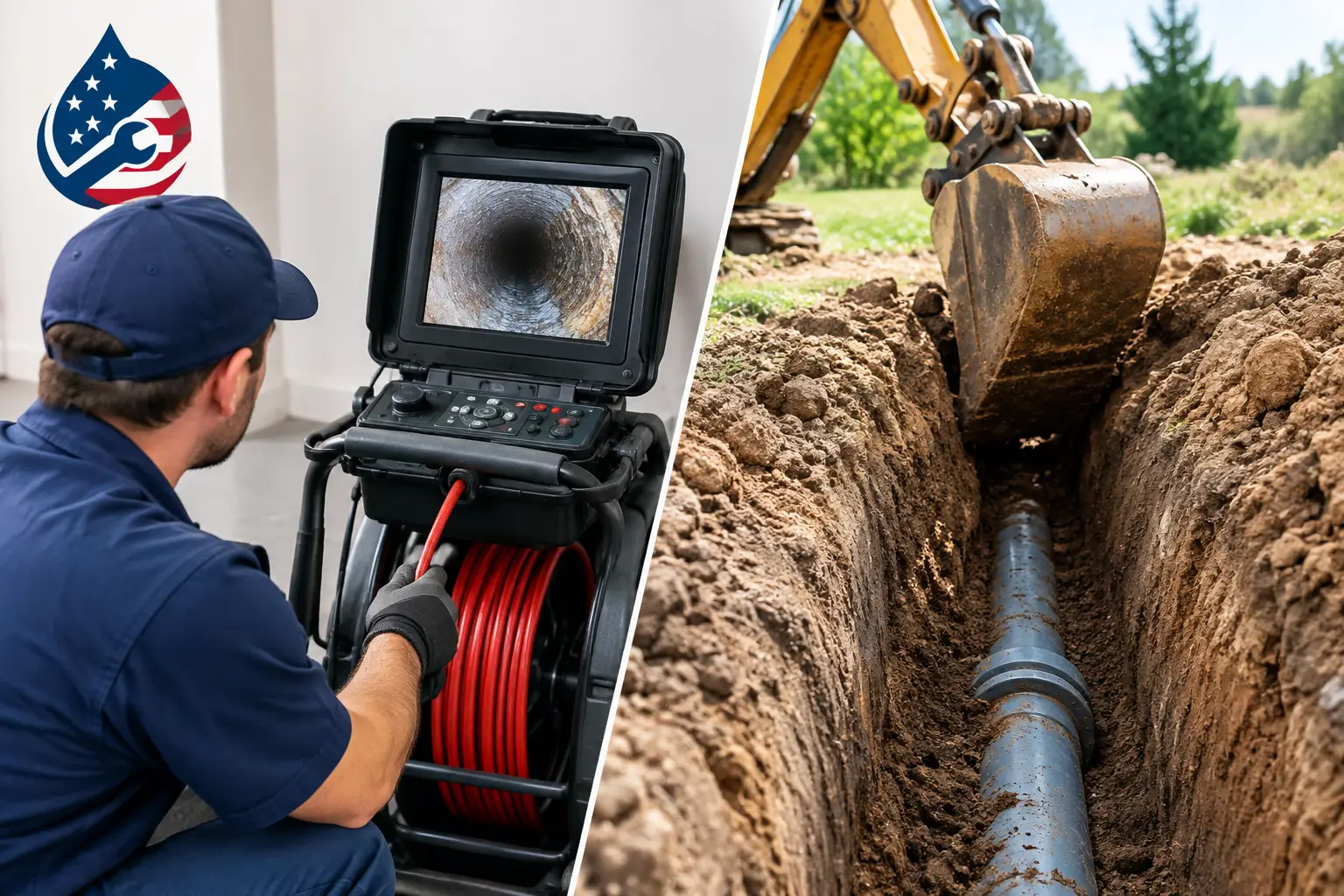
Professional leak detection is designed to find the source without unnecessary demolition. Depending on the situation, a plumber may use acoustic equipment, pressure testing, thermal imaging, moisture readings, or camera inspection to trace the problem. The goal is to identify the leak accurately, explain the repair options clearly, and address the cause rather than just the visible damage.
For an active leak, waiting can be costly. Water can travel behind walls and under flooring, so the wet spot you see may not be close to the actual pipe failure. A quick response can prevent further damage and help you make informed decisions about repair before the problem becomes an emergency.
Prevent Leaks Before They Interrupt Your Day
Most plumbing leaks cannot be predicted perfectly, but a few regular checks can reduce surprises. Inspect exposed supply hoses and shutoff valves twice a year, especially behind washing machines and under sinks. Replace cracked or bulging appliance hoses before they fail. Keep an eye on your water bill, and investigate changes instead of assuming they are temporary.
If your home has older pipes, past slab leak repairs, or recurring water pressure issues, a plumbing inspection can be a practical investment. High water pressure puts added stress on pipes, valves, and fixtures. A plumber can test the pressure and recommend whether a pressure-regulating solution is needed.
When a leak threatens your home, clear answers and fast action matter. American Plumbing Service can help homeowners identify hidden leaks, protect the property, and move forward with a repair plan that fits the situation.