A plumbing problem rarely shows up at a convenient time. It starts with a slow drain, a water heater that quits before school and work, or a leak that suddenly turns into water on the floor. When homeowners ask how much does a plumbing company charge per hour, they usually want more than a number. They want to know what is normal, what affects the price, and how to avoid paying more than necessary.
The honest answer is that hourly plumbing rates can vary quite a bit based on the type of work, the urgency, and what the plumber finds once the job begins. For most residential work, homeowners often see hourly labor rates anywhere from about $100 to $250 per hour. In some cases, the rate may be lower for straightforward scheduled service or higher for emergency calls, after-hours work, or more specialized repairs.
How much does a plumbing company charge per hour for residential service?
For standard residential plumbing service, many companies charge within a mid-range hourly rate for labor, then add material costs, equipment use, and sometimes a service call fee. That means a simple repair may not be billed the same way as a sewer issue, a slab leak investigation, or a water heater replacement.
If you are comparing estimates, it helps to understand that some plumbers bill strictly by the hour, while others use flat-rate pricing for common repairs. Flat-rate pricing can be easier for homeowners because you know the repair cost upfront. Hourly pricing can still be fair, but it depends on how clearly the company explains the work, the expected time, and any added charges.
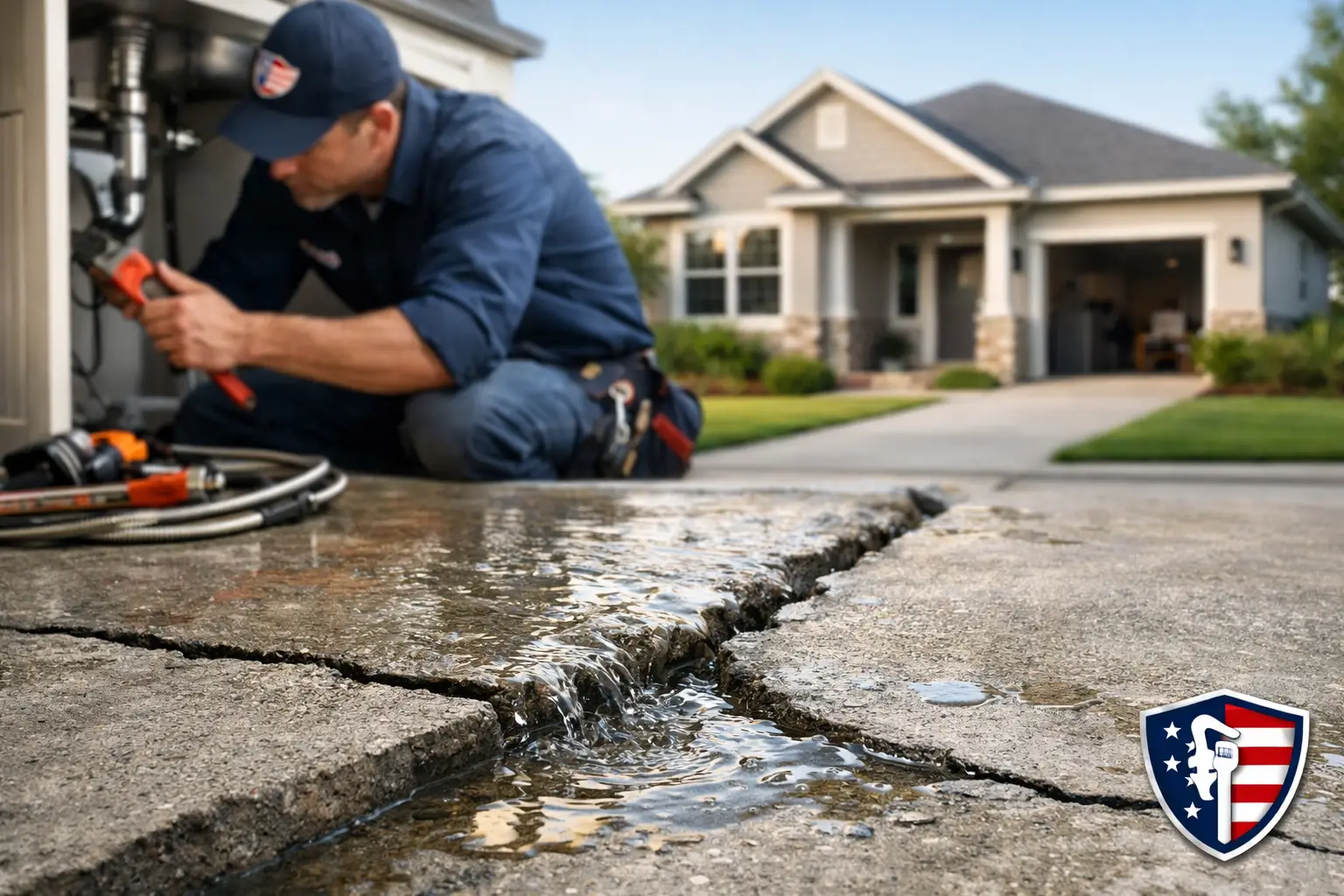
For example, clearing a minor drain clog may take less than an hour if the blockage is easy to reach. A leak behind a wall or under a slab can take much longer because the plumber first has to locate the problem, protect the surrounding area, and decide on the best repair method.
What affects how much a plumbing company charges per hour?
The biggest factor is the type of job. Not all plumbing work requires the same level of skill, tools, or labor time. Replacing a visible shut-off valve is very different from diagnosing low water pressure throughout the home or dealing with a backed-up sewer line.
Emergency timing also changes the price. If you need a plumber at night, on a weekend, or during a holiday, the hourly rate is often higher. That does not automatically mean the company is overcharging. Emergency availability costs more to provide, and urgent repairs usually involve immediate dispatch, schedule disruption, and faster response expectations.
Location inside the home matters too. A repair under a kitchen sink is usually more accessible than one inside a wall, above a ceiling, or beneath concrete. The harder it is to access the pipe, fixture, or drain, the more labor time the job may require.
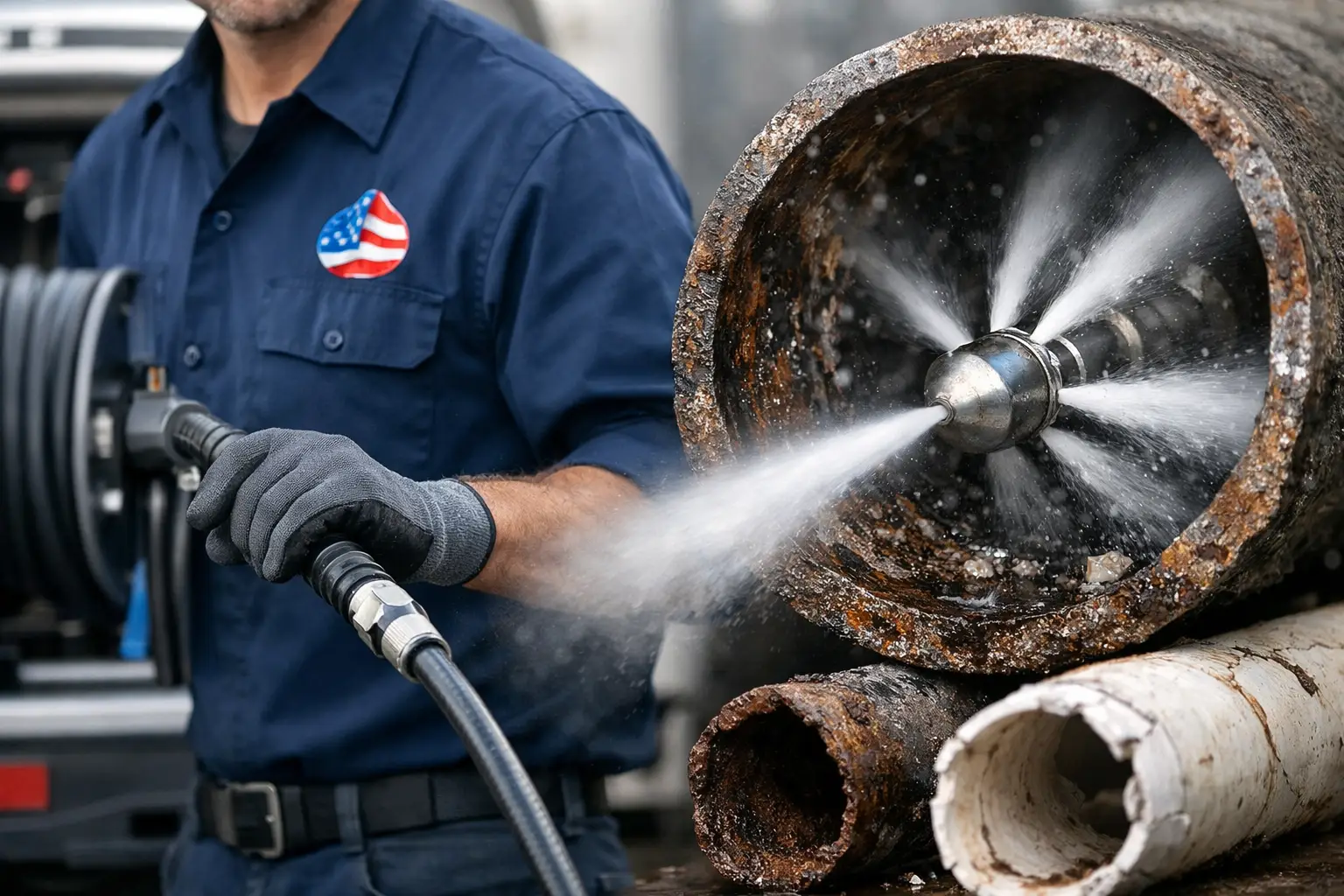
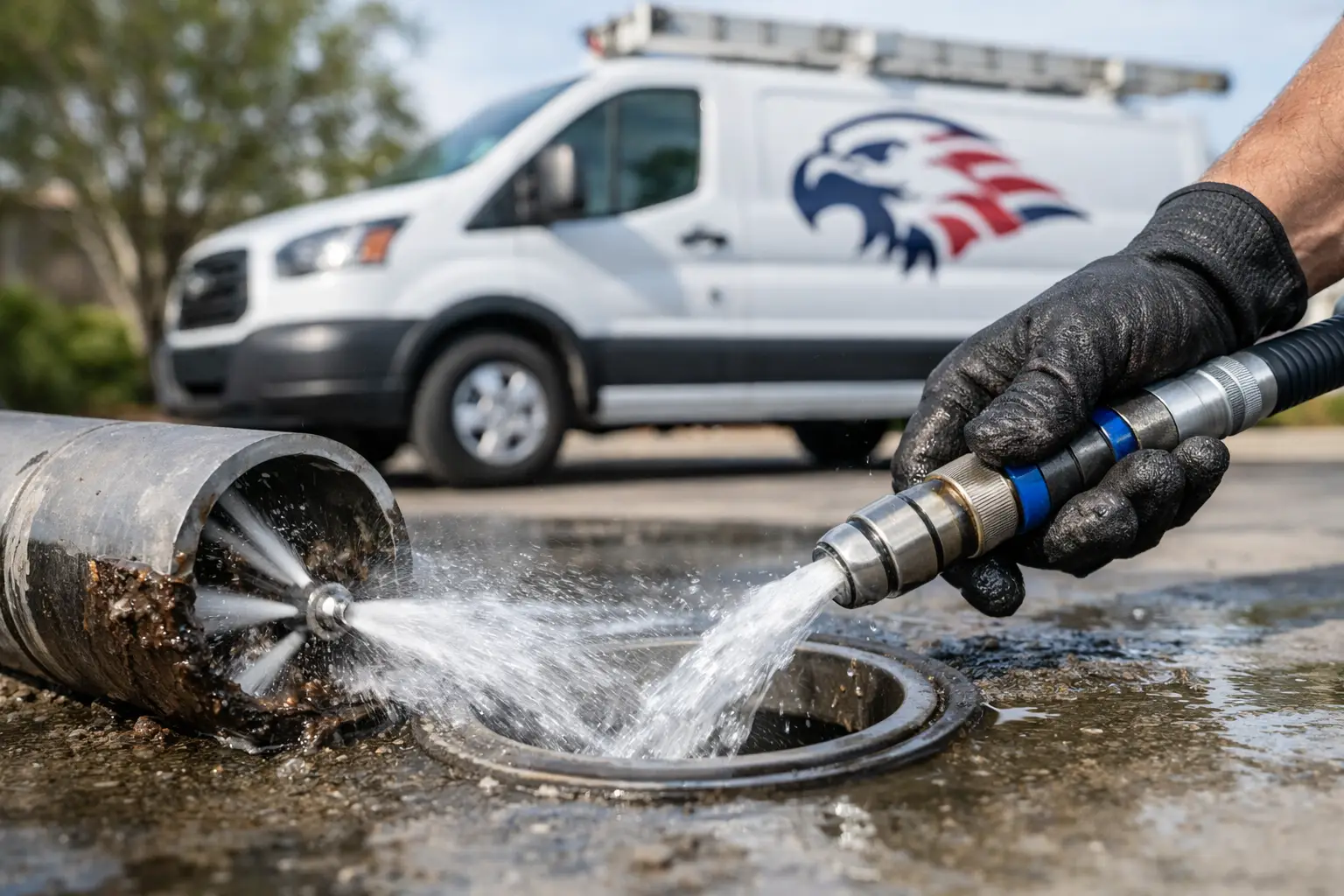
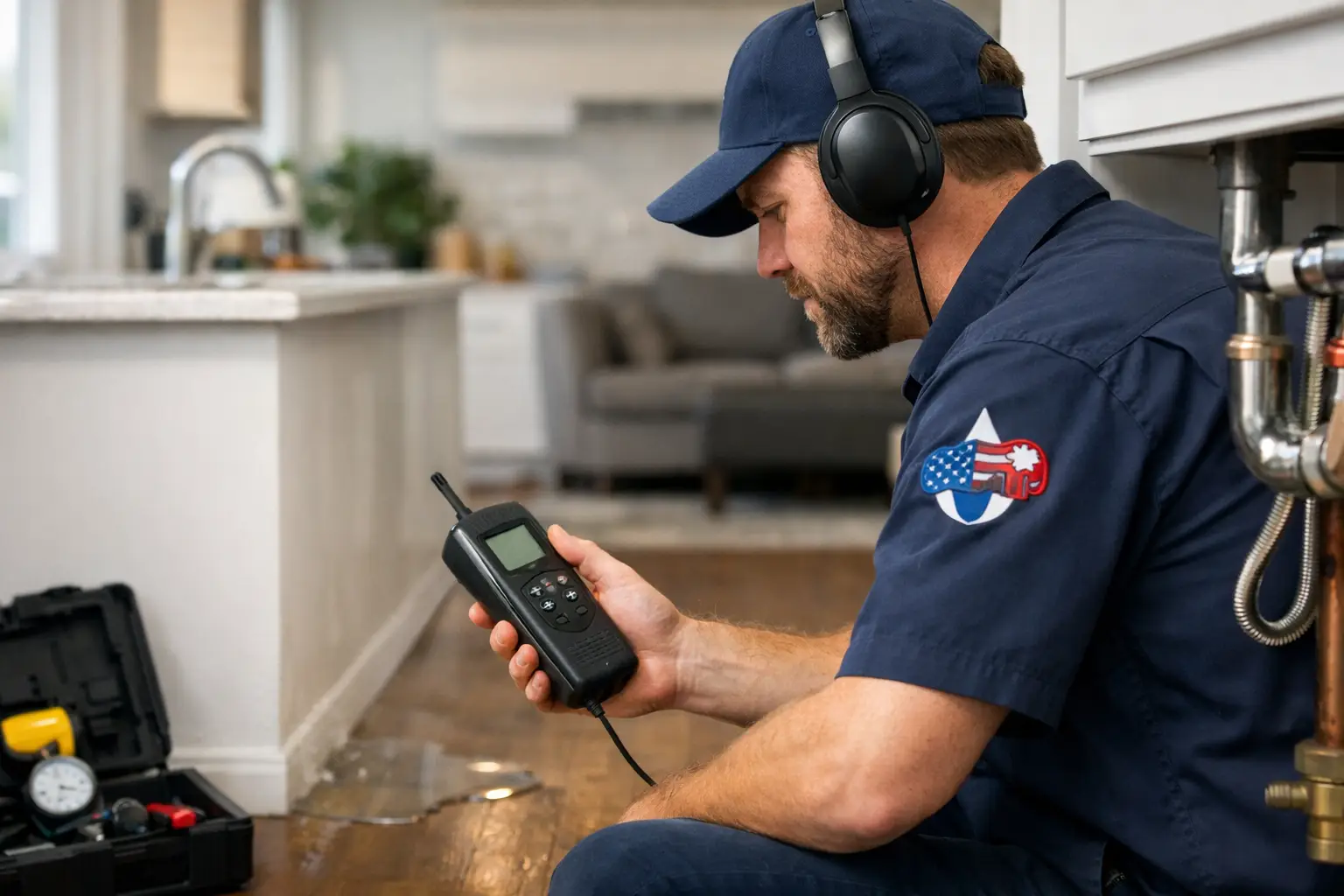
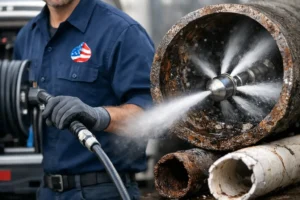
Specialized equipment can also raise the cost. Hydro-jetting, sewer camera inspection, electronic leak detection, and trenchless sewer work involve tools and training beyond basic service calls. Those jobs may be billed differently than standard hourly plumbing labor because the equipment itself is part of the service value.
Hourly rate vs. flat-rate pricing
Homeowners often assume hourly pricing is the only way plumbers charge, but that is not always the case. Many residential plumbing companies prefer flat-rate pricing for common problems because it gives customers a clear number before work starts.
That can be helpful when the repair is familiar and easy to scope, such as a toilet replacement, faucet installation, garbage disposal swap, or water heater replacement. You are paying for the result, not just the time on site.
Hourly billing can make more sense when the problem is not fully visible yet. Leak detection, troubleshooting, and investigative work often require time to diagnose before anyone can confidently quote the full repair. In those cases, a company may charge an hourly labor rate or a diagnostic fee first, then provide repair options once the cause is confirmed.
Neither model is automatically better. What matters is whether the company explains it clearly, gives you approval options, and avoids vague pricing.
Common situations where plumbing costs go up
If a homeowner feels surprised by a plumbing invoice, it is often because the original problem was only part of the job. Plumbing systems are connected, and one symptom can point to a deeper issue.
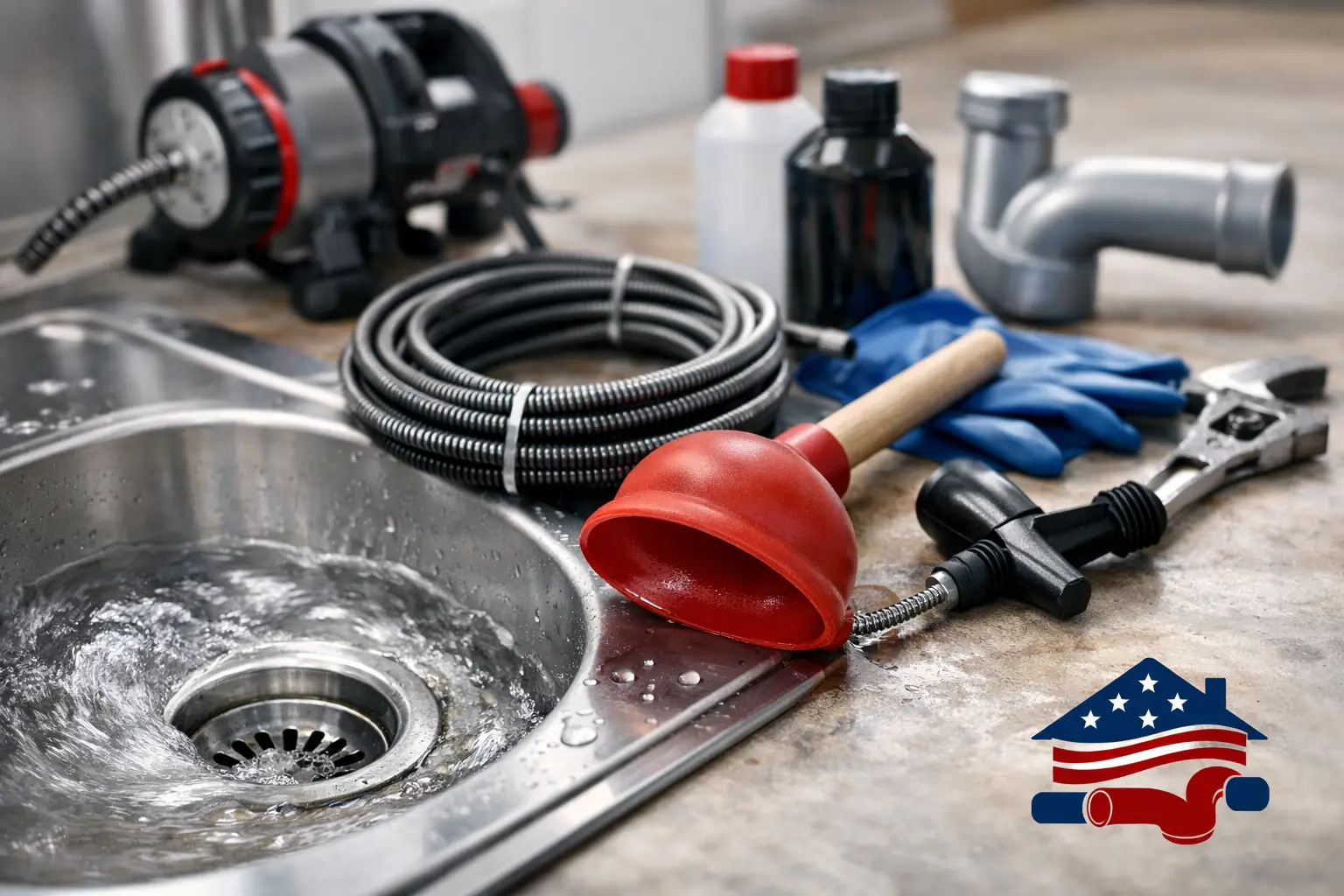
A clogged drain is a good example. What looks like a basic stoppage may actually be caused by grease buildup, root intrusion, a broken sewer line, or a belly in the pipe. The same thing happens with leaks. A dripping ceiling may come from a pinhole leak, a failing water line, a shower valve problem, or damaged drain piping upstairs.
Older homes can also increase labor time. Corroded pipes, outdated fittings, poor past repairs, and tight access all make work slower and more complex. That does not mean the repair should be unclear or open-ended, but it does mean the lowest advertised hourly rate is not always the best measure of final value.
How much does a plumbing company charge per hour in an emergency?
Emergency plumbing service usually costs more than scheduled daytime service. If a pipe bursts, a water heater floods the garage, or a sewer backs up into the home, speed matters. In those cases, homeowners are often paying for immediate response as much as the repair itself.
Emergency hourly rates may run above normal business-hour pricing, and some companies also charge a separate emergency dispatch fee. That is common across the industry. The better question to ask is what is included. Does the fee cover diagnosis? Does it apply toward the repair? Will you receive an estimate before the full job begins?
A reliable plumbing company should be direct about those answers. In an urgent situation, clear communication matters just as much as speed.
What you should ask before approving plumbing work
The best way to avoid confusion is to ask a few practical questions before the plumber starts. You do not need technical knowledge. You just need clarity.
Ask whether the company charges by the hour or by the job. Ask if there is a service call or diagnostic fee. Ask whether materials are included, and whether emergency or after-hours rates apply. If the plumber expects the issue could expand once access is opened or inspection begins, ask how change orders are handled.
A professional company should be comfortable answering those questions without pressure. Straightforward pricing is part of good service.
Why the cheapest hourly plumber is not always the least expensive
It is tempting to shop for the lowest hourly rate, especially when the repair feels unexpected. But a lower hourly number does not always mean a lower final bill.
An experienced residential plumber may charge more per hour and still save you money by diagnosing the issue faster, bringing the right equipment, and fixing the root cause on the first visit. A cheaper rate can become more expensive if the repair takes longer, misses the actual problem, or has to be redone.
This is especially true for leak detection, sewer issues, slab leaks, and recurring drain problems. Those jobs reward experience. Homeowners usually benefit most when the plumber can identify the problem quickly, explain the options clearly, and complete the repair with minimal disruption.
What a fair plumbing estimate should look like
A fair estimate should make the cost easy to understand. You should know whether you are paying for labor by the hour, a fixed repair price, equipment use, materials, or a combination of those items. You should also know what happens if the plumber discovers a bigger issue once work starts.
For many homeowners, onsite estimates are especially helpful because plumbing prices are hard to judge over the phone. Two homes can have the same symptom and very different repair needs. A professional evaluation usually leads to more accurate pricing and fewer surprises.
Companies that focus on residential plumbing often give better guidance because they deal with these household problems every day. Whether the issue is a blocked drain, a failing water heater, a hidden leak, or a damaged sewer line, the goal should be to give you a practical solution, not just a rough number.
If you are trying to budget for a repair, a reasonable starting point is to expect many standard residential plumbing jobs to fall somewhere in the $100 to $250 per hour range for labor, with emergency service, specialty equipment, and materials potentially increasing the cost. The exact price depends on access, urgency, complexity, and whether the company uses hourly or flat-rate pricing.
When plumbing trouble hits your home, the most useful next step is not chasing the lowest number. It is getting a clear estimate from a company that shows up on time, explains the problem plainly, and helps you fix it before a small issue turns into a bigger one.