That slow kitchen sink is usually not a one-off. In many cases, drain cleaning Menifee homes need starts with a small warning – standing water, a gurgling toilet, a shower that backs up after a few minutes – and turns into a bigger plumbing problem if it sits too long. For homeowners, the real goal is not just getting water to go down again. It is fixing the blockage the right way, protecting the rest of the system, and avoiding a repeat call a week later.
Why drain problems in homes rarely stay small
A clogged drain can look minor when it affects only one fixture. The trouble is that most household drains are connected through a larger system, and buildup tends to spread. Grease in the kitchen line, hair and soap residue in bathroom drains, and debris caught farther down in the main line can all create pressure and poor drainage in places that seem unrelated.
This is why a plunger or store-bought drain cleaner sometimes gives partial relief but not a true fix. Water may start moving again for a day or two, but the material causing the blockage is still there. Once more debris catches on it, the same problem returns, often worse than before.
For busy households, that matters. A slow drain is inconvenient. A backed-up tub, overflowing toilet, or sewer odor inside the home can interrupt the whole day and create a sanitation issue fast.
Common signs you need drain cleaning in Menifee homes
Some drain issues are obvious. Others build gradually, and homeowners adapt to them without realizing there is a developing problem. If you notice one or more of these signs, it is usually time to have the line checked.
A sink that drains slowly, recurring clogs in the same fixture, bad smells coming from a drain, bubbling or gurgling sounds after using water, and water backing up into another drain are all common red flags. If flushing a toilet affects the shower drain or using the washing machine causes water to rise in a nearby sink, the issue may be beyond a single fixture.
That distinction matters because the solution depends on where the blockage sits. A bathroom sink trap clog is very different from a main sewer line restriction. Treating both like the same problem can waste time and money.
What causes household drains to clog
In residential plumbing, the most common causes are also the least surprising. Kitchen drains usually clog from grease, food scraps, soap film, and debris that should never have gone down the disposal. Bathroom drains collect hair, toothpaste residue, soap scum, and sometimes items that were dropped by accident. Toilets clog from excess paper or non-flushable products. Main lines can be affected by years of buildup, shifting pipe conditions, or root intrusion.
Menifee-area homes can also vary widely by age and plumbing layout. A newer home may have a more localized issue in one branch drain. An older home may have recurring problems tied to pipe condition, scale buildup, or a sewer line that needs camera inspection before anyone can recommend the best repair.
That is where experience matters. Good drain service is not just about forcing a hole through a clog. It is about identifying what is causing the blockage and choosing a method that actually matches the condition of the line.
The difference between snaking and hydro-jetting
Homeowners often hear these terms and assume they are interchangeable. They are not.
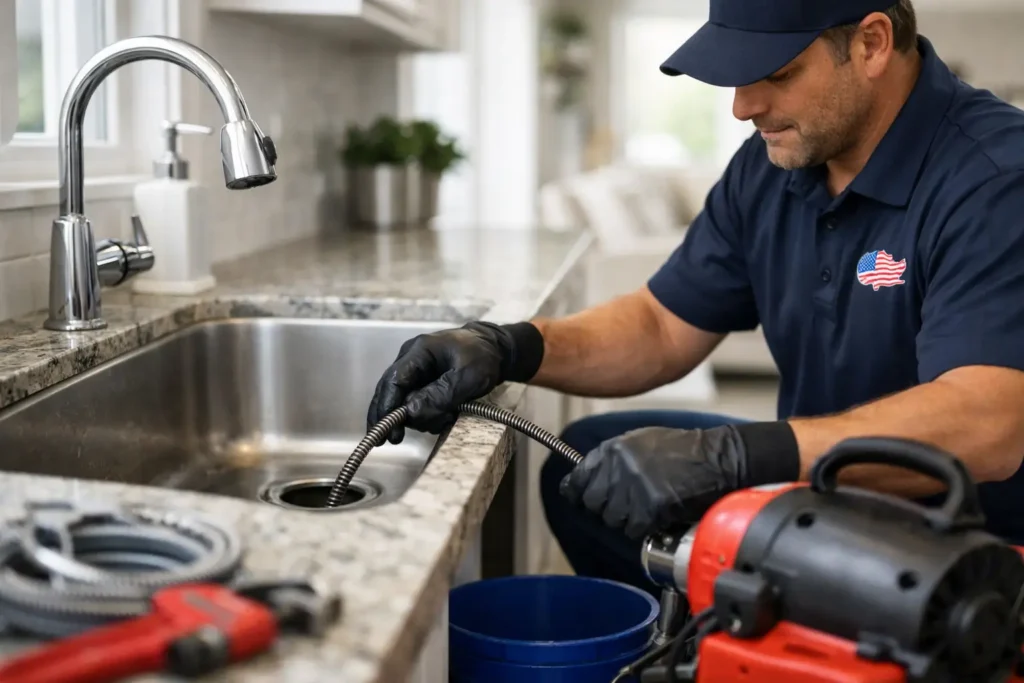
A drain snake or auger is designed to break through or pull out a blockage. It is effective for many common clogs, especially when the problem is close to the fixture or concentrated in one section of pipe. It is often the fastest way to restore flow when the issue is straightforward.
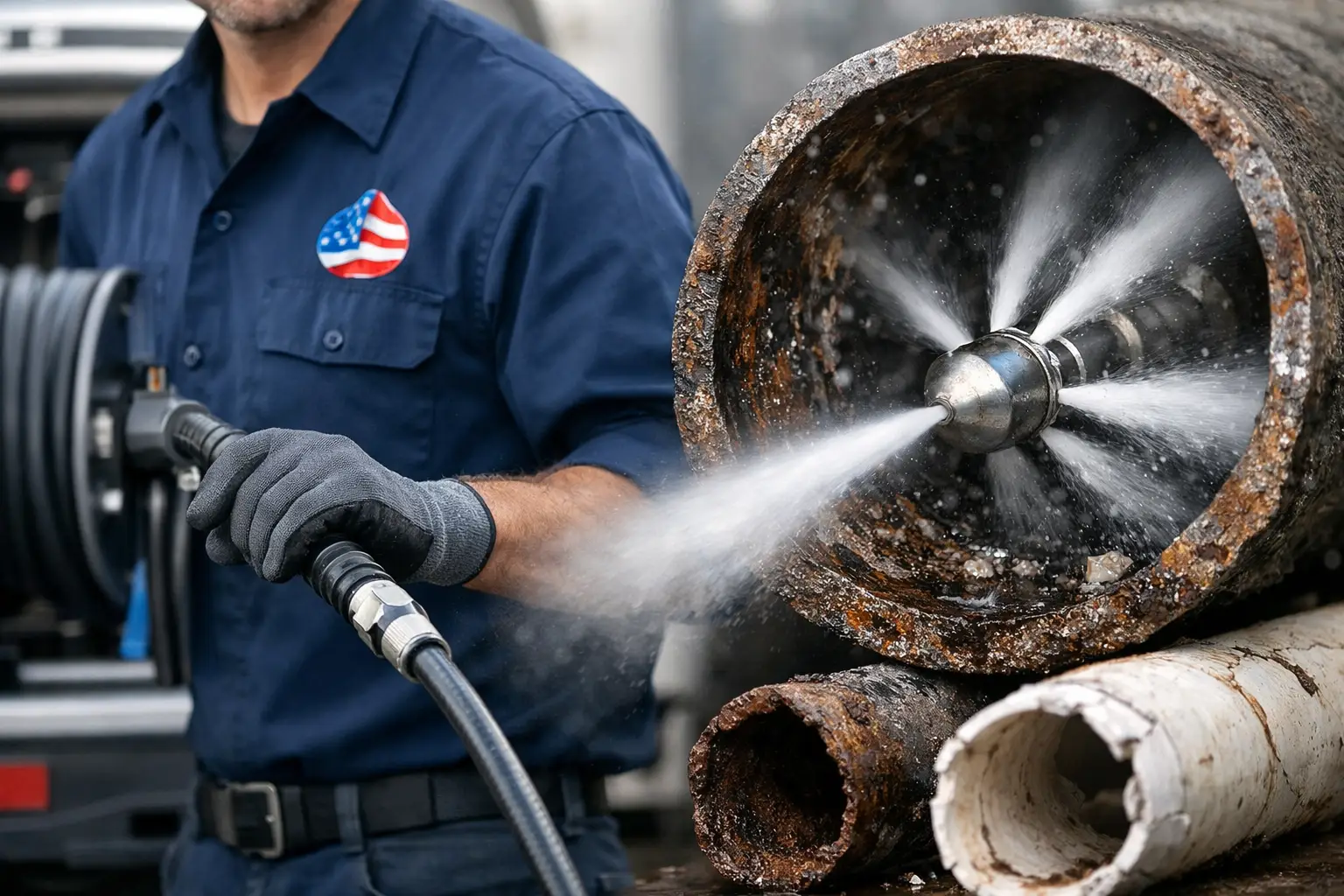
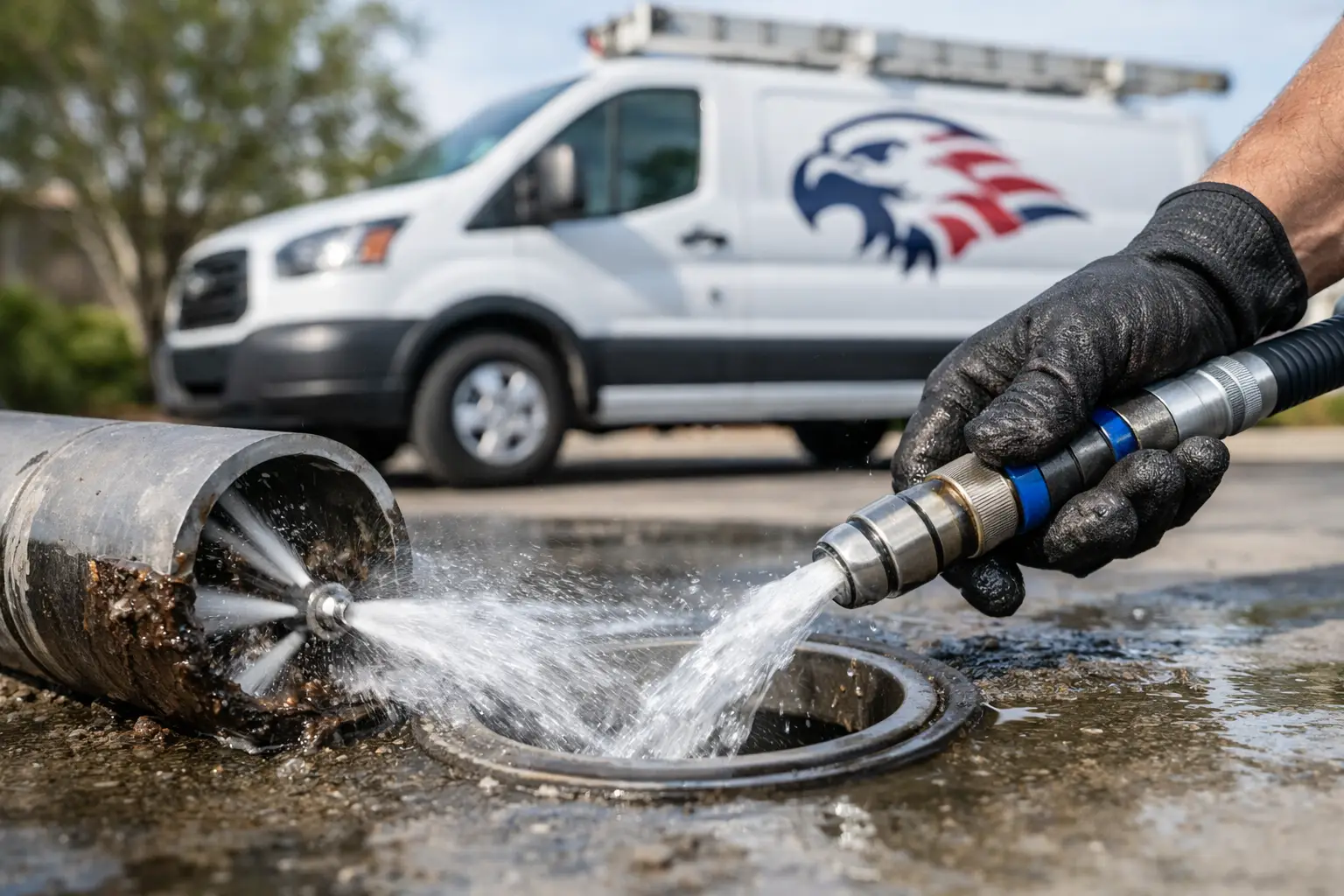
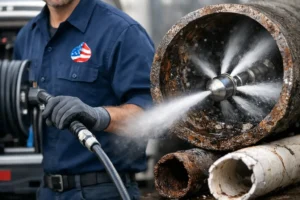
Hydro-jetting uses high-pressure water to clear the inside of the pipe more thoroughly. Instead of punching a narrow opening through debris, it washes grease, sludge, soap buildup, and other residue off the pipe walls. In the right situation, that means a more complete cleaning and a lower chance of the same drain clogging again soon.
It depends on the pipe and the problem. Hydro-jetting is powerful and effective, but it is not automatically the first step for every home. If the line is damaged, heavily deteriorated, or compromised, the pipe should be assessed first. A professional inspection helps determine whether snaking, jetting, or a camera inspection makes the most sense.
Why chemical drain cleaners are a gamble
When a drain slows down, many homeowners try the bottle under the sink first. It is easy to understand why. It feels fast, cheap, and available right away.
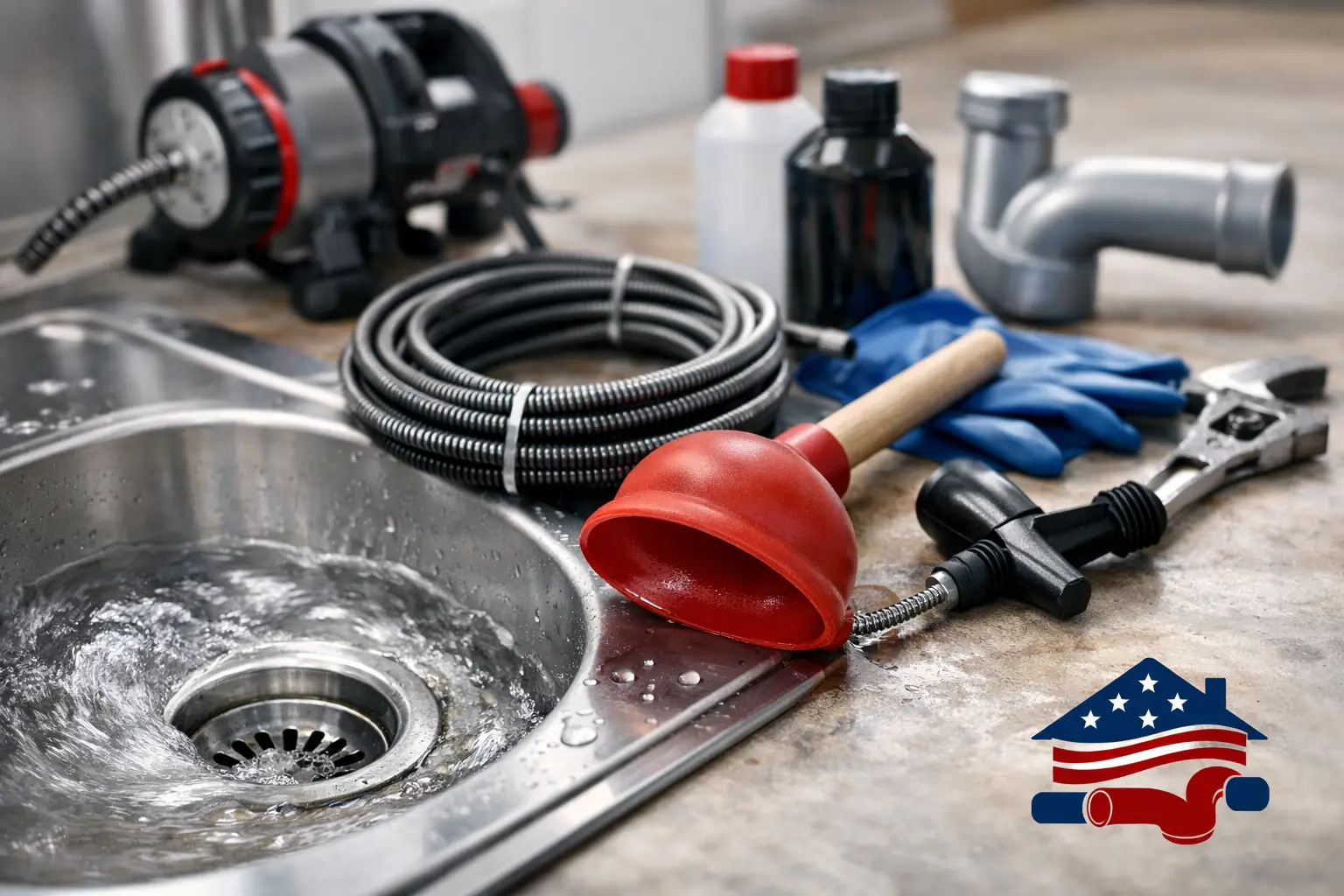
The downside is that chemical cleaners often do not remove the full blockage. They may burn through part of it, but they can also leave standing chemical residue in the line if the drain does not clear. That creates a hazard for anyone who has to open or service the pipe later. Repeated use can also be hard on some plumbing materials.
More importantly, chemical cleaners do not tell you why the drain is clogging. If the problem is grease farther down the line, root intrusion, a sag in the sewer line, or a recurring mass of buildup, the bottle is not solving the issue. It is delaying the real diagnosis.
When a clogged drain points to a sewer line issue
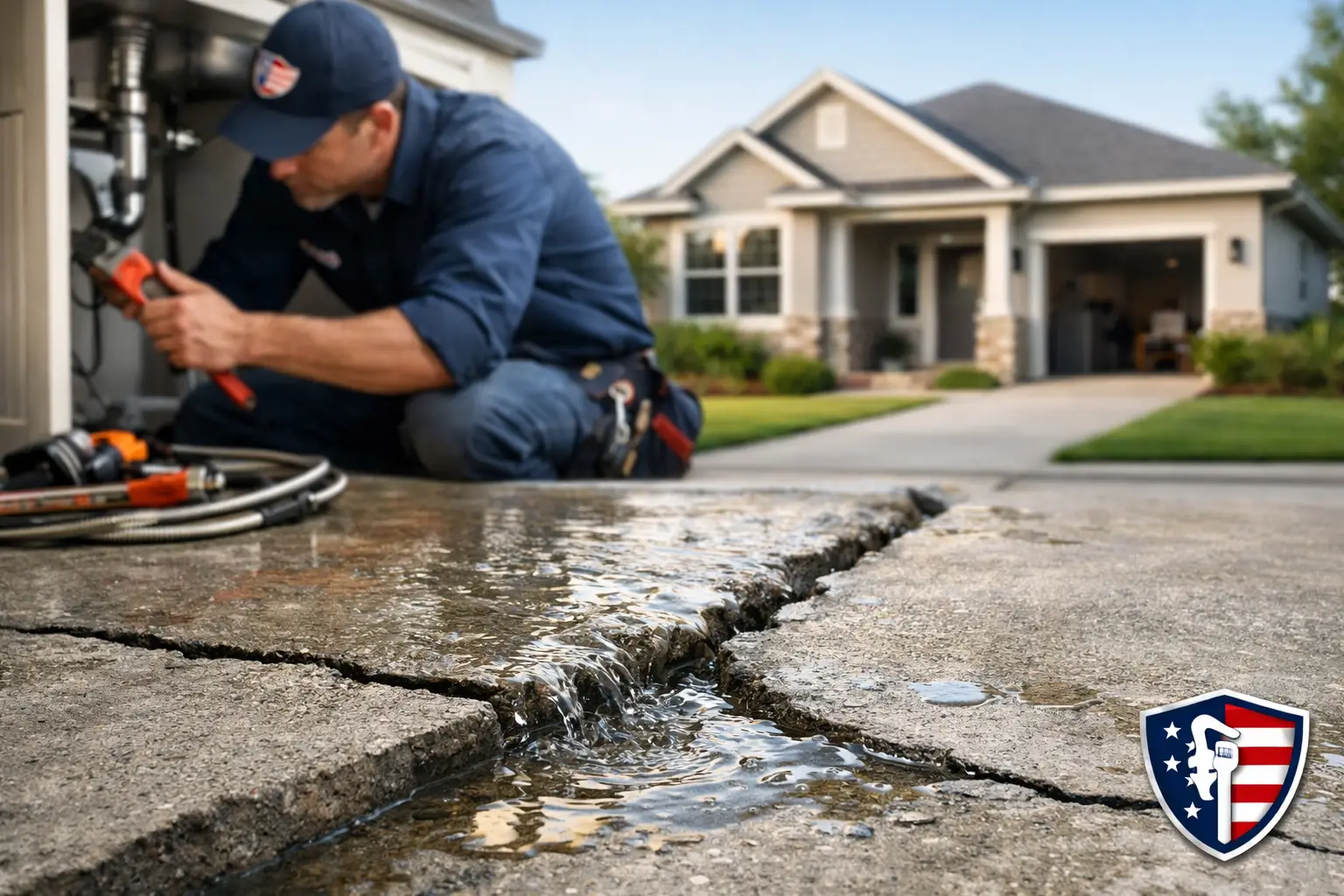
Not every drain problem is limited to a sink, shower, or toilet. If multiple fixtures are backing up, if sewage odors are present, or if water shows up where it should not after normal use, the main sewer line may be involved.
This is where homeowners should move quickly. A main line blockage can escalate into wastewater backup inside the home, and that is not something to wait on. In these cases, a sewer camera inspection can be the smartest next step because it shows whether the issue is buildup, roots, pipe damage, or another obstruction.
Once the cause is visible, the repair path becomes much clearer. Sometimes professional drain cleaning solves it. Other times, the line may need repair or replacement. The key is not guessing.
What to expect from professional drain cleaning
Reliable service should feel straightforward. A plumber should ask the right questions, assess which fixtures are affected, and explain whether the problem looks isolated or system-wide. From there, the right equipment can be used to clear the line and test that drainage is restored properly.
For homeowners, clear communication is a big part of the service. You should know what is clogged, what method is being used, and whether there are signs of a larger issue that should be addressed now instead of after another backup. If the drain can be cleaned and restored the same day, that is usually the best outcome. If further work is needed, the next step should be explained in plain language.
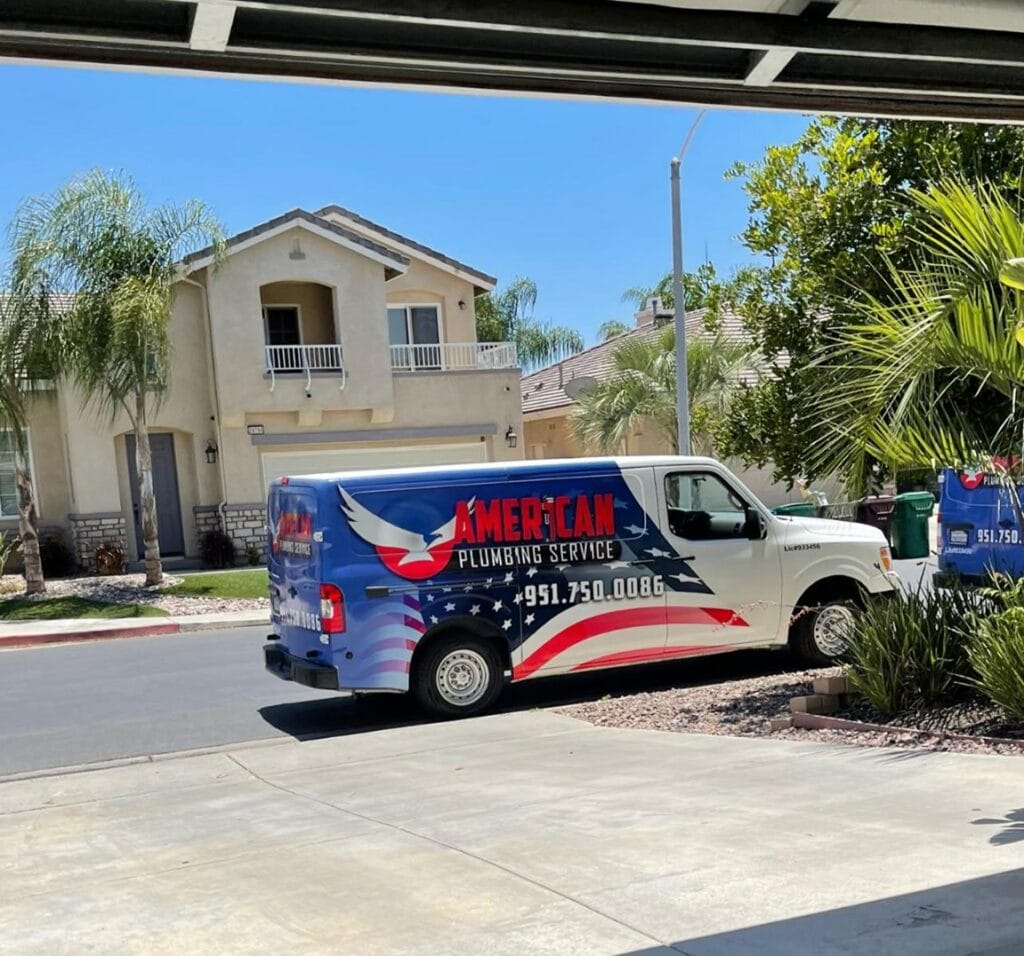
This is where a residential plumbing company with broader service capabilities can help. If a drain cleaning appointment reveals a hidden leak, sewer line issue, or pipe problem, you are not left trying to coordinate multiple contractors. A company like American Plumbing Service can move from diagnosis to repair without dragging the process out.
How to reduce repeat clogs at home
Good habits help, but they are not a cure-all. Avoid pouring grease into kitchen drains, use strainers where they make sense, keep wipes and hygiene products out of toilets, and pay attention to slow drainage before it turns into a backup. Those steps lower risk, but they will not correct an existing buildup deep in the line.
It is also worth being realistic about recurring clogs. If the same drain needs constant attention, the problem is probably not daily habits alone. There may be a partial blockage, poor pipe slope, root intrusion, or buildup that basic DIY methods never fully removed.
That is why repeated clogs should not be treated like normal home maintenance. They are a signal that the system needs a closer look.
Drain cleaning Menifee homes can count on when timing matters
Most homeowners do not call for drain service because they are curious. They call because water is not moving, the smell is getting worse, or the backup is starting to affect the whole house. At that point, speed matters, but so does accuracy.
The right drain cleaning service should do more than provide temporary relief. It should restore normal use, identify whether the problem is isolated or deeper in the system, and help you avoid the next emergency. If your drains are slow, noisy, backing up, or showing the same problem over and over, getting them checked now is usually easier and less disruptive than waiting for a full stoppage.
A home runs better when plumbing problems are handled early, clearly, and with the right equipment. If something feels off with your drains, trust that instinct and get it looked at before a small nuisance turns into a messy weekend.