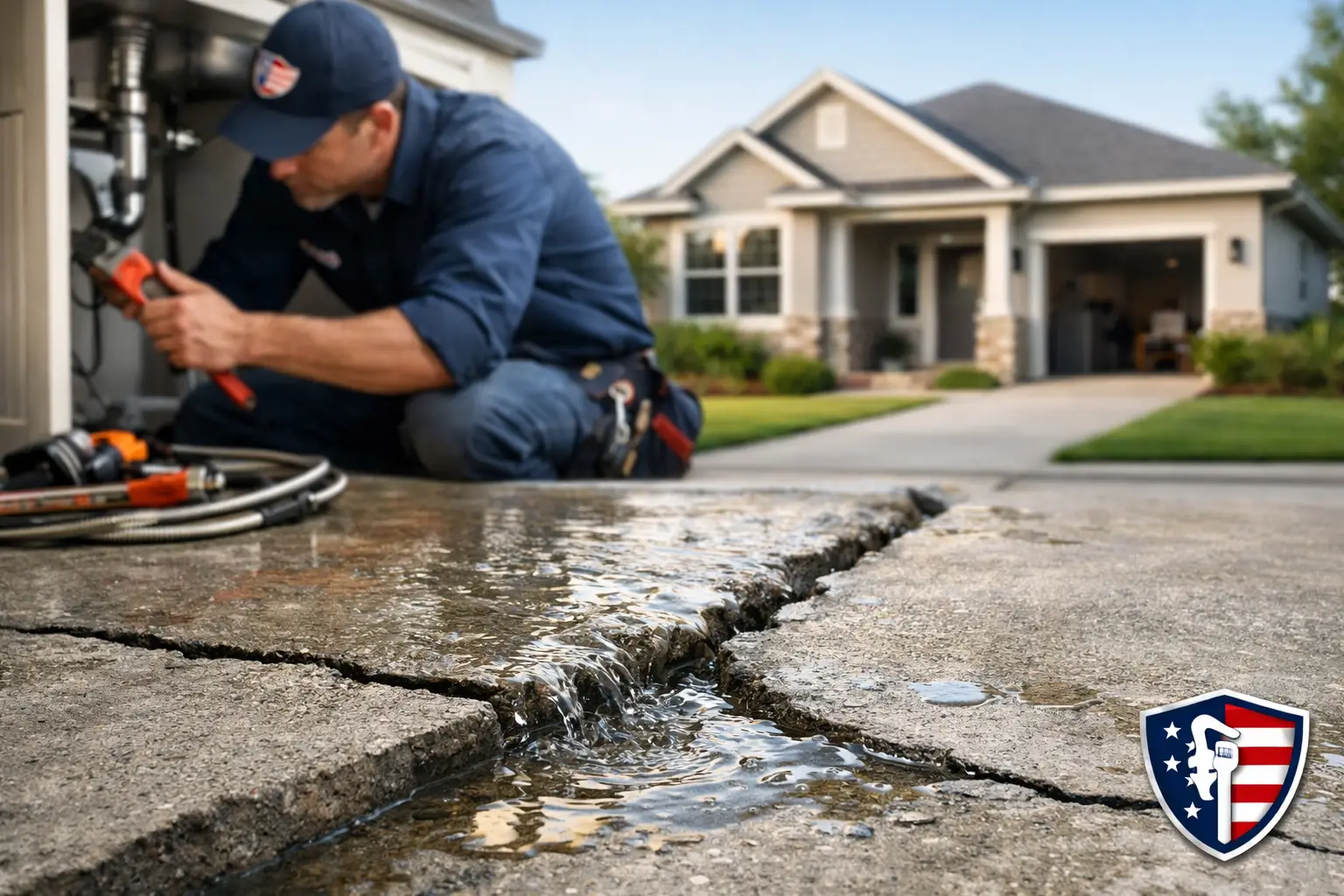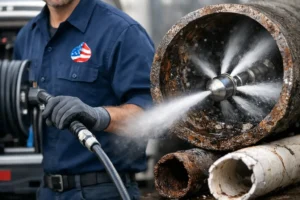
A sewer line problem can turn a normal morning into an urgent decision. If drains are backing up, sewage is surfacing in the yard, or a camera inspection shows root damage under a driveway, homeowners often ask: is trenchless sewer repair worth it? For many homes, it is – especially when traditional excavation would mean tearing through concrete, landscaping, patios, or mature trees.
Trenchless repair is not automatically the right answer for every damaged sewer line. The real value depends on the condition of the pipe, where it runs, the repair method needed, and what it would cost to restore your property after conventional digging. A sewer camera inspection gives you the information needed to make that call with confidence.
What Trenchless Sewer Repair Actually Means
Traditional sewer replacement usually requires digging a long trench from the home to the city sewer connection or septic system. That can involve removing grass, plants, fencing, hardscaping, and sometimes sections of a driveway or sidewalk. Once the new pipe is installed, the trench must be backfilled and the damaged areas restored.
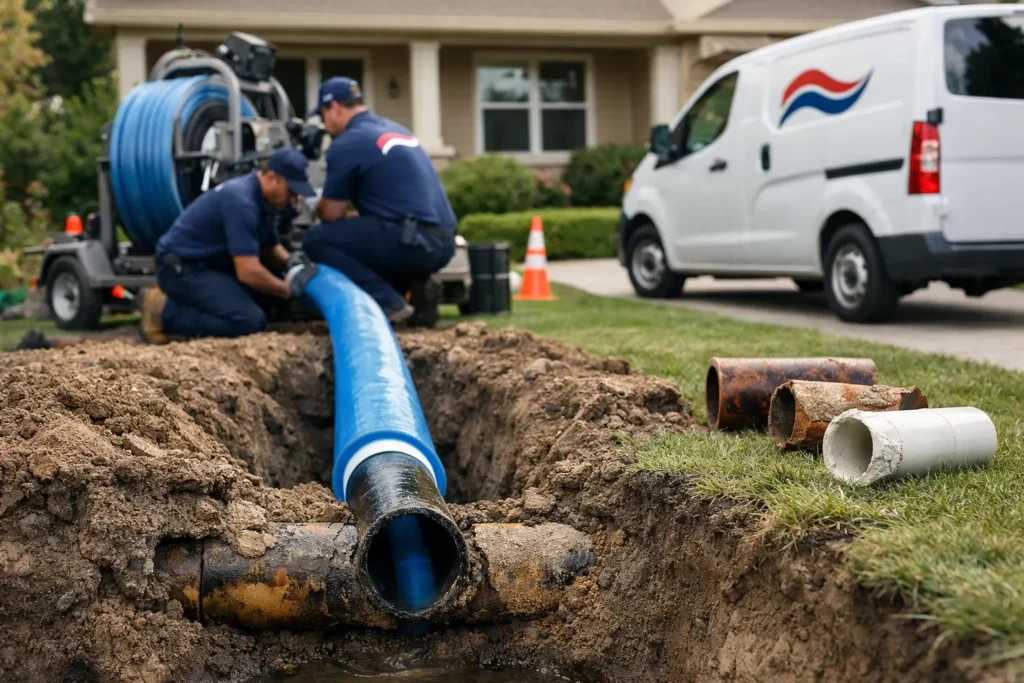
Trenchless sewer repair uses access points rather than a continuous open trench. Depending on the problem, a plumber may create one or two small access holes and repair or replace the pipe underground. The two most common methods are pipe lining and pipe bursting.
Pipe lining creates a new pipe inside the existing one. After the line is cleaned and inspected, a resin-coated liner is inserted and cured in place. The result is a smooth, joint-free inner pipe that can block roots and seal many cracks or leaks.
Pipe bursting is a replacement method. A bursting head breaks apart the old damaged pipe while pulling a new pipe into its place. This approach is often used when the existing line is too damaged for lining but the underground route is still suitable for replacement.
Both options can greatly reduce property disruption, but neither should be selected without a camera inspection and a clear explanation of the condition of the line.
Is Trenchless Sewer Repair Worth It? Compare the Full Cost
The upfront estimate for trenchless work can sometimes look higher than a basic dig-and-replace quote. That is why looking only at the plumbing invoice can be misleading. The better question is what the entire project will cost when the sewer pipe and your property are both considered.
A conventional trench may require landscape replacement, concrete demolition and repair, irrigation work, fence removal, and cleanup. If the sewer line runs beneath a stamped concrete patio, pool deck, driveway, or established landscaping, those restoration costs can add up quickly. They also create more coordination for the homeowner, since a plumbing repair may be followed by concrete, landscape, or other contractors.
Trenchless repair can be worth the investment when it avoids those added expenses and preserves areas that are difficult or expensive to rebuild. It can also reduce the time your yard, driveway, or outdoor living space is unusable.
That said, a lower-disruption method is not necessarily the lowest-cost method in every situation. If the sewer line is shallow, easy to reach, and located in an open side yard with no concrete or landscaping to protect, traditional excavation may be more practical. A dependable plumber should explain both options when they are viable rather than pushing a single approach.
When Trenchless Repair Makes the Most Sense
Trenchless sewer replacement or repair is often a strong fit when the damaged line runs under features you want to preserve. This includes driveways, walkways, garages, patios, landscaping, and large trees. It is also helpful when access is limited and a large excavator would be difficult to bring onto the property.
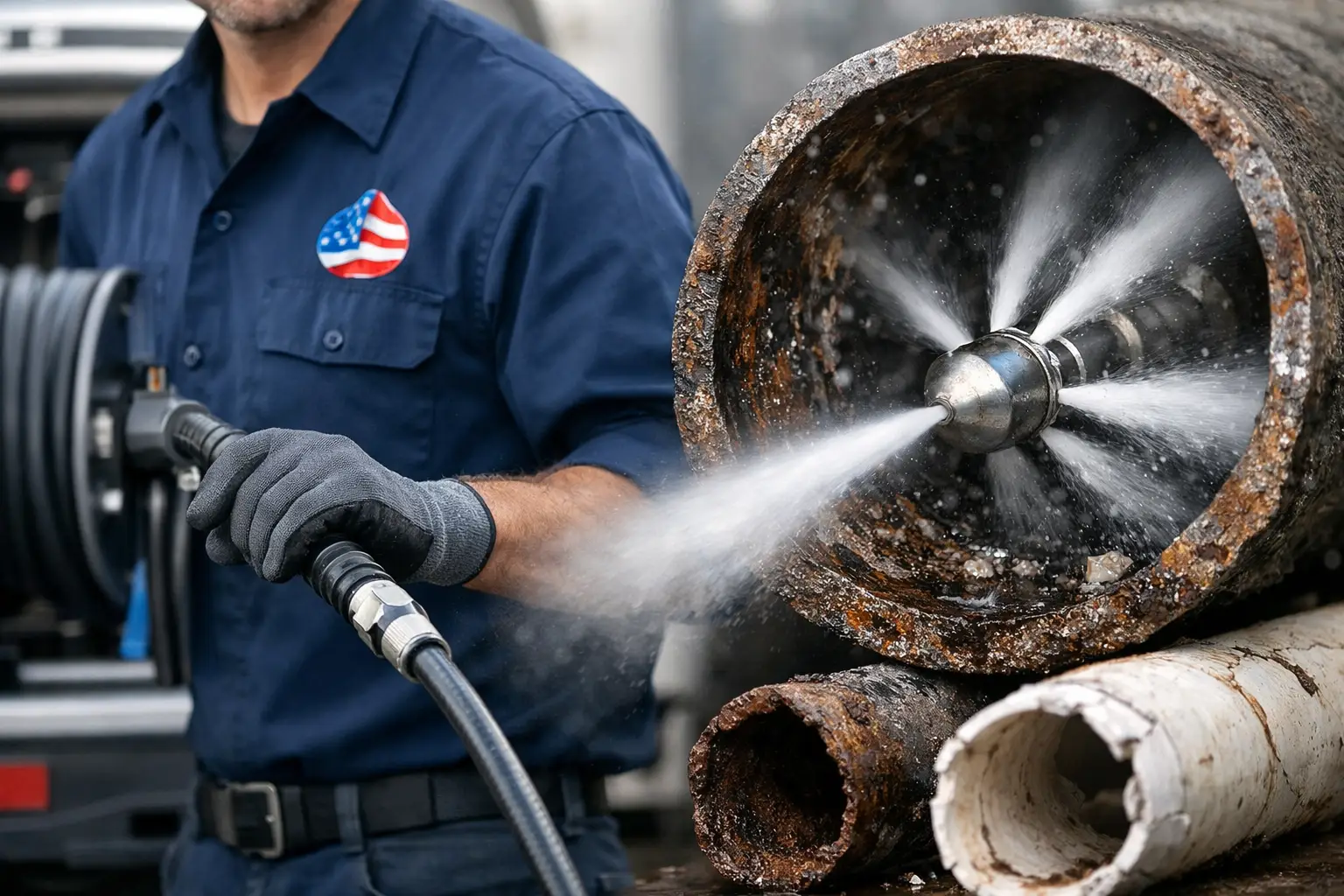
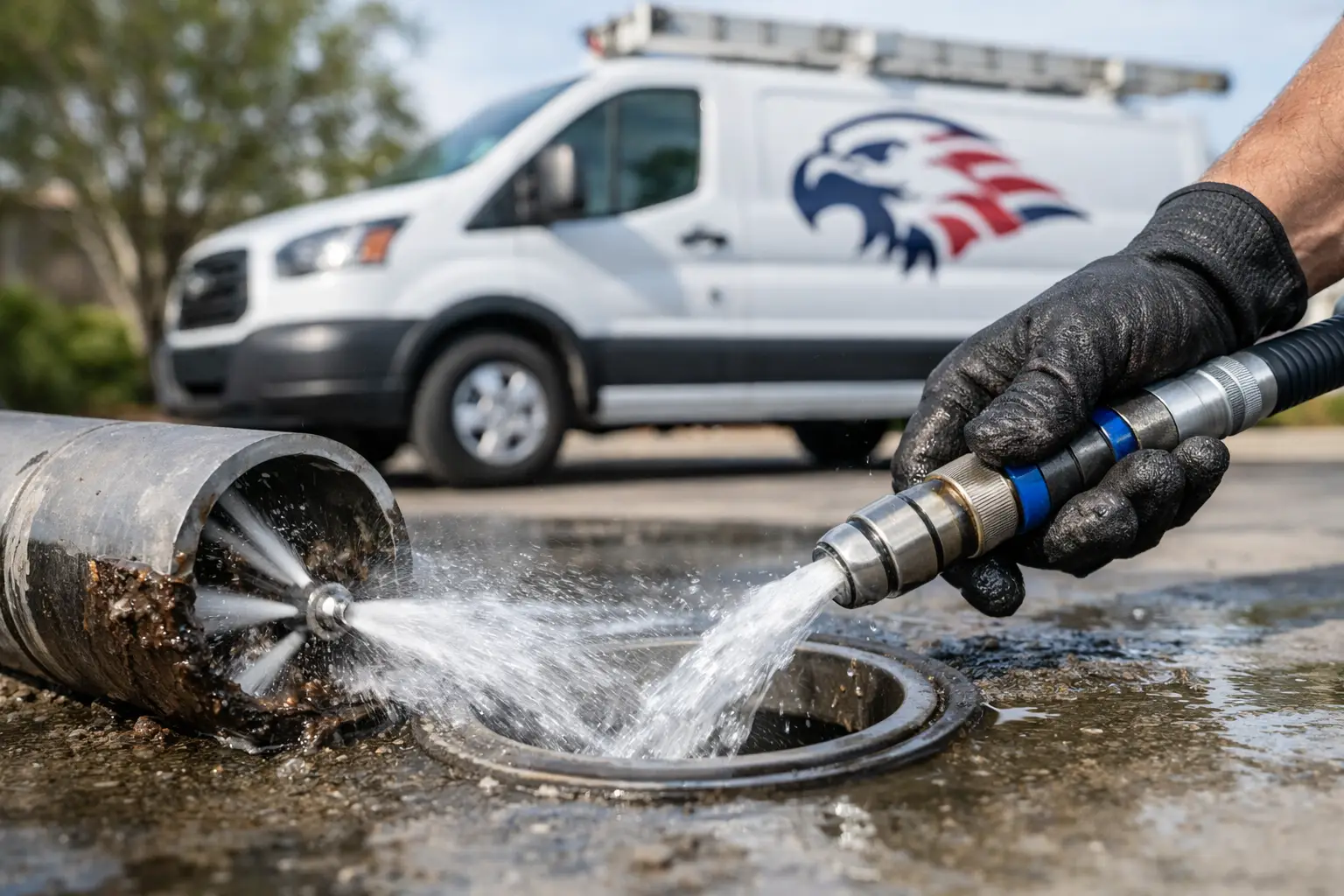
It can be especially valuable for recurring root intrusion. Older sewer lines with joints can allow tree roots to enter over time, causing repeat clogs and backups. Hydro-jetting may clear the roots and restore flow, but it does not repair the gaps that let roots return. A properly installed liner can create a continuous interior surface that eliminates those joints.
Homeowners may also consider trenchless work when a camera inspection reveals cracks, offset joints, corrosion, or sections of pipe that are deteriorating but still retain enough structure for the recommended method. Addressing the damage before a complete failure can help prevent a sewage backup inside the home.
For homeowners in Menifee, Murrieta, Temecula, and nearby communities, a sewer line may cross a finished backyard or run below concrete that would be costly to remove. In those cases, minimizing excavation is often a major part of the value.
When Trenchless Repair May Not Be the Right Choice
A professional inspection may show that trenchless lining is not appropriate. For example, a pipe with a significant belly or sag still has a low spot after it is lined. Wastewater and solids may continue collecting there, so lining does not correct the underlying grade problem.
Severely collapsed sections, major misalignments, or pipes that have lost too much structural integrity may also require excavation. Pipe bursting can address some badly damaged pipes, but it is not suitable for every route. Nearby utility lines, the depth of the pipe, soil conditions, and the type of existing pipe all matter.
Access is another consideration. Trenchless methods still need entry and exit points, equipment space, and a safe path for the work. The plumbing team must locate utilities, verify the pipe path, and determine whether the new line can be installed without creating a risk to other underground services.
The honest answer is that trenchless repair is worth it when it solves the actual problem and avoids meaningful restoration work. It is not worth forcing a liner into a line that needs a different repair. A good estimate should tell you what was found, why the recommended method fits, and what results you can reasonably expect.
Start With a Sewer Camera Inspection
The decision should begin with seeing the inside of the sewer line. A sewer camera inspection can identify root intrusion, cracks, separated joints, grease buildup, corrosion, standing water, and collapsed areas. It also helps locate the damaged section and determine its depth and route.
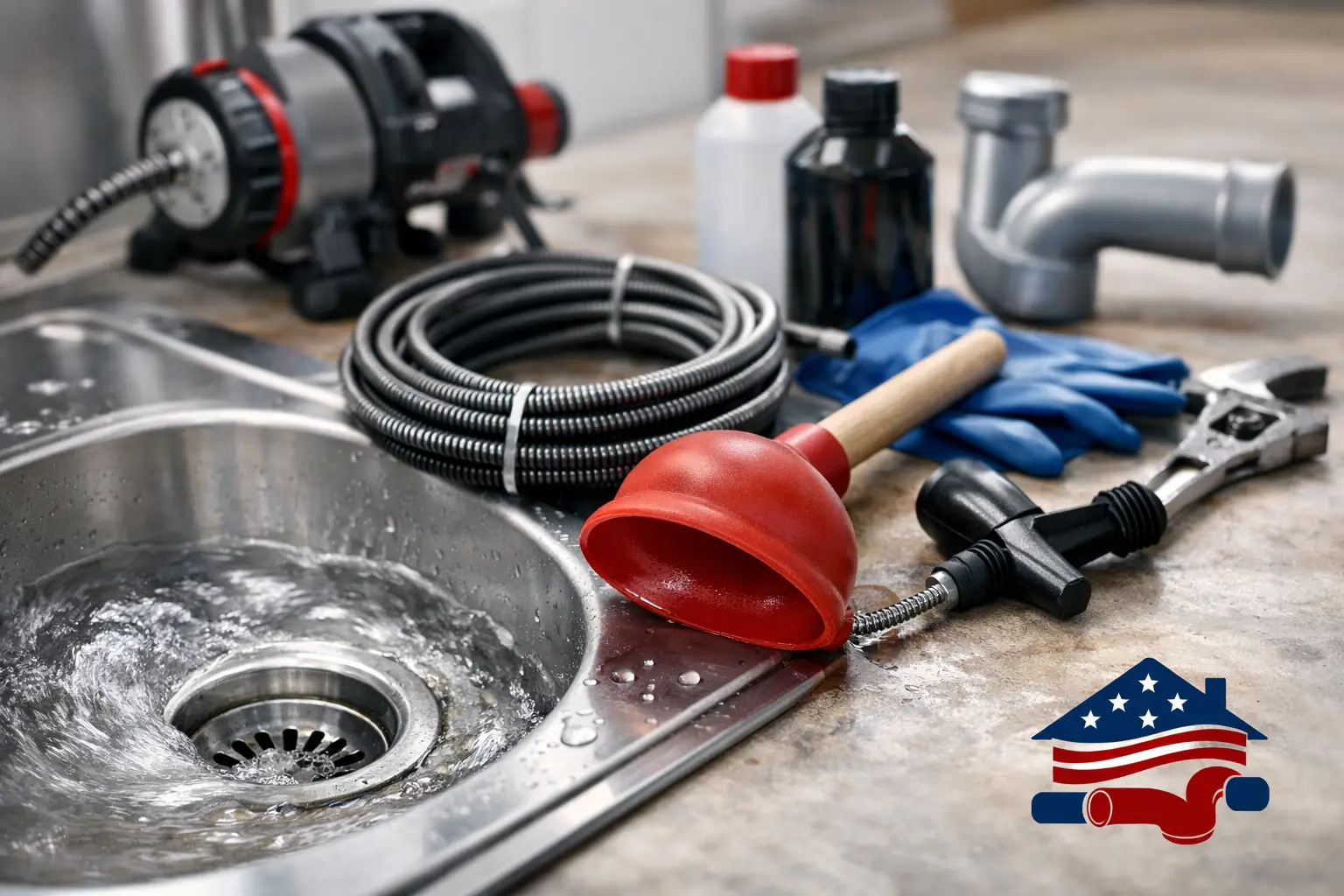
Ask for clear information about the findings. You should understand whether the issue is a one-time blockage that drain cleaning or hydro-jetting can resolve, or a structural pipe problem that will keep causing trouble. If replacement is recommended, ask whether lining, pipe bursting, and traditional excavation were considered.
A thorough evaluation should also address permits, cleanout access, the material of the existing pipe, and any restoration that may still be necessary. Trenchless does not mean zero digging, but it can mean far less digging than a full open trench.
Questions to Ask Before Approving the Work
Before scheduling sewer repair, make sure the estimate answers the practical questions that affect your home and budget. Ask what method is being recommended, why it is suitable for your pipe, and where access points will be needed. Confirm whether the quoted price includes cleaning, camera inspection, permits when required, cleanup, and repair of any small excavated areas.
It is also reasonable to ask about the new pipe or liner material, warranty coverage, and whether the contractor will verify the completed repair with a final camera inspection. You want proof that the line is open, properly connected, and ready for normal household use.
If the repair is unexpected, ask about financing options before delaying a needed sewer repair. Waiting through repeated backups can allow a manageable pipe problem to become a sanitation issue, property damage claim, or emergency replacement.
Protect the Home You Have Worked Hard to Maintain
A damaged sewer line should be repaired based on facts, not guesswork. American Plumbing Service can inspect the line, explain the condition in plain language, and help you compare the least disruptive repair options for your property. When trenchless repair protects your driveway, landscaping, and daily routine while delivering a lasting sewer solution, it can be money well spent.