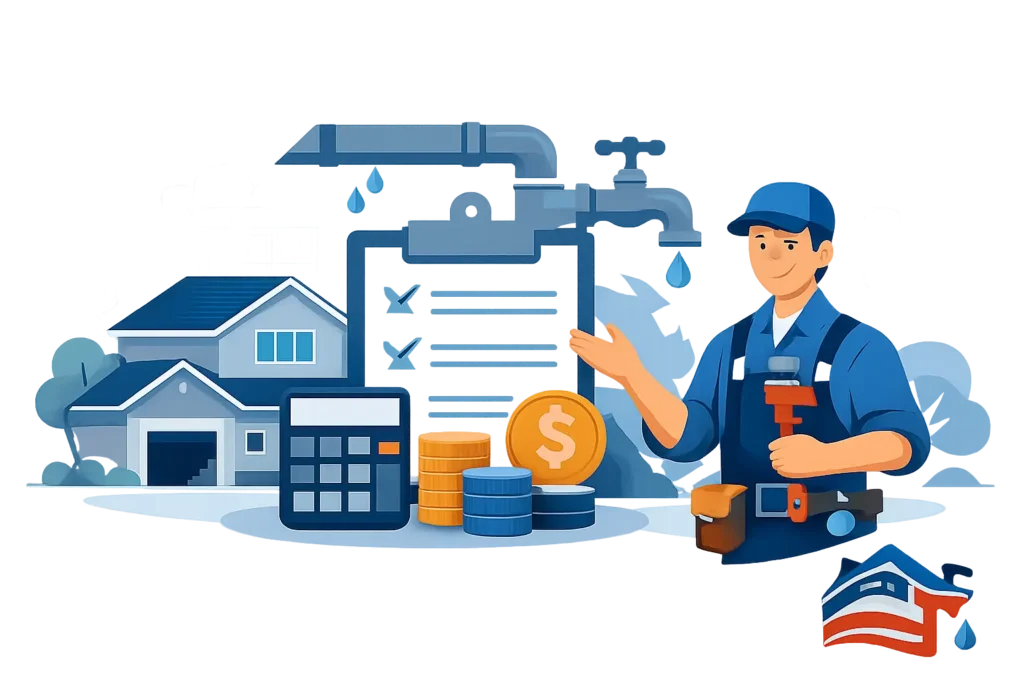
When a pipe starts leaking under the sink or the water heater stops working before a busy week, most homeowners want the same thing right away – a realistic number. A residential plumbing repair cost estimator helps you set expectations before the appointment, but the real value is knowing what affects that number and when a small repair can turn into a bigger job.
For most homes, plumbing costs are shaped by two things at once: the repair itself and how easy it is to reach the problem. A simple fixture repair in plain view usually costs far less than a leak hidden in a wall, under a slab, or deep in the sewer line. That is why online estimates can be helpful for budgeting, but they are not a final quote.
How a residential plumbing repair cost estimator helps
A good residential plumbing repair cost estimator is not supposed to guess the exact invoice down to the dollar. It is meant to give homeowners a workable range so they can decide whether they are dealing with a minor repair, a moderate issue, or a problem that needs fast professional attention.
That matters because plumbing problems rarely stay still. A dripping shut-off valve may remain affordable if handled early. Wait too long, and you may be dealing with cabinet damage, flooring issues, and mold concerns on top of the plumbing repair. The estimator is useful because it gets you from uncertainty to action faster.
It also helps you ask better questions when you schedule service. Instead of simply saying your drain is clogged, you can explain whether the clog is affecting one fixture or the whole house, whether there is sewage backup, and whether another repair may be involved. Better information usually means a more accurate starting estimate.
What goes into plumbing repair pricing
Homeowners often assume plumbing pricing is based only on parts. In reality, labor, access, diagnostics, urgency, and code-related requirements can matter just as much.
Type of repair
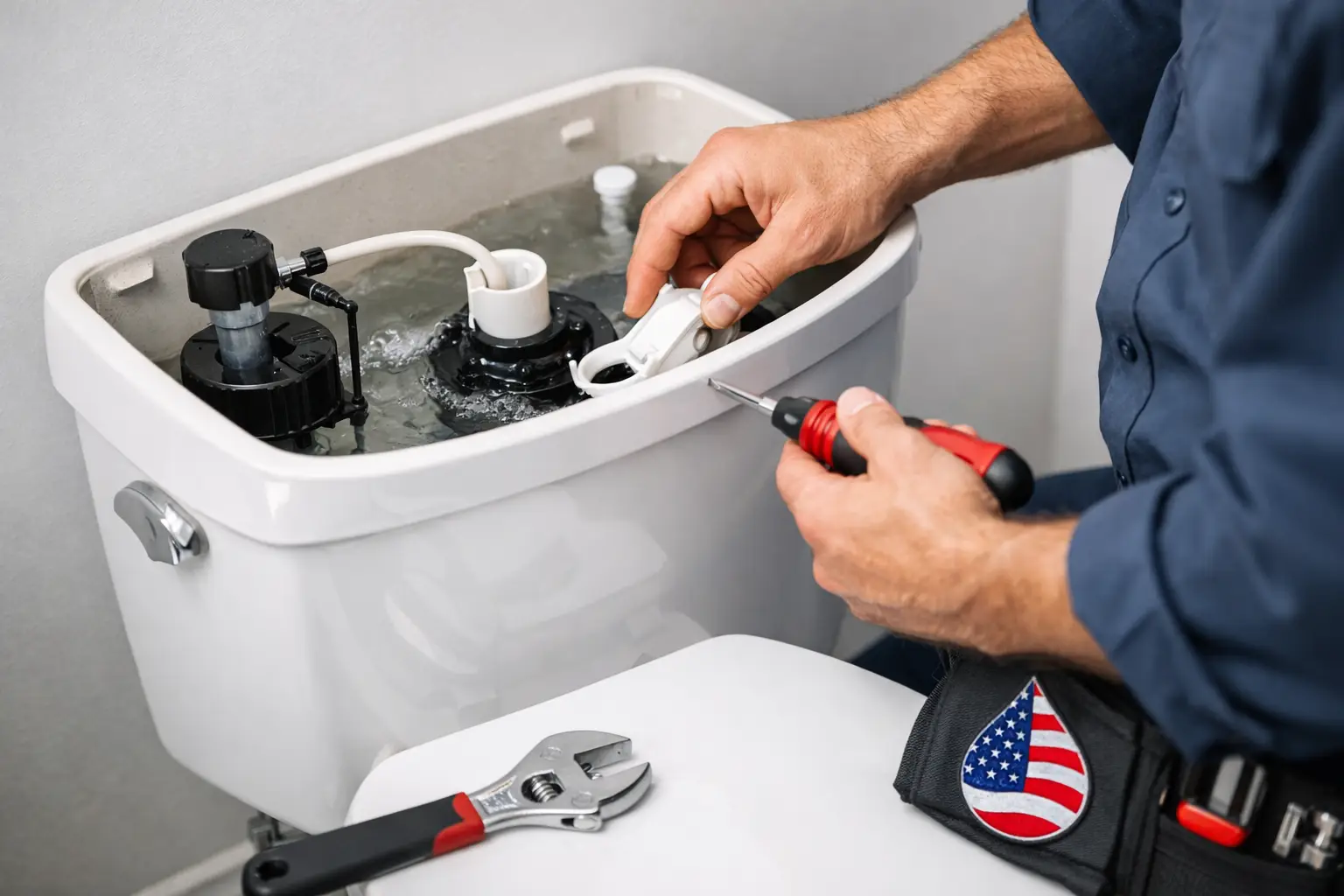
A worn flapper in a toilet tank is a different level of job than a failed pressure regulator or a broken sewer line. Basic fixture repairs and small part replacements tend to stay on the lower end. Leak detection, line repairs, water heater work, and sewer problems usually cost more because they require more time, tools, and expertise.
Access to the problem
This is one of the biggest cost drivers. If a plumber can reach the issue quickly, the repair is usually more straightforward. If the problem is behind tile, inside a wall, under concrete, or buried in the yard, the cost can rise because locating and reaching the issue takes more work.
Need for diagnostics
Some problems announce themselves clearly. Others do not. A visible supply line leak is easy to identify. An unexplained spike in the water bill, warm spots on the floor, or recurring drain backups may require leak detection equipment, camera inspection, pressure testing, or other diagnostic steps before repair options can be priced accurately.
Emergency timing
After-hours service, weekend calls, and active water emergencies can affect pricing. That does not mean emergency service is not worth it. If water is damaging your home or sewage is backing up, waiting may cost far more than the service call.
Repair versus replacement
Sometimes a repair is the right move. Sometimes it is not. If a water heater is near the end of its life, a repair may buy only a short amount of time. If a section of old galvanized piping keeps failing, patch repairs can start adding up quickly. A reliable plumber should explain both options clearly, including the trade-off between lower immediate cost and longer-term value.
Typical repair categories and what changes the price
A residential plumbing repair cost estimator usually works best when you think in categories rather than exact line items.
Drain clogs and backups
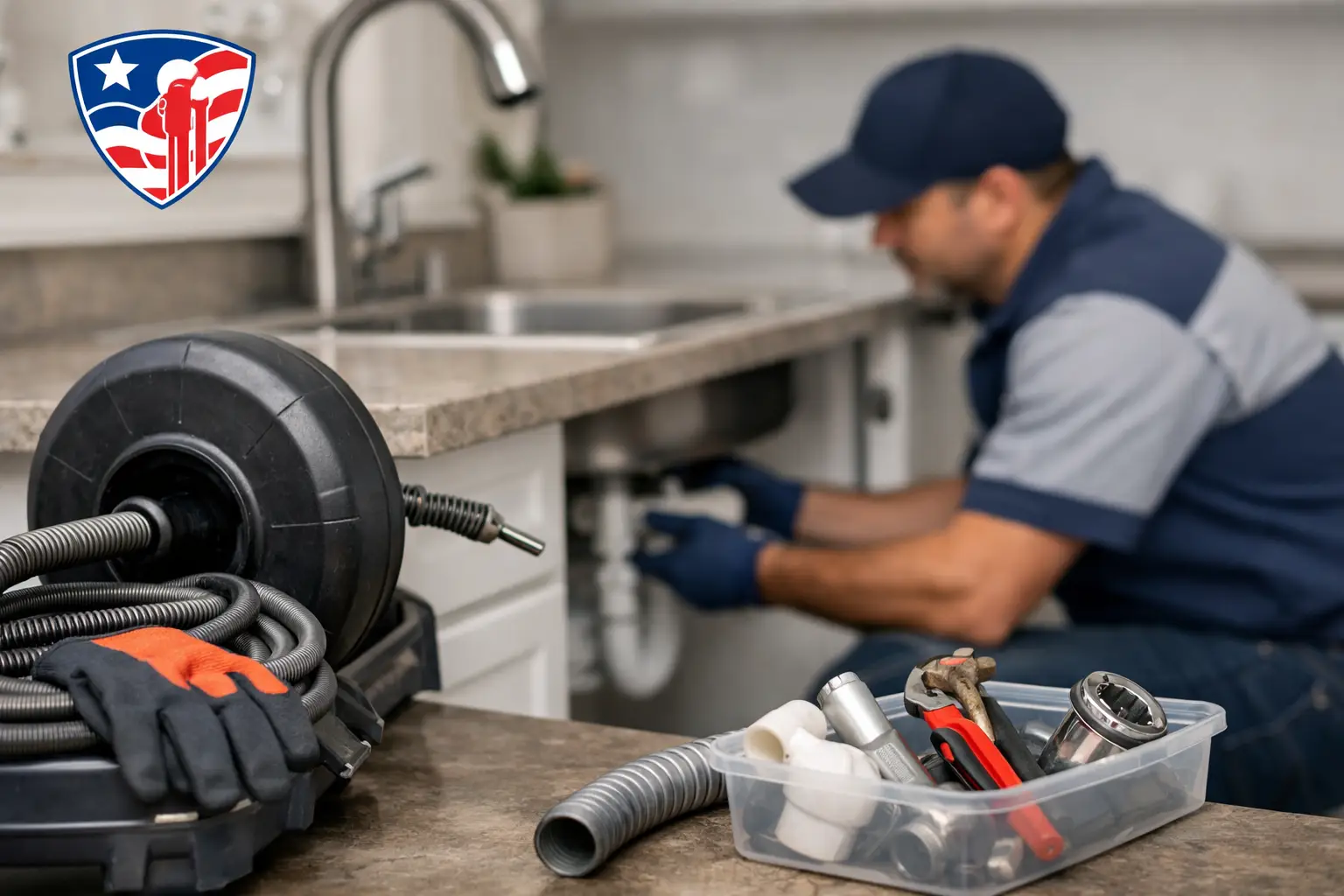
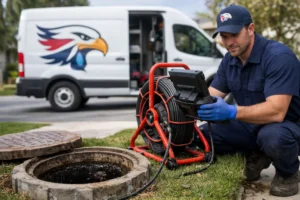
A simple sink or tub clog is often one of the more affordable service calls, especially if it is limited to one fixture. Pricing goes up when the clog is deeper in the line, affects multiple drains, or requires hydro-jetting or camera inspection. If there is sewage backup, that moves the situation out of routine maintenance and into urgent repair.
Leak repairs
Visible leaks under sinks, around toilets, or at exposed supply lines are usually easier to price and repair. Hidden leaks are different. Wall leaks, ceiling leaks, yard leaks, and slab leaks often require detection first, then access work, then the actual repair. That is why leak repair ranges can vary so widely.
Water heater service
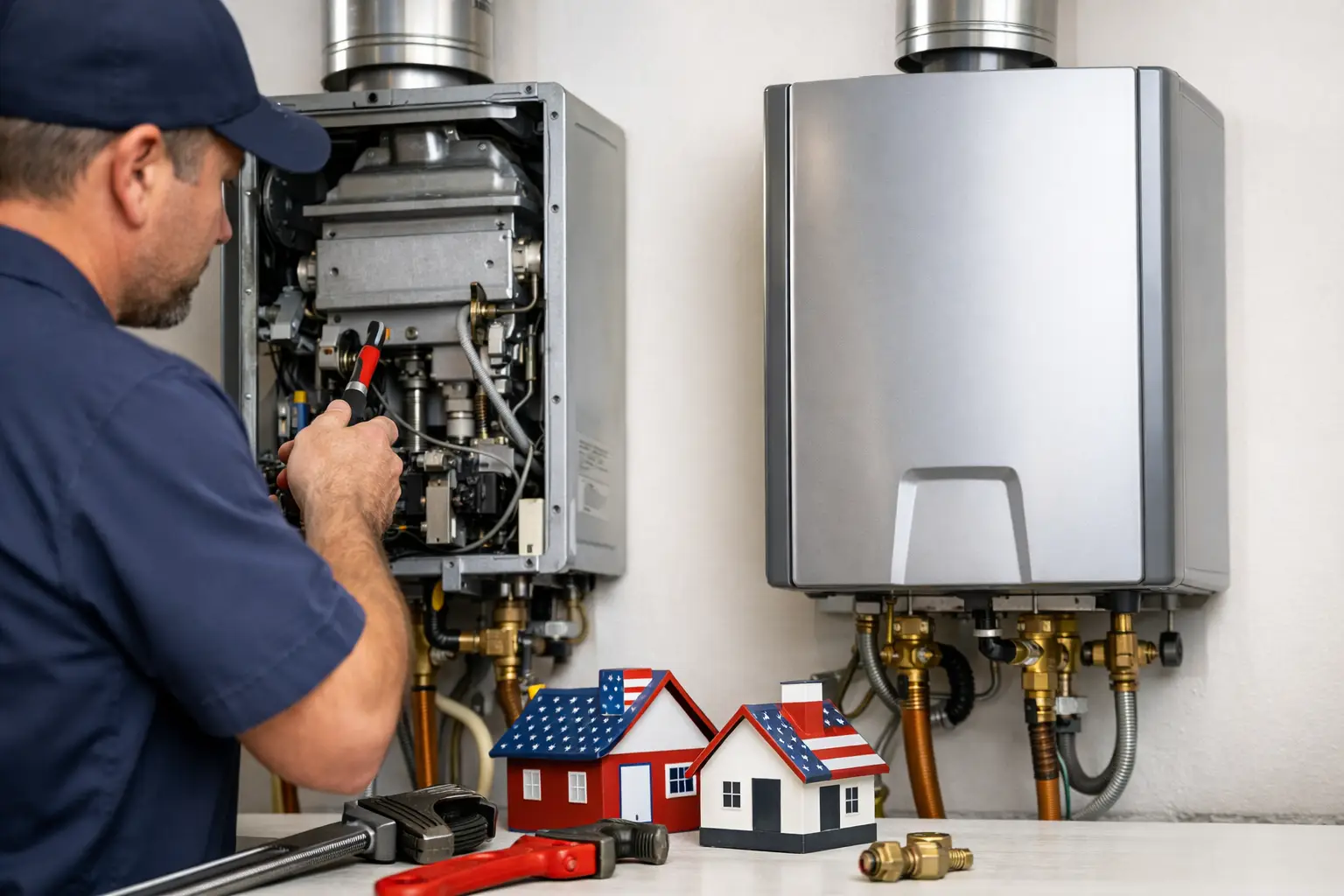
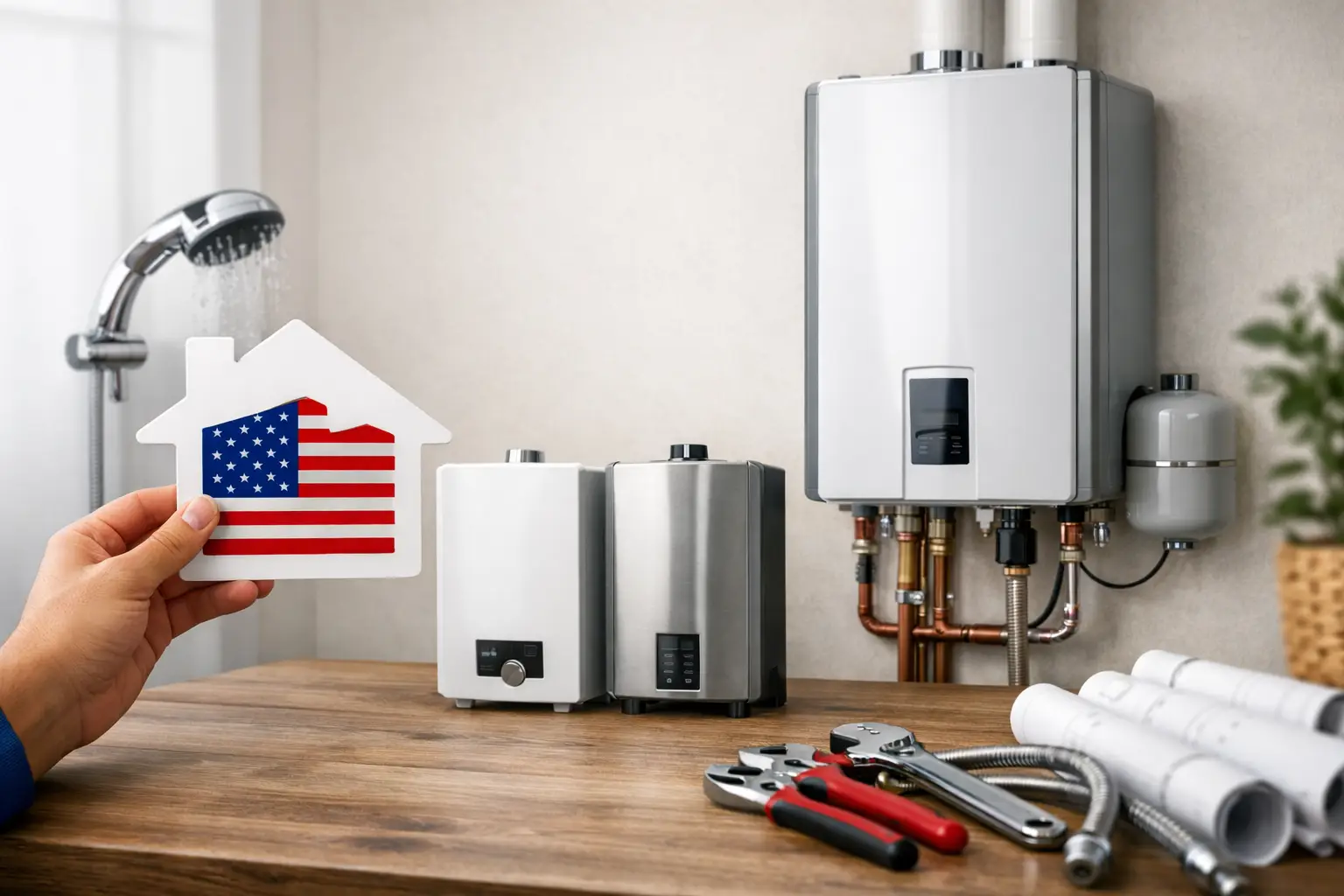
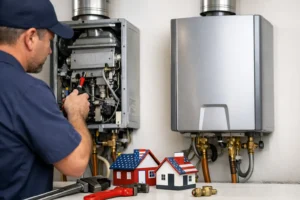
Water heater repair costs depend on whether the issue is a replaceable component, a maintenance problem, or a full unit failure. Thermostats, pilot issues, igniters, and valves can sometimes be repaired. Tank corrosion, major age-related wear, or repeated failure may push the recommendation toward replacement instead.
Toilet and fixture repairs
Running toilets, faulty fill valves, dripping faucets, broken garbage disposals, and loose fixtures are often moderate repairs, but parts quality and fixture age matter. In some older homes, what starts as a simple faucet repair can become a larger job if corroded shut-off valves or outdated connections need to be replaced to complete the work safely.
Sewer and water line repairs
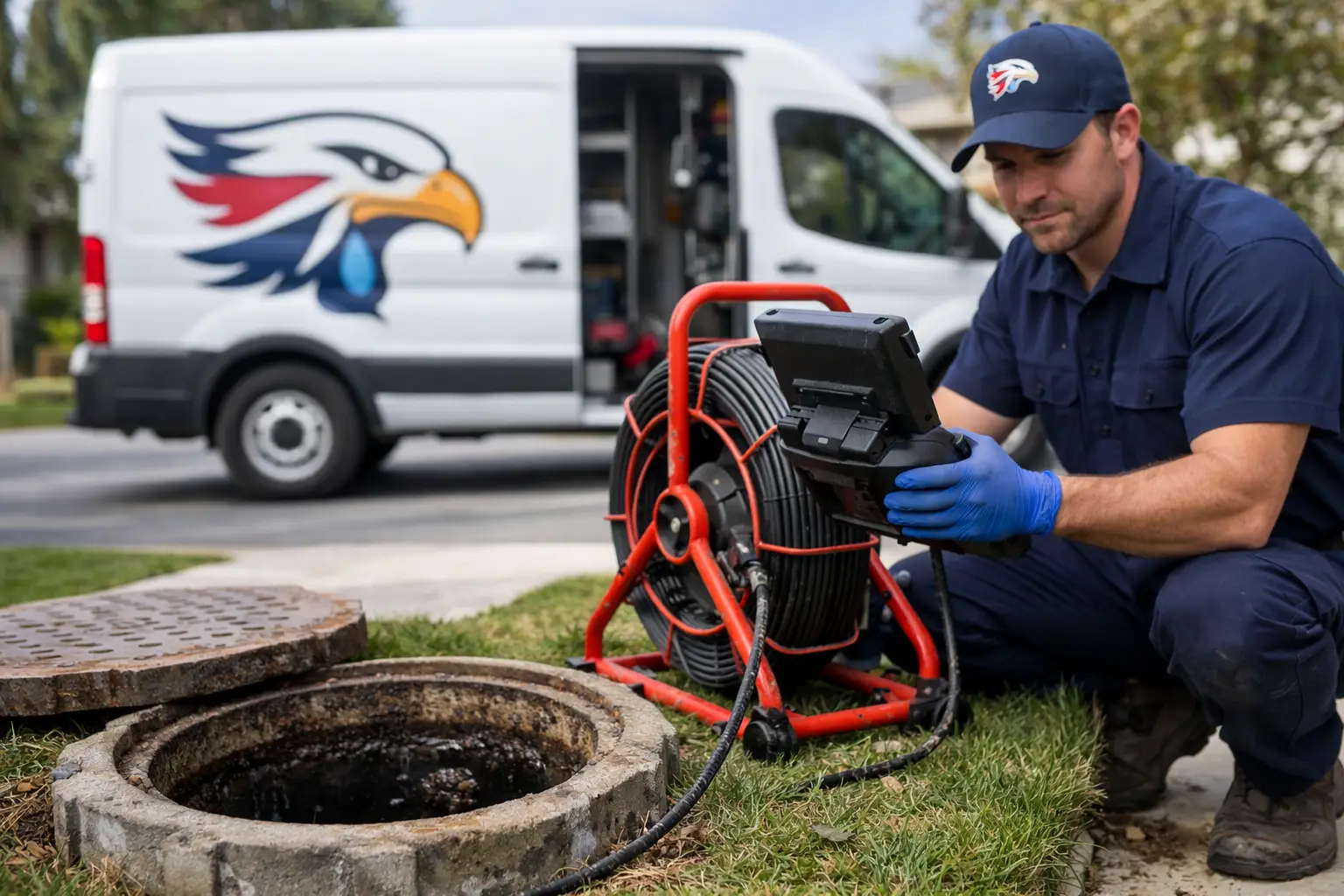
These are usually among the highest-cost categories because they involve more risk, more labor, and often more equipment. The final price depends on whether the line can be repaired in a targeted section, whether trenchless options are available, and whether damage is caused by roots, shifting soil, corrosion, or collapse.
Why online estimates often miss the mark
An online calculator can be a useful first step, but it cannot inspect your home. Two houses can have the same symptom and very different repair paths. A slow drain may be a simple local blockage in one home and a sewer line issue in another. Low hot water output might be a thermostat issue, sediment buildup, or a failing unit.
That is why homeowners should treat online pricing as a planning tool, not a promise. The more accurate estimate comes after an onsite look at the problem, the age of the system, the material involved, and the safest fix.
For local homeowners dealing with fast-moving issues, a free onsite estimate can be more valuable than a broad online number because it turns a guess into an actual plan.
When the lowest estimate is not the best deal
It is normal to compare prices. It is also worth comparing what is included. A low estimate may not include the full scope of work, quality replacement parts, proper diagnostics, permit-related needs, or cleanup. That can leave you paying more later.
The better question is whether the estimate matches the real problem. If a plumber recommends a quick patch without addressing the reason the problem happened, the repair may fail early. On the other hand, not every issue requires the most expensive solution. Good service means recommending what fits the condition of the home and the homeowner’s budget.
This is where local residential specialists often stand apart from bigger one-size-fits-all operations. They see the same types of housing, common plumbing layouts, and recurring area-specific issues often enough to spot the most practical fix quickly.
How to use a residential plumbing repair cost estimator the right way
Start with the symptom, not your best guess at the repair. If you say you need a pipe replaced, but the issue is actually a faulty fitting or pressure problem, your estimate will be off from the start. Be specific about what you are seeing: water stains, loss of hot water, slow drains, foul odors, gurgling, banging pipes, or sudden high water bills.
Next, think about urgency. If water is actively leaking, the toilet is overflowing, or the sewer is backing up, cost planning matters less than preventing damage. In those cases, the estimator is useful only as a rough reference. The real priority is getting a qualified plumber out quickly.
It also helps to mention the age of the fixture or system if you know it. A newer water heater with one failed component is different from a twelve-year-old unit with a leak at the base. That context can shift the likely price range and the repair recommendation.
What homeowners should expect from a solid estimate
A useful estimate should be straightforward. You should understand what problem is being addressed, whether diagnostic work is included, what repair is recommended, and what could change the final price. If there are multiple options, those should be explained in plain language.
For example, a homeowner may be given a lower-cost repair option and a higher-cost replacement option for an aging fixture or water heater. That is not upselling by itself. Sometimes it is the most honest way to show the short-term and long-term costs side by side.
Companies like American Plumbing Service build trust by making the next step easy: fast response, onsite estimates, and practical recommendations based on what is actually happening in the home. For homeowners in Menifee and nearby communities, that kind of clarity matters more than a generic internet price range.
A residential plumbing repair cost estimator is most useful when it helps you act sooner, ask smarter questions, and avoid getting stuck between denial and panic. If something in your home does not sound right, drain right, or stay dry, getting real answers early is usually the cheapest move you can make.