A toilet is overflowing, water is spreading across the floor, or your water heater just quit before school and work. In that moment, an emergency plumbing problem checklist helps you do the right things first, avoid making the damage worse, and know when it is time to call for immediate service.
Most plumbing emergencies feel bigger because they happen fast. A small leak can become cabinet damage. A backed-up drain can turn into a sanitation problem. No homeowner needs a long technical lesson when water is where it should not be. What helps is a clear plan.
Your emergency plumbing problem checklist: first 5 minutes
Start by stopping the water if you can. If the problem is coming from a sink, toilet, or appliance, use the local shut-off valve nearby. If that does not work, or if the source is not obvious, turn off the home’s main water supply. Every homeowner should know where that valve is before an emergency happens.
Next, turn off power to any affected area if water is near outlets, light switches, or appliances. If you cannot do that safely, stay out of the area and wait for a professional. Water and electricity are a dangerous mix, and this is one of those cases where waiting is the smarter move.
Then protect what you can. Move towels, rugs, paper goods, and small furniture out of the way. If a leak is under a sink, place a bucket under the drip. If water is spreading, use towels to contain it until help arrives. The goal is not a perfect cleanup. It is limiting damage.
After that, take a quick photo or two. That can help with repair decisions, and it may be useful for insurance if the damage is significant. Once the area is safe, call a licensed plumber if the problem is active, growing, or affecting major systems in the home.
How to tell if it is a true plumbing emergency
Not every plumbing problem needs same-day emergency service, but some absolutely do. A burst pipe, slab leak, sewer backup, gas line concern, no hot water with an active leak, or a major drain blockage affecting multiple fixtures should be treated urgently.
A slow drip under one bathroom sink is serious if left alone, but it may not be an after-hours emergency if you can isolate it with a shut-off valve. On the other hand, water coming through a wall, a toilet that will not stop overflowing, or sewage backing up into a shower is not something to watch and wait on.
When homeowners are unsure, the best rule is simple. If the problem is causing active water damage, creates a health risk, affects the whole house, or cannot be safely contained, treat it as an emergency.
Emergency plumbing problem checklist by issue type
Burst or leaking pipe
If a pipe bursts or starts leaking heavily, shut off the main water supply right away. Open a faucet to relieve pressure and help drain the line. If water is near drywall, flooring, or cabinets, begin drying what you can without delaying the service call.
Avoid using temporary patch products as a long-term fix. They can slow a leak, but they rarely solve the root problem. Pipe failures often involve corrosion, pressure issues, bad fittings, or hidden damage elsewhere in the line.
Overflowing toilet
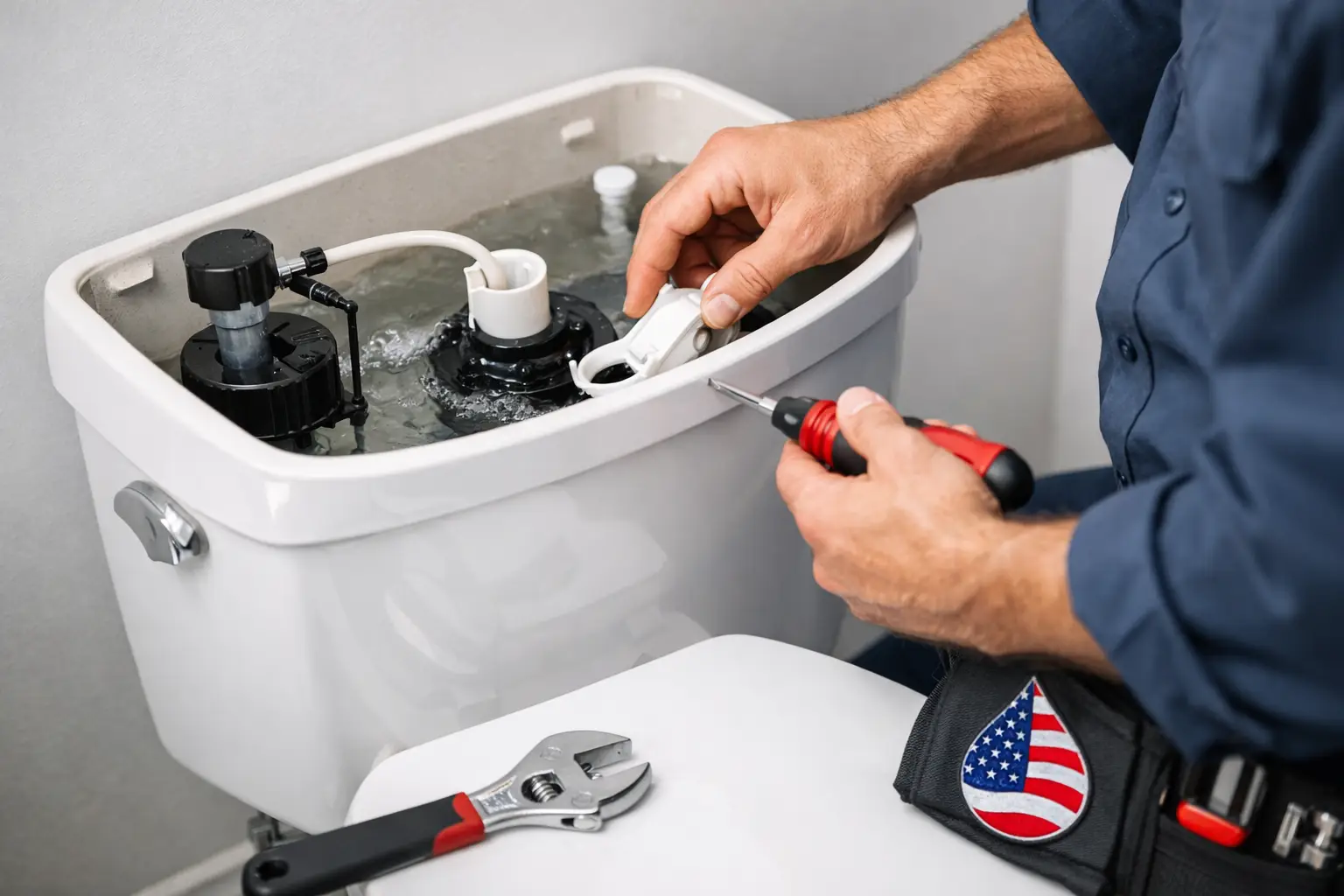
First, stop the flow at the toilet shut-off valve, usually located near the base of the wall. If the bowl is rising, remove the tank lid and lift the float if needed while you reach the valve. Do not keep flushing to “see if it clears.” That usually makes the mess worse.
If only one toilet is affected and there is no sewage smell or backup elsewhere, the issue may be local to that fixture. If multiple drains are backing up, you may be dealing with a main sewer line problem.
Sewer backup or multiple clogged drains
This is one of the clearest signs you need immediate professional help. If sewage is coming up through a tub, shower, or floor drain, stop using all water in the home. Running sinks, flushing toilets, or doing laundry can force more wastewater back inside.
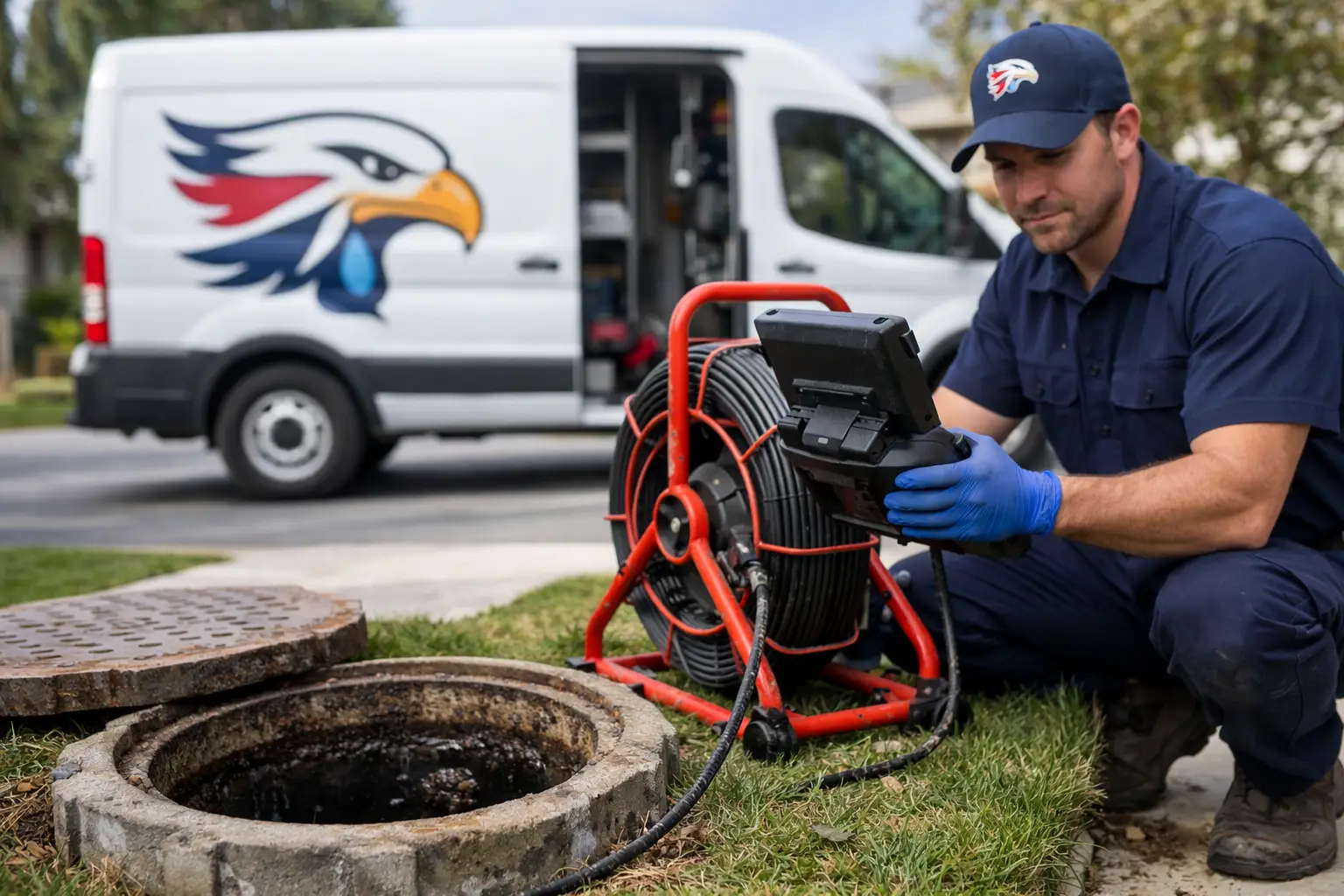
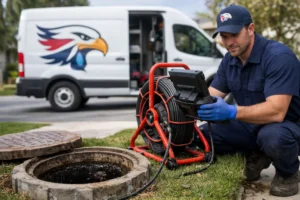
A plunger will not solve a main line issue. In these cases, sewer line inspection and proper clearing are the real fix. Depending on the cause, hydro-jetting or trenchless sewer repair may be the better solution, especially when the blockage is recurring.
No hot water or leaking water heater
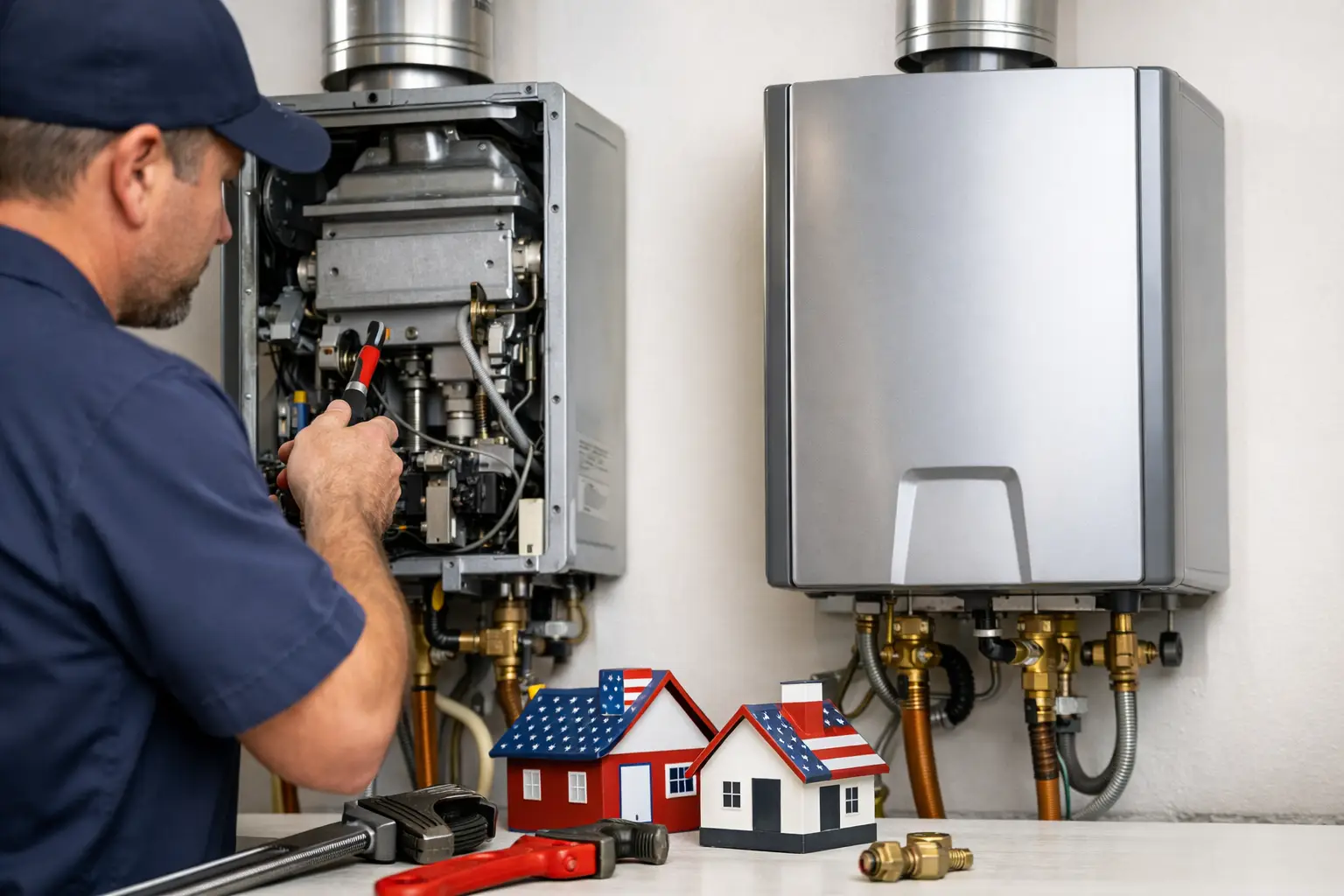
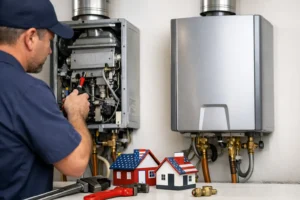
If your water heater is leaking, shut off the water supply to the unit and turn off power or gas to it if you know how to do so safely. A water heater leak can go from minor to major in a hurry, especially if the tank is failing.
If there is no leak but no hot water, the urgency depends on your household. For some families, especially with kids, older adults, or one bathroom, same-day service matters. If the unit is older and showing rust, rumbling, or inconsistent performance, repair may not be the best value compared to replacement.
Slab leak warning signs
A slab leak does not always look dramatic at first. You might notice warm spots on the floor, unexplained water bills, low pressure, or the sound of running water when nothing is on. That kind of hidden leak can cause major structural damage if it is ignored.
This is not a do-it-yourself diagnosis. Leak detection matters because the wrong guess can mean unnecessary damage and extra cost. Fast, accurate location of the problem is what protects the home.
Gas line concerns
If you smell gas, leave the house immediately and do not use switches, lighters, appliances, or your phone inside. Once you are at a safe distance, contact the gas utility and emergency services as needed. After the area is declared safe, a licensed professional can assess and repair the line.
This is one area where there is no wait-and-see version. Even a faint or intermittent smell needs immediate attention.
What not to do during a plumbing emergency
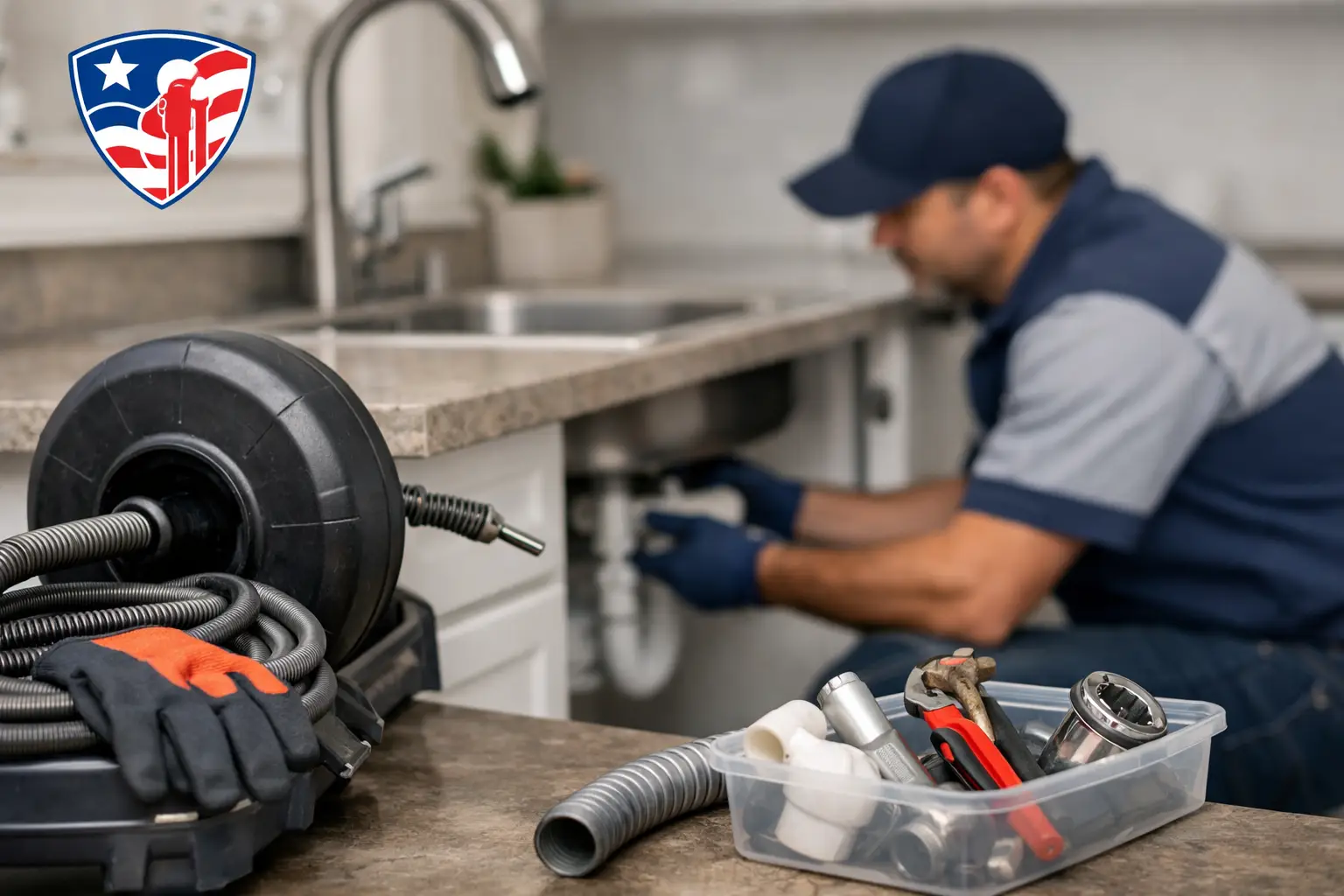
Homeowners often lose time on the wrong fix. Do not keep resetting a water heater that is leaking. Do not pour chemical drain cleaners into a backed-up line, especially if sewage is involved. Those products can damage pipes and make professional service harder.
Do not cut into walls or flooring unless you are certain the area is safe and you have already shut off utilities as needed. And do not assume the problem is over just because the water stopped. A hidden leak, damaged seal, or partial blockage can still be active behind the scenes.
What to have ready before the plumber arrives
A little preparation can speed up the repair. Clear access to the affected area if possible. Put pets in a separate room. Make note of when the problem started, what fixtures are affected, and whether it has happened before.
If you know where the shut-off valves are and what steps you already took, share that right away. Good plumbers are looking for a fast, accurate diagnosis, and that information helps.
Why fast action saves money
The biggest cost in many plumbing emergencies is not the pipe, valve, or fixture. It is the damage that follows. Wet drywall, swollen cabinets, flooring replacement, mold cleanup, and lost time add up quickly.
That is why homeowners in Menifee and nearby communities usually benefit from acting early rather than hoping the problem settles down on its own. A straightforward repair today is often far less expensive than a restoration project next week.
When to call for immediate residential plumbing service
Call right away if you have active leaking that cannot be contained, sewage backup, a burst pipe, a suspected slab leak, a failed water heater, or any plumbing issue tied to a gas line concern. If your home has lost normal function in a kitchen or bathroom and the issue is affecting daily life, same-day service is usually the right call.
American Plumbing Service works with homeowners who need clear answers, quick scheduling, and repairs that actually solve the problem instead of buying a little time. In an emergency, that matters.
The best checklist is the one you can remember under pressure: stop the water, protect the area, avoid risky quick fixes, and get expert help when the problem is bigger than a valve or plunger can handle. Fast action gives your home the best chance of staying dry, safe, and easier to repair.