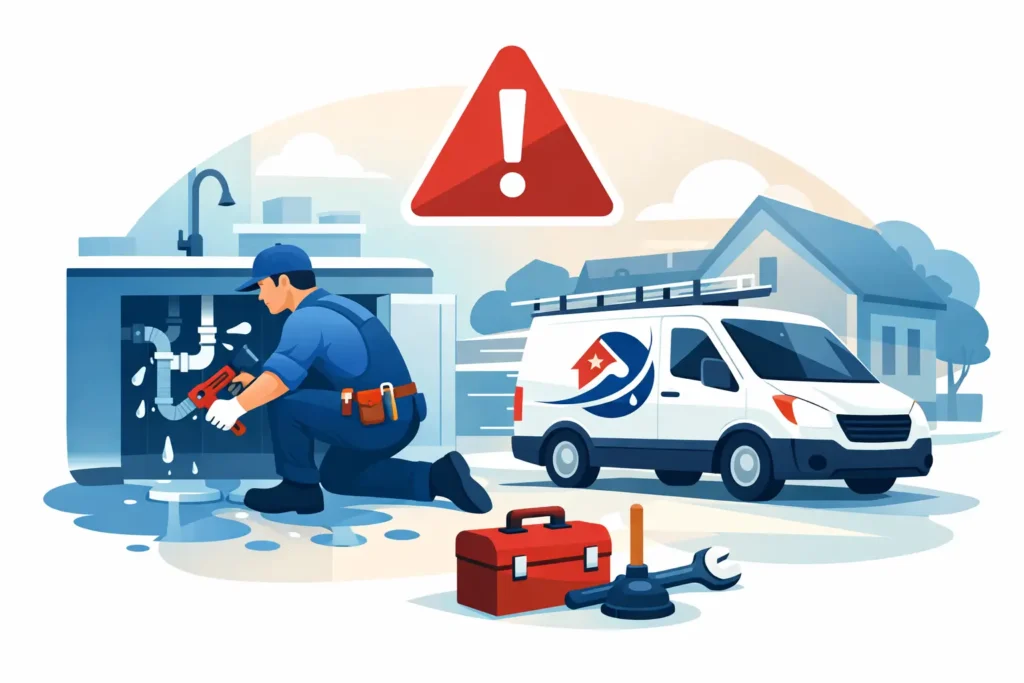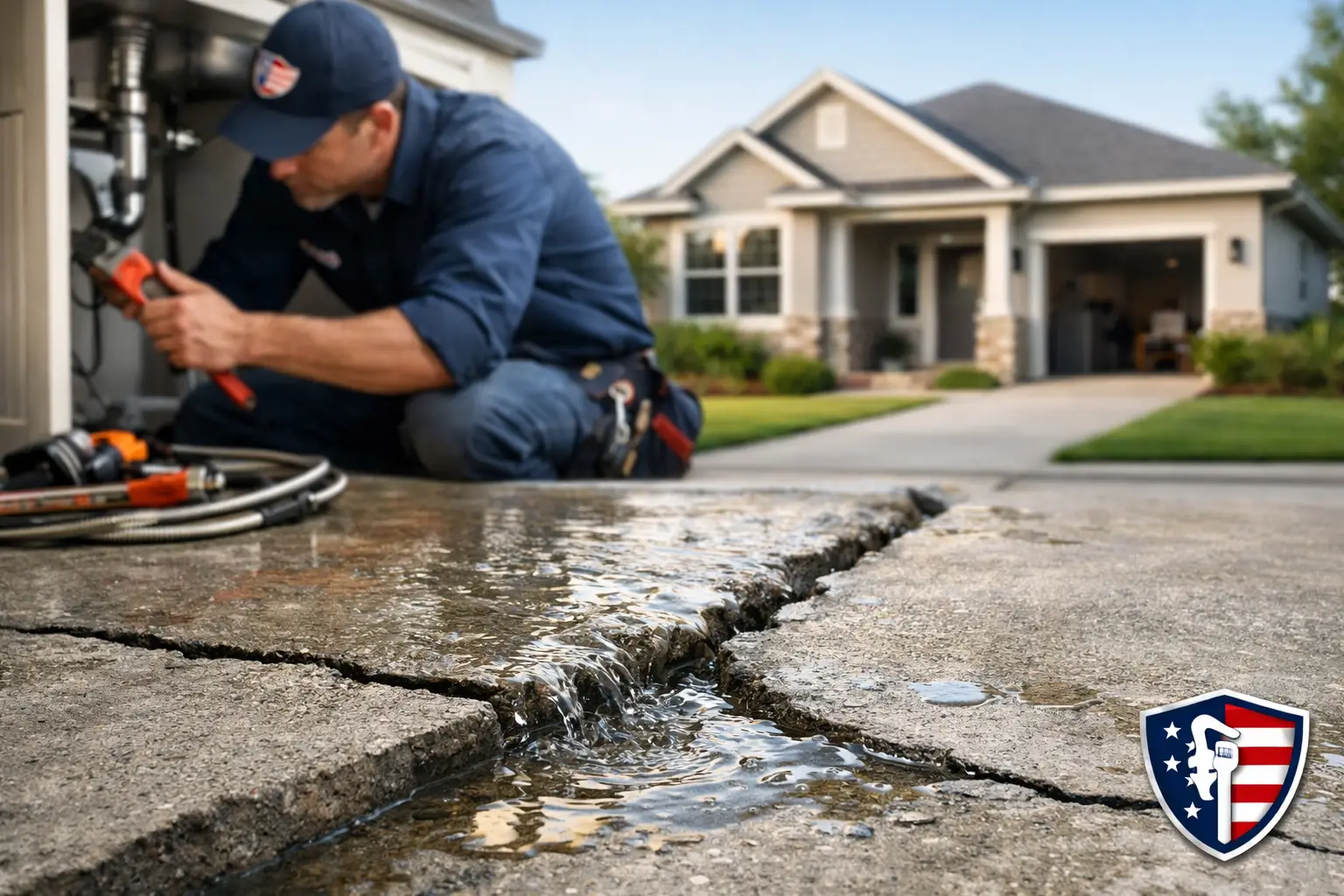
A burst pipe at 9 p.m. does not give you time to compare ten options or wait until the weekend is over. When water is spreading across the floor, the real value of an emergency plumbing response is simple – stop the damage, protect the home, and get the problem fixed before it turns into a much bigger repair.
For homeowners, plumbing emergencies usually feel chaotic because the source is not always obvious. A ceiling stain may be a pipe leak, a slab leak, or a drain issue traveling from somewhere else. A backed-up toilet may be one fixture, or it may point to a larger sewer line problem. The faster the issue is diagnosed, the better your chances of limiting drywall damage, flooring loss, mold growth, and disruption to your household.
What counts as an emergency plumbing response
Not every plumbing issue needs immediate after-hours service, but some absolutely do. If water is actively leaking, a drain line is backing up into the house, the water heater has failed and is leaking, or you suspect a gas-related issue connected to plumbing equipment, waiting can cost you more than the repair itself.
A true emergency usually involves one of three things. The first is active property damage, like water pouring from a broken supply line or pipe inside a wall. The second is loss of essential plumbing function, such as a main drain blockage that leaves your home without usable toilets or sinks. The third is a safety concern, which can include contaminated backup water, potential slab leak damage, or water around electrical areas.
Some issues fall into a gray area. A slow drain in one bathroom may be frustrating but not urgent. A single clogged toilet in a home with two or three bathrooms may be inconvenient, not an emergency. But if that same clog is overflowing, or multiple fixtures are backing up at once, the situation changes quickly.
What to do before your emergency plumber arrives
The first move is to stop the immediate damage if you can do it safely. Shut off the local fixture valve if the problem is isolated to a sink or toilet. If a pipe has burst or you cannot identify the source, turn off the home’s main water supply. Every homeowner should know where that valve is before a problem starts.
Next, shut off power in the affected area if water is near outlets, appliances, or electrical equipment. Do not step into standing water to reach a panel or switch if doing so puts you at risk. If the problem involves a water heater, turning off the unit may help limit added pressure or heating issues, especially if the tank is leaking.
Then clear the area. Move rugs, small furniture, storage bins, or anything that can absorb water or block access. If sewage is involved, keep children and pets away from the affected space. A sewer backup is not just messy – it is a health issue.
After that, call for service with clear details. Tell the plumber what is happening, when it started, whether the water is on or off, and which fixtures are affected. Photos can help in some cases, but a clear phone description matters just as much. Fast response is important, but accurate information helps the technician arrive prepared.
Common problems that need fast plumbing help
Emergency calls tend to fall into a few major categories, and each one requires a different repair approach.
Burst or leaking pipes are one of the most urgent. Even a small supply line break can release a surprising amount of water in a short time. In older homes, corrosion, pressure issues, or shifting can all contribute. In newer systems, loose connections or failed fittings may be the problem. The key is not just stopping the leak but identifying whether the failure is isolated or part of a larger weakness in the piping system.
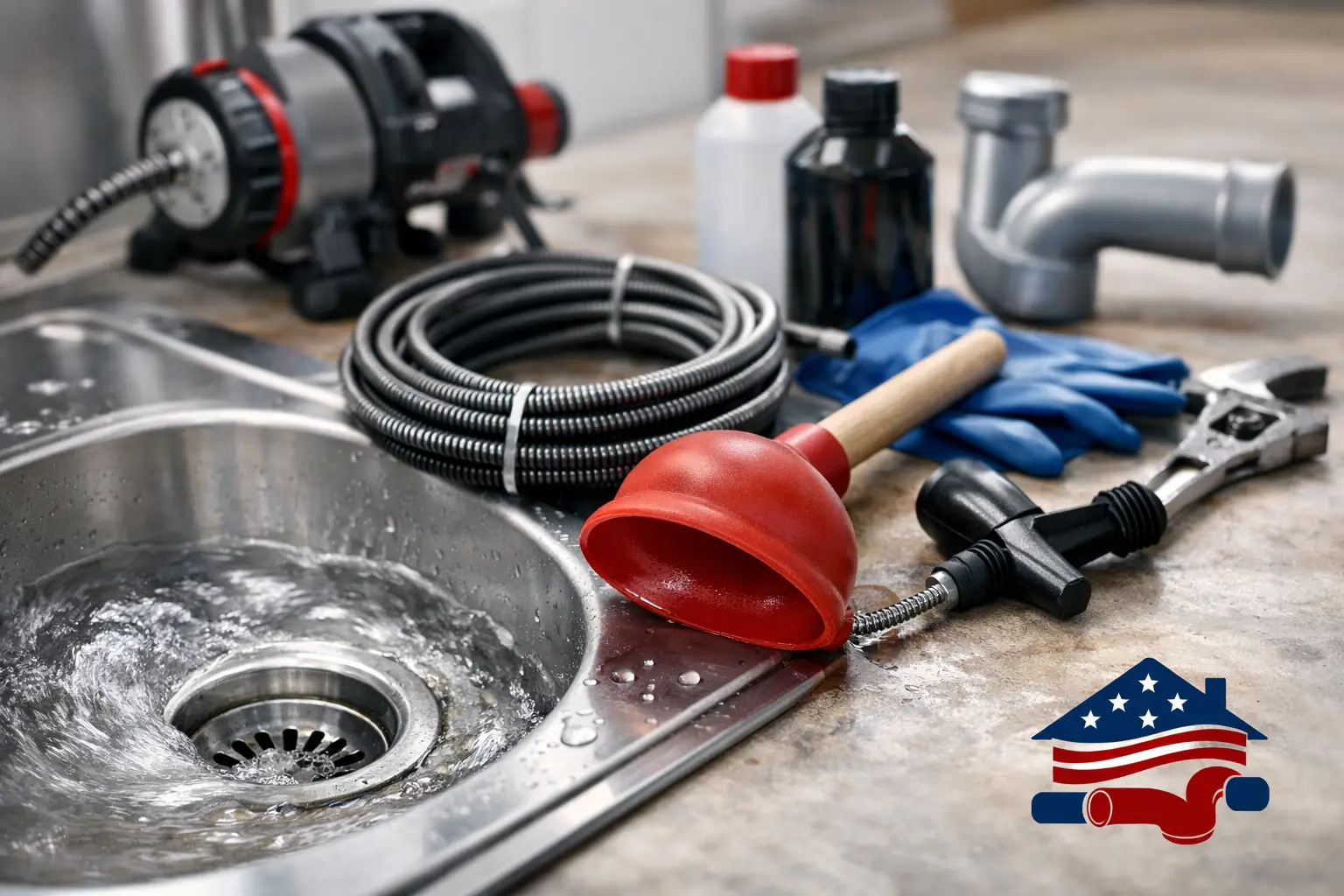
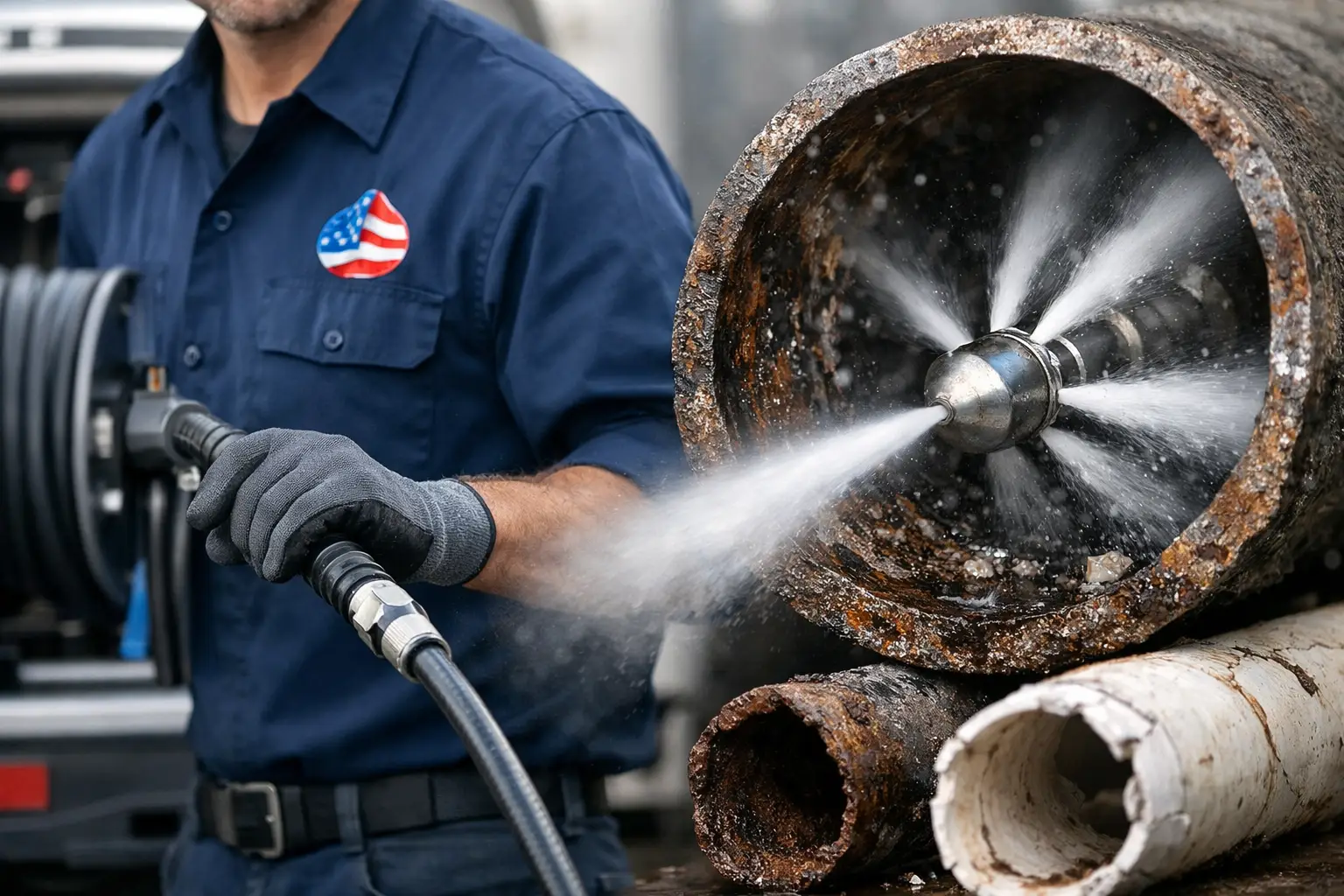
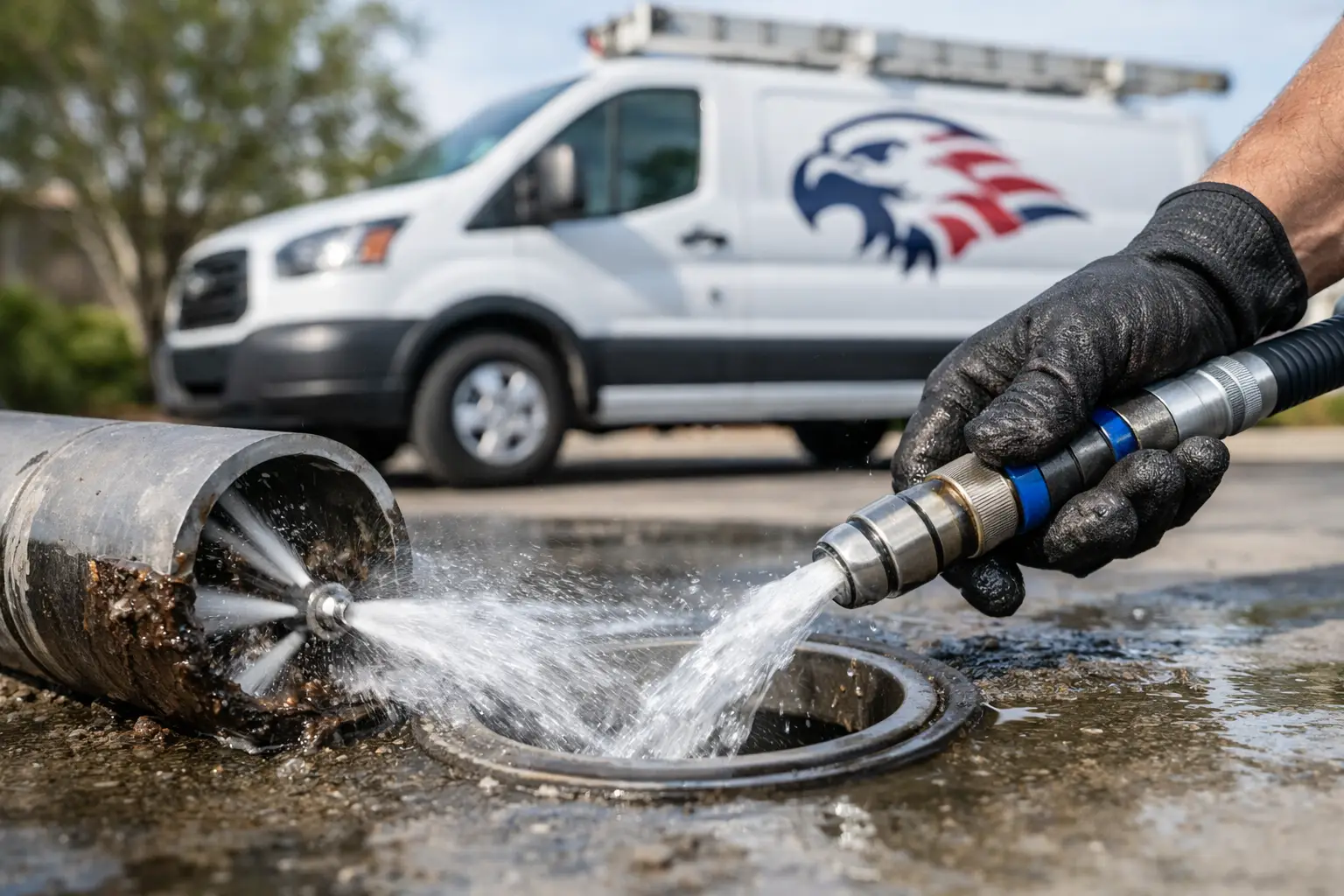
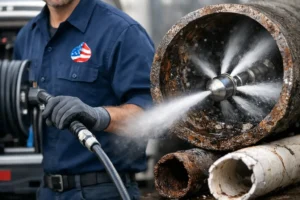
Drain and sewer backups are another major category. If wastewater comes up through tubs, showers, or floor drains, the blockage may be deep in the line. Basic snaking may solve some stoppages, but heavier buildup, root intrusion, or damaged sewer piping can require hydro-jetting, camera inspection, or trenchless sewer repair depending on the condition of the line.
Water heater failures can also become emergencies quickly. Sometimes the issue is loss of hot water, which may be urgent for a busy household but not destructive. Other times, the tank itself is leaking, sending water into the garage, closet, or utility area. That needs immediate attention. In some homes, replacing the unit right away is the most practical path, especially when the heater is older and already near the end of its service life.
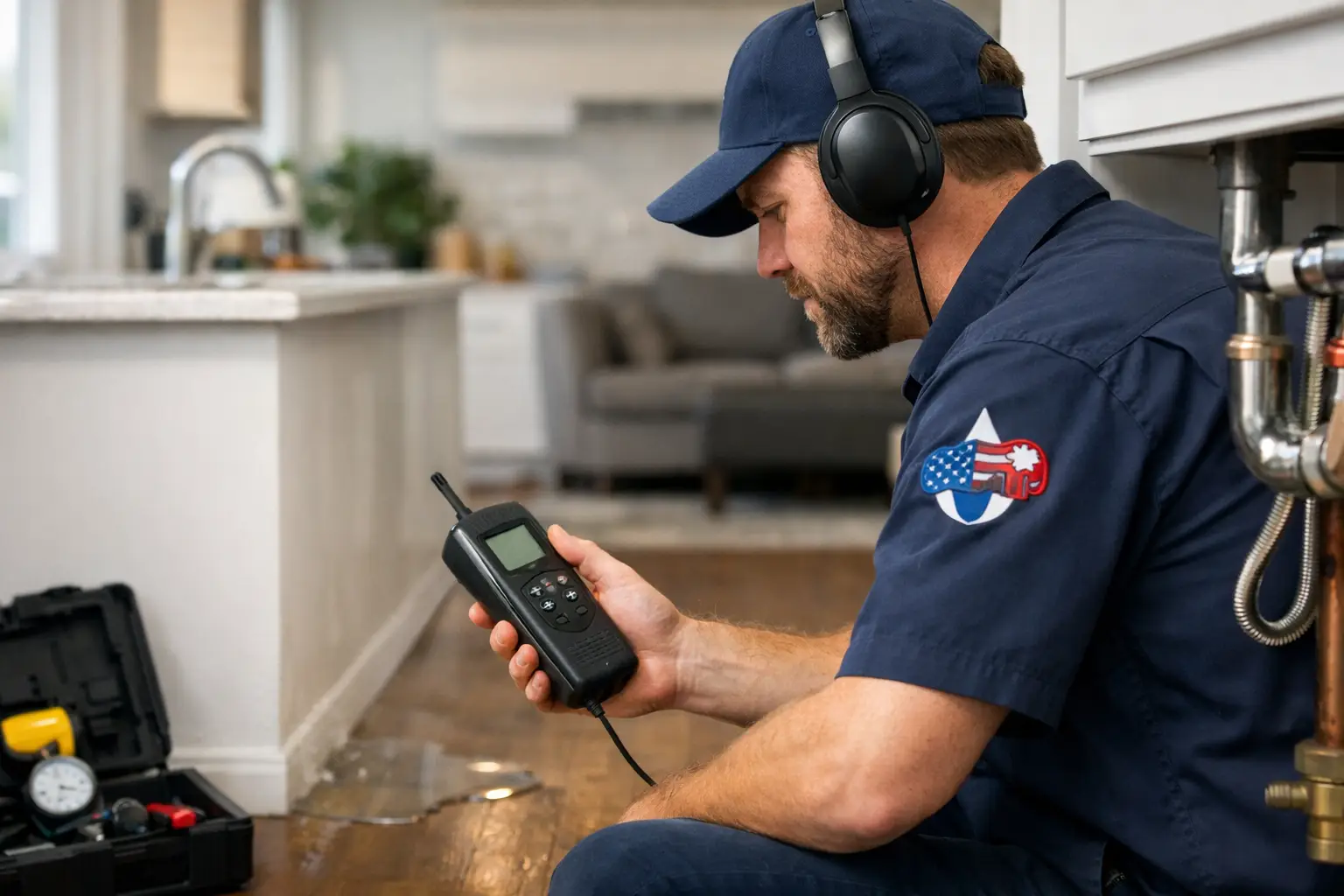
Slab leaks are less dramatic at first, but they can be just as serious. Warm spots on the floor, unexplained water bills, the sound of running water, or moisture where it should not be can all point to a hidden leak under the foundation. A fast leak detection process matters here because delay can mean flooring damage, structural concerns, and mold problems.
Why speed matters in emergency plumbing response
Homeowners often think about emergency plumbing in terms of inconvenience, but the bigger issue is escalation. Water rarely stays in one place. It moves under flooring, behind baseboards, into cabinets, and through drywall. A repair that might have stayed relatively contained in the first hour can become a restoration project by the next day.
There is also the question of repair complexity. A clogged drain handled early may need standard cleaning. The same line, left to worsen, may lead to recurring backups, pipe stress, or a full sewer inspection. A small leak caught quickly may only need a section repair. The same leak after prolonged damage can mean replacing drywall, insulation, cabinetry, and flooring in addition to the plumbing work.
That does not mean every issue requires panic. It means quick action gives you more options. Fast service is not just about convenience – it can reduce the scope, cost, and downtime of the overall problem.
What to expect from a professional emergency plumbing response
A good emergency visit should feel organized, not rushed. The plumber should identify the source of the problem, stop the immediate threat, explain what failed, and outline the next step in plain language. In some cases the full repair can be completed on the spot. In others, the first priority is stabilization, followed by a scheduled return with specific equipment or replacement parts.
For example, a technician may stop a pipe leak and restore water service the same day. A sewer issue may require inspection first to confirm whether cleaning, hydro-jetting, spot repair, or replacement makes the most sense. A water heater may need to be replaced if the tank has failed, while a tankless unit may be repairable depending on the component issue.
This is where experience matters. Emergency work is not just about showing up quickly. It is about diagnosing correctly under pressure and knowing when a short-term fix is enough versus when a larger repair is the safer long-term choice.
Choosing the right plumber when the problem cannot wait
When a plumbing emergency hits, homeowners usually care about four things: speed, honesty, skill, and clarity on cost. That is reasonable. You should know who is coming, what they found, what they recommend, and what the repair is expected to involve.
Look for a residential plumber who handles more than one narrow service. Emergencies do not always stay in one category. A drain problem may reveal a sewer line issue. A water heater leak may expose valve, pressure, or venting concerns. A slab leak may require both precise detection and a repair plan that fits the home. Working with one company that can manage the full problem is usually more efficient than piecing together multiple contractors.
For many homeowners in Menifee and nearby communities, that also means looking for a company that offers straightforward estimates and practical options. Sometimes the best repair is a quick isolated fix. Other times replacement is the smarter investment. Financing can matter when the issue is sudden and the repair is larger than expected.
Emergency plumbing response is about control
The most stressful part of a plumbing emergency is often the feeling that the situation is getting ahead of you. The right response changes that fast. Once the water is off, the source is identified, and the repair plan is clear, the problem becomes manageable.
If you are dealing with an active leak, backup, water heater failure, or possible slab leak, do not wait for visible damage to get worse. American Plumbing Service helps homeowners move from crisis to repair quickly, with clear communication and practical solutions that fit the real condition of the home.
The best time to act is when the problem is still small enough to contain, even if it does not feel small in the moment.