A dripping pipe under the sink rarely stays a small problem for long. One slow leak can turn into cabinet damage, warped flooring, mold, and a much bigger repair bill. That is why home plumbing repairs matter most when they are handled early, before the mess spreads and the cost climbs.
For most homeowners, the hard part is not knowing whether the issue is minor, urgent, or already causing hidden damage. A clogged drain may seem like an inconvenience until it backs up into a shower. A warm patch on the floor may not look serious until it points to a slab leak. A water heater that makes noise may still be working, but not for much longer. The goal is not to diagnose every plumbing issue yourself. It is to recognize the warning signs quickly and take the right next step.
The most common home plumbing repairs homeowners face
Some plumbing problems are easy to spot. Others start quietly and stay hidden behind walls, under floors, or below the yard. In residential homes, the most common repair calls usually involve clogged drains, leaking pipes, failing water heaters, sewer line trouble, and sudden pipe damage.
Drain clogs are one of the biggest offenders because they build gradually. At first, the sink drains slowly. Then the shower starts holding water around your feet. Then a toilet flush causes a gurgling sound somewhere else in the house. If more than one fixture is acting up, that usually points to a bigger drain or sewer problem, not just a simple local clog.
Leaks are another frequent issue, and they are rarely as harmless as they look. A small leak under a sink may be caused by a loose fitting, but recurring moisture can also signal worn seals, pipe corrosion, or pressure problems. Hidden leaks are even more serious because they often show up indirectly through high water bills, stained drywall, musty smells, or soft spots in flooring.
Water heater problems also show up often in everyday service calls. If your hot water runs out quickly, turns rusty, smells odd, or fluctuates in temperature, the unit may need repair or replacement. Sometimes a fix is enough. Sometimes the better choice is installing a new tank or tankless unit, especially if the system is older and repairs are starting to pile up.
When a plumbing issue becomes urgent
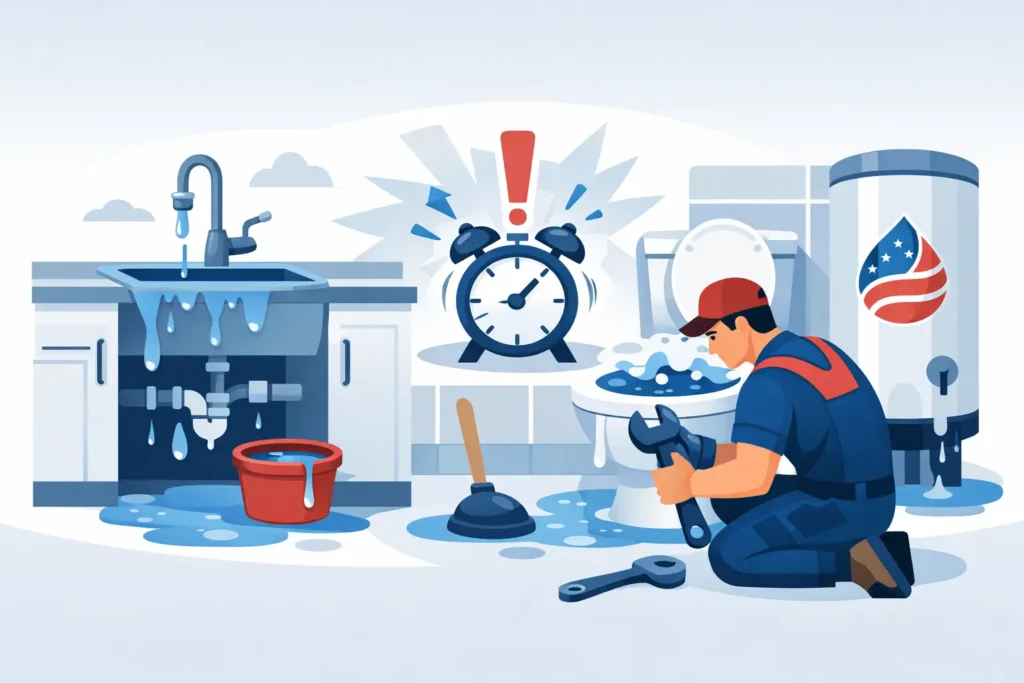
Not every problem is an emergency, but some should move to the top of your list right away. A burst pipe, active slab leak, sewage backup, gas line concern, or complete loss of hot water can disrupt the whole household fast. Waiting too long can turn a repair into a restoration project.
A good rule is to look at two things – how quickly the damage can spread and whether the plumbing system is still safe to use. If water is actively leaking into the home, if wastewater is coming back up, or if you suspect a gas leak, that is not the time to wait for a convenient opening later in the week.
Other situations fall into a gray area. A single slow drain may not require an emergency visit, but if it is affecting your daily routine or getting worse by the day, it makes sense to schedule service before it becomes a backup. The same goes for a water heater that is limping along. If it is nearing failure, a planned replacement is usually less stressful than losing hot water without warning.
Why DIY home plumbing repairs often go sideways
Homeowners can handle a few basic tasks like shutting off the water, checking for visible drips, or clearing a simple stopper blockage. But many home plumbing repairs become more expensive after a rushed do-it-yourself attempt.
The issue is not effort. It is access and accuracy. What looks like a clogged kitchen line might actually be grease buildup deeper in the drain. A store-bought drain cleaner might not fix it and can sometimes damage older pipes. Tightening a connection might slow a leak temporarily, but if the pipe is cracked or corroded, the water usually finds its way out again.
There is also the risk of solving the symptom instead of the cause. A toilet that keeps clogging could be a fixture problem, a drain line blockage, or a sewer issue. If you only treat the bowl, the real obstruction stays in place. Professional plumbing service saves time because the problem gets identified correctly the first time.
Repairs that need the right equipment
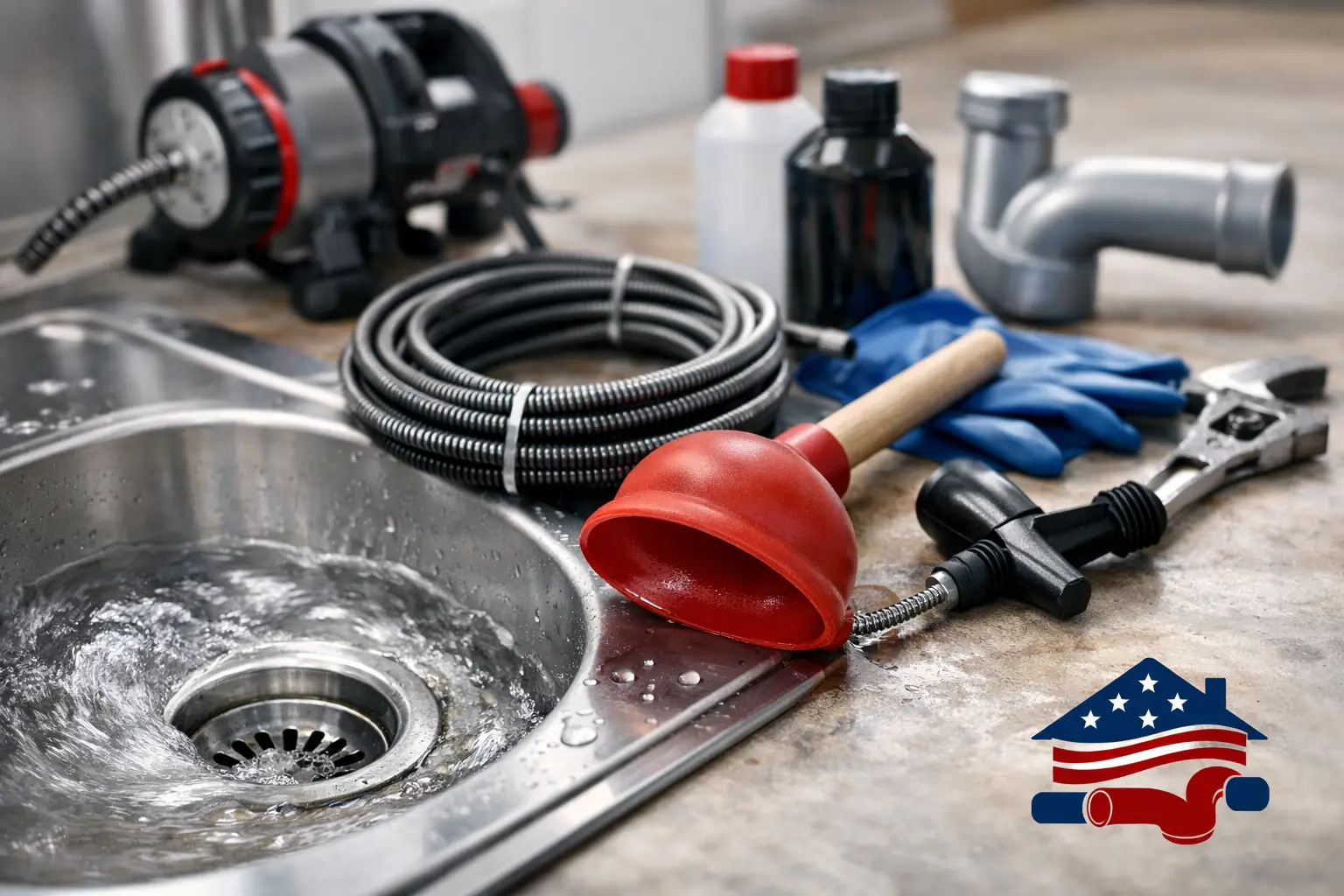
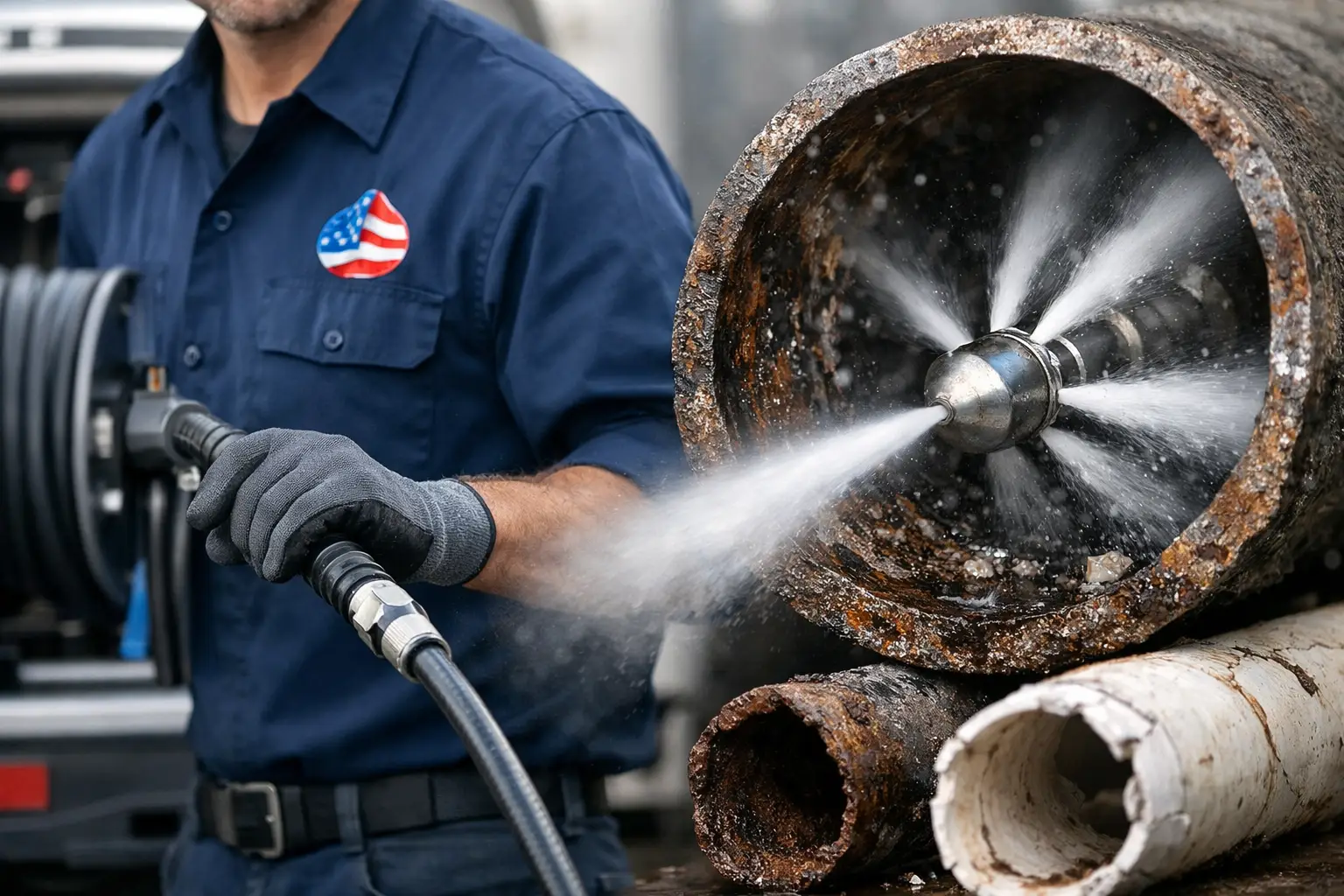
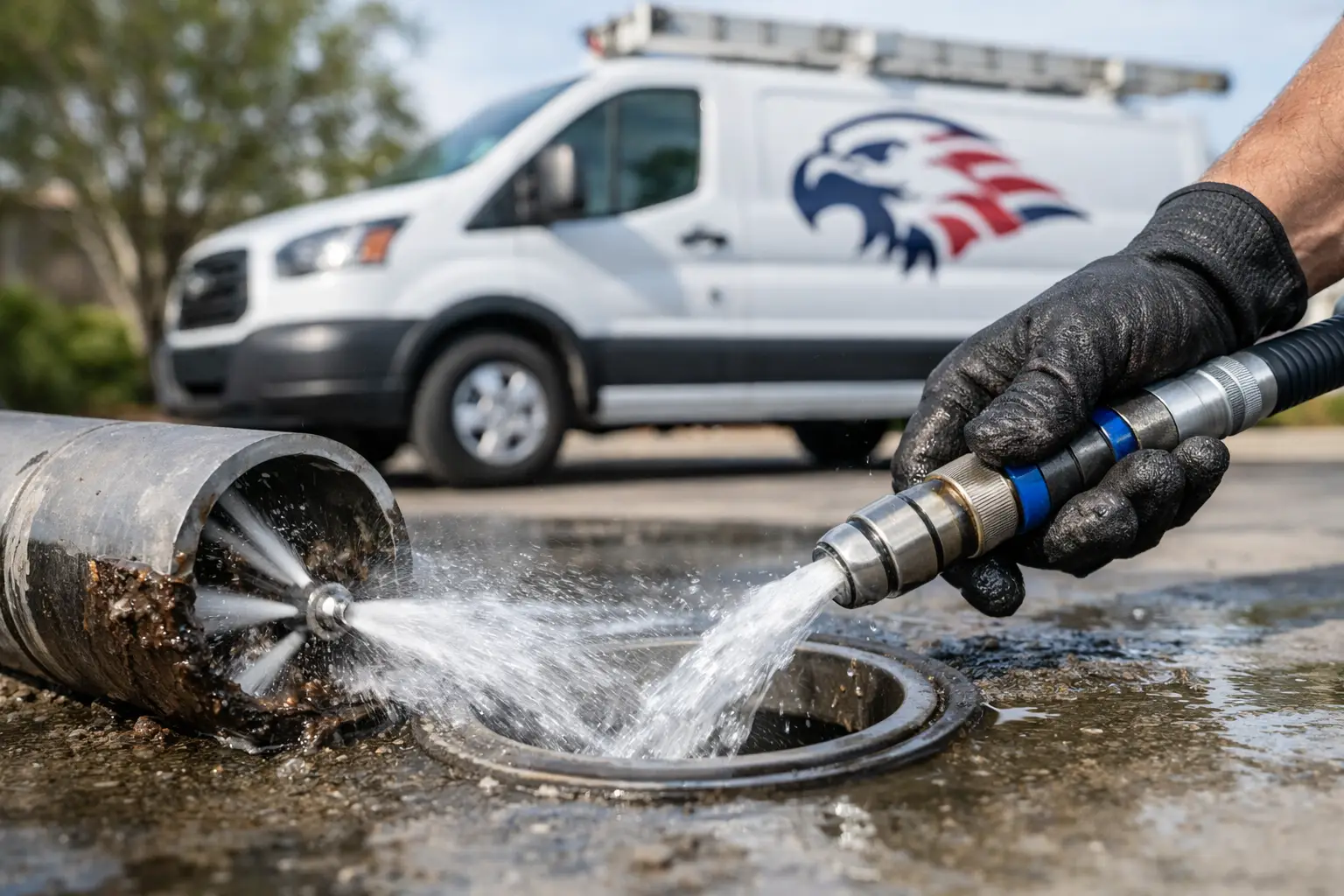
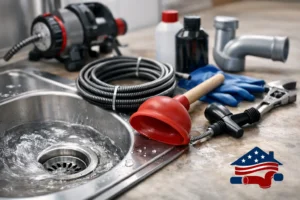
Some residential plumbing problems cannot be handled properly without specialized tools. Drain cleaning is a good example. A hand auger may help with a minor stoppage near the opening, but deep clogs, recurring backups, and greasy buildup often need professional drain equipment or hydro-jetting to fully clear the line.
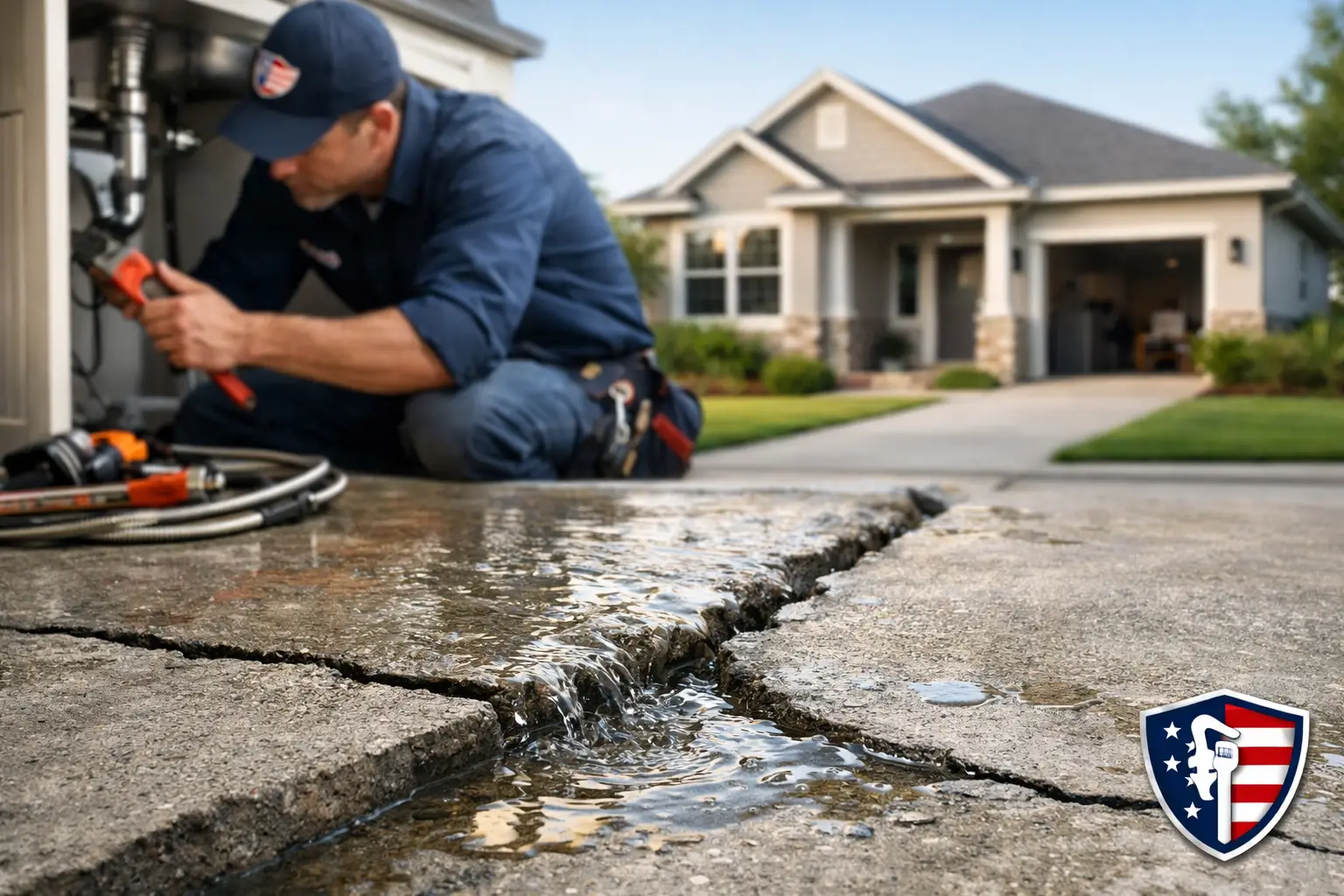
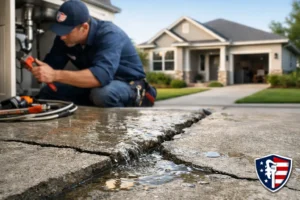
Leak detection is another area where proper equipment matters. When a leak is hidden behind a wall or beneath a slab, guessing can lead to unnecessary damage. Targeted leak detection helps narrow down the source so the repair is more precise and less disruptive to the home.
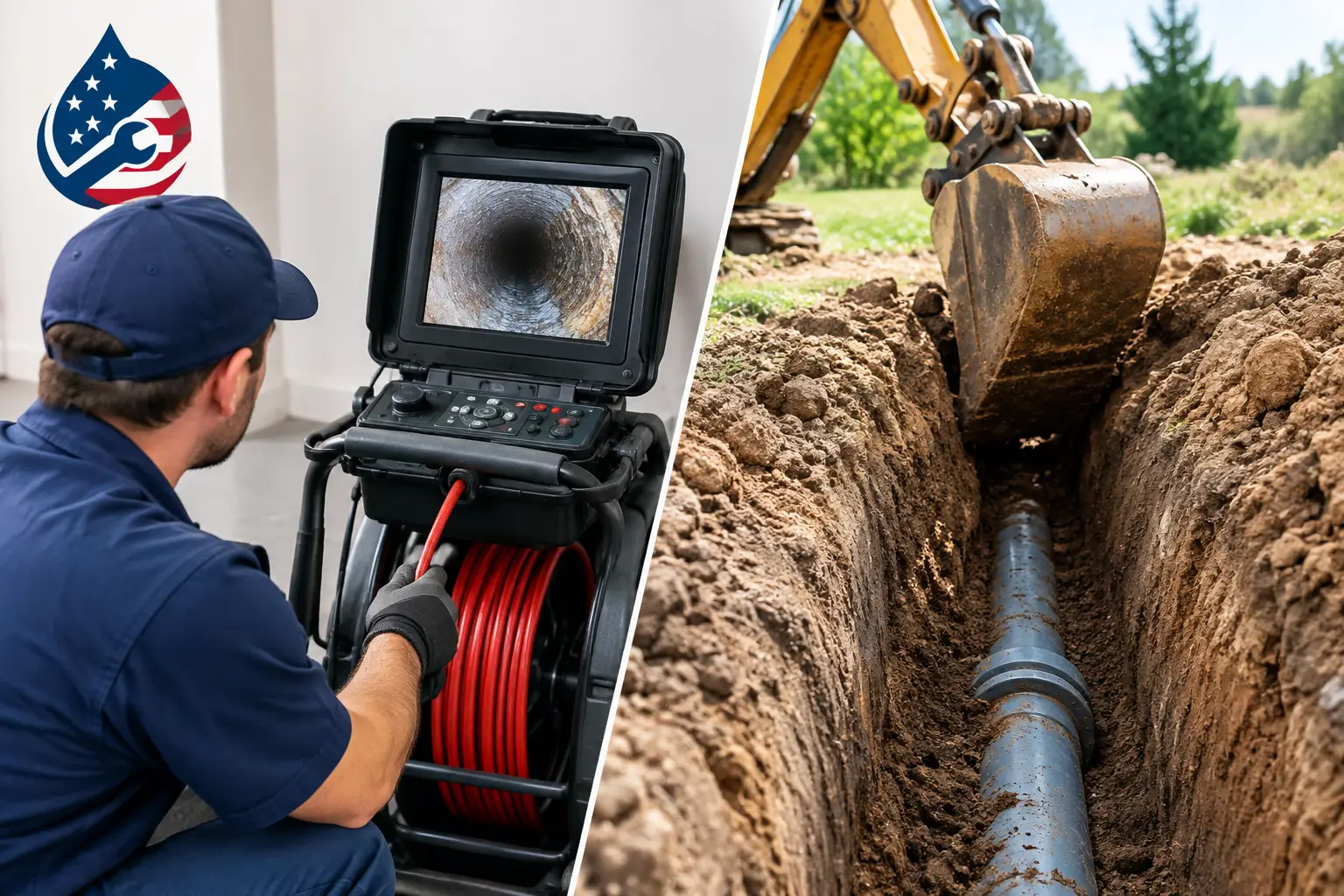
Sewer line issues also call for better diagnostics. If your home has repeated drain problems, foul odors, or unexplained backups, a sewer camera inspection can show whether the line is blocked, cracked, offset, or invaded by roots. That makes a big difference in deciding whether the fix is cleaning, spot repair, or trenchless replacement.
How to tell what kind of repair you may be dealing with
You do not need to know the technical name for every plumbing issue. It helps more to pay attention to patterns. If one fixture has a problem, the repair may be local. If multiple fixtures are affected, the issue may be farther down the system.
For example, water stains on a ceiling often point to a drain or supply line above. Low water pressure in one faucet may be a fixture issue, while low pressure throughout the house can suggest a larger supply problem, pressure regulator issue, or leak. A bad smell near a drain could mean buildup in the line, but sewer odors around the yard may suggest a main line problem.
Age matters too. In older homes, corrosion, worn connections, and outdated water heaters are more common. In newer homes, the issue may be less about age and more about installation quality or heavy use. Either way, recurring plumbing trouble is usually a sign that the problem was never fully resolved.
What a straightforward repair process should look like
Homeowners usually want the same things from plumbing service – a quick response, a clear explanation, and a fix that lasts. The process should not feel confusing.
A reliable plumber should start by identifying the source of the issue, not just the visible symptom. From there, you should get a direct explanation of what is wrong, what the repair involves, and whether there are options depending on urgency and budget. Some situations call for a simple repair. Others make more sense as a replacement, especially if the fixture or system is near the end of its life.
That kind of clarity matters when the job affects daily life. If a sewer line is damaged, if a slab leak is wasting water, or if the water heater is failing, you need to know what happens next and how fast the work can be completed. Homeowners in Menifee and nearby communities often look for that balance of speed and transparency because plumbing issues are disruptive enough without added uncertainty.
Preventing bigger repairs starts with small warning signs
The most expensive plumbing jobs often start with something small that got ignored. A minor leak under a sink, a slow shower drain, or a change in water heater performance may not seem urgent in the moment. But plumbing systems rarely improve on their own.
It helps to watch for warning signs that repeat. If you are plunging the same toilet every week, hearing drains gurgle, noticing damp spots, or seeing a sudden jump in the water bill, those are signs to schedule service sooner rather than later. The sooner the issue is diagnosed, the more likely it can be repaired before it affects drywall, flooring, cabinets, or foundations.
Preventive attention also gives you more control over cost. Planned service is usually easier than emergency service, and a targeted repair is almost always preferable to widespread water damage cleanup. That is especially true with slab leaks, sewer line damage, and aging water heaters, where timing can make a big difference.
Choosing the right help for home plumbing repairs
Not every plumbing company handles the same type of work. For homeowners, it makes sense to choose a residential specialist that can manage both everyday repairs and larger system issues without sending you to multiple contractors. If the same company can handle leak detection, drain cleaning, water heater work, sewer inspection, and emergency pipe repair, the process is simpler and faster.
That matters when a problem turns out to be bigger than expected. A clogged drain may lead to a camera inspection. A leak may lead to slab leak repair. A failing water heater may lead to a full replacement. Working with a company that can carry the job through from diagnosis to repair helps reduce delays and miscommunication.
American Plumbing Service focuses on exactly those residential needs, with practical solutions for homeowners who want clear answers and fast service. Whether the issue is urgent or just starting to show signs, the best next move is the one that protects your home before the damage spreads.
If something in your plumbing has changed, trust that instinct. The sooner you address it, the easier it usually is to fix.