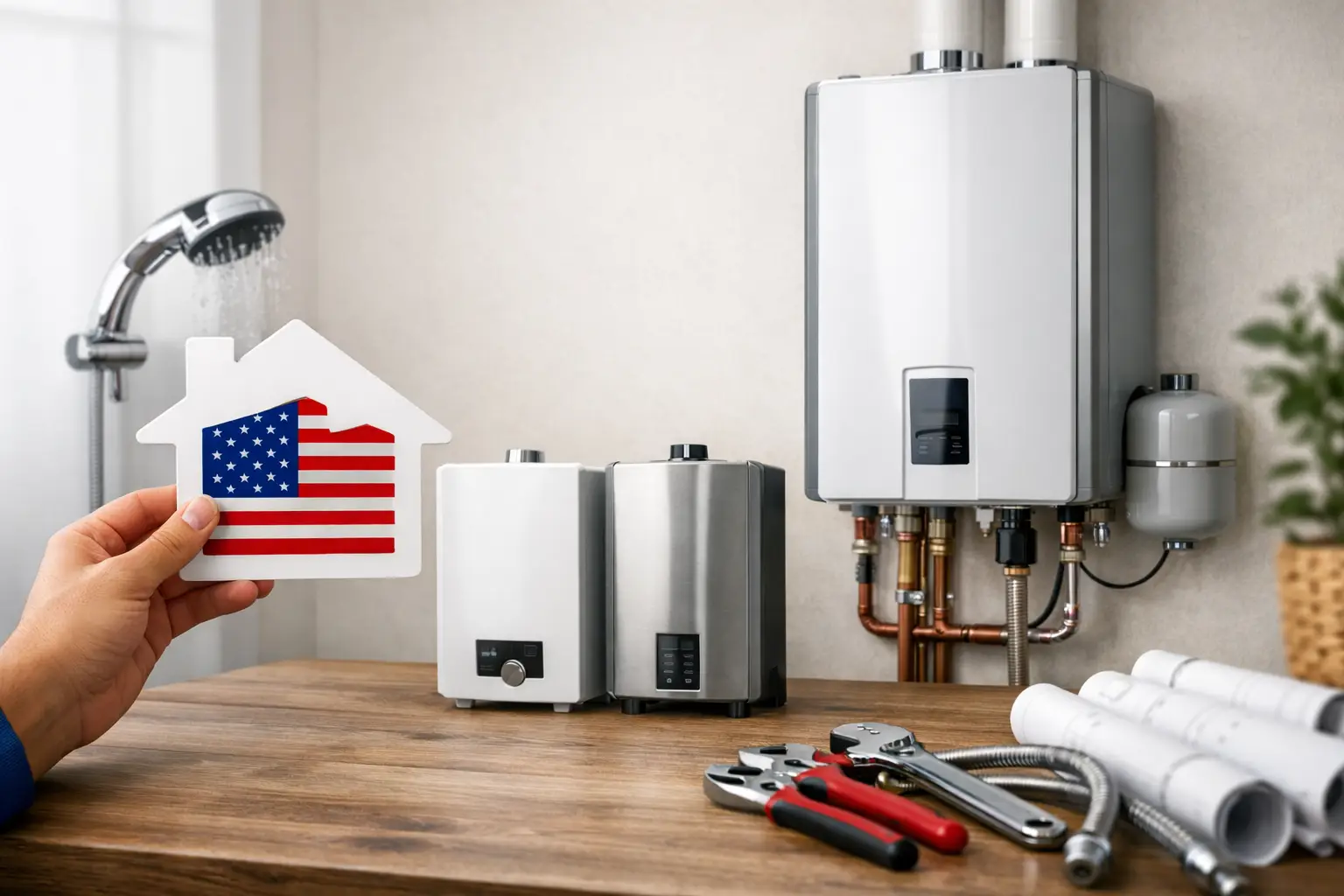
Running out of hot water halfway through a shower usually pushes this decision to the top of the list fast. When homeowners compare a tankless vs traditional water heater, they are usually trying to solve one of three problems – inconsistent hot water, rising utility bills, or an aging unit that is close to failure.
The right choice depends on your home, your usage, and your budget. A tankless system can be a smart long-term upgrade, but that does not mean it is the best fit for every household. A traditional tank water heater is still the practical answer for many homes, especially when upfront cost and simple replacement matter most.
Tankless vs Traditional Water Heater: The Core Difference
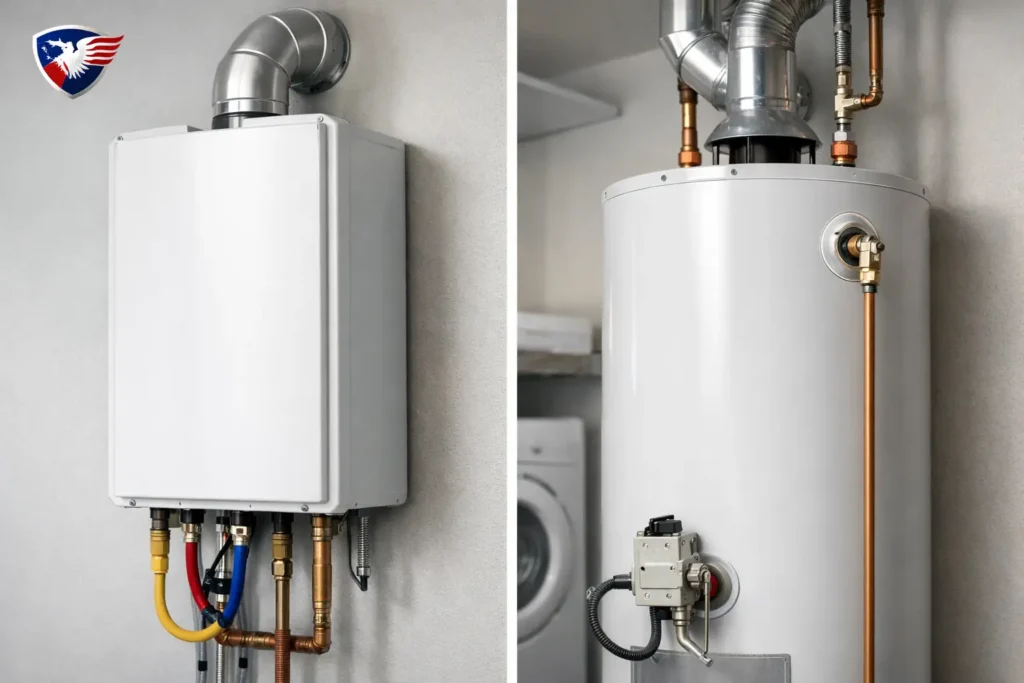
A traditional water heater stores and heats a set amount of water in a tank, usually 40 to 75 gallons. It keeps that water hot throughout the day so it is ready when you need it. That makes it simple and dependable, but it also means the system uses energy even when no one is using hot water.
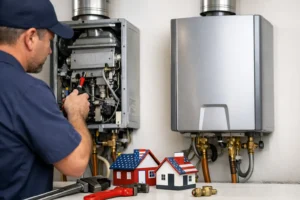
A tankless water heater works differently. It heats water on demand as it moves through the unit. There is no storage tank sitting full of heated water. When a hot water tap turns on, the system fires up and produces hot water in real time.
That basic difference affects everything else – cost, installation, operating efficiency, available hot water, and expected lifespan.
Upfront Cost Is Usually the First Deciding Factor
For most homeowners, budget matters right away. A traditional water heater usually costs less to purchase and install. If your current tank unit has failed and you want the fastest, most straightforward replacement, staying with a traditional model is often the easier path.
Tankless systems usually cost more upfront. The unit itself is more expensive, and installation can involve added work. In some homes, that means gas line upgrades, venting changes, electrical improvements, or plumbing modifications. Those added requirements are one reason the price gap can be significant.
That does not automatically make tankless too expensive. It just means the decision should be based on total value, not sticker price alone. If you plan to stay in your home for years, lower operating costs and longer equipment life may offset more of that investment over time.
Efficiency and Utility Bills
This is where tankless units often get the most attention. Because they heat water only when needed, they can be more energy efficient than tank models. You are not paying to keep a large tank of water hot around the clock.
That said, the real savings depend on your household’s habits. If your family uses hot water throughout the day – showers, laundry, dishes, baths – the efficiency benefit may still be there, but it can vary. Homes with lower to moderate hot water use often notice the strongest efficiency advantage from tankless systems.
Traditional tank units are less efficient by design because of standby heat loss. Even with good insulation, some energy is always being used to maintain water temperature. Still, newer tank models are better than many older units, so replacing an aging tank with a modern one can still improve efficiency.
Hot Water Performance in Real Life
Performance is where the conversation gets more practical. A tank water heater gives you a limited supply of hot water based on the tank size and recovery rate. Once that stored hot water is used up, you wait for the system to heat more.
That is why large families often know exactly when the hot water runs out. If several people shower back to back, plus a dishwasher or washing machine is running, a tank system can get stretched thin.
A tankless unit can provide continuous hot water, which sounds like an easy win. But there is an important detail: it must be sized correctly. A tankless system does not produce unlimited hot water for unlimited fixtures at the same time. It has a flow rate limit.
If your home regularly runs multiple showers, appliances, and faucets at once, the unit has to be matched to that demand. An undersized tankless system can leave homeowners frustrated, not because tankless technology is bad, but because the equipment selection did not match the household.
Space and Placement
Tankless units are compact and wall-mounted, which is a major benefit in homes where space is tight. If your current water heater sits in a garage, closet, or utility area where every square foot matters, going tankless can free up usable room.
Traditional water heaters take up more floor space and are harder to tuck away. For some homeowners, that is not a big concern. For others, especially in smaller homes or tight utility closets, the reduced footprint of a tankless system is a real advantage.
Lifespan and Maintenance
In a straight comparison, tankless systems often last longer than traditional tank units. A tank water heater may last around 8 to 12 years depending on water quality, usage, maintenance, and installation quality. Tankless units can last significantly longer when properly maintained.
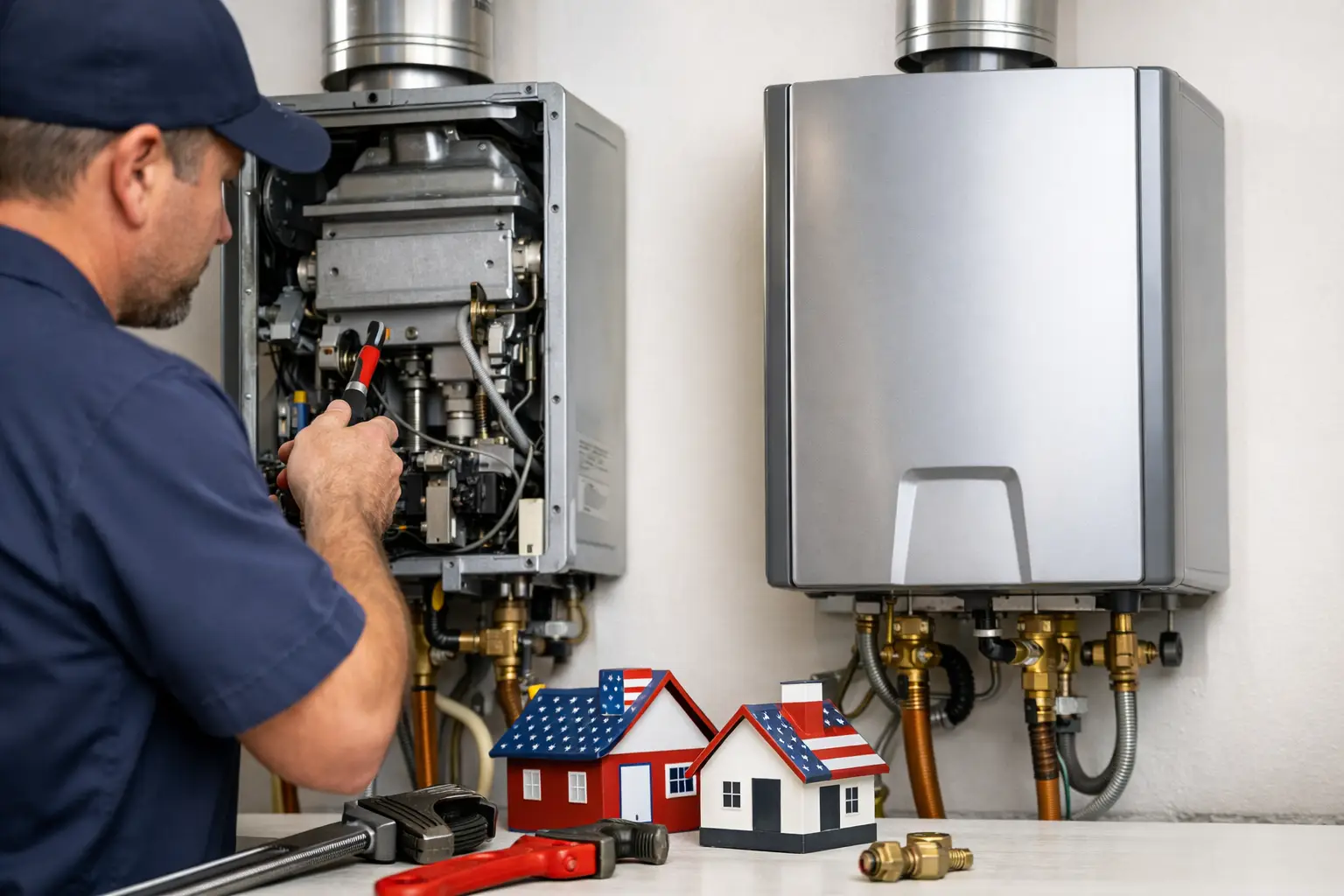
But maintenance matters more with tankless systems than some homeowners expect. Mineral buildup can affect performance, especially in areas with hard water. Regular flushing and service help protect efficiency and extend system life.
Traditional water heaters also need maintenance, but many homeowners ignore them until there is a leak or total failure. That is common, and it is one reason tank units often end up being replaced during an emergency instead of on a planned timeline.
Repairs and Replacement Timing
If your current water heater is leaking from the tank itself, replacement is usually the only practical option. At that point, homeowners often ask whether they should switch to tankless or stay with what they had.
If you need hot water restored quickly and want to keep installation simpler, a traditional replacement may make the most sense. If your current setup supports a tankless upgrade, and you want better efficiency and longer-term value, this can be a good time to make the switch.
The key is not waiting too long to decide. Water heaters often fail without much warning, and once that happens, families usually want the problem fixed fast. Planning ahead gives you more options and less pressure.
Which Homes Usually Benefit Most From Tankless?
A tankless system is often a strong fit for households that want better energy efficiency, need to save space, or regularly use hot water in a way that makes continuous supply appealing. It can also be a good upgrade for homeowners planning to stay in the home long enough to benefit from the longer service life.
It tends to make the most sense when the installation conditions are favorable. If your gas line, venting, and plumbing setup already support the change without major upgrades, the value becomes easier to justify.
For some larger households, multiple tankless units or a carefully sized high-capacity system may be needed. That is why an onsite evaluation matters. The right answer depends on how your home actually uses hot water, not just what sounds newer or more efficient.
When a Traditional Water Heater Is Still the Better Choice
A traditional system is still the right answer for many homes. If you want the lower upfront cost, straightforward replacement, and a familiar system that gets the job done, tank models remain a dependable option.
They are also a practical choice when your household’s hot water demand is predictable and manageable with the right tank size. In many cases, moving from an old undersized tank to a properly sized new one solves the main complaint without the added cost of a full tankless conversion.
There is nothing outdated about choosing the option that fits your budget and your home’s plumbing setup. The better choice is the one that works well without creating unnecessary installation costs.
Tankless vs Traditional Water Heater: What Should You Choose?
If you are deciding between a tankless vs traditional water heater, start with the issues that matter most in your home. If your priority is lower upfront cost and quick replacement, traditional is often the better fit. If your priority is efficiency, space savings, and longer-term value, tankless may be worth the investment.
A professional inspection can make this decision much easier. Looking at fixture demand, existing gas or electrical capacity, venting, and placement tells you far more than a generic online comparison ever will. For homeowners in Menifee and surrounding communities, that kind of clear guidance can prevent expensive guesswork.
Hot water should be reliable, simple, and matched to the way your household actually lives. If your current system is showing its age, now is the right time to ask the practical question – not which option is trendier, but which one will keep your home running with fewer surprises.