A sewer problem rarely starts with a dramatic backup. More often, it begins with a toilet that gurgles, a shower drain that slows down, or an unpleasant odor near the yard. When those issues keep returning, sewer line repair Hemet homeowners need may be the next step – not another temporary drain treatment.
Your main sewer line carries wastewater from every drain in the house to the public sewer connection or septic system. When that line is damaged, clogged, offset, or invaded by roots, the problem can affect the entire home. Fast, accurate diagnosis helps prevent a minor warning sign from becoming sewage in a shower, a damaged floor, or a disruption to your family’s routine.
Signs You May Need Sewer Line Repair in Hemet
A single slow sink can be a local drain clog. Multiple fixtures acting up at the same time usually point to a larger issue. Pay attention when toilets, tubs, showers, and sinks seem to affect one another. For example, flushing a toilet may cause water to rise in the tub, or running the washing machine may make a nearby drain gurgle.
Recurring backups are another serious warning sign. If a drain clears briefly and then clogs again, the blockage may be deeper in the sewer line. Store-bought chemical cleaners may provide little relief and can damage certain pipes when used repeatedly. A professional inspection identifies whether the trouble is grease buildup, root intrusion, a broken section of pipe, or another condition that needs a lasting repair.
Sewer odors around floor drains, bathrooms, the garage, or the yard should not be ignored. These odors can indicate a cracked pipe, a failed connection, or sewage that is not moving through the line properly. Wet or unusually green patches in the landscape can also be a clue, especially when there has been no recent rain or irrigation issue.
Other signs include frequent toilet clogs, bubbling from drains, standing water near a cleanout, and unexplained pest activity near the property. None of these symptoms automatically means the entire line must be replaced. They do mean it is time for a qualified plumber to find the cause before conditions worsen.
Why Sewer Lines Fail
Sewer lines work out of sight, but they are exposed to years of use, soil movement, moisture, and debris. In many homes, the issue is not one sudden failure. It is a gradual restriction or deterioration that finally reaches a point where wastewater can no longer flow freely.
Tree roots are a common cause of sewer trouble. Roots naturally seek moisture and can enter through tiny openings at pipe joints or existing cracks. Once inside, they grow and catch toilet paper, grease, and other debris. Hydro-jetting can remove roots and buildup in some situations, but cleaning alone will not fix a pipe that is cracked, separated, or severely damaged.
Older pipe materials can also deteriorate over time. Clay, cast iron, Orangeburg, and aging plastic lines may develop cracks, corrosion, bellies, or separated joints. A belly is a low spot where the pipe has settled and wastewater or debris collects instead of flowing downhill. Even a well-cleaned line may keep backing up if the pipe no longer has the proper slope.
Improperly discarded materials can create blockages as well. Grease, wipes labeled “flushable,” hygiene products, paper towels, and heavy amounts of food waste do not move through a residential sewer line the same way toilet paper does. They can collect at a weak point in the pipe and turn a manageable restriction into a full backup.
Start With a Camera Inspection
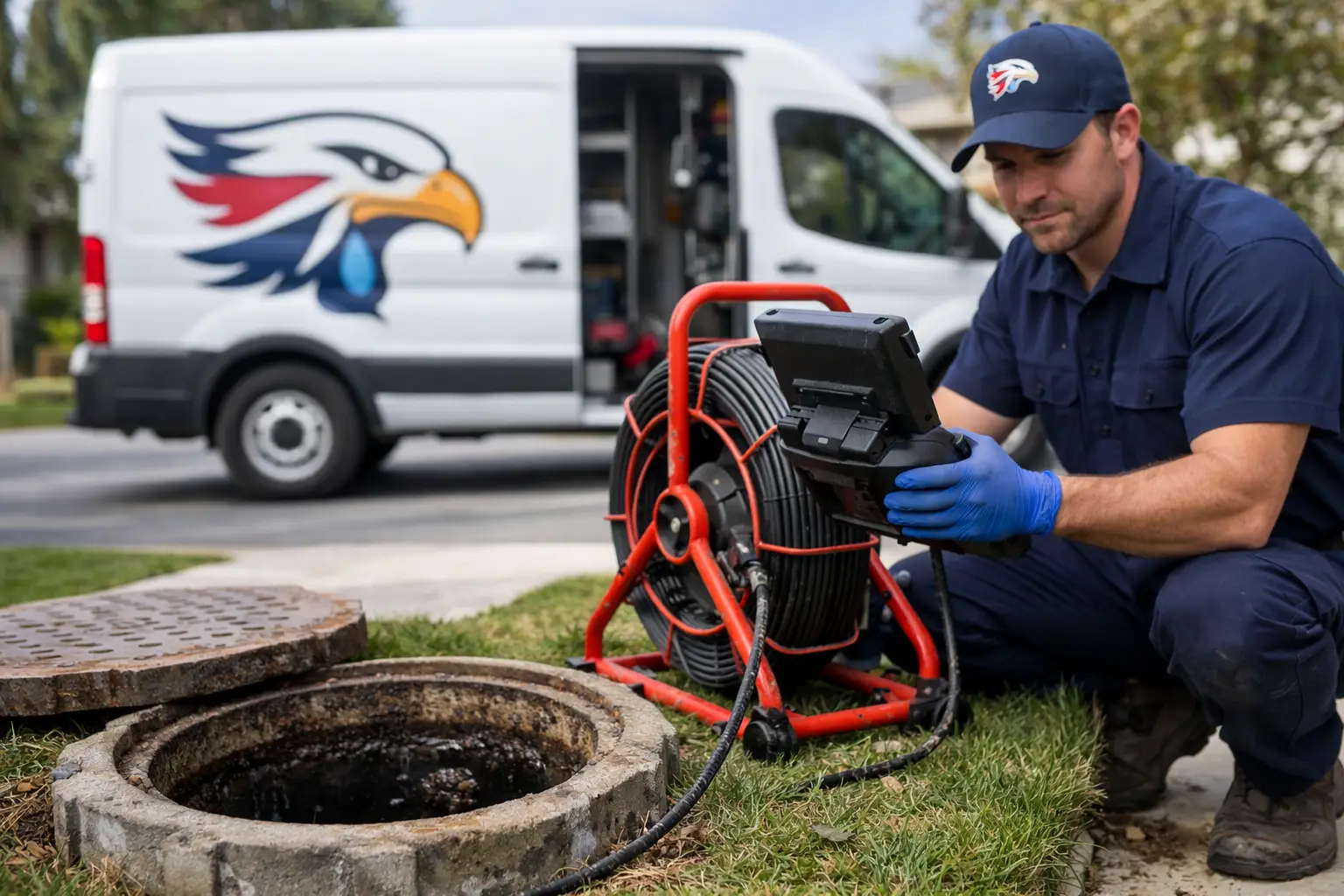
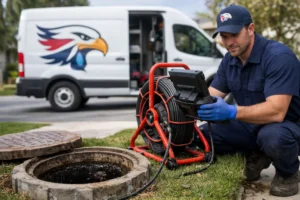
The right repair starts with knowing what is actually happening underground. A sewer camera inspection allows a plumber to view the inside of the line, locate the problem, and assess the condition of the pipe without guessing.
During an inspection, a small camera travels through the sewer line and sends live video to the technician. This can reveal roots, grease buildup, cracked pipe, shifted joints, corrosion, blockages, and low areas in the line. The inspection also helps determine the depth and location of the problem, which matters when discussing repair options and expected disruption.
Camera results can prevent two costly mistakes: replacing a line that only needs professional cleaning, or repeatedly cleaning a line that has structural damage. Homeowners deserve a clear explanation of what the camera found, what can be repaired, and whether a more permanent replacement is the smarter investment.
Sewer Repair Options Depend on the Damage
There is no single answer for every sewer issue. The best approach depends on the pipe material, location of the damage, access to the line, and whether the problem is a blockage or a structural failure.
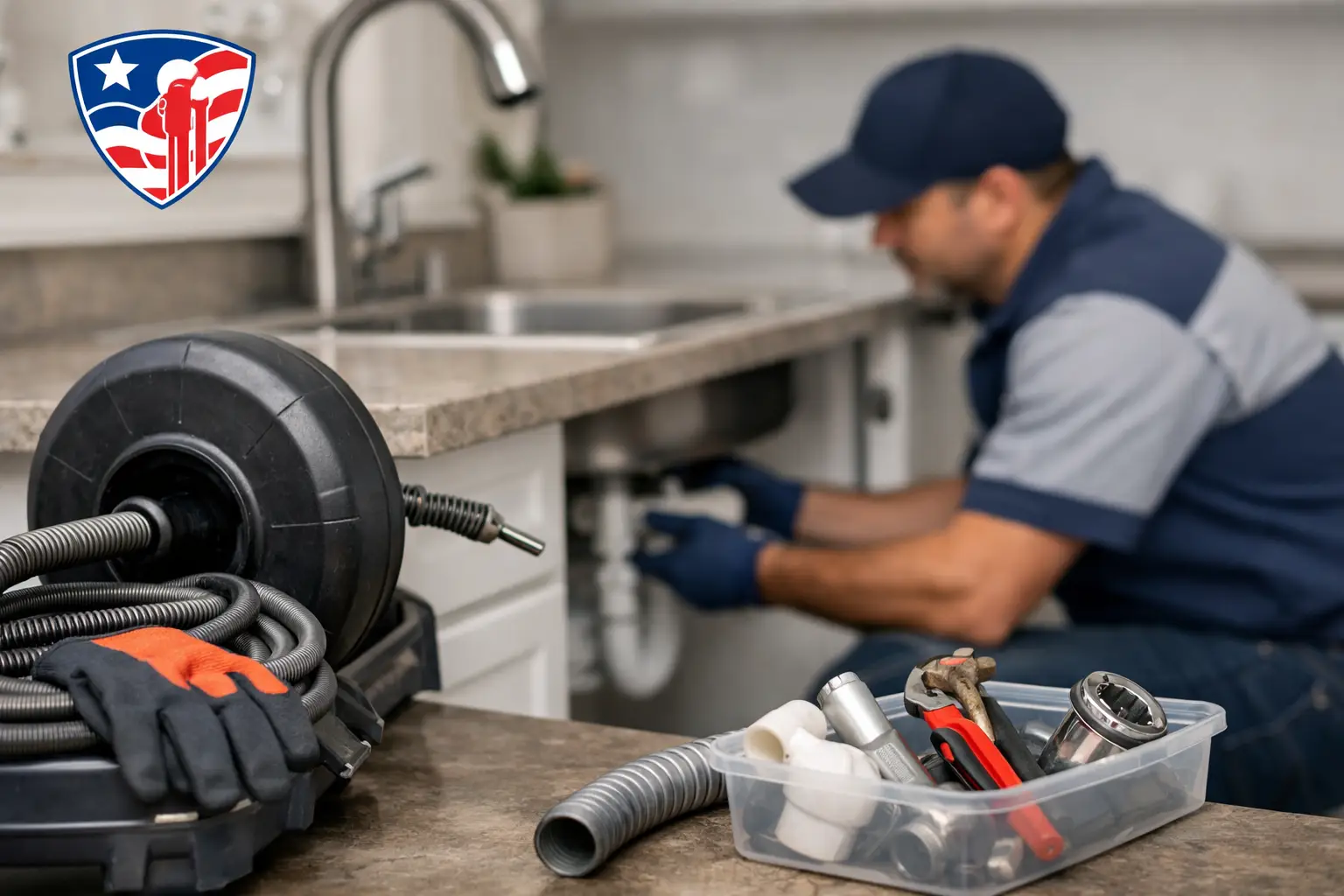
For buildup, roots, or a limited blockage in an otherwise sound line, drain cleaning or hydro-jetting may restore flow. Hydro-jetting uses high-pressure water to clear heavy grease, scale, sludge, and root debris from the pipe walls. It is powerful and effective when used correctly, but it is not appropriate for every compromised or badly damaged pipe. A camera inspection helps determine whether the line can handle it.
If the damage is isolated, spot repair may be possible. This involves accessing and replacing the failed section rather than replacing the entire line. It can be a practical solution when the rest of the sewer pipe is in good condition.
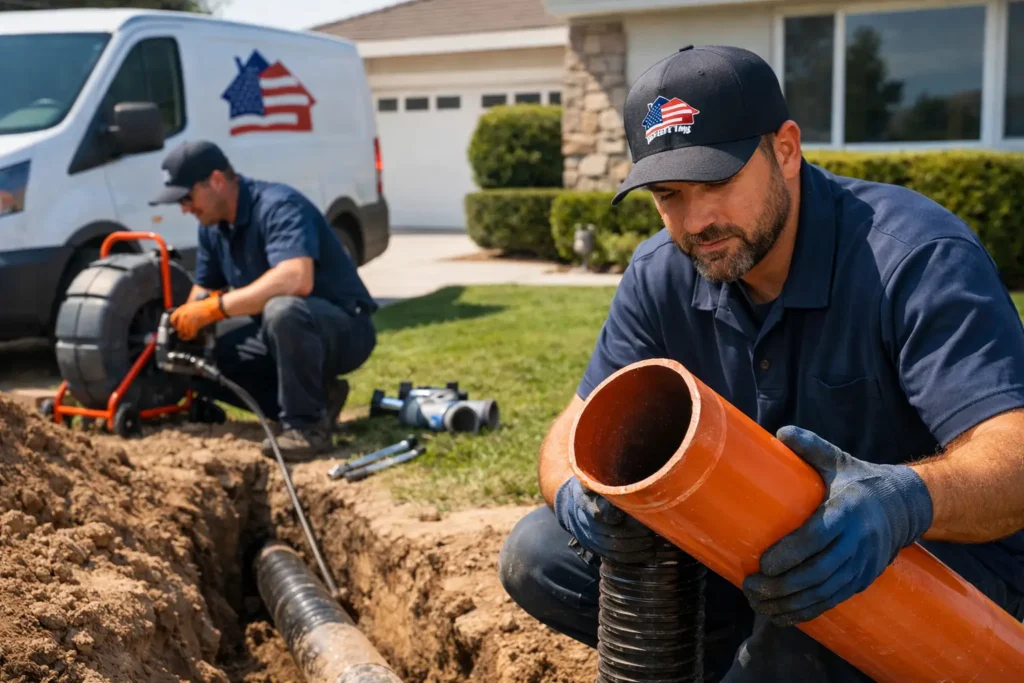
When a line has widespread cracking, repeated root intrusion, corrosion, or multiple failed sections, sewer replacement may provide better long-term value. Traditional replacement requires excavation to reach the pipe. It may be necessary when the line has collapsed, has major alignment issues, or needs extensive correction.
Trenchless sewer replacement can be a less disruptive option for eligible homes. Depending on the condition and layout of the existing pipe, trenchless methods may allow replacement with limited digging. This can help protect landscaping, driveways, patios, and other hardscape areas. However, trenchless work is not automatically the best choice for every property. Severe pipe collapse, access limitations, or major slope problems can make excavation the more reliable repair.
What to Do When a Sewer Backup Starts
If sewage is coming up through a shower, tub, floor drain, or toilet, stop using water immediately. Do not run the dishwasher, washing machine, or faucets. Every gallon sent down a drain can add to the backup inside the home.
Keep children and pets away from the affected area. Wastewater can contain harmful bacteria, and cleanup should be handled carefully. If it is safe to do so, note which fixtures are backing up and when the problem began. That information can help the plumber diagnose the issue faster.
Avoid attempting to force the blockage with repeated plunging, chemical drain products, or rented equipment if multiple drains are involved. The problem may be in the main line, and an incorrect approach can create more damage or delay the repair. Call for professional help and ask for a straightforward assessment of the condition, available repair options, and estimated scope of work.
Protecting Your Sewer Line After Repair
Once the immediate problem is resolved, a few habits can reduce the chance of future backups. Keep grease, cooking oil, wipes, paper towels, and hygiene products out of drains and toilets. Use sink strainers to catch food debris and hair before they enter branch lines.
If roots were found, ask whether periodic inspection or maintenance makes sense for your property. Homes with mature trees near the sewer path may benefit from planned service before roots become a full blockage. If the line has been repaired or replaced, keep a record of the work and any camera findings for future maintenance or home-sale documentation.
A sewer issue is stressful, but you should not have to make a major repair decision based on guesswork. American Plumbing Service helps homeowners understand the condition of their sewer line, review practical repair choices, and move forward with a solution that fits the home and the problem. If your drains are giving you repeated warnings, acting now can protect your home from the mess and expense of a full sewer backup.