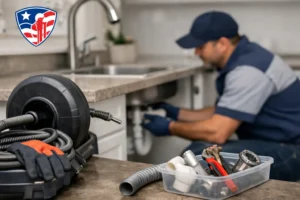
A leak does not have to leave a puddle in the middle of the kitchen to cause serious damage. In many cases, leak detection Murrieta homes need starts with a higher water bill, a warm spot on the floor, or the sound of water moving when every faucet is off. Catching the source early can protect your flooring, walls, foundation, and monthly budget.
Hidden plumbing leaks are frustrating because the visible symptom is often far from the actual problem. A small pipe leak behind a wall or beneath a concrete slab can continue for weeks before it becomes obvious. The right response is not guesswork or unnecessary demolition. It is a professional inspection that identifies where the water is coming from and what repair makes sense for your home.
Warning Signs of a Hidden Leak
Some leaks are easy to spot, such as water under a sink or a dripping outdoor hose bib. Others stay concealed inside walls, ceilings, crawl spaces, or the slab beneath the house. Homeowners should pay attention when something changes without a clear explanation.
A sudden increase in your water bill is one of the most common clues. If your household habits have not changed but water use has climbed, water may be escaping somewhere in the plumbing system. You may also notice the water meter continues to move after shutting off faucets, appliances, and irrigation.
Indoor signs can include a musty odor, peeling paint, warped flooring, discolored drywall, damp carpet, or recurring mold in the same area. A warm or unusually cool section of tile or flooring may point to a hot or cold water line leaking below the slab. Low water pressure can also be a factor, especially when it affects more than one fixture.
Do not overlook sounds. The faint hiss of water behind a wall, running water when no fixture is in use, or a water heater that seems to run more often than normal can all warrant a closer look. None of these signs confirms the exact location of a leak on its own, but together they make a strong case for scheduling professional leak detection.
Why Leak Detection in Murrieta Homes Requires the Right Equipment
Murrieta homes can have plumbing lines routed through walls, ceilings, attics, crawl spaces, and concrete foundations. Finding a hidden leak by opening large sections of drywall or flooring can create more disruption than necessary. Modern detection methods help narrow down the source before repairs begin.
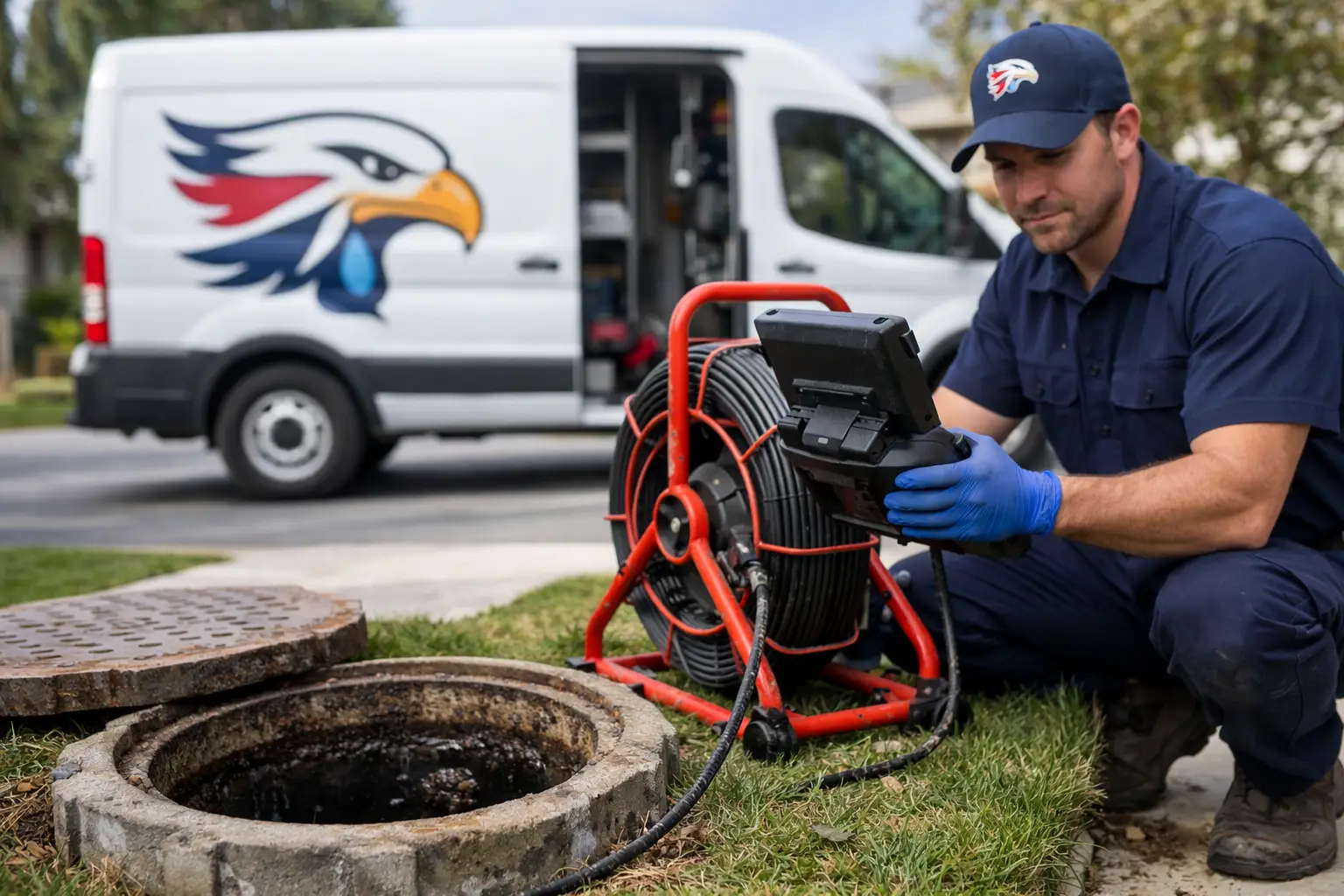
A plumber may use acoustic listening equipment to detect the sound of pressurized water escaping from a pipe. Pressure testing can help determine whether a plumbing line is losing water. Thermal imaging may reveal temperature differences caused by moisture or a leaking hot-water line. Moisture meters and camera inspections can also help locate damage and rule out other causes.
The best method depends on the symptoms and the type of plumbing involved. A suspected slab leak calls for a different approach than a leak in an upstairs bathroom wall or a failing sewer line. A good technician explains what the testing shows, where the leak is likely located, and which repair options are appropriate before moving forward.
What to Do When You Suspect a Leak
If water is actively coming through a ceiling, pooling on the floor, or spreading near electrical outlets, treat it as urgent. Turn off the water supply if you can do so safely, move valuables away from the affected area, and call for emergency pipe repair. Quick action can limit water damage while the source is being located.
For a suspected hidden leak without active flooding, start by checking your water meter. Turn off all indoor and outdoor water use, including ice makers, washing machines, irrigation, and pool-fill lines. Write down the meter reading, wait 30 to 60 minutes without using water, then check it again. If the reading changes, a leak may be present.
This simple check does not tell you where the leak is or how serious it is. It can, however, give you useful information to share when you schedule service. Avoid breaking into drywall, chipping concrete, or applying temporary sealants to pipes you cannot fully access. Those steps can make a clean repair harder and may conceal damage that needs attention.
When a Leak May Be a Slab Leak
A slab leak occurs when a water line beneath the concrete foundation develops a leak. Older pipes, corrosion, ground movement, high water pressure, and pipe wear can all contribute. Because the pipe is below the home, the first evidence is usually indirect.
Common slab leak indicators include hot spots on the floor, the sound of running water beneath the flooring, cracks that seem to worsen over time, unexplained moisture at the edge of flooring, and rising water costs. In some cases, moisture can travel before appearing, so the damp area is not always directly above the damaged pipe.
Slab leak repair is not one-size-fits-all. Depending on the pipe condition and leak location, the repair may involve accessing the damaged section, rerouting a line, or repiping part of the system. The right choice depends on the age of the plumbing, whether there are multiple weak areas, and how much disruption each option would cause. A focused repair may be the most cost-effective solution for one isolated failure, while rerouting can make more sense when a line is difficult to access or has a history of problems.
Do Not Confuse a Water Leak With a Drain or Sewer Problem
Not every moisture issue comes from a pressurized water line. A drain leak may only show up when a shower, sink, dishwasher, or washing machine is running. Sewer line issues can produce slow drains, sewage odors, wet areas outdoors, or repeated backups. Those problems require a different diagnostic process.
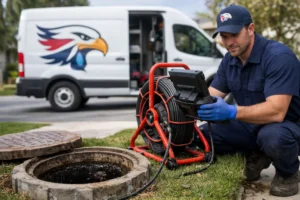
This distinction matters because a water-line leak can continue around the clock, while a drain leak may be intermittent. If the issue involves recurring clogs, multiple slow drains, or wastewater backing up into tubs and showers, a sewer camera inspection may be the better next step. Getting the diagnosis right prevents you from paying for the wrong repair.
Protect Your Home While You Wait for Service
Once you suspect a leak, reduce water use until the plumbing has been inspected. Skip long showers, delay laundry, and avoid running the dishwasher if the leak may involve a nearby supply or drain line. If the leak is clearly isolated to a toilet, sink, or appliance, shut off the local valve when possible.
Keep an eye on the affected area and take photos of visible changes. Documentation can be useful if flooring, drywall, cabinets, or personal property are damaged. If you see mold growth or significant water saturation, do not wait for the area to dry on its own. Moisture trapped behind finishes can lead to more extensive repairs later.
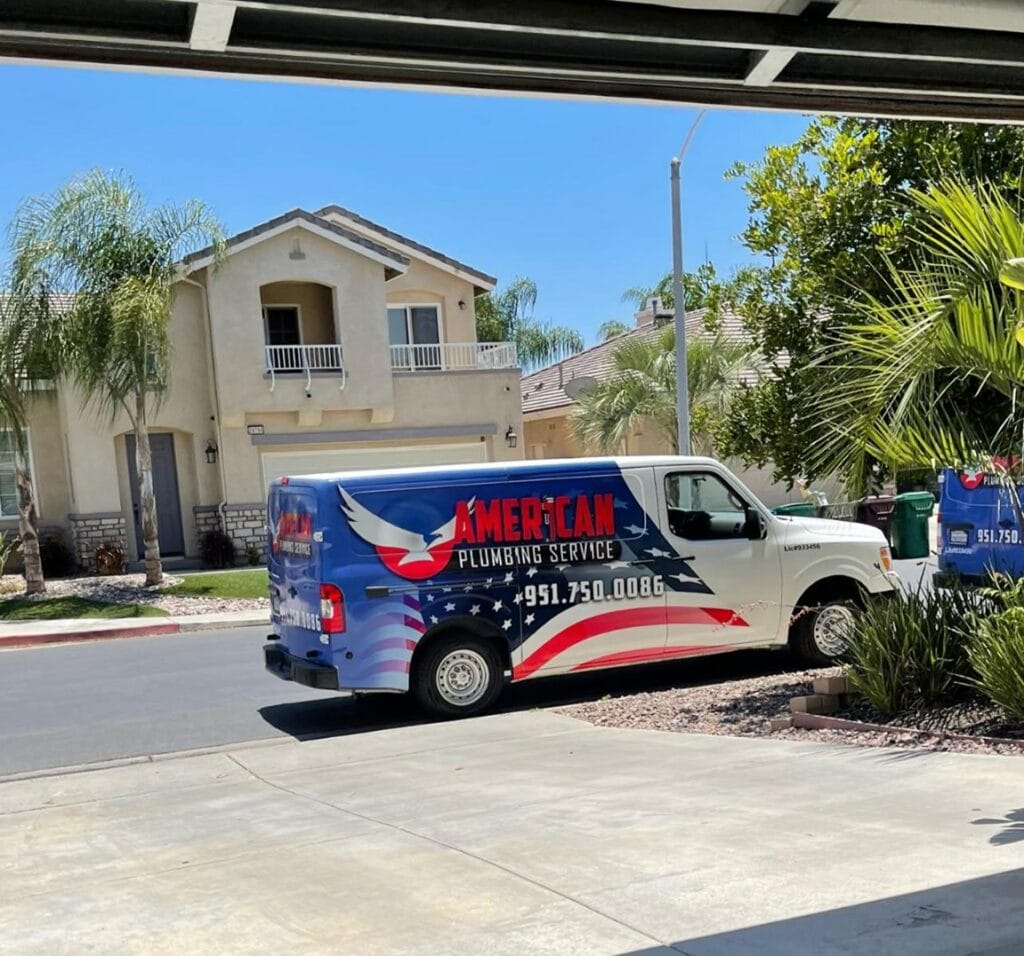
For homeowners in Murrieta and nearby communities, American Plumbing Service can inspect suspected leaks, explain the findings in plain language, and provide a straightforward repair plan. Whether the issue is a small hidden pipe leak, a possible slab leak, or water damage connected to a drain or sewer problem, the goal is to locate the source and stop it with as little disruption as possible.
A hidden leak rarely gets better with time. If your water bill, flooring, walls, or meter readings are telling you something is wrong, having the system checked now can save you from a much larger repair later.