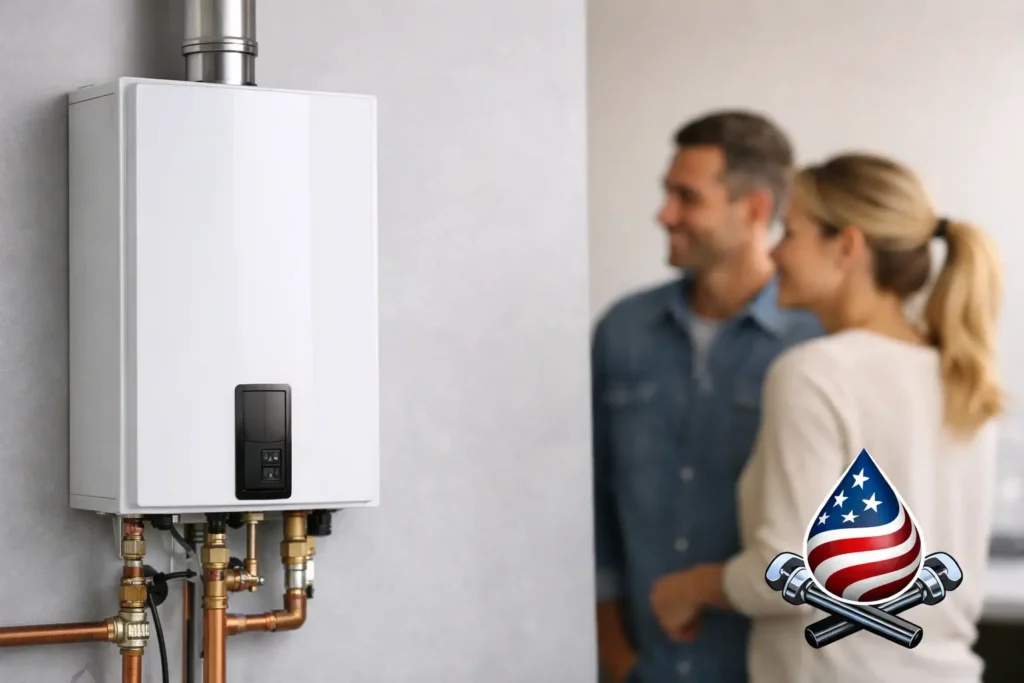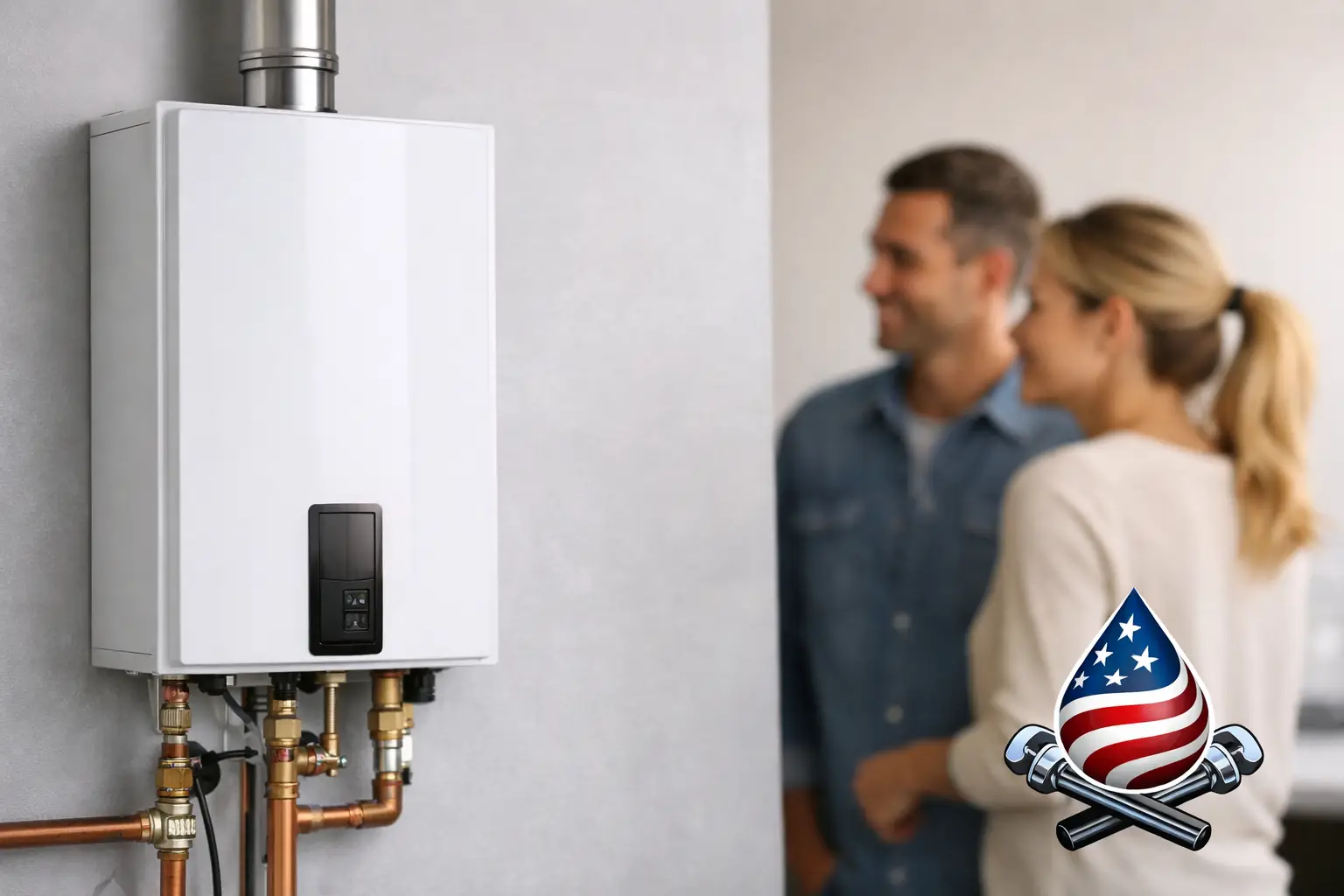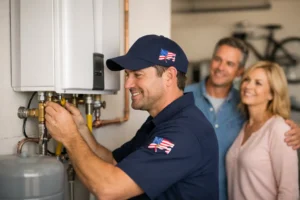
The morning rush can expose every weakness in a conventional water heater. One person showers, the dishwasher starts, and suddenly someone is rinsing shampoo with lukewarm water. For many local homeowners, the best reasons to install a tankless heater come down to one practical goal: getting reliable hot water without wasting space or paying to heat a large tank all day.
A tankless unit heats water as it moves through the system instead of storing 40 or 50 gallons in a tank. That difference can make a noticeable impact on comfort, energy use, and available room in your garage or utility area. Still, tankless is not automatically the right answer for every house. The size of your family, your plumbing layout, your fuel source, and the condition of your existing system all matter.
Best Reasons to Install a Tankless Heater
1. You can stop running out of hot water
The biggest reason homeowners consider tankless water heater installation is simple: a properly sized system provides hot water on demand. Unlike a tank heater, it does not need to recover after its stored supply is used.
That can be a major benefit for busy households in Menifee, Murrieta, Temecula, and nearby communities. If several people need showers in the morning, or you often run laundry and dishes while someone is bathing, a tankless system can keep up more consistently.
There is one important detail. “Endless” hot water does not mean unlimited flow. Every tankless unit has a capacity measured in gallons per minute. If the unit is undersized, running multiple high-demand fixtures at once can still reduce water temperature or flow. A professional assessment helps match the equipment to your household’s actual peak demand.
2. It can reduce energy waste
A standard storage-tank water heater uses energy throughout the day to maintain the temperature of stored water, even when no one is home or using hot water. This is known as standby heat loss.
Tankless models avoid most of that waste because they only fire up when a hot-water fixture is running. For homeowners with moderate hot-water use, that can lower water-heating energy consumption over time. The actual savings depend on your usage, the unit type, local utility costs, and whether you choose gas or electric equipment.
A tankless heater is not a magic fix for high utility bills caused by leaks, inefficient appliances, or excessive water use. But replacing an aging, inefficient tank unit with the right tankless model can be a smart long-term upgrade.
3. You gain valuable floor space
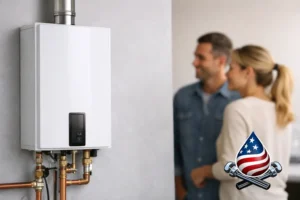
Conventional water heaters are bulky. In many homes, they take up a corner of the garage, a closet, or a utility area that could be used for storage. A tankless water heater mounts on a wall and has a much smaller footprint.
That may not sound like a major factor until you are trying to organize holiday bins, tools, sports equipment, or a second refrigerator around an oversized water heater. For homeowners remodeling a laundry room, garage, or accessory space, removing a tank can make the layout more flexible.
The unit still needs proper clearance, venting when required, and access for maintenance. The goal is not just to make it fit on a wall. It needs to be installed safely and in a location that supports dependable performance.
4. A tankless system may last longer
Tankless water heaters often have a longer expected service life than traditional tank-style systems when they are installed correctly and maintained on schedule. A conventional tank can eventually corrode from the inside, and once it begins leaking, replacement is usually the only practical option.
Tankless equipment does not hold a large volume of water, so it avoids the same tank-corrosion issue. Its internal components can still wear out, and hard-water scale can affect performance. However, many parts are serviceable, which may support a longer useful lifespan.
Maintenance matters here. Southern California water conditions can lead to mineral buildup inside the heat exchanger. Periodic flushing helps protect efficiency, maintain hot-water output, and reduce the chance of avoidable repairs. Skipping maintenance can shorten the advantages of an otherwise high-quality system.
5. It can be a better fit for an expanding household
A home that worked well with one or two people may feel very different after a new baby, older children, frequent guests, or a family member moves in. Hot-water demand grows quickly, especially when shower schedules overlap.
Installing a larger conventional tank is one option. But a properly selected tankless heater may offer a better solution when you need more continuous hot water without giving up additional space. It can also be useful when a home has a large soaking tub, multiple bathrooms, or a primary suite that regularly creates high demand.
Before choosing equipment, consider when hot water is used, not only how much you use in a full day. A household might use a reasonable total amount but still need substantial output during a single hour. That peak period is what determines whether one tankless unit, multiple units, or a different solution makes sense.
6. You can replace a failing water heater before it becomes an emergency
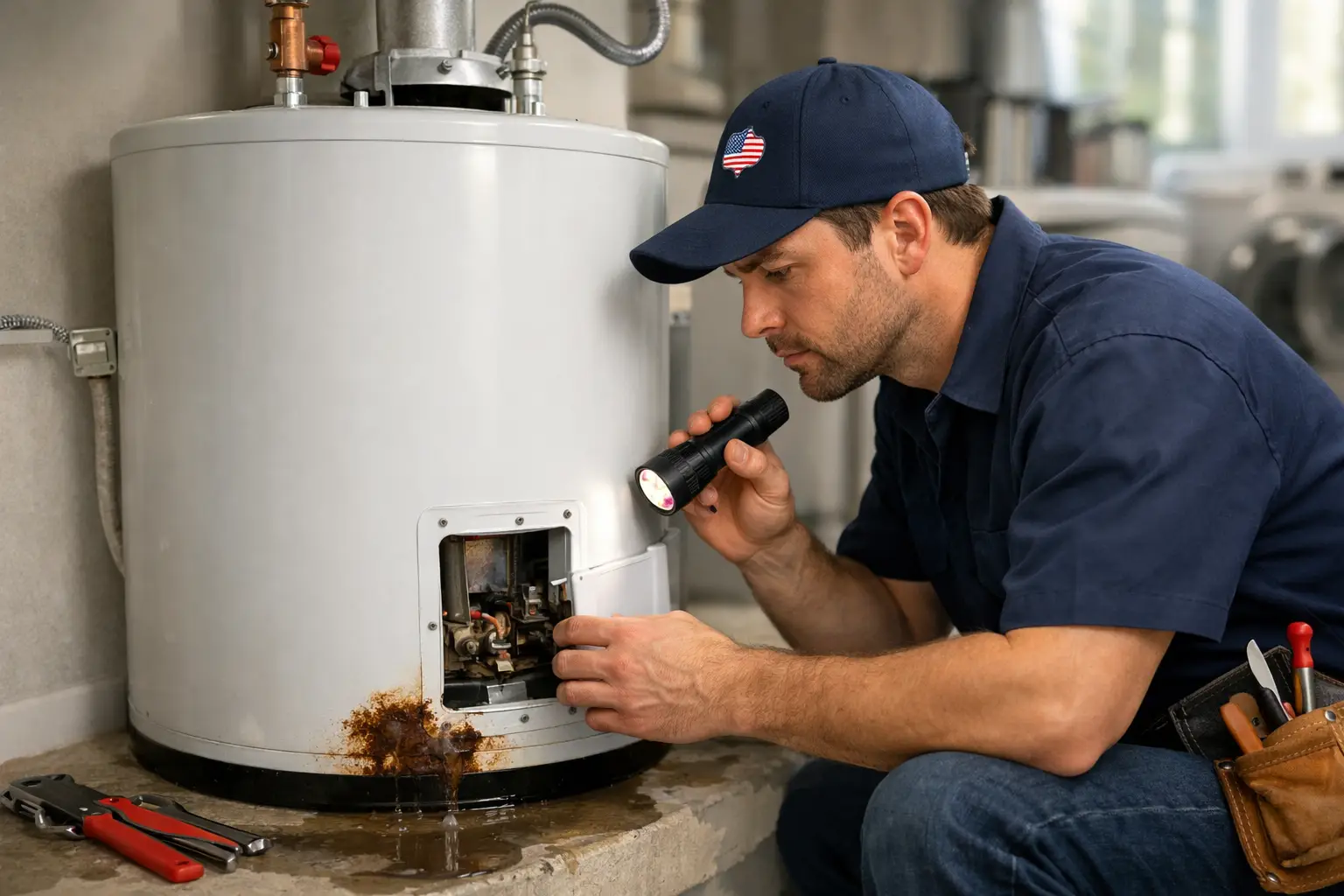
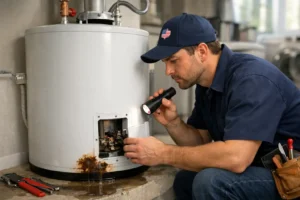
A water heater rarely fails at a convenient time. Warning signs can include rusty water, rumbling or popping sounds, moisture around the base of the tank, inconsistent temperatures, or a unit that is more than a decade old. A leaking tank can damage flooring, drywall, stored belongings, and nearby electrical equipment.
If your existing system is showing its age, planning a tankless installation before a complete failure gives you more choices. You can compare equipment, review required upgrades, and schedule the work without the pressure of having no hot water.
A rushed replacement is sometimes unavoidable, especially when a tank begins leaking heavily. In that situation, a plumber can inspect the existing connections, gas line or electrical service, venting path, and water lines to determine whether tankless installation can be completed safely and efficiently.
7. Modern controls make hot-water use easier to manage
Many tankless water heaters offer precise temperature controls, and some include recirculation options or smart features. Precise controls can help prevent overly hot settings and make it easier to choose a comfortable temperature for the household.
Recirculation can be especially helpful in homes where it takes a long time for hot water to reach a distant bathroom or kitchen. Depending on the setup, a recirculation system can reduce the water sent down the drain while waiting for the shower to warm up.
However, recirculation is not automatically included with every tankless model, and it may require additional components or plumbing changes. It can also use energy if it runs continuously. A demand-controlled or scheduled approach may offer a better balance between convenience and operating cost.
When a Tankless Heater May Not Be the Best Choice
Tankless water heaters have clear benefits, but they can cost more upfront than a basic tank replacement. Some installations require a larger gas line, new venting, electrical upgrades, condensate drainage, or modifications to the water lines. Those requirements affect the final cost and should be explained before work begins.
An electric tankless model can be a good choice in the right application, but whole-home electric units may require significant electrical capacity. Gas tankless systems generally provide stronger whole-home output, yet they require proper gas sizing and venting. The best option depends on the house, not just the label on the equipment.
A traditional tank heater may still be the practical choice for homeowners with limited budgets, lower hot-water demand, or a property that would need extensive upgrades for tankless installation. The right decision is the one that gives your household reliable hot water without creating unnecessary expense.
What to Expect From a Professional Tankless Installation
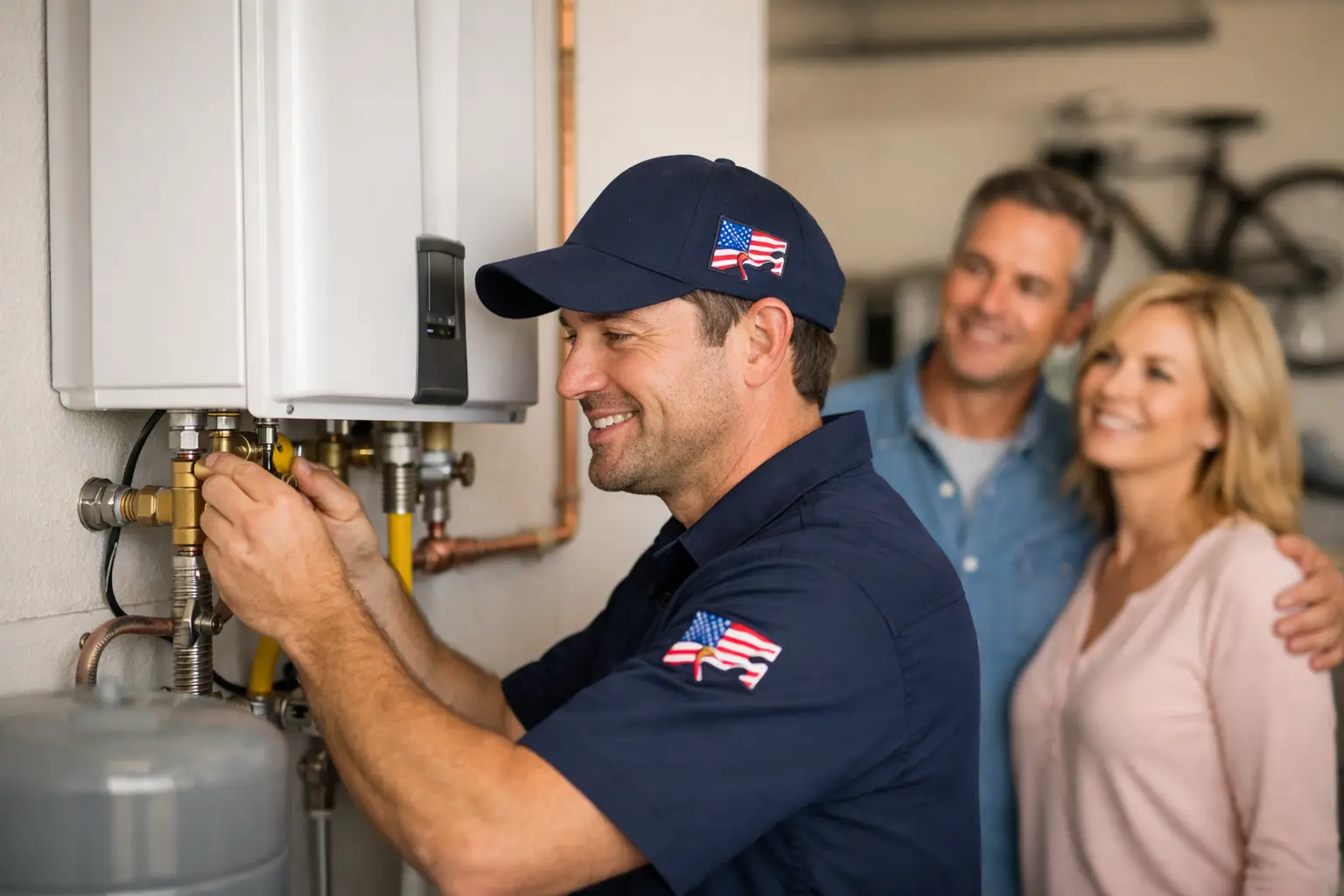
A proper installation starts with more than removing the old heater. A qualified plumber should assess the number of bathrooms, fixture flow rates, household size, gas or electrical capacity, venting needs, water quality, and the location of the existing heater.
From there, you should receive a straightforward explanation of the recommended system and any required modifications. If financing or replacement options are available, those details should be clear before the work starts. After installation, the system should be tested for safe operation, stable temperature, proper venting, and leak-free connections.
If your water heater is struggling to keep up, making noise, leaking, or nearing the end of its service life, it is worth getting an onsite assessment before the problem turns into a cold-shower emergency. The right tankless system can give your household more dependable comfort for years, provided it is sized correctly and maintained well.