A hidden pipe leak rarely announces itself with a burst pipe or a flooded kitchen. More often, it starts with a water bill that seems a little high, a faint damp smell in the hallway, or a warm spot on a tile floor. Knowing how to spot hidden pipe leaks early can prevent structural damage, mold growth, damaged flooring, and a much larger repair later.
The key is to pay attention to changes in your home that do not have an obvious explanation. A visible drip under a sink is straightforward. A leak inside a wall, beneath a slab, or below landscaping requires a closer look and, in many cases, professional leak detection.
Check Your Water Meter When Nothing Is Running
Your water meter is one of the most useful tools for finding a concealed plumbing leak. Choose a time when no one will use water for at least 30 minutes. Turn off faucets, appliances, irrigation, and water-using fixtures. Then write down the meter reading or take a clear photo of it.
Check the meter again after 30 minutes to an hour. If the reading has changed, water is moving somewhere in the system. Many meters also have a small leak indicator that spins or flashes when water is flowing. If it is active while every fixture is off, there is a good chance you have a leak.
This test does not tell you exactly where the problem is. It does tell you that the issue deserves attention. A running toilet can cause the same result, so check toilets and obvious fixtures first before assuming the leak is inside a wall or under the foundation.
Watch for an Unexplained Increase in Your Water Bill
A higher bill is not always a plumbing emergency. Extra guests, summer irrigation, filling a pool, or changes in utility rates can all affect the total. But if your water use rises without a clear reason, a hidden leak is one of the first things to rule out.
Compare the current bill with the same month last year if possible. A steady increase over several billing cycles is common with a slow leak. A sudden spike may point to a more active issue, such as a broken underground supply line, a slab leak, or a leaking irrigation line.
Do not wait for a dramatic bill before taking action. Even a small continuous leak wastes water every day and can create damage where you cannot see it.
Look for Water Stains, Peeling Paint, and Soft Surfaces
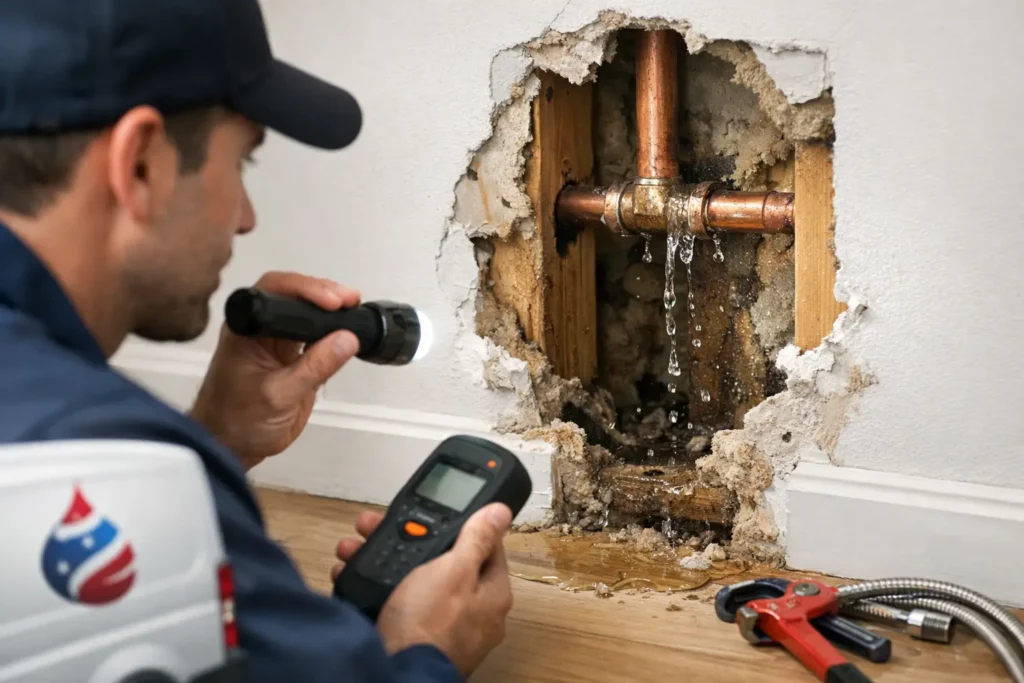
Leaks inside walls and ceilings often leave clues on the surface. Look for yellowish or brownish water stains, bubbling paint, peeling wallpaper, swollen baseboards, or drywall that feels soft when pressed gently. These signs may appear far from the actual leak because water can travel along framing, pipes, or the underside of flooring.
Pay close attention to ceilings below bathrooms, laundry rooms, and upstairs plumbing. In single-story homes, inspect walls around showers, water heaters, kitchens, and exterior hose bibs. A stain that grows, darkens after someone showers, or returns after being painted is not a cosmetic issue. It needs to be diagnosed.
Wood flooring can also react to moisture. Boards may cup, separate, buckle, or feel raised in one area. Carpet may develop a damp patch or a persistent musty odor. These problems can be caused by spills, but if they return after drying, hidden plumbing should be considered.
Notice Musty Odors and Mold Growth
A clean home should not smell damp for no reason. A musty odor in a bathroom, closet, hallway, or cabinet can mean moisture is trapped behind a wall or under flooring. Mold may show up as dark specks around baseboards, under sinks, near windows, or on ceilings.
Not every mold problem comes from a pipe leak. Poor ventilation, shower steam, roof leaks, and condensation can produce similar symptoms. Still, mold that develops near plumbing fixtures or keeps coming back after cleaning should be investigated. The goal is to find and stop the moisture source, not just cover up the visible signs.
Listen for Sounds That Do Not Belong
When the house is quiet, listen for the sound of water moving after all fixtures are turned off. You may hear a faint hiss behind a wall, a steady trickle near a floor, or a clicking meter outside. These sounds are easier to notice at night or early in the morning.
A brief pipe sound after a toilet flush or washing machine cycle can be normal. Constant water noise is different. If you hear it regularly and cannot connect it to an appliance or fixture, schedule an inspection before the leak becomes more disruptive.
Pay Attention to Floors and Foundation Clues
Homes on slab foundations can develop leaks in water lines beneath the concrete. These leaks are often difficult to see, but they can create noticeable changes indoors. Warm areas on a floor may indicate a hot-water line leak. Damp carpet, loose flooring, cracked tile, or unexplained moisture along the edge of a room can also be warning signs.
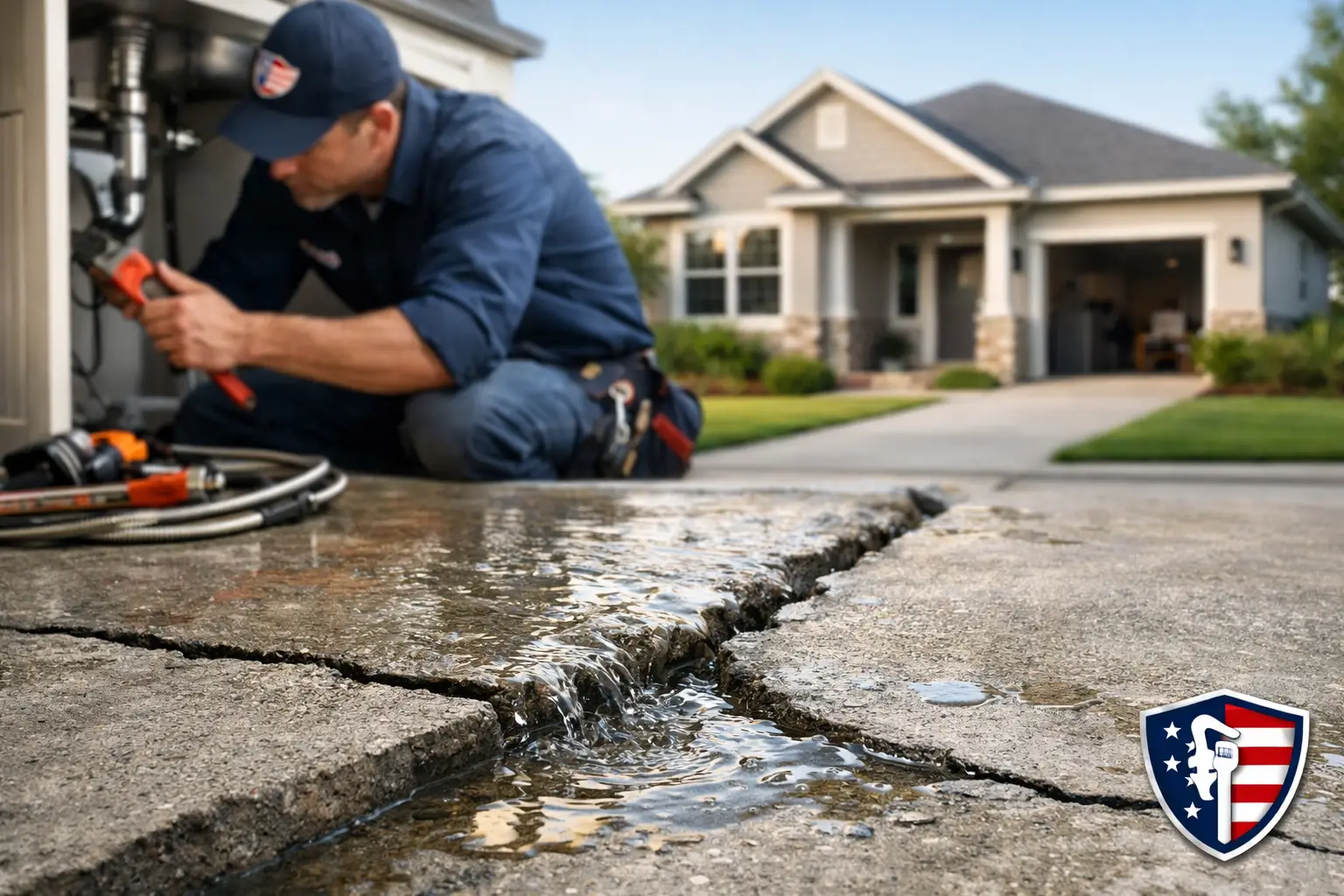
Foundation cracks do not automatically mean you have a slab leak. Soil movement and normal settling are common in Southern California. The concern increases when cracks appear with warm floors, water-meter movement, reduced water pressure, or moisture inside the home.
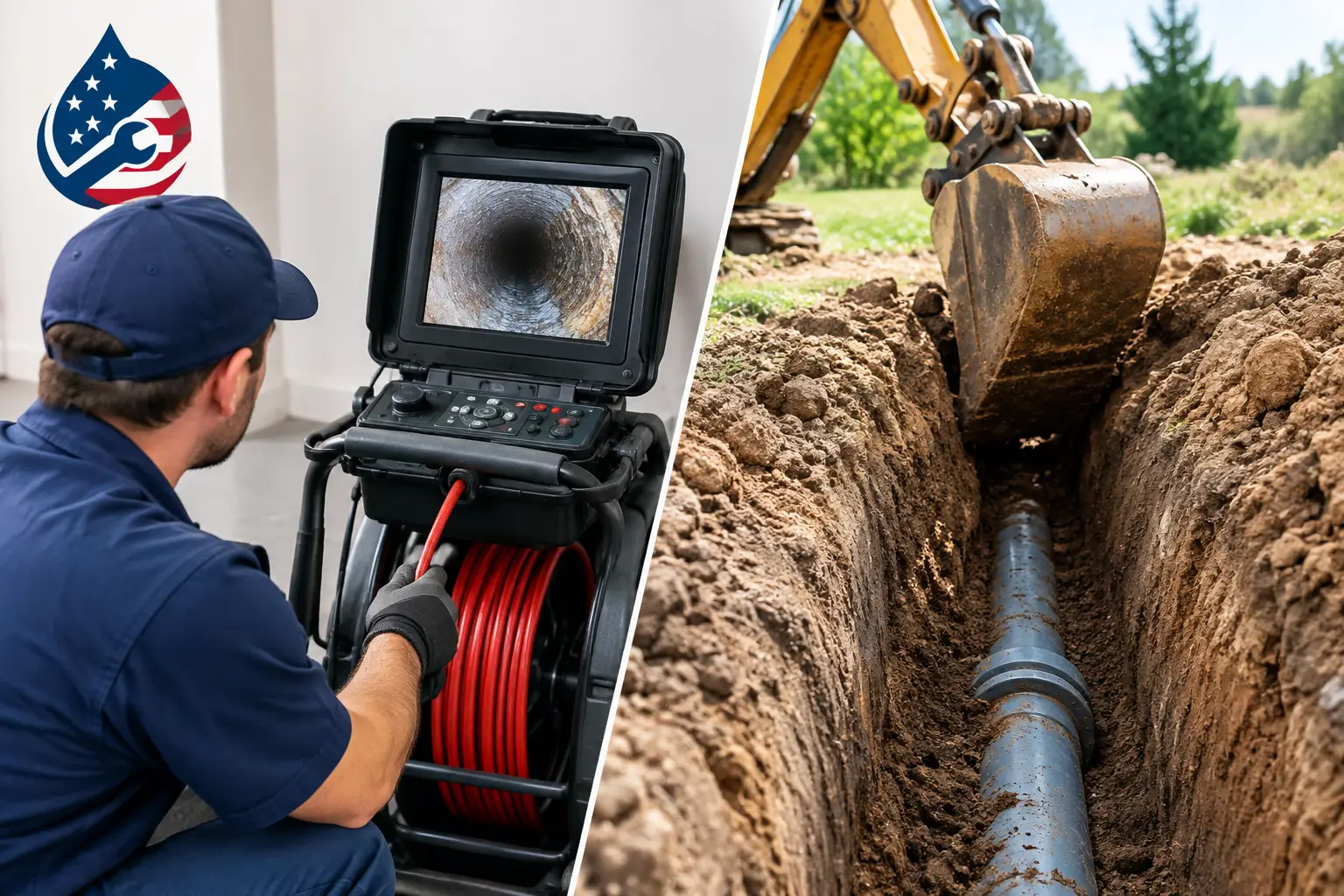
If you suspect a slab leak, avoid guessing or breaking into flooring yourself. Professional leak detection equipment can help locate the problem with less unnecessary demolition. The repair approach depends on the pipe material, the leak location, the condition of the system, and whether a direct repair or reroute makes better long-term sense.
Check Toilets, Cabinets, and Outdoor Areas First
Before calling for hidden leak detection, rule out common sources that homeowners can safely inspect. Add a few drops of food coloring to a toilet tank and wait about 15 minutes without flushing. If color appears in the bowl, the toilet flapper may be leaking. This can waste a surprising amount of water without making much noise.
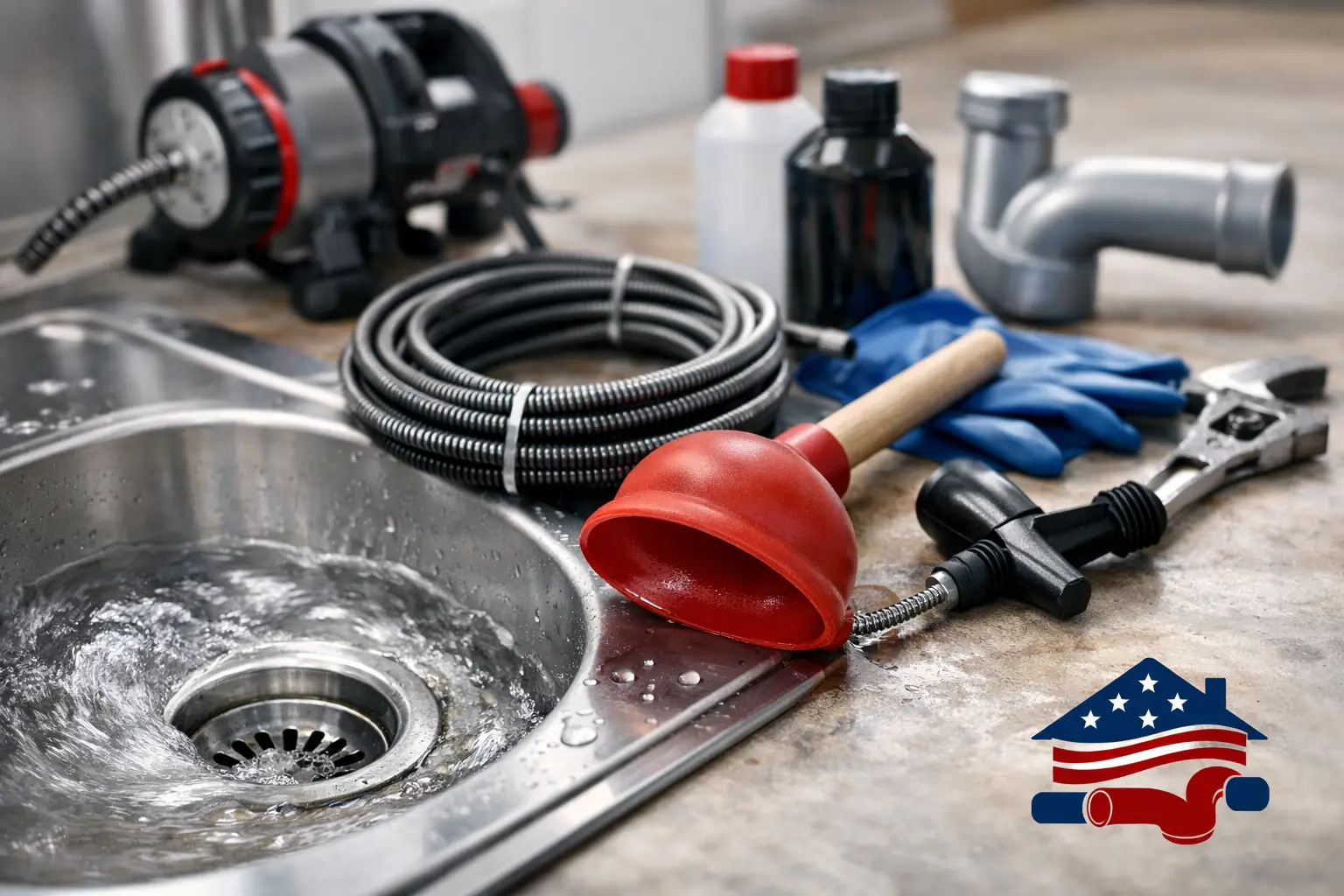
Open sink cabinets and look for wet supply connections, corrosion, warped cabinet bottoms, or moisture around drain pipes. Check around your water heater for puddles, rust, or water at the drain pan. Outside, inspect hose connections, visible irrigation valves, and unusually green or soggy spots in the yard.
These checks are helpful, but do not rely on them to clear the entire plumbing system. Underground and in-wall leaks can continue without leaving an obvious wet area, especially in dry weather or on concrete surfaces.
Know When to Shut Off Water and Call a Plumber
Turn off your home’s main water supply if water is actively entering a wall, spreading across a floor, coming through a ceiling, or creating an electrical safety concern. Move valuables away from the area if it is safe to do so. Do not cut into wet drywall near outlets, light fixtures, or wiring.
For a slow suspected leak, a prompt plumbing inspection is still the right move. A trained technician can test the plumbing system, isolate the source, and explain the repair options clearly. American Plumbing Service helps homeowners in Menifee and nearby communities locate leaks and address the underlying issue without unnecessary disruption.
How to Spot Hidden Pipe Leaks Before They Spread
The most reliable approach is to act on patterns rather than waiting for one dramatic sign. A moving meter, rising water bill, musty smell, soft drywall, warm floor, or recurring stain may each seem minor on its own. Together, they can point to a leak that is already affecting your home.
If something feels off, trust that instinct and get the source checked. Fast detection protects more than pipes – it protects the parts of your home that are hardest and most expensive to restore.