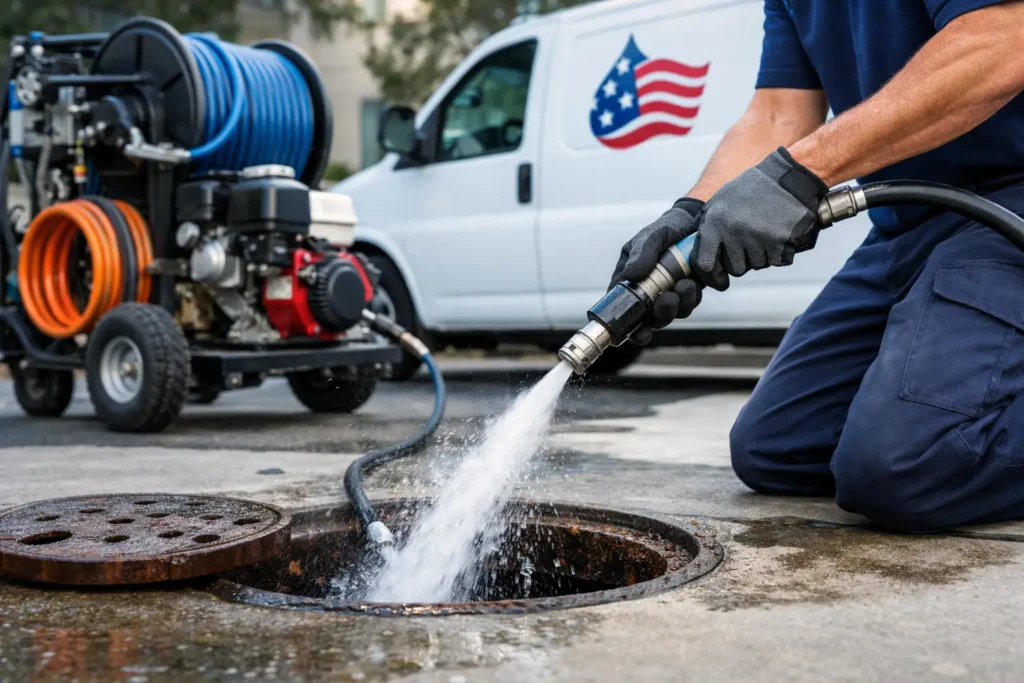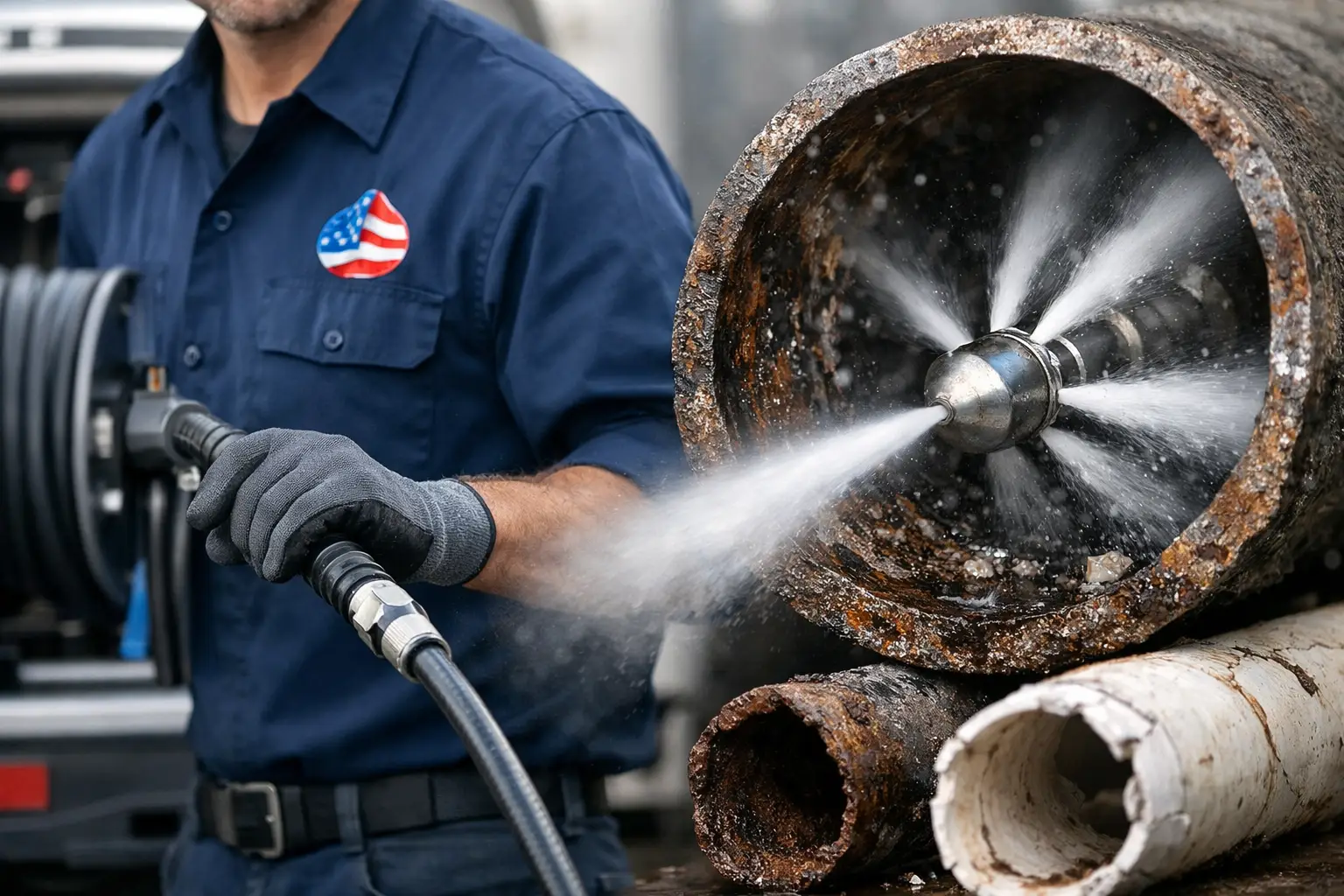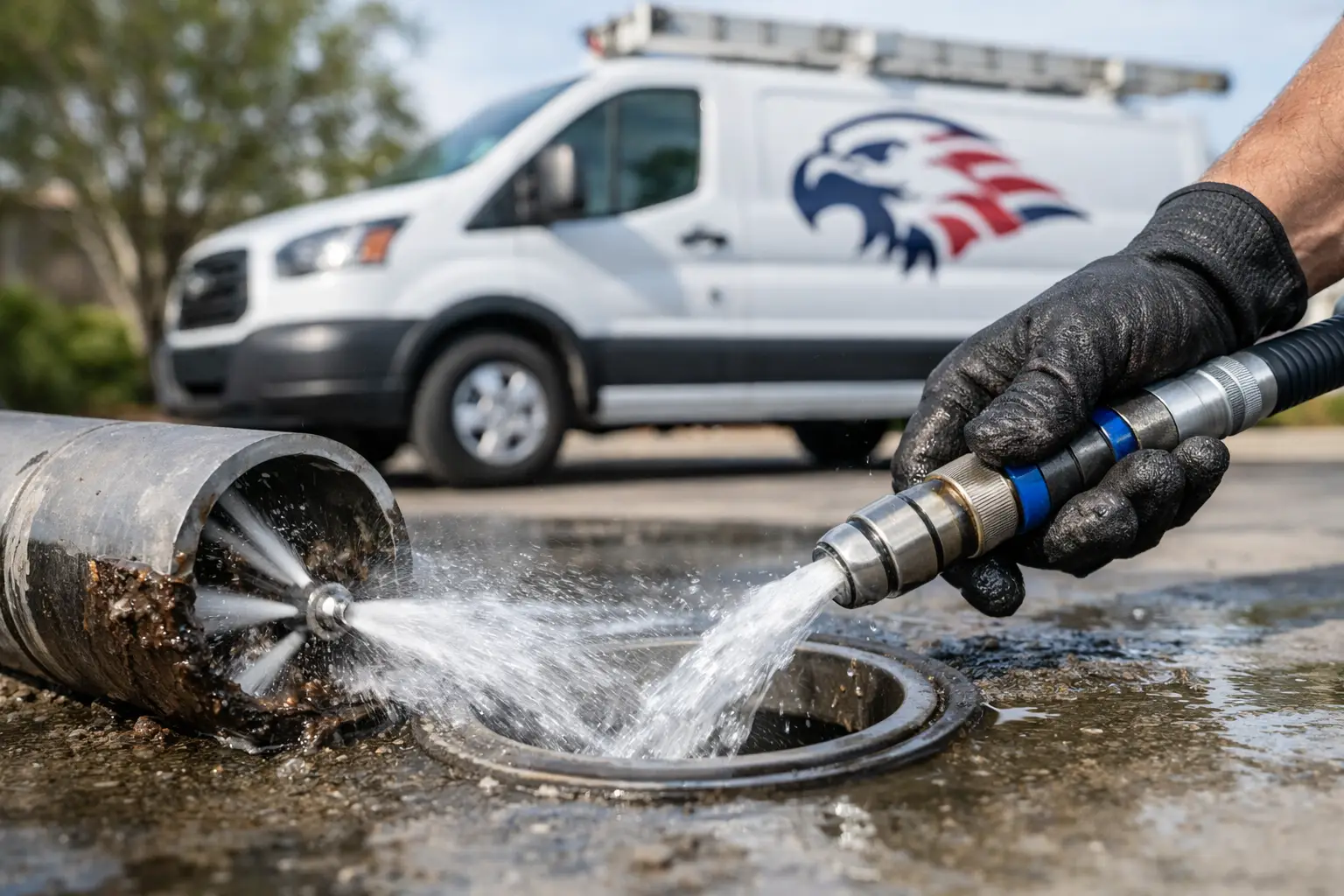
A kitchen sink that slows down again two weeks after being cleared is not just frustrating – it is a clue. Knowing how to tell if a drain needs hydro jetting can help you avoid repeated service calls, messy backups, and a larger sewer problem. Hydro jetting uses high-pressure water to clear heavy buildup from inside a drain or sewer line, not just poke a small opening through the clog.
For many homes in Menifee, Murrieta, Temecula, and nearby communities, it is the right solution when standard drain cleaning has not solved the underlying problem. It is not necessary for every clog, though. The condition of the pipe, the location of the blockage, and what is causing it all matter.
Your Drains Keep Clogging in the Same Places
A single slow drain may be caused by hair near a shower stopper, soap buildup in a bathroom sink, or food debris in a kitchen trap. Those localized clogs can often be cleared with standard drain cleaning.
The concern grows when the same fixture clogs repeatedly, especially after it was recently cleaned. If your kitchen sink starts backing up every few weeks, grease and food residue may be coating a larger section of the drain line. If several bathrooms have recurring slow drains, the problem may be farther down in the main sewer line.
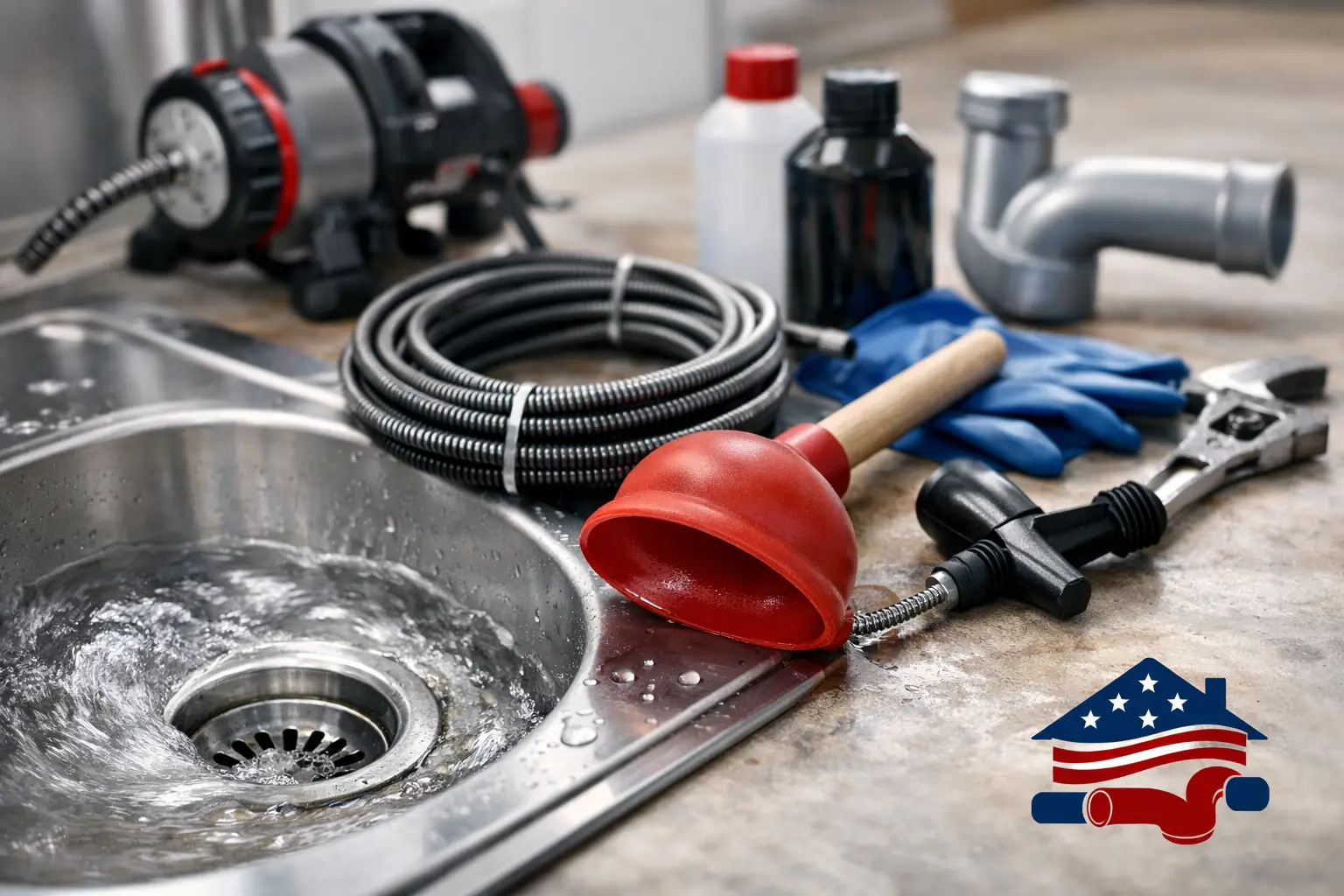
A cable machine can break through a blockage and restore flow. Hydro jetting is often a better next step when residue remains on the pipe walls and quickly collects debris again. The goal is to clean the line more thoroughly so water can move freely for longer.
Multiple Drains Are Slow or Backing Up
One of the clearest signs that a drain needs more than a basic cleaning is trouble at multiple fixtures. A slow shower combined with a gurgling toilet, or a washing machine drain that causes water to rise in a nearby sink, can point to a blockage in a shared branch line or the main sewer line.
Pay particular attention to low drains in the home. When a toilet flush causes water to appear in a bathtub or shower, wastewater is not moving through the sewer line as it should. That is a situation to address promptly. Continued use can lead to a sewage backup inside the home.
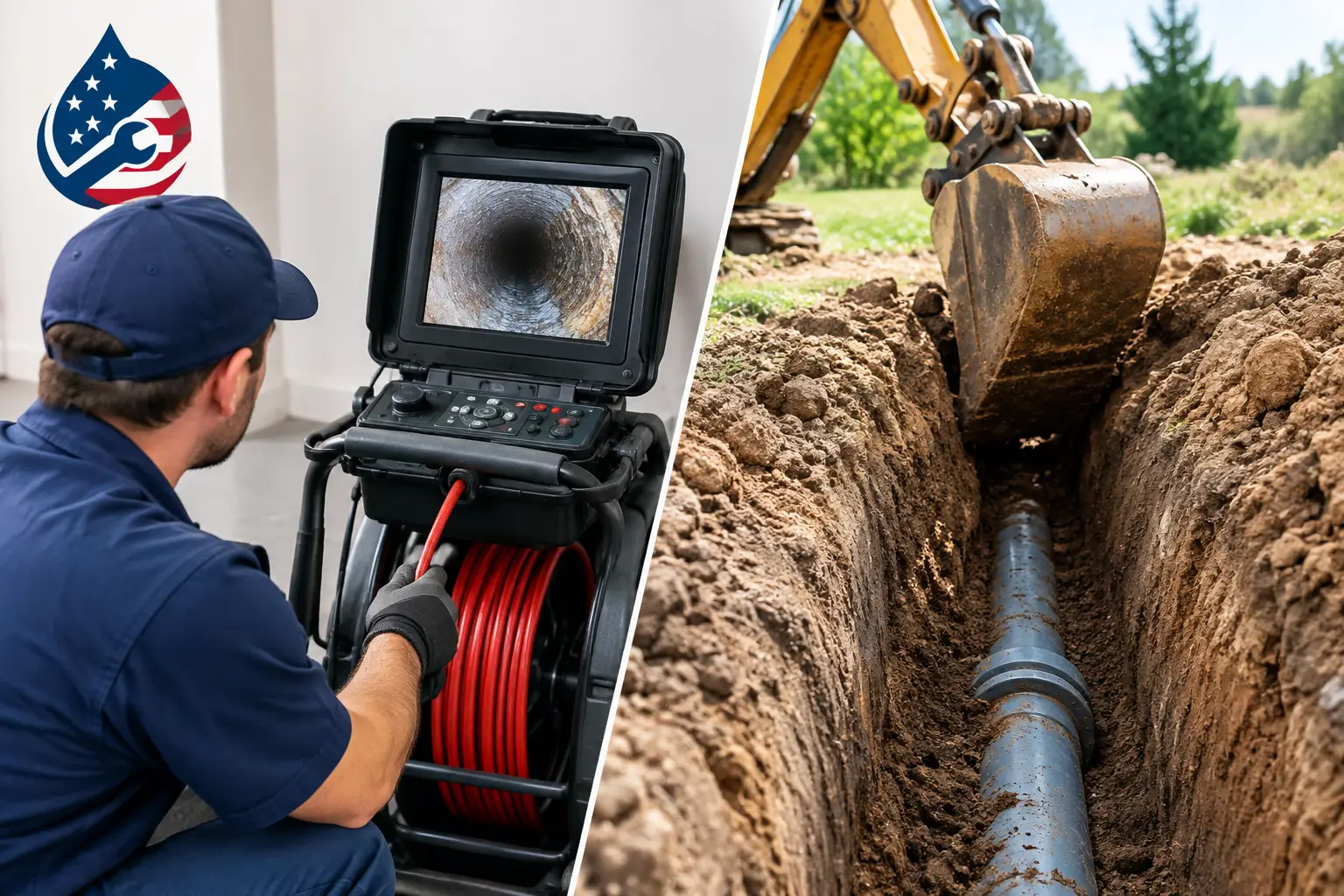
Hydro jetting can remove dense buildup across a longer stretch of pipe. Before recommending it, a professional plumber may inspect the sewer line with a camera. That inspection helps identify whether the blockage is grease, scale, wipes, roots, a collapsed pipe, or another issue requiring a different repair.
Gurgling Sounds and Sewer Odors Are Becoming Common
Drains should move water quietly. A brief sound after a sink empties is not always serious, but repeated gurgling from toilets, tubs, or sinks can mean air is being trapped behind a partial blockage. As water tries to pass through a narrowed pipe, pressure changes can pull air through nearby drains.
Sewer odors are another warning sign. A dry drain trap can occasionally allow odor into a bathroom that is rarely used, but persistent sewer smells near several fixtures deserve attention. Organic material stuck inside the line can create odor, and a restriction can prevent the plumbing system from venting and draining properly.
These symptoms do not automatically mean hydro jetting is needed. They do mean the problem should be diagnosed before it progresses. A sewer camera inspection provides a clear view of the inside of the line and keeps the repair recommendation based on the actual condition of your plumbing.
Kitchen Drains Often Benefit From Hydro Jetting
Kitchen drain clogs are different from bathroom clogs. Even careful households send a small amount of grease, cooking oil, soap, starch, and food particles down the sink over time. Grease may leave the kitchen warm and liquid, but it cools as it travels through the pipe and sticks to the interior walls.
As that layer thickens, it catches more debris. The opening inside the pipe gets smaller until the sink begins draining slowly or backing up during dishwashing. Store-bought chemical drain cleaners rarely solve this kind of buildup, and they can be hard on older plumbing when used repeatedly.
Hydro jetting uses a specialized nozzle that directs pressurized water through the line. The water breaks apart the obstruction and washes loosened debris away. It can be especially effective for heavy grease buildup because it cleans more of the pipe surface than a cable alone.
You Have Had Several Basic Drain Cleanings
A standard drain cleaning is often the right first response for a straightforward clog. It is fast, targeted, and less involved. But if you have paid to clear the same line multiple times in a year, it is time to ask why the clog keeps coming back.
Repeated clogs can indicate leftover buildup, roots entering the sewer line, poor pipe slope, or a damaged section of pipe. Hydro jetting may provide a longer-lasting cleaning when buildup is the cause. If a camera inspection shows root intrusion or broken pipe, cleaning alone will not be a permanent fix. The line may need root treatment, repair, or trenchless sewer replacement instead.
This is why the right recommendation should not be a guess. Homeowners deserve to know whether they are dealing with a cleanable blockage or a structural sewer problem.
When Hydro Jetting May Not Be the Right Choice
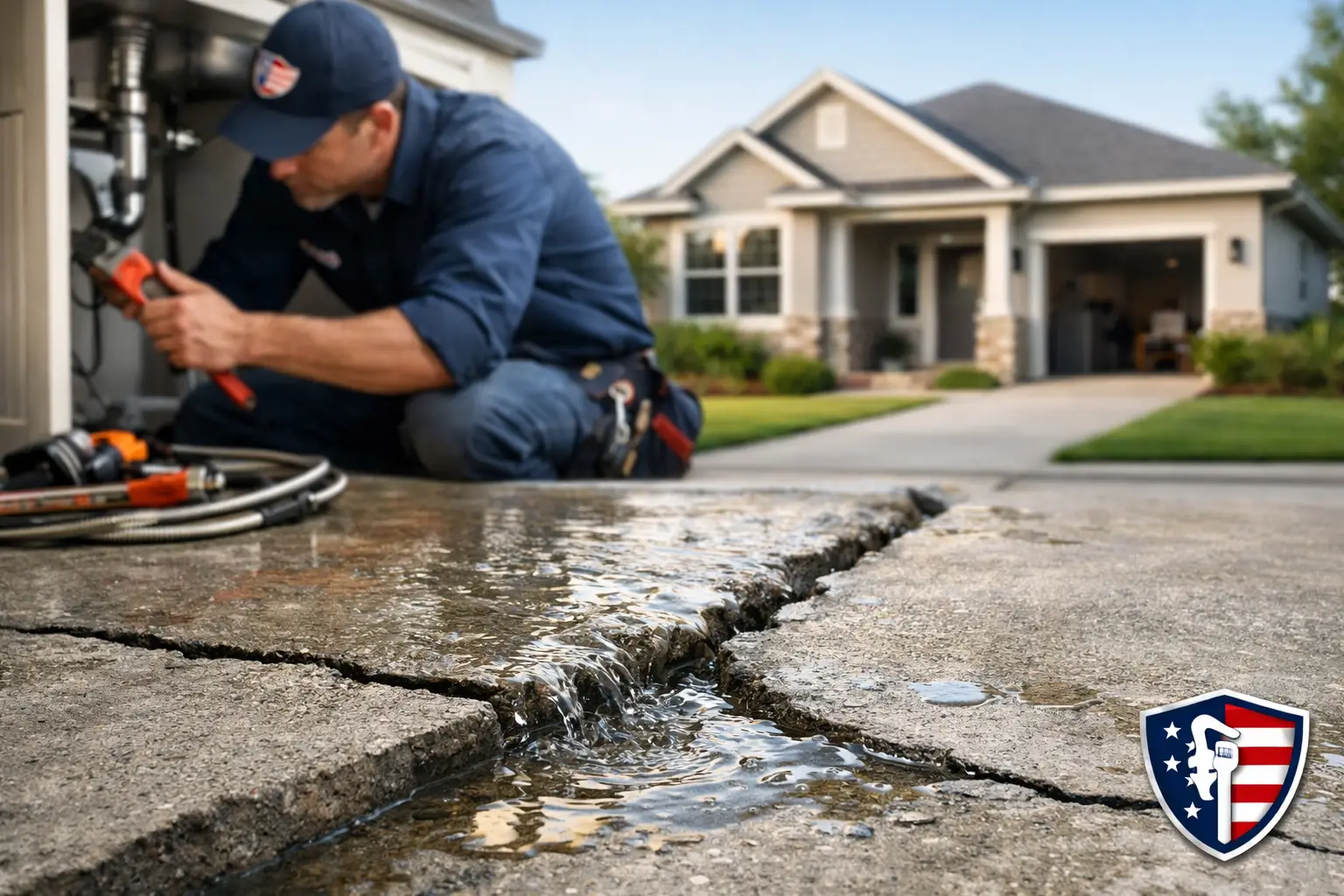
Hydro jetting is powerful, and that is precisely why a professional should evaluate the line first. Older, deteriorated, cracked, or collapsed pipes may not be good candidates for high-pressure cleaning. The water pressure does not create damage in a sound pipe, but it can expose weaknesses in a pipe that is already failing.
Tree roots are another example where the answer depends on the inspection. Hydro jetting can cut through and flush out smaller root growth, restoring flow in many cases. However, roots usually enter through a crack, loose joint, or damaged connection. If that entry point remains, the roots can return. A repair may be the better long-term solution.
Foreign objects also change the plan. A toy, large wipe blockage, heavy scale, or pipe belly may require a different approach. A qualified plumber should match the equipment to the cause rather than treating every drain issue the same way.
What to Do Before Calling for Service
If wastewater is backing up into a tub, shower, or sink, stop running water and avoid flushing toilets until the line is checked. Running the dishwasher, washing machine, or additional fixtures can quickly turn a partial backup into a larger indoor cleanup.
Avoid pouring chemical cleaners into a severely slow or blocked drain. The product may sit in the pipe without reaching the clog, creating a safety risk for anyone who later works on the line. Do not attempt to force the problem with repeated plunging if multiple fixtures are involved either. A plunger can help with a simple toilet clog, but it cannot clear a blocked main sewer line.
When you call, be ready to explain which fixtures are affected, when the problem started, whether it has happened before, and whether you have noticed odors or gurgling. Those details help a plumber narrow down the likely source quickly.
A Clear Diagnosis Protects Your Home
The best way to tell if a drain needs hydro jetting is to look at the pattern: recurring clogs, multiple slow fixtures, greasy kitchen backups, gurgling drains, and repeated temporary fixes all suggest heavier buildup may be inside the line. A camera inspection can confirm what is there and whether hydro jetting is safe for your pipes.
American Plumbing Service helps homeowners get clear answers before recommending work. A properly cleaned drain line can restore everyday convenience, reduce the risk of a surprise backup, and give you confidence that the issue has been addressed at its source.