A sewer problem can turn an ordinary morning into a household emergency fast. If toilets gurgle, tubs drain slowly, or wastewater backs up where it should not, trenchless sewer replacement Menifee homeowners need may protect the home without tearing up the entire yard, driveway, or patio.
Trenchless does not mean the work is minor. It means the repair method is designed to reach and replace a damaged sewer line with far less excavation than traditional digging. The right solution starts with identifying the actual condition of the pipe, then explaining what needs to happen before work begins.
When Trenchless Sewer Replacement Makes Sense
Your main sewer line carries wastewater from the house to the public sewer connection or septic system. When that line is cracked, offset, collapsed, invaded by roots, or deteriorating with age, the symptoms often start small. A drain may clog repeatedly, then several fixtures begin draining slowly at the same time. Eventually, sewage can back up into a shower, tub, or lower-level drain.
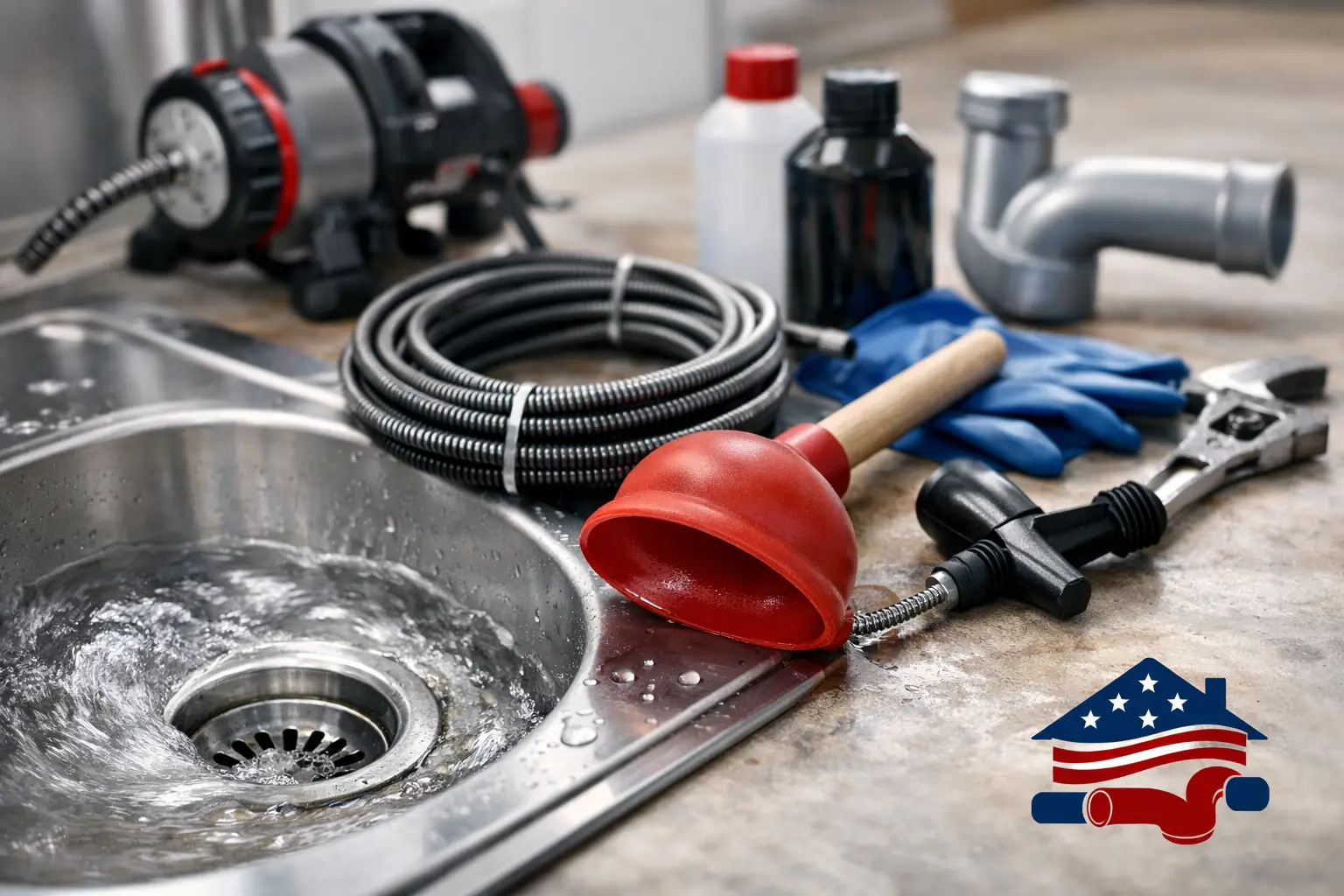
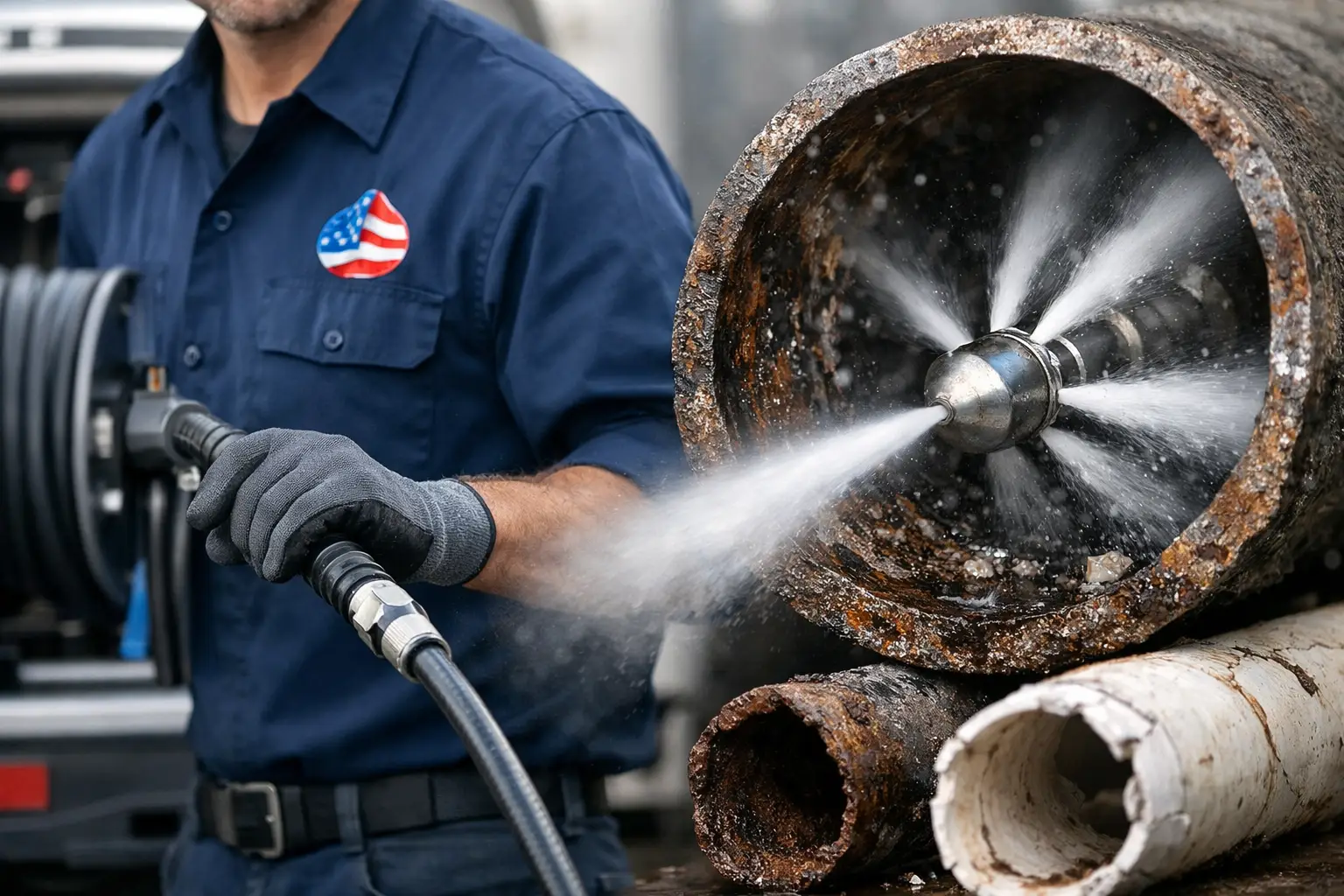
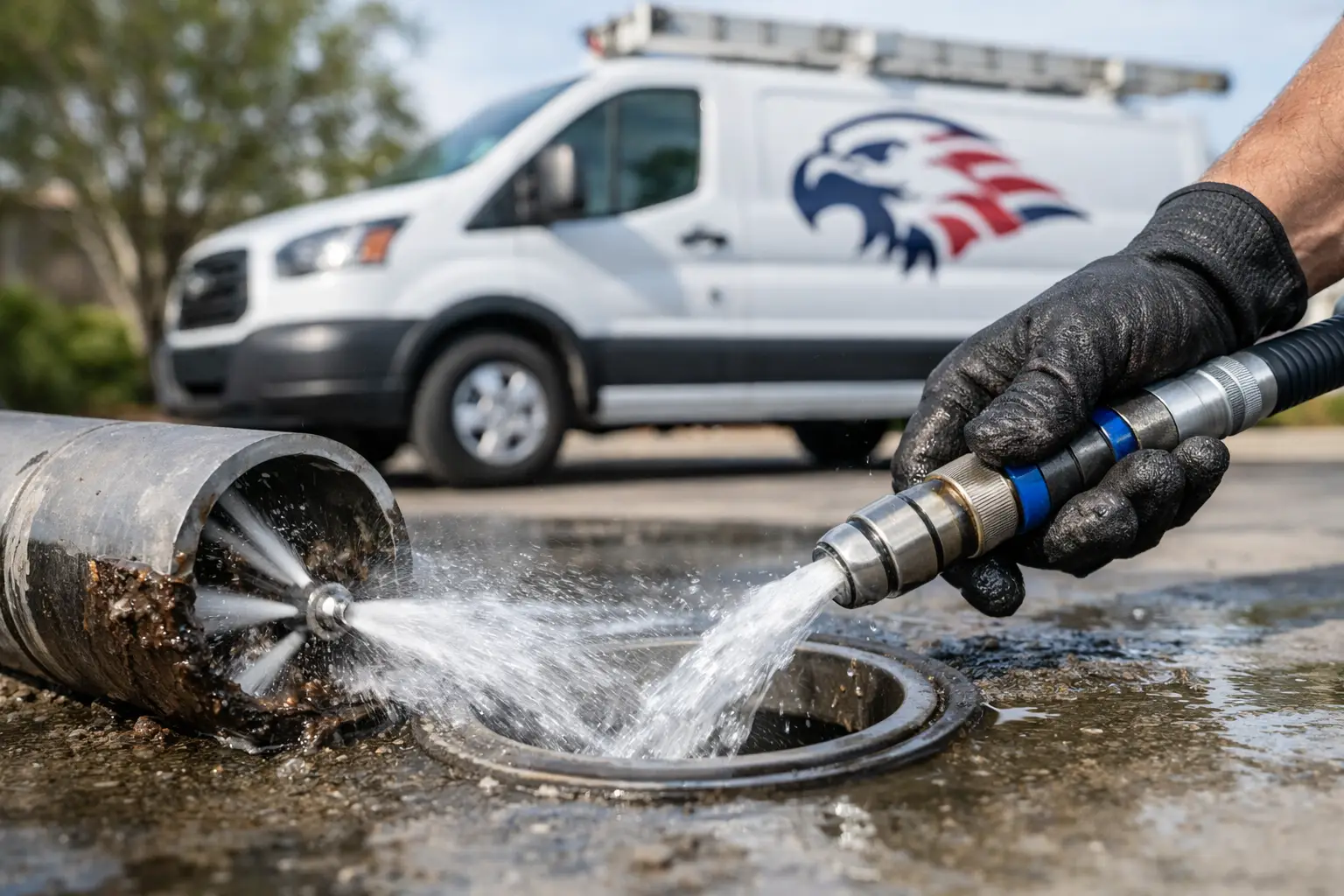
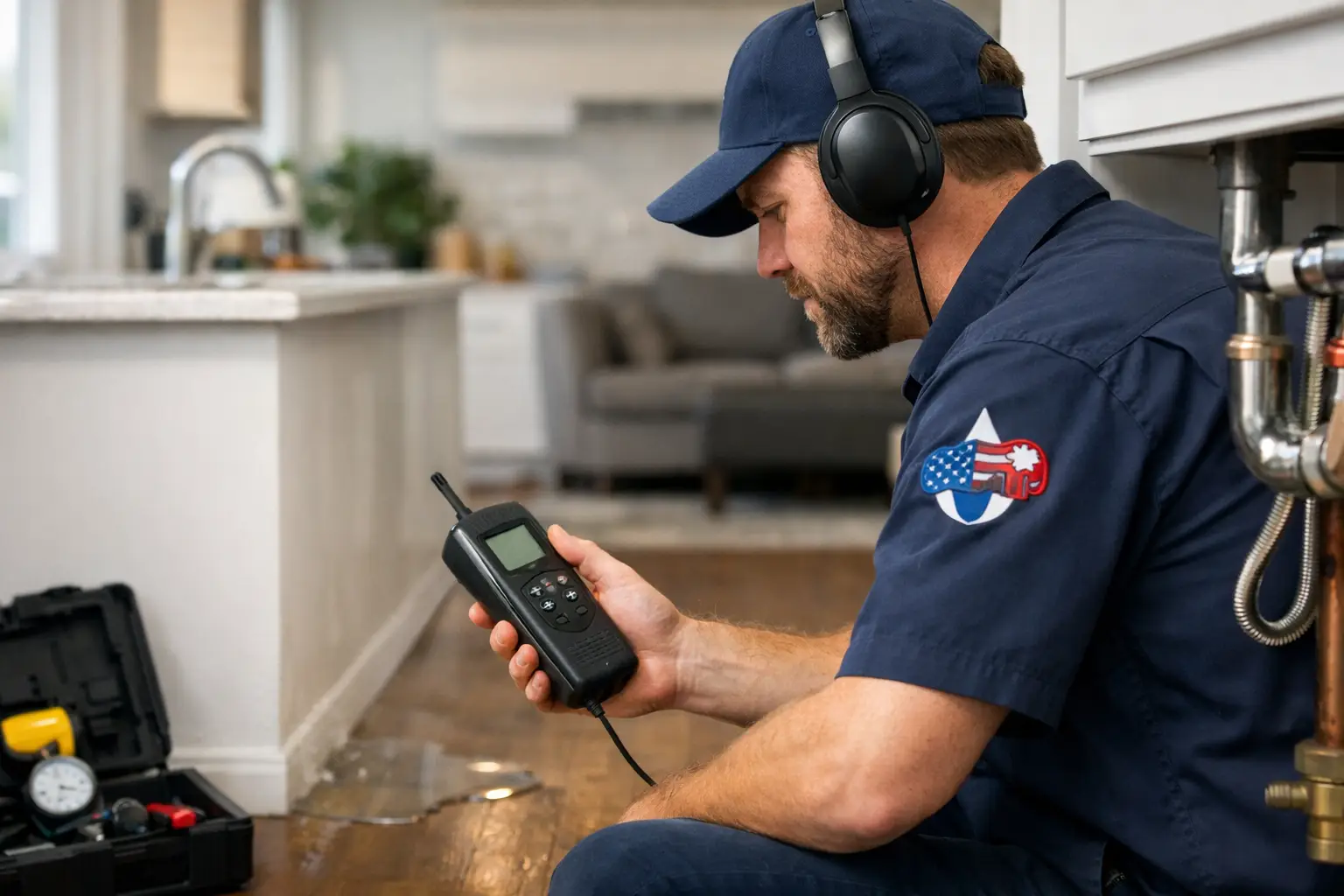
A camera inspection is usually the first practical step. It allows a plumber to see where the problem is, how severe it is, and whether the pipe can be rehabilitated without opening a long trench. This matters because a recurring clog is not always a failed sewer line. Grease buildup, a local blockage, or heavy root growth may be cleared with drain cleaning or hydro-jetting if the pipe itself is still structurally sound.
Trenchless replacement is often a strong fit when the sewer line runs under landscaping, concrete, a driveway, or other improvements you would rather not disturb. It can also be a good option for homeowners who need a long-lasting solution to an old or repeatedly failing line.
How the Trenchless Process Works
There are two common trenchless approaches, and the best choice depends on the inspection findings, pipe material, access, depth, and layout of your property.
Pipe Bursting
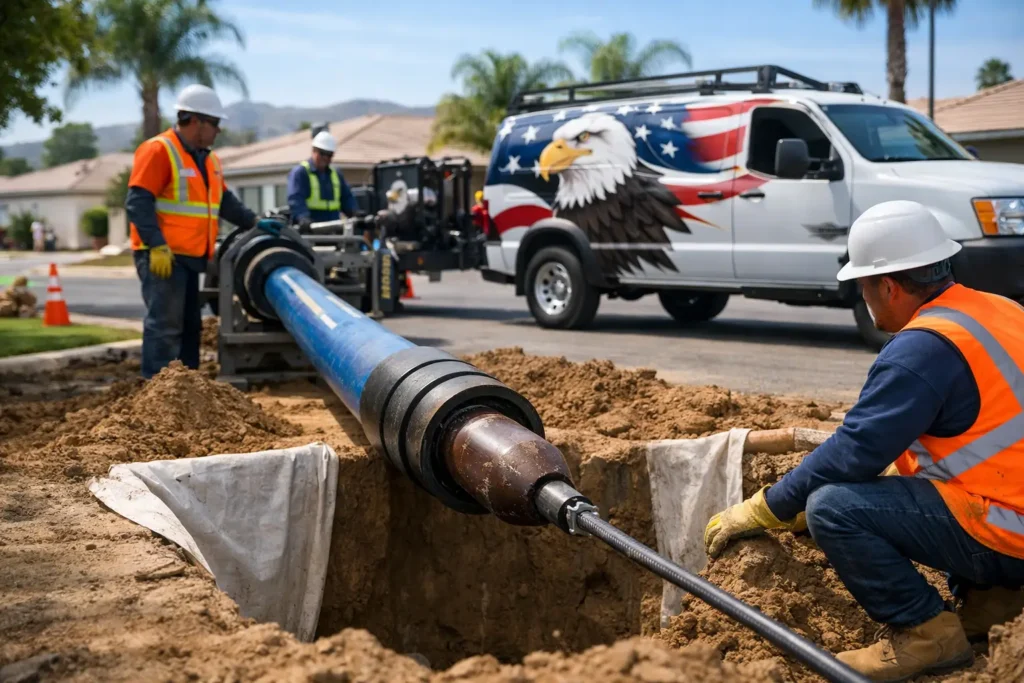
Pipe bursting replaces the existing line by pulling a new pipe through the old pipe’s path. A bursting head breaks apart the damaged pipe while the new line is pulled into place behind it. The crew generally needs access points at each end of the run, rather than an open trench along the full length of the sewer line.
This method can work well when the existing pipe is badly deteriorated, broken, or no longer dependable. It creates a new sewer line rather than placing a liner inside the old one. However, access conditions matter. Nearby utilities, tight property layouts, severe line changes, or certain pipe configurations can affect whether pipe bursting is appropriate.
Pipe Lining
Pipe lining creates a new, durable pipe inside the existing sewer line. After cleaning and preparing the pipe, a resin-saturated liner is installed and cured in place. The result is a smooth interior pathway that can seal cracks and help stop root intrusion.
Lining may be a good fit when the existing pipe is intact enough to support the process and has no major collapse or severe misalignment. Because the liner slightly reduces the interior diameter, a professional inspection should confirm that the remaining capacity is suitable for the home. For many residential sewer lines, that reduction is not a concern, but it should never be assumed.
What Homeowners Can Expect on Service Day
A dependable sewer repair begins with clear communication. Before trenchless work starts, the plumber should review the camera findings, describe the recommended method, identify the access points, and explain any work that may still require small excavations. Trenchless work reduces disruption. It does not promise zero digging in every situation.
The crew may need to access a cleanout, remove a toilet in some cases, or create entry and exit pits outdoors. Equipment setup, pipe cleaning, repair or replacement, testing, and final camera verification all take time. The length and condition of the line, access challenges, permit requirements, and connection details can all affect the schedule.
During the work, homeowners may be asked to limit water use or avoid using plumbing fixtures for a period of time. That is normal and helps prevent wastewater from entering the line while it is being repaired. A good plumbing team will tell you what to expect before they arrive, not after the water is shut off.
Once the work is complete, the line should be tested and inspected to confirm proper flow. If any small access areas were opened, the team should explain what has been restored and whether any separate surface repair, such as landscaping or concrete finish work, is still needed.
Cost Factors for Trenchless Sewer Replacement in Menifee
There is no honest flat price for every sewer replacement. The cost depends on the amount of pipe involved and the conditions found on your property. A short, accessible line with straightforward connections is very different from a deep sewer line beneath a driveway or a line with multiple damaged sections.
Key cost factors include the line’s length and depth, the replacement method, soil conditions, access to cleanouts, the need for permits, pipe diameter, and whether the problem extends into a connection point. The need to repair damaged landscaping, concrete, or interior access areas can also affect the overall project.
That is why a camera inspection and onsite evaluation are so valuable. They turn a vague sewer concern into a defined repair plan. Instead of guessing based on a single symptom, you can see the condition of the line and understand why one option is recommended over another.
If budget is a concern, ask about the complete scope of work, what is included in the estimate, and available financing options. The lowest initial quote is not always the best value if it does not address the failed section, include verification, or explain likely restoration needs.
Signs You Should Schedule a Sewer Inspection
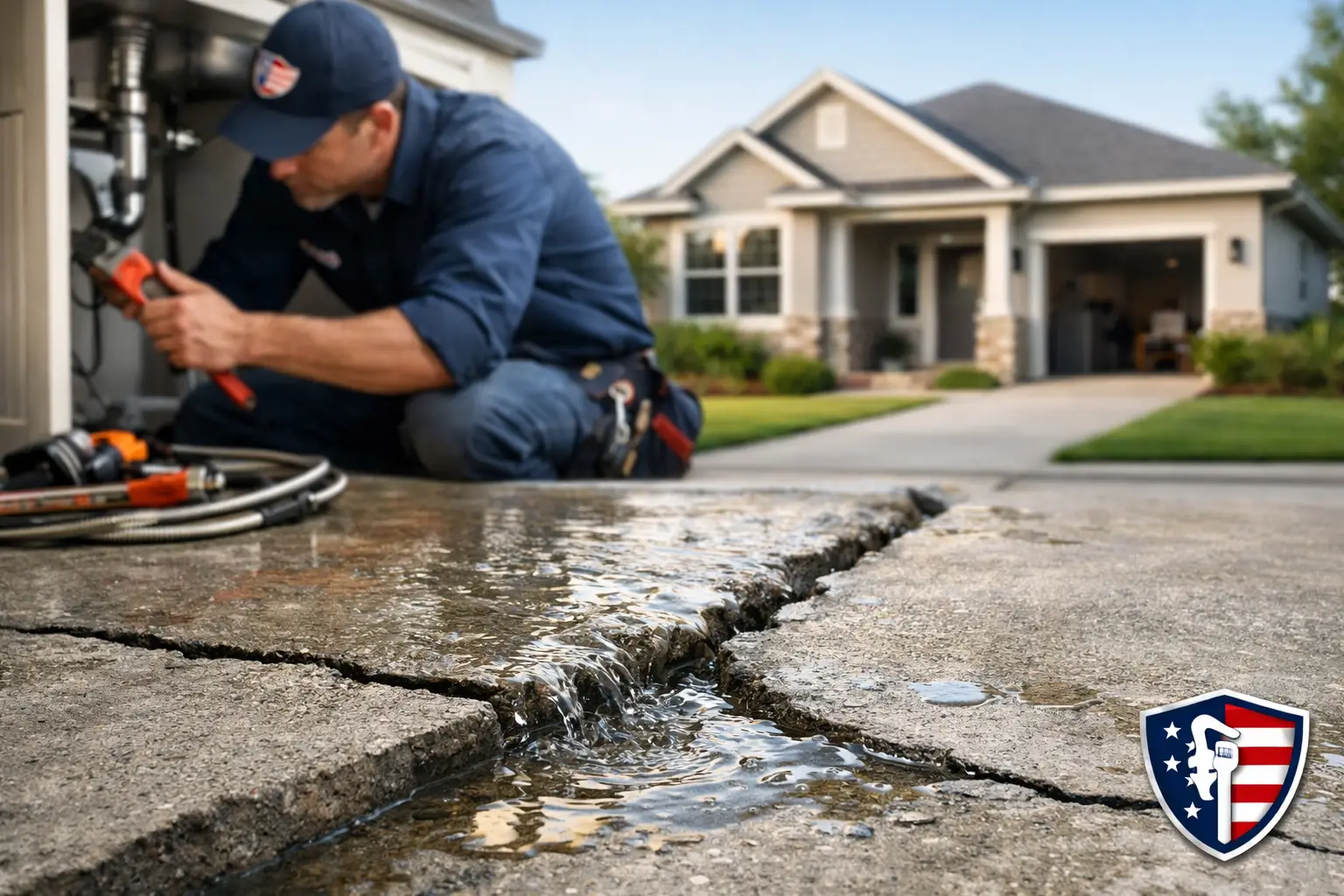
Do not wait for a full backup if you are seeing repeated warning signs. A sewer camera inspection is especially worthwhile when multiple drains are slow, toilets bubble while other fixtures run, or drain cleaning only solves the problem briefly. Unexplained wet areas, foul sewer odors outdoors, and unusually green patches of grass can also point to a damaged underground sewer line.
Older homes may have aging cast iron, clay, Orangeburg, or other materials that are more vulnerable to cracking, root intrusion, corrosion, or collapse. Homes with mature trees also deserve attention because roots naturally seek the moisture and nutrients around small pipe openings.
A single slow sink does not automatically mean the main sewer line has failed. But when the issue affects more than one fixture, or when wastewater appears in a tub or shower after flushing, treat it as urgent. Continued use can make a backup worse and increase cleanup costs.
Why Inspection Comes Before Replacement
Trenchless technology is a practical solution, not a one-size-fits-all answer. A line with a major belly, complete collapse, improper slope, or complex connection problem may require a different repair approach. In some cases, targeted excavation is the better long-term choice because it allows the damaged section and underlying conditions to be corrected directly.
The goal is not to sell a particular method. The goal is to restore reliable sewer flow with the least disruption that makes sense for the condition of your home. American Plumbing Service helps homeowners understand the problem clearly, compare realistic options, and move forward with a straightforward estimate.
If you suspect a sewer line problem, keep water use to a minimum until the line can be evaluated. A timely camera inspection can separate a manageable blockage from a damaged sewer line and help you protect your home before a small warning turns into a messy backup.