A sewer backup rarely starts with sewage on the floor. It usually starts with a toilet that bubbles after flushing, a shower that drains slowly, or water appearing in a low tub when the washing machine runs. Knowing how to prevent sewer backups means recognizing those early warnings and taking action before a small drainage issue becomes a messy, expensive emergency.
For homeowners in Menifee, Murrieta, Temecula, and nearby communities, prevention comes down to three things: what goes into your drains, the condition of your sewer line, and how quickly you respond when fixtures begin acting differently.
Keep Problem Materials Out of Drains
Your home’s sewer line is designed to carry wastewater and toilet paper. It is not built to handle grease, wipes, hygiene products, paper towels, or large amounts of food waste. Even products labeled “flushable” can catch on rough pipe surfaces, roots, or an existing buildup and create a blockage farther down the line.
Kitchen grease is one of the most common causes of preventable clogs. It may go down the drain as a warm liquid, but it cools inside the pipes and sticks to the walls. Over time, grease collects soap residue and food particles until water can no longer move through freely. Let grease cool in a container, then throw it in the trash instead of rinsing it into the sink.
In bathrooms, only toilet paper and human waste should be flushed. Keep wipes, cotton swabs, dental floss, feminine products, and paper towels out of the toilet. These items do not break down like toilet paper, and they can create stubborn blockages in either a branch drain or the main sewer line.
Garbage disposals can help with small scraps, but they are not a replacement for the trash can. Fibrous foods, coffee grounds, eggshells, pasta, rice, and large quantities of scraps can contribute to kitchen drain problems. Scrape plates into the trash first, then use cold water while running the disposal.
Watch for Early Sewer Backup Warning Signs
A single slow sink may be a local drain clog. When several fixtures act up at once, the issue may be in the main sewer line. That distinction matters because a main line blockage can affect every drain in the house.
Call for service promptly if you notice gurgling toilets, water backing up into a shower or tub, repeated toilet clogs, sewage odors near drains, or multiple slow drains. A low fixture is often the first place wastewater appears because it has nowhere else to go. For example, a load of laundry that causes water to rise in the downstairs shower is a strong sign that the sewer line needs attention.
Do not keep running water to “test” the problem. Avoid flushing toilets, using the dishwasher, running the washing machine, or taking showers until the line has been checked. Continued water use can turn a contained drain issue into an indoor backup.
Schedule Drain Cleaning Before a Major Clog
Regular drain cleaning is one of the most practical ways to prevent sewer backups, especially for homes with older pipes, large families, mature landscaping, or a history of recurring clogs. The right schedule depends on your home. A newer home with no drainage issues may only need service when warning signs appear, while an older property with root intrusion may benefit from periodic maintenance.
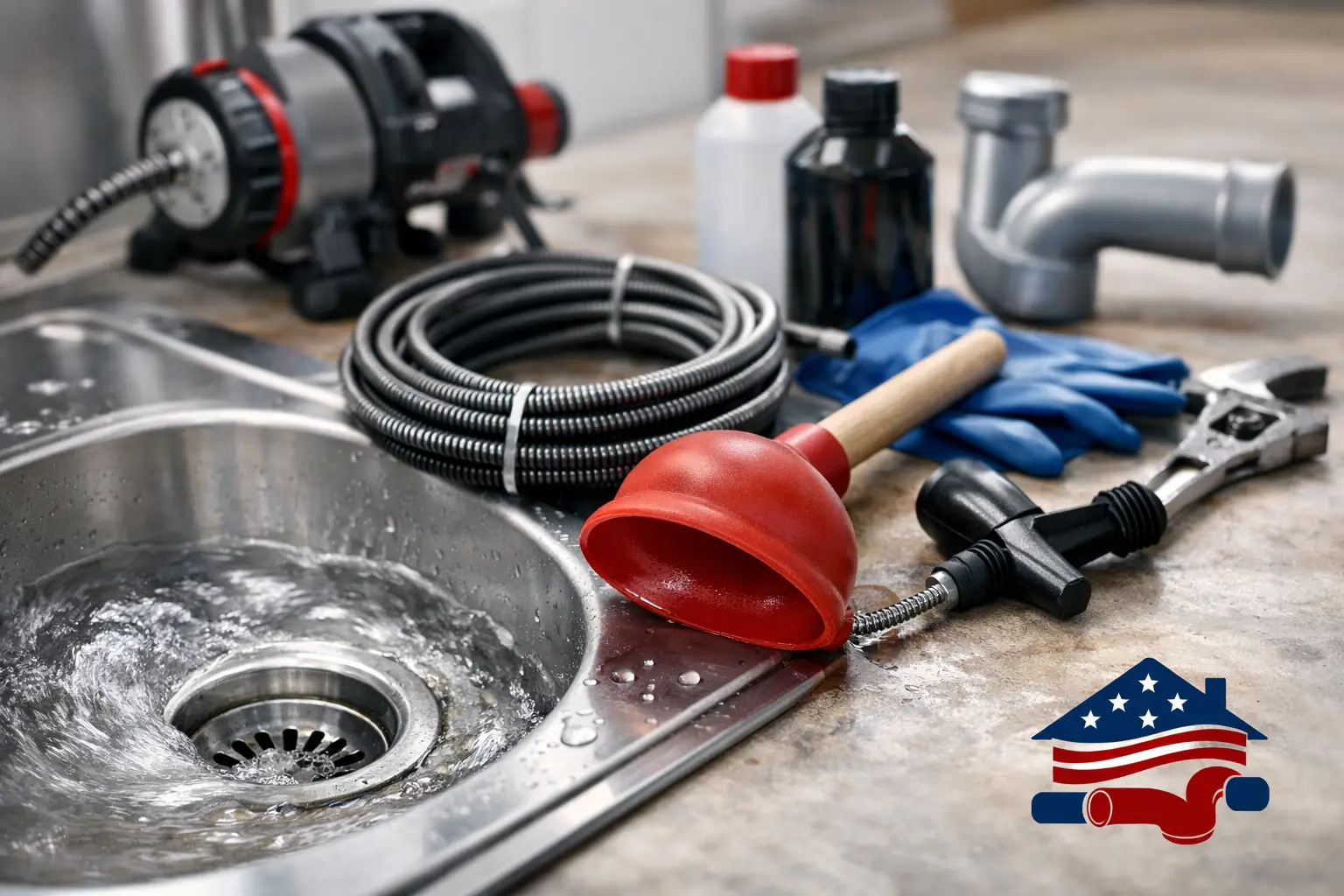
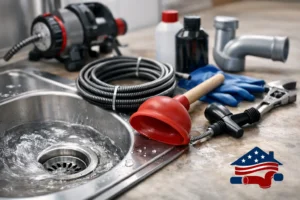
Professional drain cleaning removes buildup that store-bought products often leave behind. Chemical drain cleaners can damage certain pipes, create heat inside a blockage, and pose a safety risk if they splash back during service. They also rarely solve the underlying cause of a recurring clog.
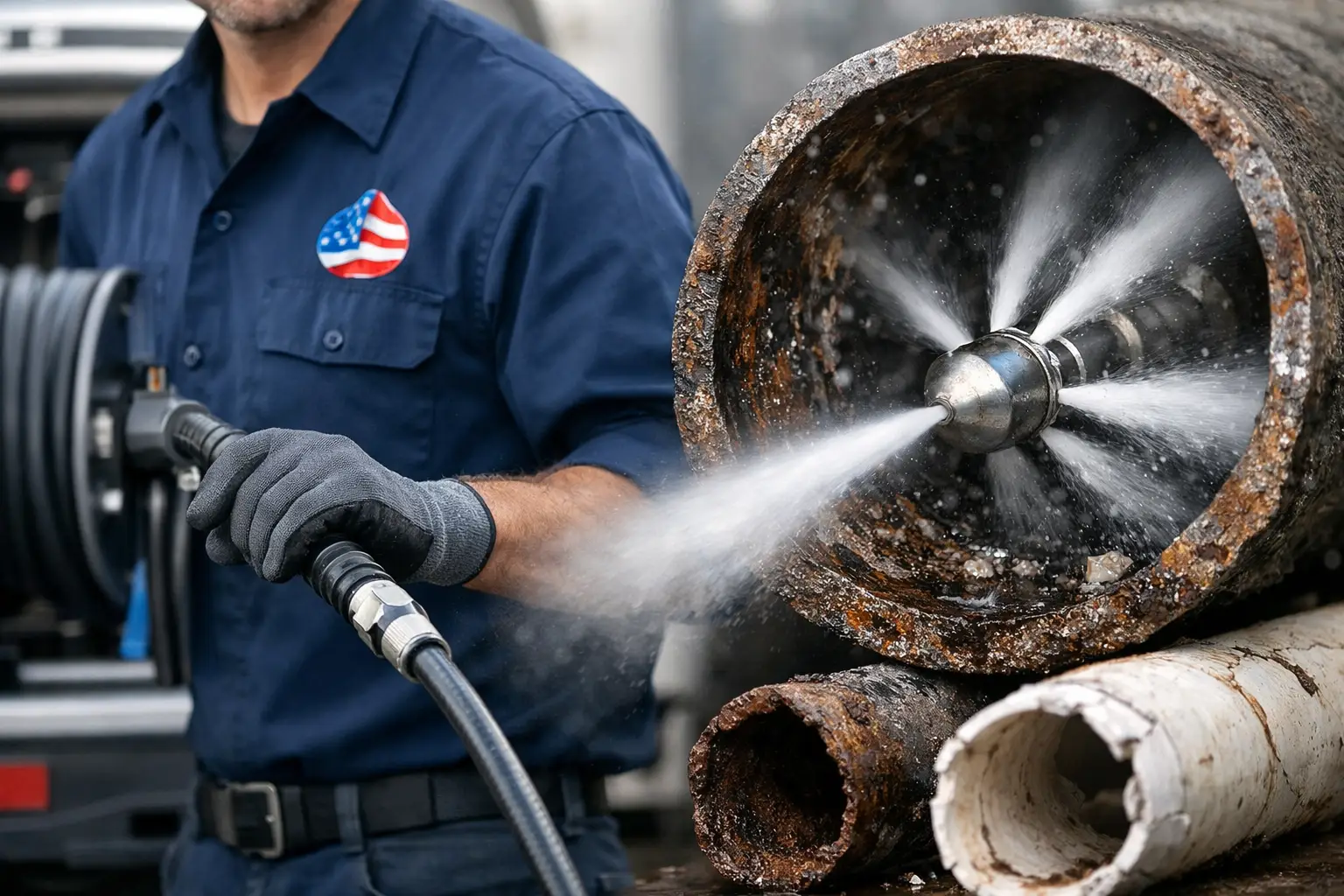
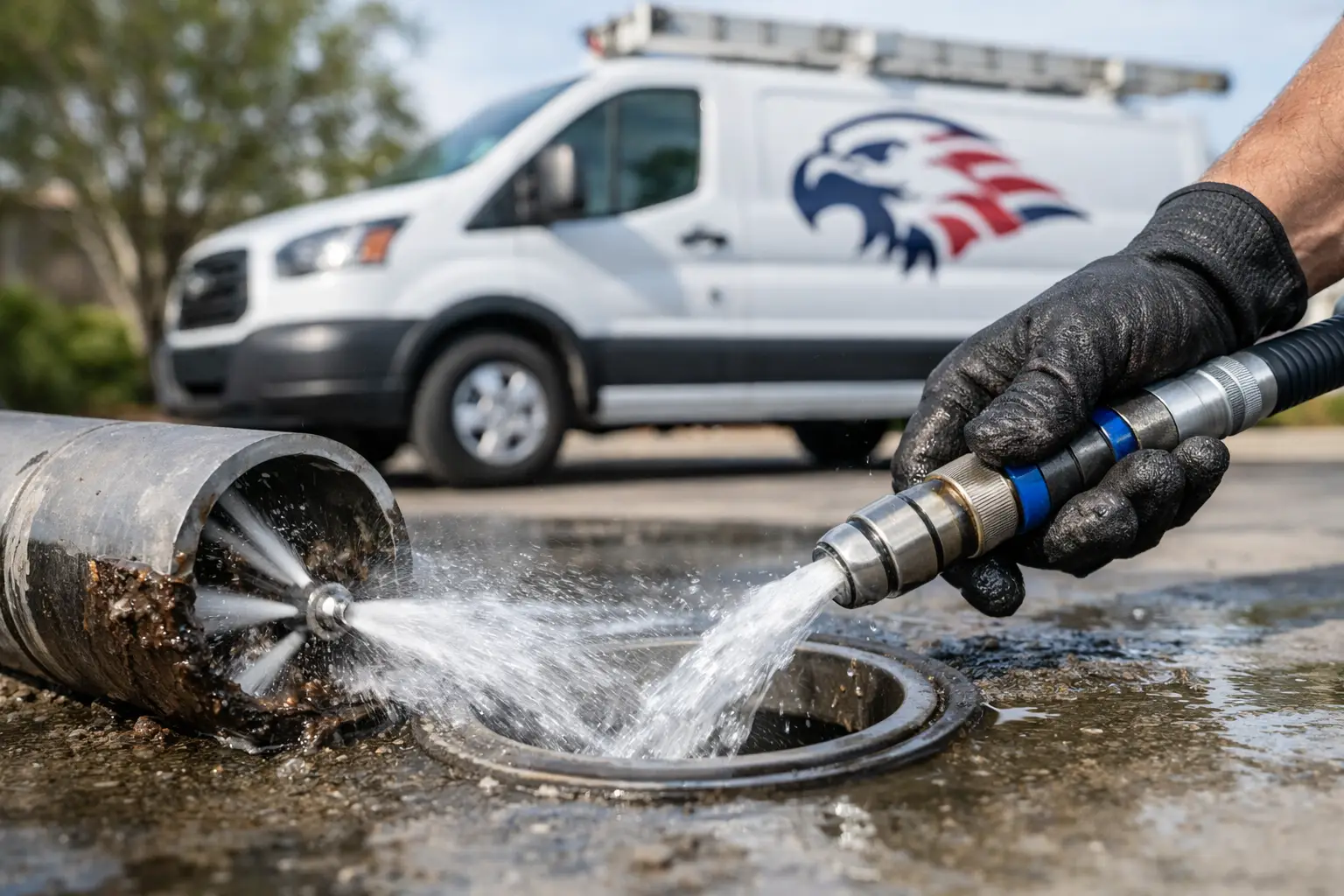
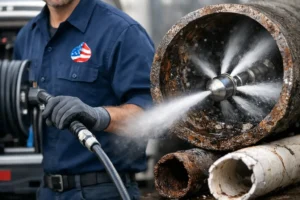
For heavy grease, scale, or root buildup, hydro-jetting may be the better solution. This process uses controlled high-pressure water to clean the inside of the pipe. It is highly effective when the pipe is in suitable condition, but it should follow a professional assessment. If a sewer line is cracked, badly deteriorated, or collapsed, cleaning alone will not provide a lasting repair.
Get a Sewer Camera Inspection When Problems Repeat
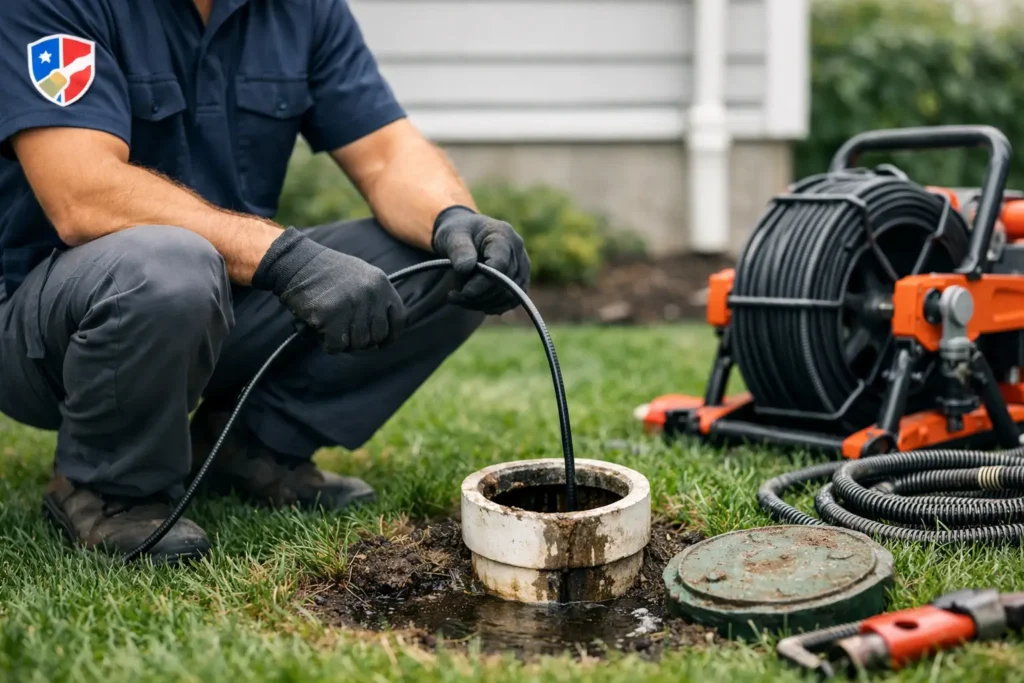
Recurring clogs are not normal maintenance. They are a reason to find out what is happening inside the line. A sewer camera inspection allows a plumber to see whether the problem is grease buildup, invading roots, a broken pipe, a sagging section of line, or an obstruction that needs to be removed.
This is especially valuable before purchasing a home, after repeated drain backups, or when a property has mature trees near the sewer route. Tree roots naturally seek moisture, and even a small opening at a pipe joint can attract them. Once roots enter, they expand and catch paper and debris until drainage slows or stops.
A camera inspection also helps prevent unnecessary digging. If the line only needs cleaning, you can address that problem directly. If the pipe is damaged, the inspection provides clear information about the location and severity of the issue so you can make an informed repair decision.
Protect the Line Outside Your Home
Some sewer backup causes are outside the house, but they can still be managed. Keep trees and large shrubs away from the sewer line when planning landscaping. If you already have mature trees, a plumber can inspect the line and recommend maintenance based on root activity and pipe condition.
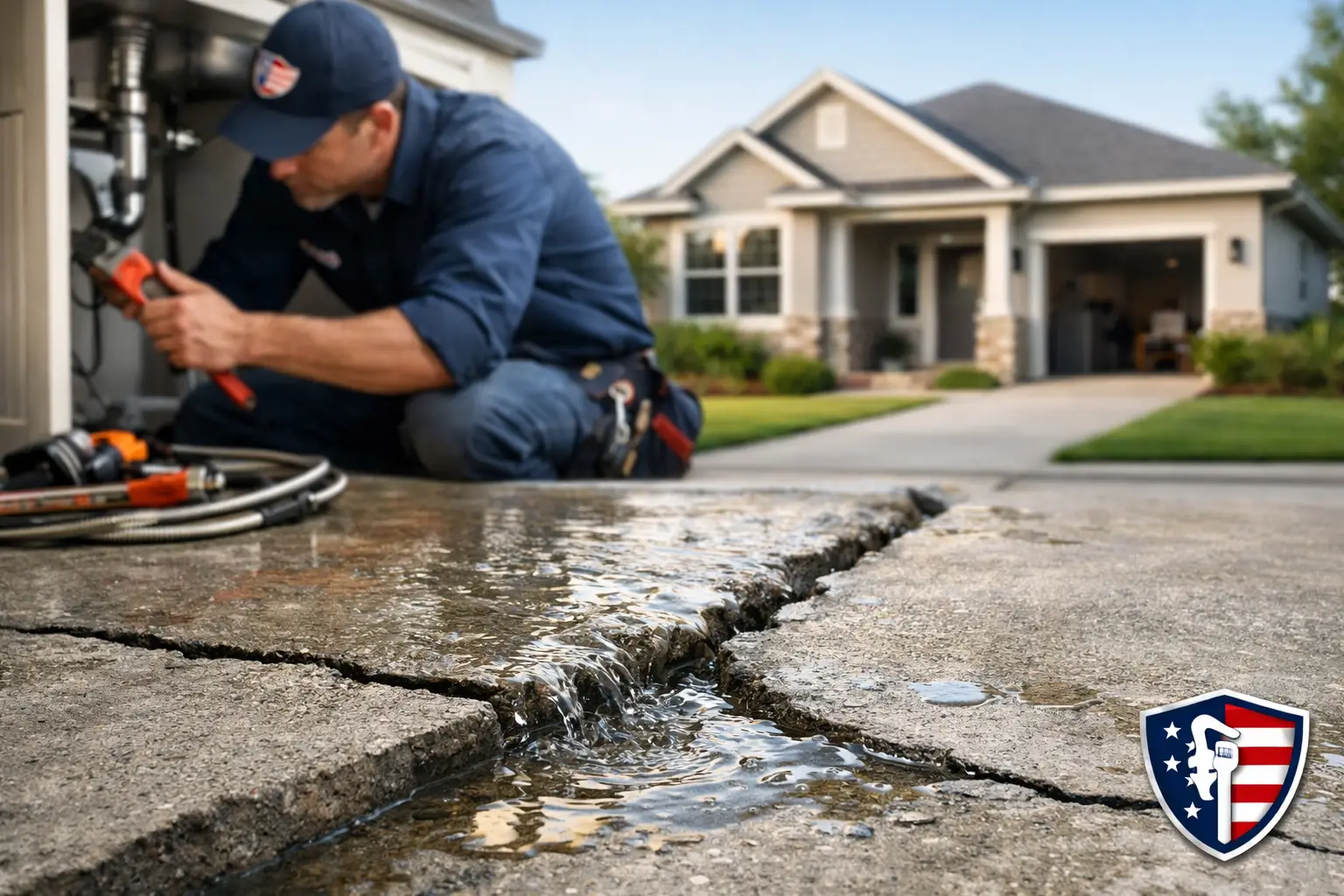
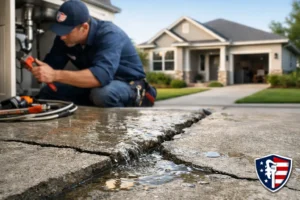
Avoid driving heavy vehicles or placing permanent structures over the sewer route. Excess weight can damage vulnerable pipes, particularly older clay, cast iron, or Orangeburg lines. If you are installing a pool, patio, shed, or major landscaping feature, know where the sewer line runs before construction begins.
For homes in areas that experience heavy rain or have a history of municipal sewer overload, ask a qualified plumber whether a backwater valve is appropriate. This device can help stop sewage from flowing backward into the home when the public sewer system is overwhelmed. It is not needed for every property, and it must be installed correctly and maintained, but it can be valuable in the right situation.
Know When Cleaning Is Not Enough
Drain cleaning removes obstructions. It cannot repair a collapsed, offset, corroded, or severely cracked sewer line. If clogs return soon after cleaning, if roots repeatedly grow back, or if a camera inspection shows structural damage, repair or replacement may be the more cost-effective choice.
Trenchless sewer replacement can often replace a damaged line with less disruption than traditional excavation. Whether it is the best option depends on the pipe condition, access, depth, and layout of your property. A clear inspection and straightforward estimate should come before any major sewer work.
What to Do If a Backup Starts
If sewage or wastewater begins coming up through a drain, stop all water use immediately. Keep children and pets away from the affected area, since wastewater can contain harmful bacteria. If safe to do so, turn off the water supply to appliances that may automatically run, such as an irrigation system or washing machine.
Do not attempt to clear a suspected main sewer clog with a plunger, chemical cleaner, or a rented machine unless you know exactly what you are dealing with. Improper use can make the mess worse, damage the line, or create a hazard inside the home. A professional sewer inspection and drain clearing service can identify the blockage and restore flow without guesswork.
A sewer backup is stressful, but it is often preventable with a few consistent habits and timely service. When drains start gurgling, slowing down, or backing up into another fixture, treat it as an early call for help. American Plumbing Service can inspect the line, explain what is causing the problem, and help protect your home before wastewater reaches the floor.