A sewer line problem usually starts with something that feels manageable – one slow drain, a toilet that gurgles, a smell you can’t quite place. Then it turns into repeated backups, soggy spots in the yard, or plumbing problems that keep coming back. This homeowner guide trenchless sewer replacement is here to help you understand when trenchless repair makes sense, what the process looks like, and how to make a smart decision before the damage gets worse.
For many homeowners, the biggest worry is not just the sewer line itself. It’s the thought of tearing up the lawn, driveway, patio, or landscaping to reach it. That’s exactly why trenchless sewer replacement has become a practical solution for residential properties. In the right situation, it allows a plumber to replace a damaged sewer line with far less digging than a traditional full trench excavation.
What trenchless sewer replacement actually means
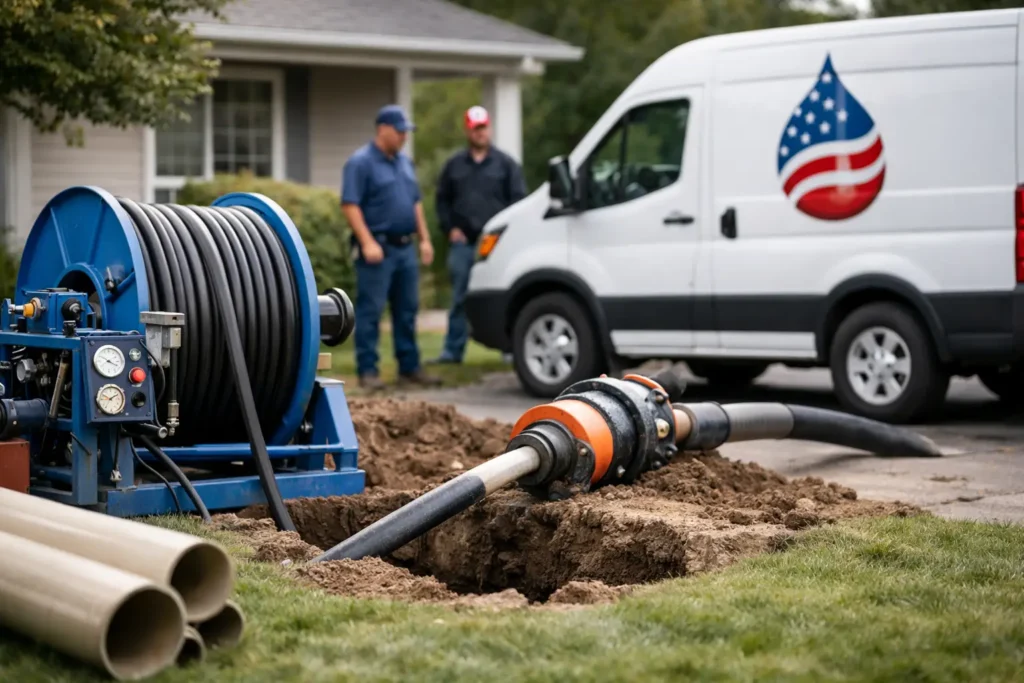
Trenchless sewer replacement is a method of replacing an underground sewer pipe without opening a long trench across the property. Instead of digging up the entire line, plumbers typically access the pipe through one or two entry points. From there, they use specialized equipment to either pull a new pipe into place or create a new pipe path underground.
For homeowners, the value is simple. Less digging usually means less mess, less disruption, and less repair work to your property afterward. That can matter a lot if the sewer line runs under concrete, hardscaping, mature trees, or areas you’ve already invested money in.
That said, trenchless does not mean no digging at all. It usually means strategic digging instead of full excavation. A dependable plumber should explain that clearly from the start so expectations are realistic.
Homeowner guide trenchless sewer replacement: when it makes sense
Trenchless replacement is often recommended when a sewer line is badly cracked, collapsed, offset, or heavily invaded by roots, but the property conditions make traditional excavation especially disruptive. It can also be a strong option when repeated drain cleaning has stopped being a real fix.
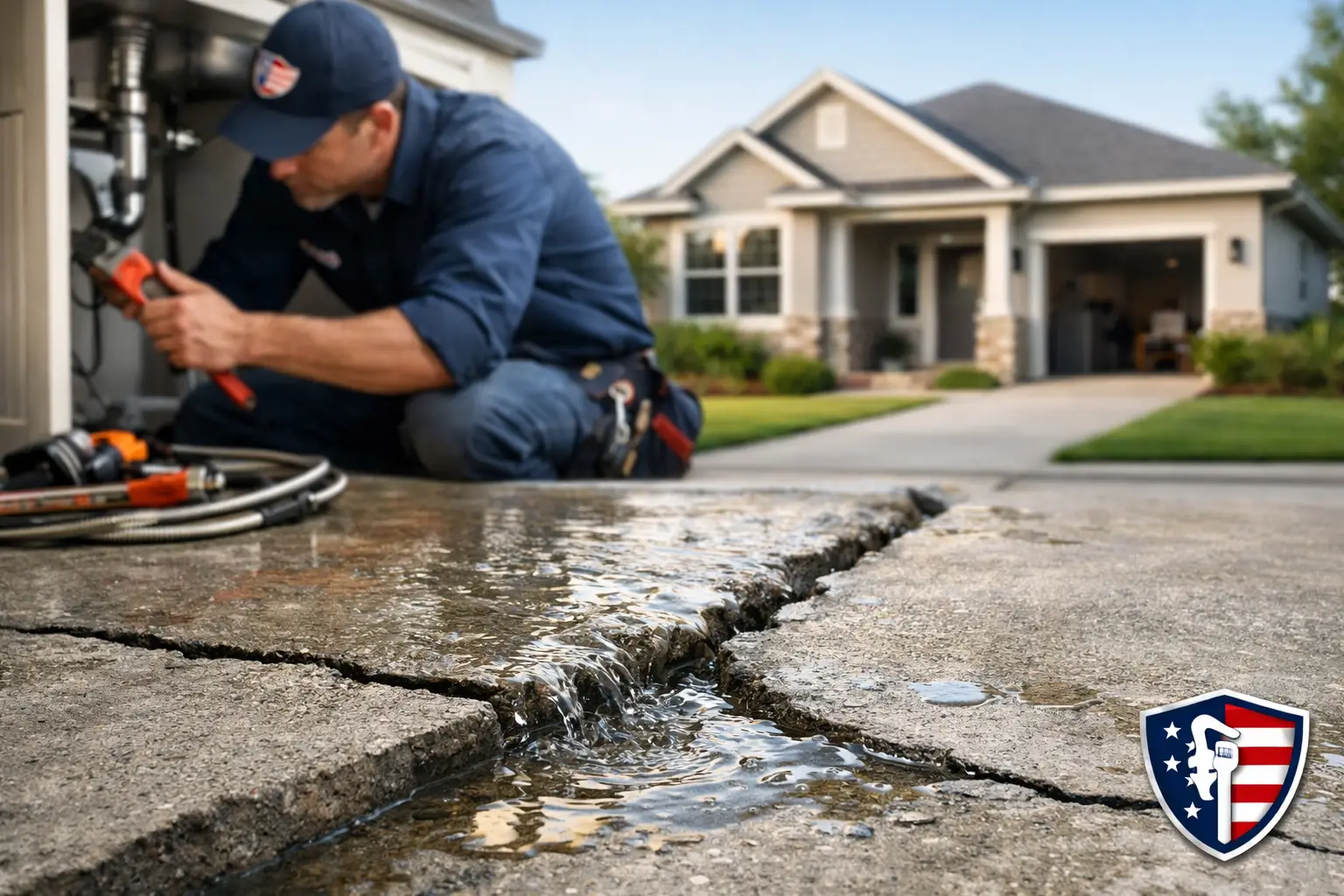
Common signs that point to a sewer line replacement issue include drains backing up in multiple fixtures, sewage odors inside or outside the home, wet patches in the yard, unusually green grass over the sewer path, and frequent clogs that return shortly after clearing. If more than one drain is acting up at the same time, the problem may be in the main sewer line rather than in a single branch drain.
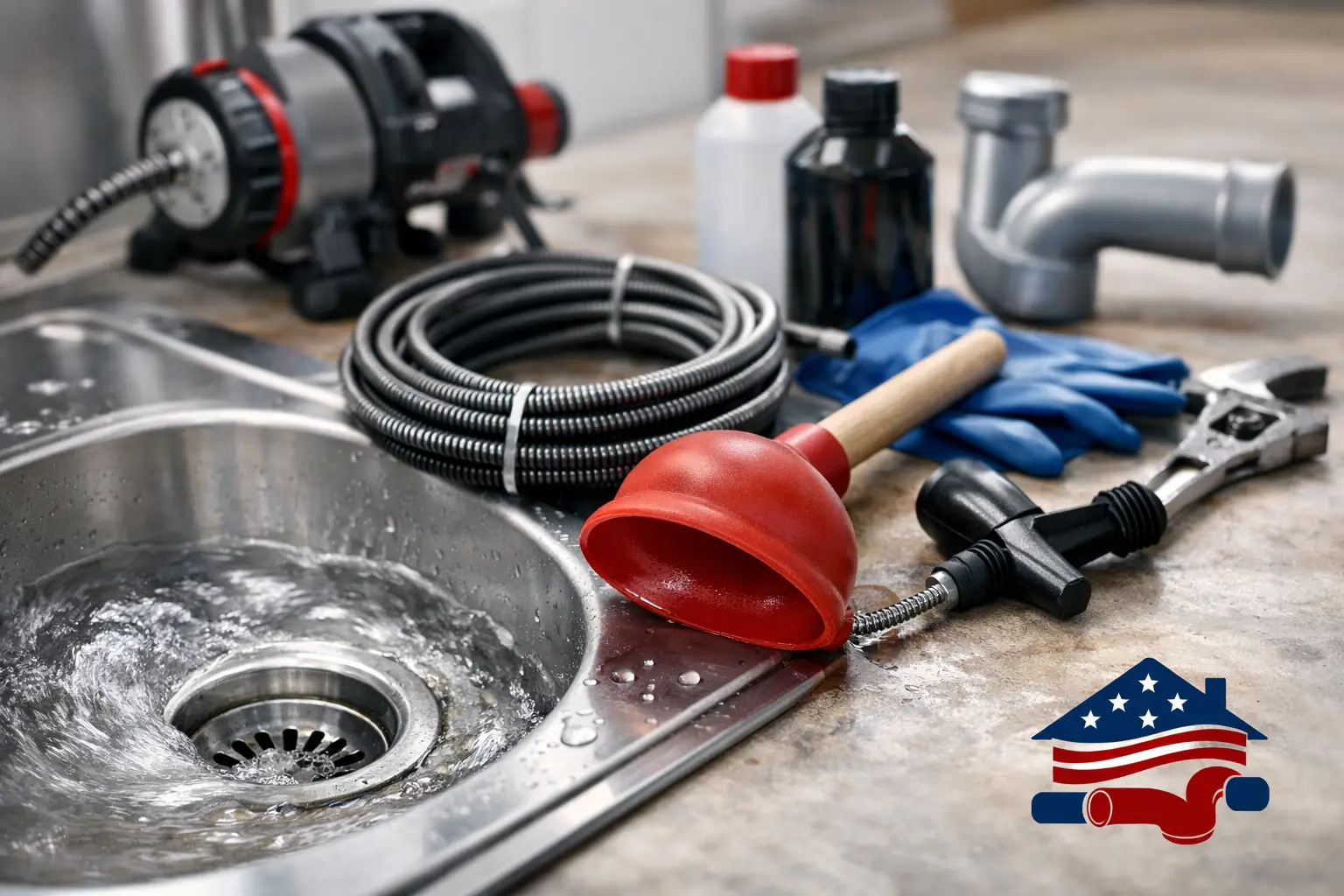
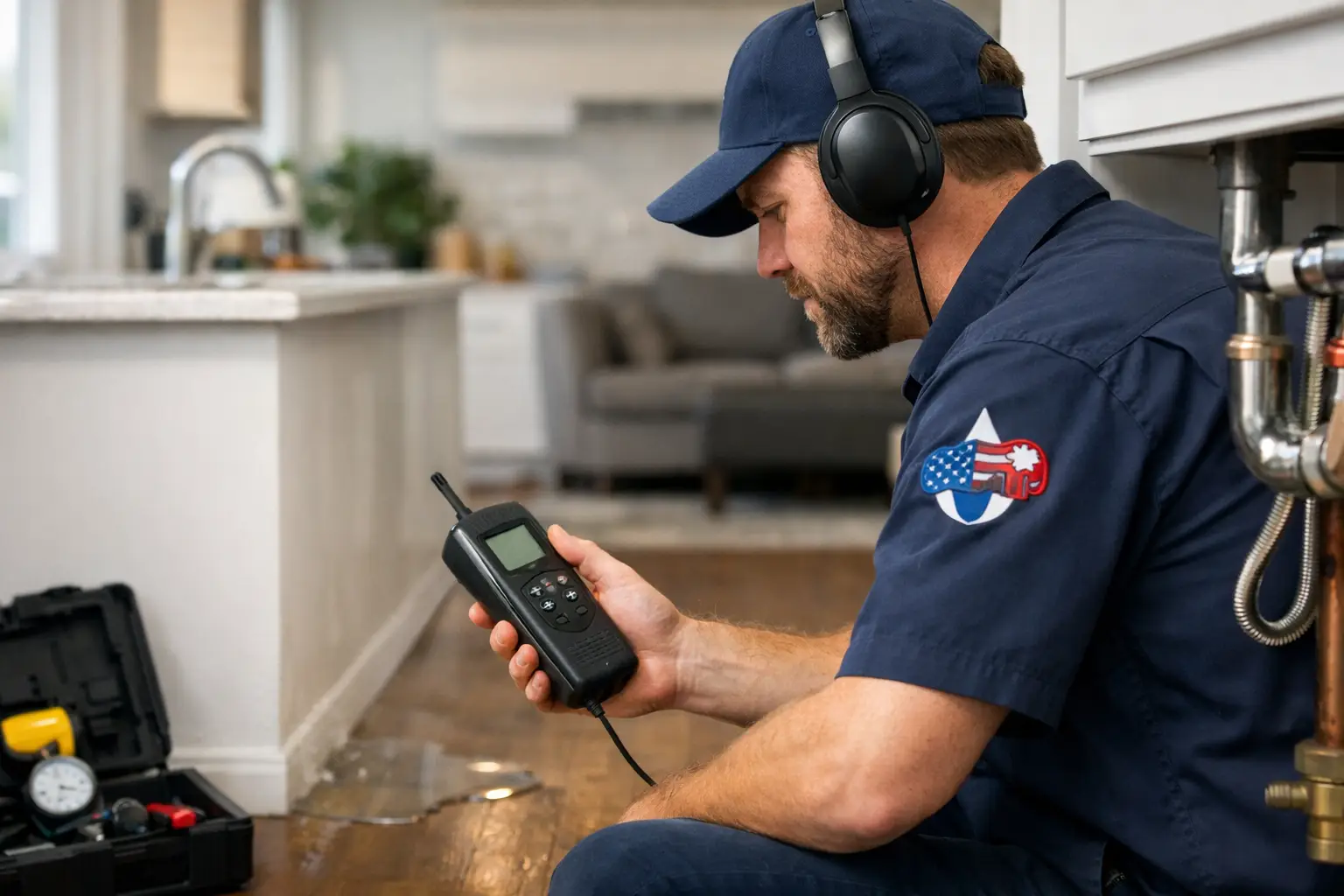
A camera inspection is usually the first step. This matters because trenchless replacement is not the answer for every sewer problem. Some lines can still be cleaned and restored. Others are too damaged, too misaligned, or too poorly sloped to repair effectively. The inspection shows what’s happening underground so the recommendation is based on evidence, not guesswork.
The two main trenchless methods homeowners should know
Most residential trenchless sewer replacements use either pipe bursting or cured-in-place solutions, though replacement projects often lean toward pipe bursting when the line needs a full new pipe.
Pipe bursting
Pipe bursting replaces the old line by breaking it apart while pulling a new pipe into the same path. This method works well when the existing pipe is damaged but the route of the line still makes sense. It is often used for older clay or brittle sewer pipes that have cracked, shifted, or allowed root intrusion.
The main advantage is that you get a new pipe, not just a patched interior surface. It can also preserve much of the yard and surrounding structures compared with open trench digging. The trade-off is that site conditions matter. If the pipe has completely collapsed in a way that blocks the path, or if there are utility conflicts nearby, another approach may be needed.
Pipe lining
Pipe lining creates a new inner layer inside the existing pipe. In some situations, this can restore function without replacing the entire line through excavation. It is less invasive, but it depends heavily on the condition of the original pipe. If the host pipe is too deformed or collapsed, lining may not be possible.
For homeowners, the key difference is simple. Pipe bursting replaces the pipe. Lining rehabilitates it from the inside. A trustworthy plumber will explain which option fits the actual damage found on the camera inspection.
What the process looks like from start to finish
The job usually starts with a sewer camera inspection and a layout review of the property. Your plumber should identify where the line runs, how deep it is, what kind of pipe is there, and whether trenchless replacement is the best fit. This is also when they should talk with you about access points, timing, permits if required, and any site-specific concerns.
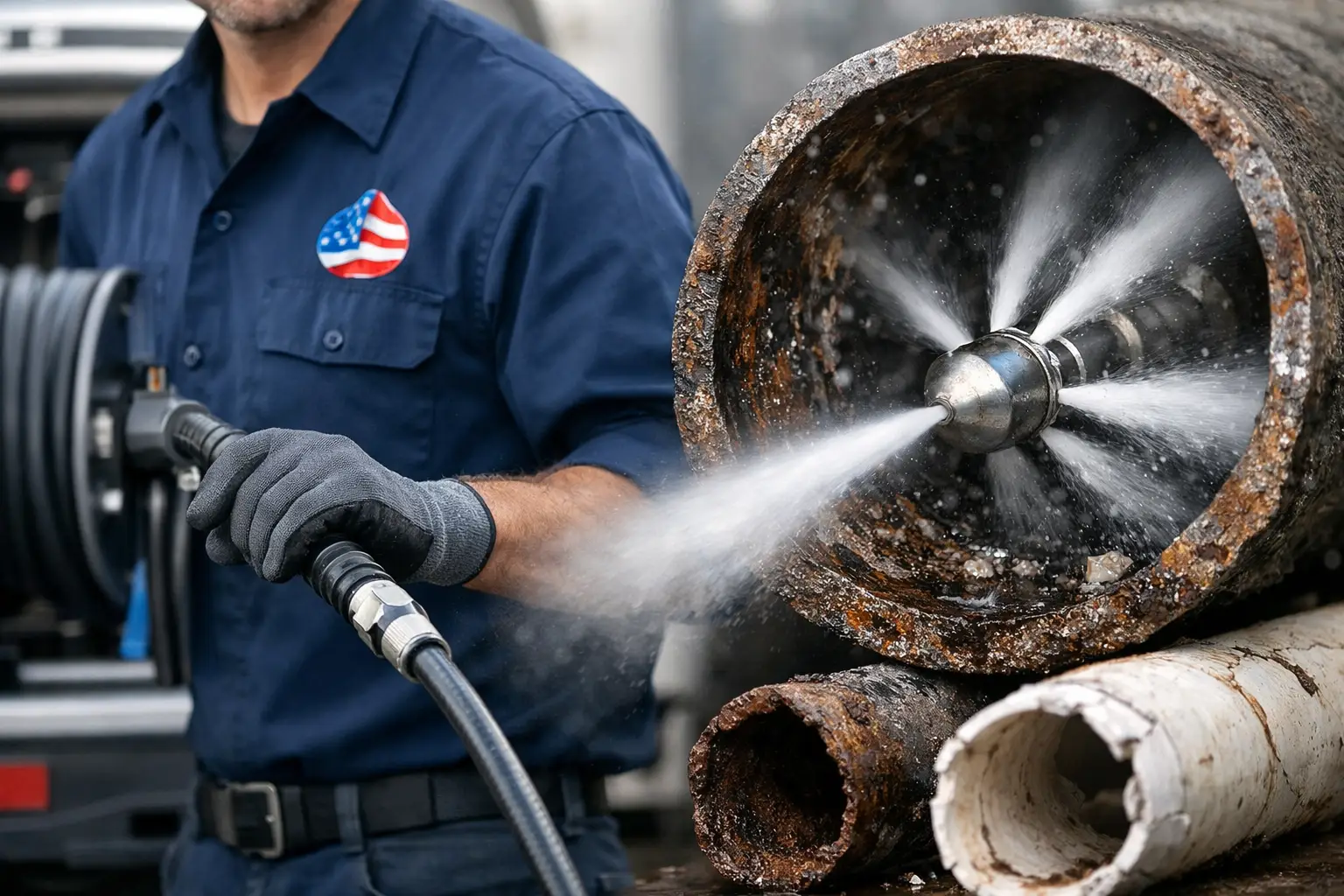
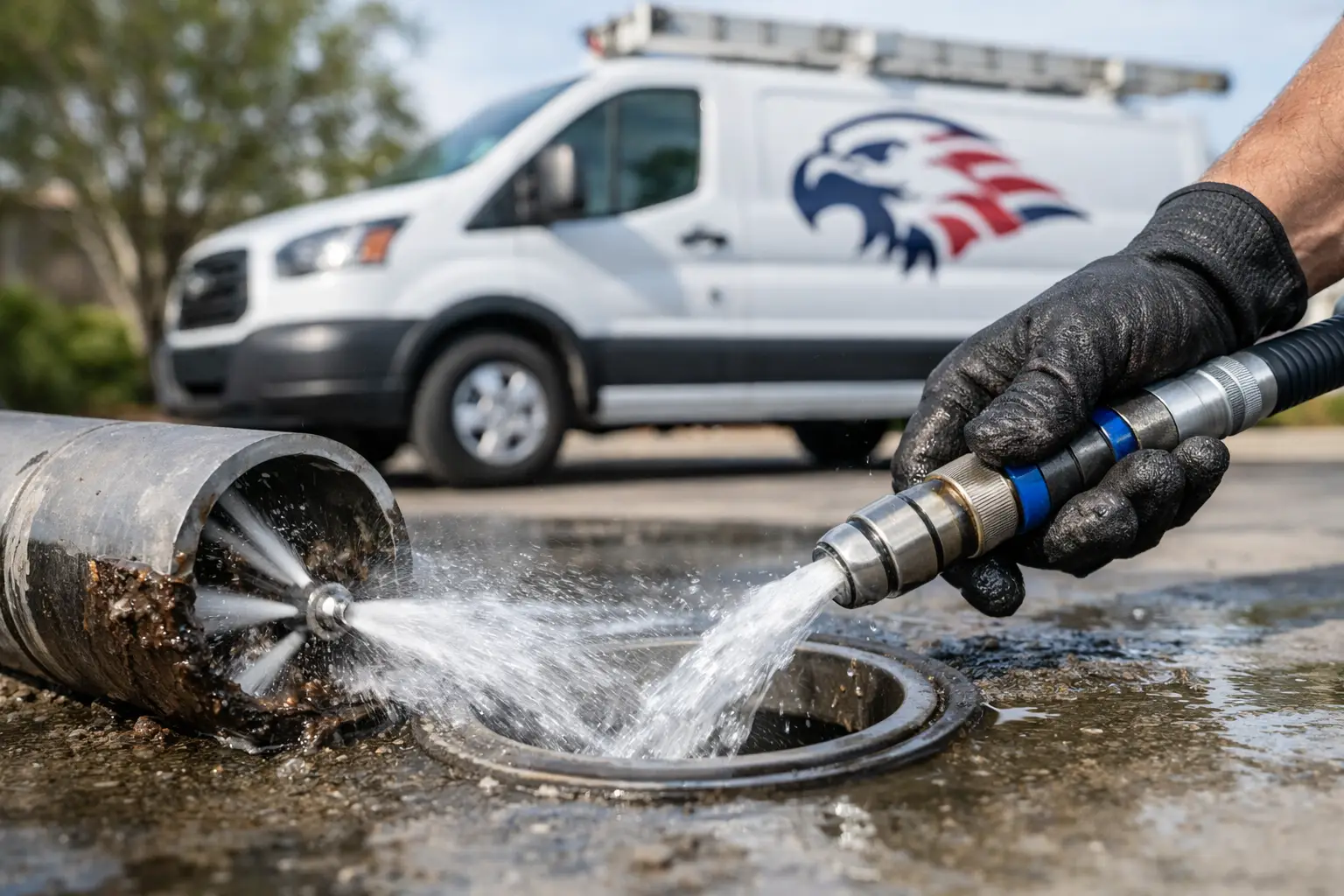
Next comes preparation. In many cases, one or two access holes are dug. The old line may be cleaned first, especially if roots, debris, or buildup are blocking equipment access. Once the line is ready, the trenchless equipment is set up and the replacement or lining process begins.
After installation, the new line is tested and often inspected again with a camera. This final verification matters. You want confirmation that the pipe is continuous, properly connected, and flowing as it should. Afterward, the access areas are backfilled, and any limited surface disruption is addressed.
For many residential jobs, the process can move much faster than a traditional excavation. But timing still depends on line length, depth, local permitting, and how complex the site is. A same-day start may be possible in urgent cases, but homeowners should expect the schedule to depend on what the inspection reveals.
Cost factors homeowners should expect
The first question most people ask is whether trenchless sewer replacement costs more. Sometimes it does, and sometimes it does not. The pipe work itself can be more specialized, but traditional digging often creates additional costs from demolition and restoration. If a standard excavation would cut through a driveway, patio, retaining wall, or mature landscaping, trenchless can make financial sense quickly.
Several factors affect price: the length and depth of the sewer line, pipe material, severity of the damage, access conditions, permit requirements, and whether there are obstacles like concrete or tree roots. The best estimate comes after an inspection, not before.
This is one reason straightforward communication matters so much. Homeowners do better when they get a clear explanation of the problem, the recommended method, and what is included in the estimate. If financing is available, that can also make an urgent sewer issue easier to handle without delaying necessary work.
Benefits, with a realistic view
The biggest benefit of trenchless sewer replacement is reduced disruption. Your yard, hardscape, and daily routine are usually impacted less than they would be with a full excavation. It can also shorten project time and reduce the amount of restoration needed after the pipe work is complete.
But trenchless is not automatically the right answer in every case. If the sewer line route needs to change, if the grade is incorrect, or if the pipe has failed in a way that prevents trenchless access, traditional excavation may still be the better long-term solution. Good plumbing advice is not about pushing one method every time. It’s about using the method that actually fits the property.
How to choose the right plumber for the job
Sewer replacement is not a service where homeowners should be left guessing. Look for a residential plumbing company that performs sewer camera inspections, explains findings clearly, and has direct experience with trenchless work. You should know what method is being proposed, why it is appropriate, and what the expected outcome is.
It also helps to choose a company that can respond quickly when the issue is urgent. Sewer problems rarely improve on their own, and delays can mean more backups, more water damage, and more disruption. If you live in Menifee or nearby communities, working with a local residential plumbing team can make scheduling, follow-up, and emergency response much easier.
American Plumbing Service approaches trenchless sewer replacement the way homeowners need it handled – clear diagnosis, practical options, and work focused on protecting the home while solving the actual problem.
When to move fast
If sewage is backing up into tubs or showers, if toilets are bubbling when other fixtures run, or if you notice a strong sewer odor around the house, it’s time to act quickly. These are not small warning signs. They often point to a main line problem that can escalate fast.
A sewer line replacement is never something homeowners look forward to, but trenchless options have made the process far less disruptive than many people expect. The sooner you get the line inspected, the sooner you can stop guessing and move toward a fix that protects your home without turning the whole yard into a construction zone.