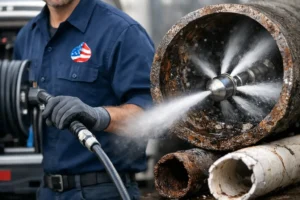
A warm spot on the floor, the sound of running water when everything is off, or a water bill that suddenly jumps for no clear reason – these are often the first clues that you may need slab leak repair Hemet homeowners can act on quickly. A slab leak is not the kind of plumbing issue that gets better with time. The longer it goes untreated, the more damage it can do to flooring, drywall, foundations, and your monthly water costs.
For homeowners, the biggest frustration is usually not knowing what is happening under the concrete. You cannot see the pipe, and the warning signs can look like other problems at first. That is why speed matters, but so does accuracy. The goal is not just to stop the leak. It is to find the right repair with the least disruption to your home.
What a slab leak actually means
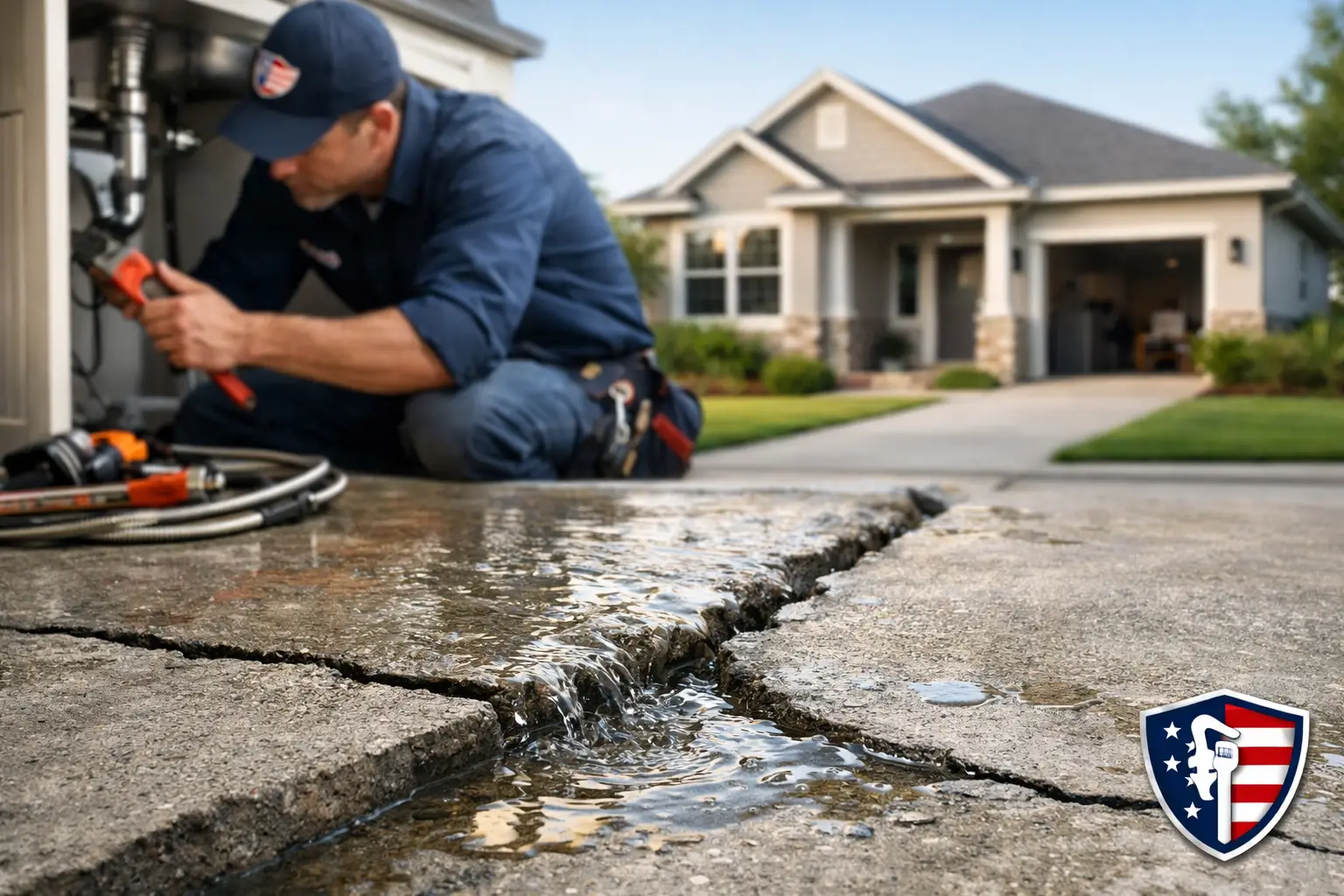
A slab leak happens when a water line beneath your home’s concrete foundation develops a leak. In many homes, water pipes run under the slab, and over time those pipes can corrode, crack, shift, or wear down. When that happens, water starts escaping below the house.
This kind of leak can be easy to miss in the beginning. Since the pipe is hidden, the damage may build slowly before becoming obvious. Some homeowners notice moisture along flooring edges. Others hear water moving inside walls or under the floor. In more serious cases, the leak can start affecting the foundation itself.
Not every under-slab leak is the same. A small pinhole leak creates one set of problems. A broken line with active water loss creates another. That is why good leak detection comes first. You need to know where the problem is, how severe it is, and whether the pipe condition suggests a one-time repair or a larger issue.
Common signs you may need slab leak repair in Hemet
The signs are usually practical, not dramatic. Your water bill may rise even though your household usage has not changed. You may notice warm or damp spots on the floor, especially if the leak involves a hot water line. Flooring can start to warp, separate, or feel soft in one area.
Some homeowners first notice mildew smells or unexplained indoor humidity. Others hear hissing, dripping, or running water when no fixtures are being used. If a leak continues long enough, you may also see cracks in walls or flooring as moisture affects the slab and surrounding materials.
It depends on the pipe location and the size of the leak. A small leak may show up mainly as higher water bills. A larger leak may start creating visible damage faster. Either way, waiting usually makes the repair more expensive because the plumbing issue turns into a flooring, drywall, or structural issue too.
Why slab leaks happen
There is rarely one single cause. In some homes, age is the main factor. Pipes naturally wear down over time, especially if the original plumbing materials are older. In other cases, shifting soil, poor installation, high water pressure, or repeated friction between the pipe and concrete contributes to the problem.
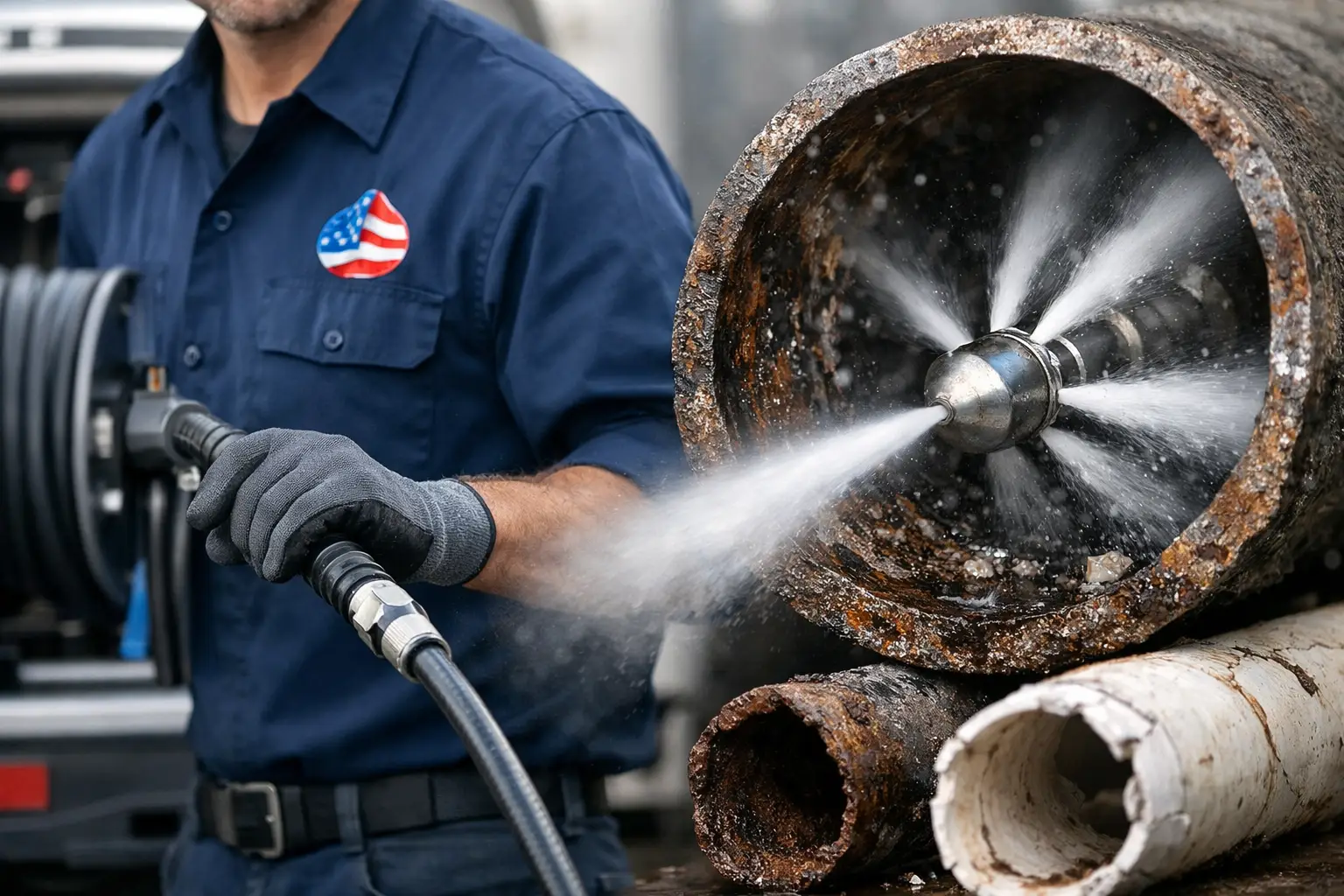
Water quality can also play a role. Mineral content and corrosion inside the pipe may weaken it from the inside out. In some homes, hot water lines are more likely to develop leaks because heat expansion adds long-term stress.
The important point for homeowners is this: fixing the visible leak does not always address the larger reason it happened. If one section fails because the whole line is aging, a spot repair may solve the immediate issue but not the long-term risk. That does not mean every home needs a full repipe. It means the repair plan should match the actual condition of the plumbing system.
Slab leak repair Hemet: how the problem is diagnosed
The first step is confirming whether the issue is really under the slab. Many leak symptoms overlap with wall leaks, irrigation leaks, or fixture problems. A professional plumber will usually begin with pressure testing, meter checks, and leak detection equipment to narrow down the source.
Once the leak is located, the next question is what type of repair makes the most sense. That decision depends on pipe material, leak location, home layout, access, and whether there are signs of multiple weak points.
This part matters because the cheapest repair is not always the best repair. If the leak is isolated and the pipe is otherwise in good shape, a direct repair may be the right call. If the line is deteriorating in multiple places, a reroute can save money and disruption over time.
Repair options and what homeowners should expect
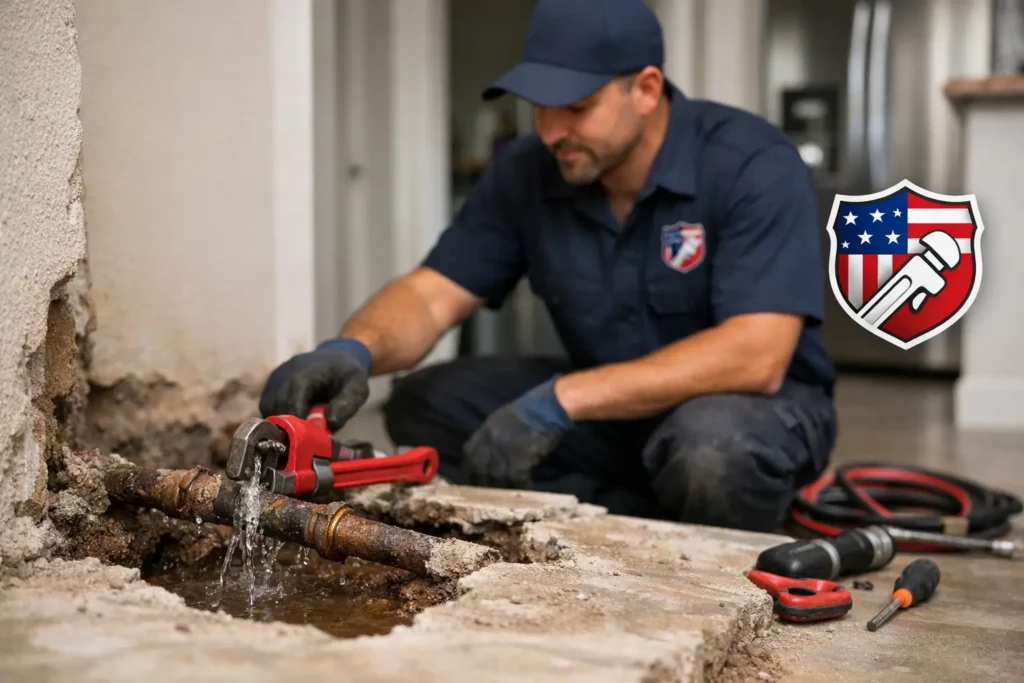
There are a few common ways to handle a slab leak. One is a direct access repair, where the plumber opens the slab at the leak location, repairs the pipe, and restores water service. This can be effective for a single, accessible leak, but it does involve breaking through concrete and repairing the area afterward.
Another option is rerouting the pipe. Instead of opening the slab and repairing the exact damaged section, the plumber creates a new route for the line through walls, ceilings, or attic spaces when possible. This can reduce future risk if the original line is vulnerable or hard to access.
In some situations, especially if the plumbing system is older and showing repeated failures, a larger repipe may be recommended. That is a bigger investment upfront, but it can prevent a cycle of recurring leaks and repeated repairs.
There is no one-size-fits-all answer. A direct repair may be faster and cost less today. A reroute may be the smarter long-term move. A good plumber should explain the trade-offs clearly so you can make the decision based on your home, not guesswork.
Why fast action matters
A slab leak is not just about wasted water. Ongoing moisture below the home can damage flooring materials, weaken adhesives, encourage mold growth, and create indoor comfort issues. In more severe cases, long-term water intrusion can contribute to foundation movement or cracking.
That is why homeowners who act early usually have more options. When the problem is caught sooner, the damage is often more contained. You may be able to repair the plumbing before it affects larger areas of the home. Waiting tends to narrow your choices and increase the final cost.
For families with busy schedules, another concern is disruption. The sooner the issue is identified, the easier it usually is to plan the repair with less stress. Emergency situations tend to happen when early warning signs are ignored for too long.
Choosing the right plumber for slab leak repair in Hemet
This is one job where experience matters. Slab leaks require accurate leak detection, clear communication, and a repair plan that fits the home. Homeowners usually want the same three things: a fast response, a straightforward estimate, and confidence that the repair will hold.
Look for a residential plumbing company that handles both leak detection and repair, not just one part of the process. That makes service easier and helps avoid delays between diagnosis and actual work. It also helps when the company can explain what is urgent, what can wait, and what repair option gives you the best value.
Local homeowners also benefit from working with a plumber who understands the housing mix and common plumbing issues in this area. Homes vary, but regional soil conditions, water quality, and aging infrastructure can all affect the way slab leaks show up and how repairs should be approached.
American Plumbing Service works with homeowners across the region on time-sensitive plumbing issues like slab leaks, emergency pipe repairs, and leak detection. What matters most in a situation like this is getting a clear answer quickly so you can protect the home and move forward.
What to do if you suspect a slab leak
If you notice the warning signs, avoid assuming it is minor and avoid tearing into flooring on your own. Start by reducing water use if the leak appears active or severe, especially if you are seeing moisture damage. Then schedule professional leak detection as soon as possible.
If the water bill has increased but there is no visible damage yet, that still deserves prompt attention. Hidden leaks are often most expensive when they stay hidden. If there is standing water, hot spots on the floor, new cracks, or a strong sound of running water, treat it as urgent.
The right next step is not panic. It is a fast, informed inspection. Once you know the location and condition of the pipe, the repair path becomes much clearer.
A slab leak can feel overwhelming because the problem is out of sight, but the solution does not have to be. When you respond early and work with an experienced residential plumber, you give yourself the best chance to stop the damage, control the cost, and get your home back to normal.