A small leak under the sink can often be repaired in one visit. But a recurring leak, rusty water, or a sudden drop in water pressure may point to a bigger issue inside your plumbing system. Knowing when should pipes be replaced helps you act before a hidden failure damages walls, flooring, cabinets, or your home’s foundation.
Pipe replacement is not always the first answer. Many plumbing problems have a targeted repair that makes sense and protects your budget. The key is finding out whether the issue is isolated or whether your pipes are reaching the end of their useful life. A professional inspection gives you a clear answer and a straightforward estimate before damage has a chance to spread.
When Should Pipes Be Replaced Instead of Repaired?
A repair is usually the right choice when damage is limited to one accessible section of pipe. For example, a loose fitting, a pinhole leak in a newer system, or a pipe damaged by a recent accident can often be fixed without replacing larger sections.
Replacement becomes the better long-term decision when failures keep happening, pipes have widespread corrosion, or the material is known to be near the end of its expected service life. Replacing a failing section may stop today’s leak, but it will not prevent the next weak spot from opening nearby.
The condition of the entire system matters more than one visible leak. A plumber can inspect exposed piping, test water pressure, look for corrosion, and use leak detection methods to determine whether the problem is local or system-wide.
Warning Signs Your Home’s Pipes May Be Failing
Pipes rarely fail without leaving clues. Some signs are obvious, such as water pooling beneath a sink. Others show up gradually and can be easy to overlook until they become expensive.
Frequent Leaks in Different Areas
One repaired leak does not necessarily mean your home needs repiping. However, leaks occurring in multiple rooms or on different pipe runs are a concern. Repeated pinhole leaks often indicate corrosion from the inside out, especially in older copper pipes.
If you have paid for several leak repairs within a short period, ask whether continued spot repairs are still cost-effective. There is a point where investing in replacement prevents ongoing service calls, water damage, and disruption.
Discolored, Rusty, or Metallic-Tasting Water
Brown, yellow, or reddish water can indicate rust inside galvanized steel pipes. Water that looks clear at first but changes color after sitting overnight is another common clue. A metallic taste may also point to aging pipe materials.
Discoloration can sometimes come from the water heater rather than the pipes, so it should be diagnosed correctly. If the issue appears only with hot water, the water heater may be the source. If it affects both hot and cold water throughout the house, aging supply lines deserve closer attention.
Low Water Pressure That Keeps Getting Worse
Low pressure can be caused by a partially closed valve, a leak, or a fixture issue. But if pressure is weak at several fixtures and has gradually declined over time, mineral buildup or internal corrosion may be restricting the pipes.
Galvanized pipes are especially prone to narrowing as corrosion accumulates inside. Replacing a faucet will not solve a supply line that has become blocked internally.
Noisy Pipes, Damp Areas, or Higher Water Bills
Banging, whistling, or hissing pipes may signal pressure problems, loose lines, or a hidden leak. Warm spots on the floor, damp carpet, peeling paint, mildew odors, or unexplained increases in your water bill should be treated as urgent warning signs.
These symptoms can indicate a leak behind a wall or beneath a slab. Quick leak detection and repair can limit damage. If a slab leak is tied to deteriorating pipes throughout the home, a larger replacement plan may be safer than repeated repairs below the foundation.
Visible Corrosion or Damaged Pipe Connections
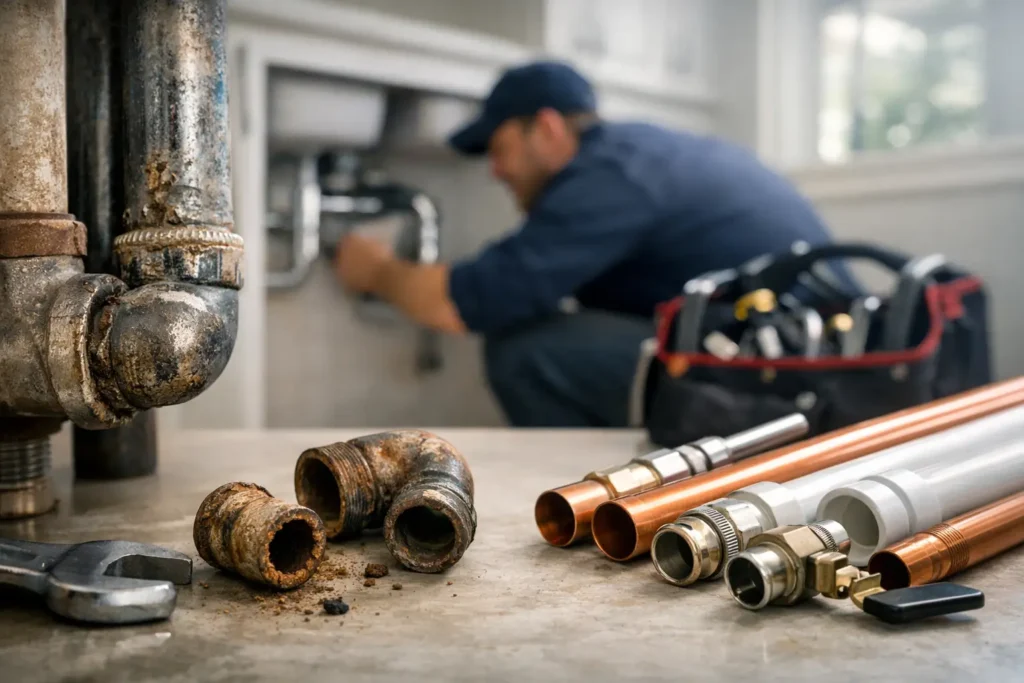
Check accessible pipes under sinks, near water heaters, in garages, and around exterior hose connections. Greenish stains on copper, flaking or rusted galvanized pipe, and corroded fittings all deserve attention.
A pipe may still be holding water when corrosion becomes visible, but its remaining lifespan is difficult to predict. Addressing worn sections before they break can prevent an emergency shutoff and costly restoration work.
Pipe Material and Age Matter
The right replacement timeline depends heavily on what your home was built with. Age alone does not determine whether a pipe has failed, but it helps put inspection findings into context.
Copper plumbing can last for decades, often 50 years or more under favorable conditions. Water chemistry, installation quality, and pressure can shorten that lifespan. Pinhole leaks and widespread corrosion are signs that older copper may need more than another patch.
Galvanized steel pipes are common in older homes and generally have a shorter practical lifespan, often around 20 to 50 years. As they corrode internally, water flow can decline and rust can affect water quality. Replacement is frequently the most reliable solution when galvanized lines begin failing.
PVC and CPVC are used in many modern plumbing systems. They do not rust, but they can become brittle with age, heat exposure, improper installation, or physical damage. Cracks, leaks at joints, and sun-damaged exterior sections should be evaluated promptly.
PEX is flexible and widely used for newer water supply systems. It can provide long service, but fittings, connections, and installation quality still matter. A leak in a PEX system does not automatically mean the whole home needs repiping.
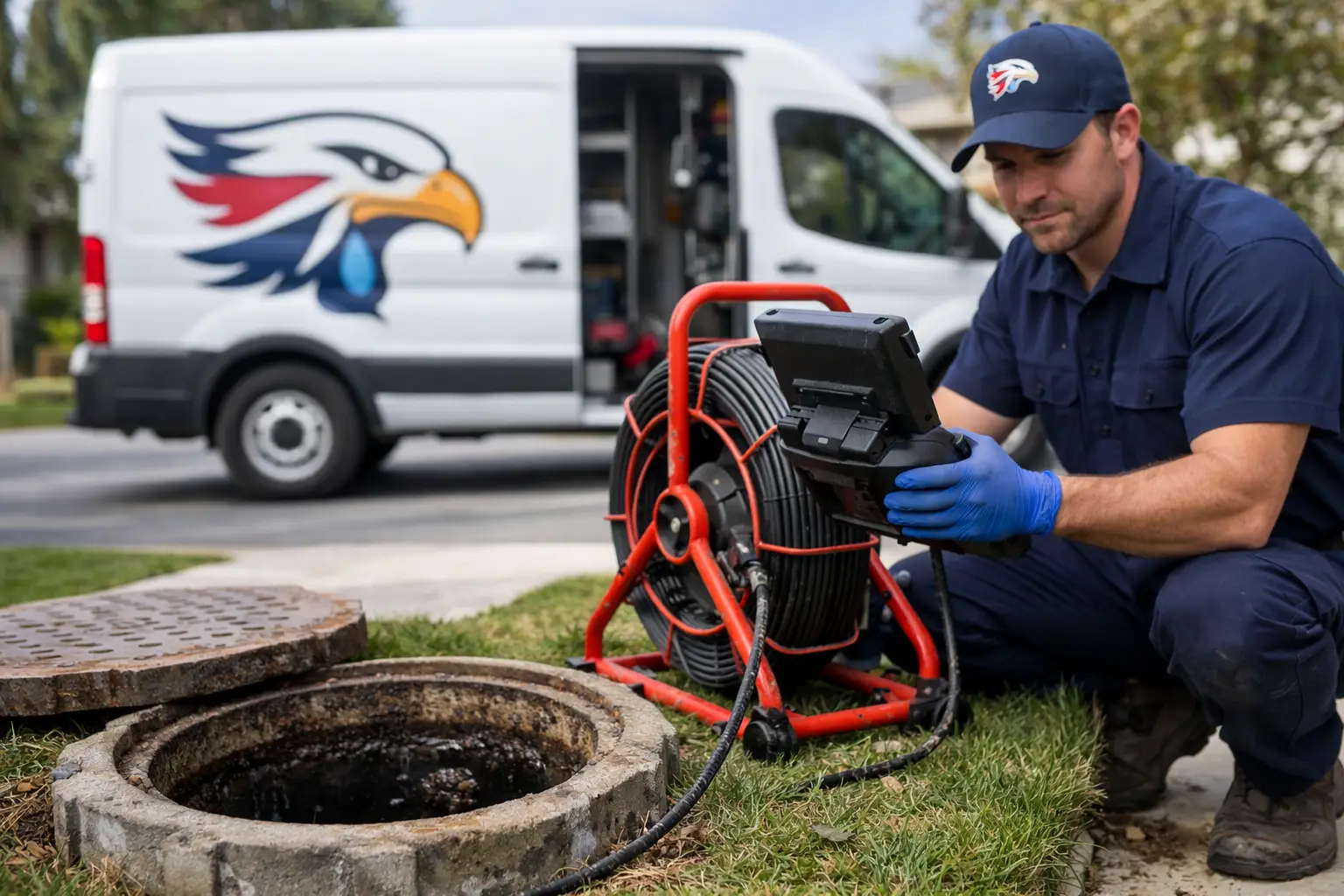
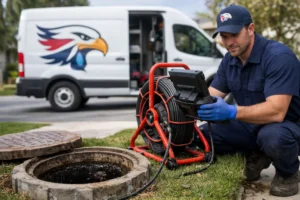
Sewer pipes have their own timeline. Older clay, cast iron, or Orangeburg sewer lines can crack, collapse, corrode, or allow tree roots to enter. A sewer camera inspection is the best way to see the actual condition of the line before deciding between repair, cleaning, or trenchless replacement.
Repair, Partial Repiping, or Whole-Home Repiping?
There is no one-size-fits-all answer. The best option depends on the location of the failure, the age and material of your pipes, access to the damaged area, and how often problems have occurred.
A targeted repair is often appropriate for a single damaged pipe section with otherwise healthy plumbing. It is generally faster and less expensive upfront, particularly when the area is easy to access.
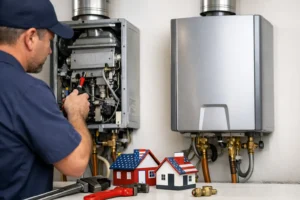
Partial repiping makes sense when one branch of the plumbing system has deteriorated but the rest remains in good condition. For example, replacing aging lines serving one bathroom, the kitchen, or the water heater may stop recurring issues without the cost of a full replacement.
Whole-home repiping is worth considering when leaks are recurring throughout the home, galvanized piping is heavily corroded, or a major slab leak reveals widespread deterioration. It is a larger project, but it can reduce the risk of repeated emergency repairs and give homeowners more dependable water flow and water quality.
Before approving a major replacement, ask for a clear explanation of the findings. You should understand which pipes are affected, why repair may not last, how the work will be completed, and what disruption to expect inside your home.
Do Not Ignore Sewer Line Warning Signs
Water supply pipes are not the only lines that may need replacement. Sewer line problems can affect the entire household quickly. Repeated drain backups, gurgling toilets, sewage odors, slow drains in multiple rooms, or wet patches in the yard can point to a damaged sewer line.
Drain cleaning can clear many clogs, including buildup and minor root intrusion. When backups keep returning, a camera inspection can identify cracks, offsets, root damage, or a collapsed line. In suitable conditions, trenchless sewer replacement can replace a failing line with less digging than traditional excavation.
For homeowners in Menifee and nearby communities, acting early can be especially valuable during a busy household schedule. A sewer backup or major pipe break rarely happens at a convenient time, and early inspection gives you more options than waiting for a complete failure.
What to Do If You Suspect a Pipe Problem
If water is actively leaking, turn off the nearest fixture valve if possible. For a larger leak, turn off the home’s main water supply and contact a plumber right away. Move valuables away from the area, but avoid opening walls, digging, or attempting a major repair yourself.
For slower warning signs, schedule an inspection before the issue becomes urgent. A professional can determine whether leak repair, pipe replacement, hydro-jetting, sewer inspection, or another service is the appropriate next step. The goal is not to replace pipes unnecessarily. It is to fix the real cause and protect your home from repeat damage.
When your plumbing starts showing the same warning signs more than once, trust the pattern. A clear diagnosis today can spare your household the stress of a burst pipe, damaged flooring, or an avoidable emergency tomorrow.