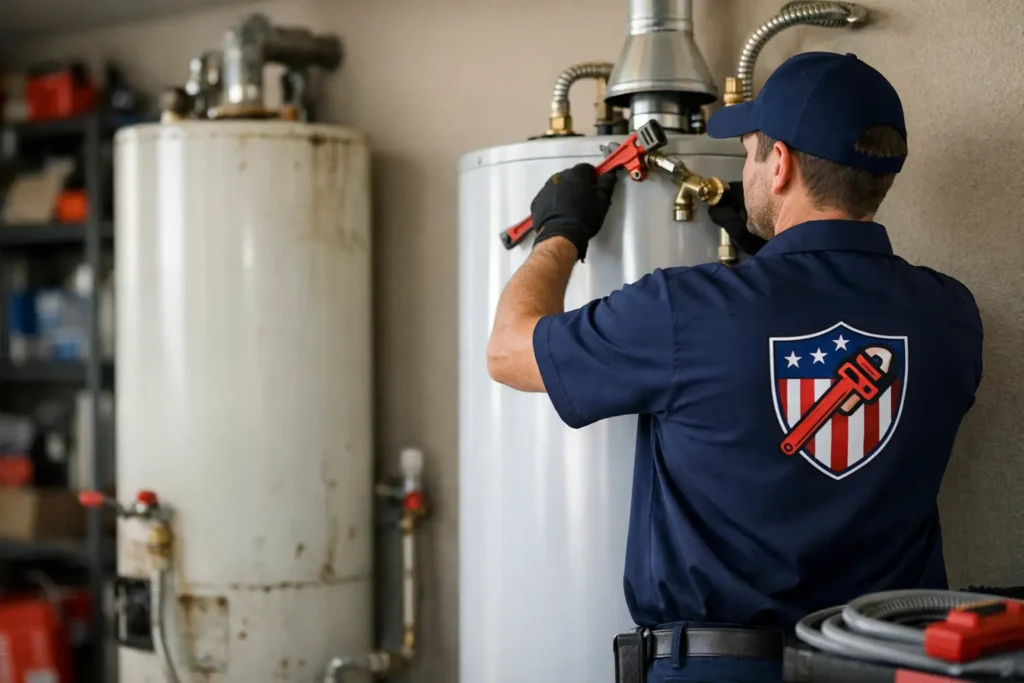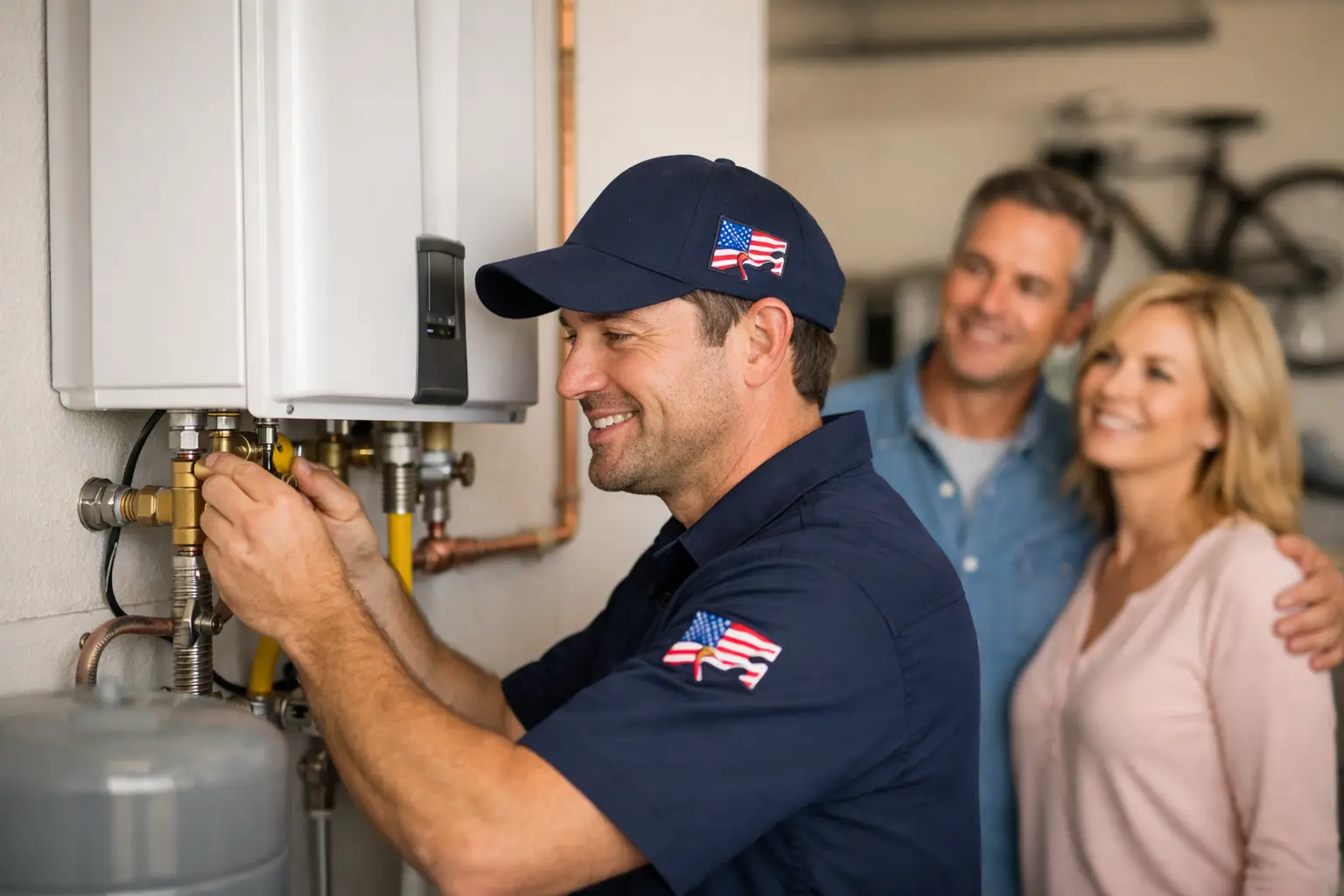
A cold shower is rarely the first sign of a failing water heater. Many Murrieta homeowners notice smaller changes first: water that runs out sooner, a rumbling tank, rusty-looking water, or a utility bill that has crept up without a clear reason. Scheduling water heater replacement Murrieta homeowners can rely on before the tank fails can prevent a stressful leak, water damage, and a sudden loss of hot water for the household.
A replacement should not feel like a guess. The right unit depends on how much hot water your family uses, the fuel source already available at your home, the condition of the current installation, and whether you want the lower upfront cost of a standard tank or the long-term efficiency of a tankless system. A qualified residential plumber can inspect the setup, explain the options clearly, and provide a straightforward estimate before work begins.
When Water Heater Replacement Is the Better Call
Not every water heater problem means the entire unit needs to be replaced. A failed thermostat, heating element, pilot assembly, or pressure relief valve can sometimes be repaired. But repairs make less sense when the tank itself is nearing the end of its service life or showing signs of internal failure.
Most traditional storage-tank water heaters last roughly 8 to 12 years, although water quality, maintenance, usage, and installation conditions can shorten or extend that range. If your unit is approaching that age and has already needed multiple repairs, replacement is often the more predictable choice.
Pay close attention to these warning signs:
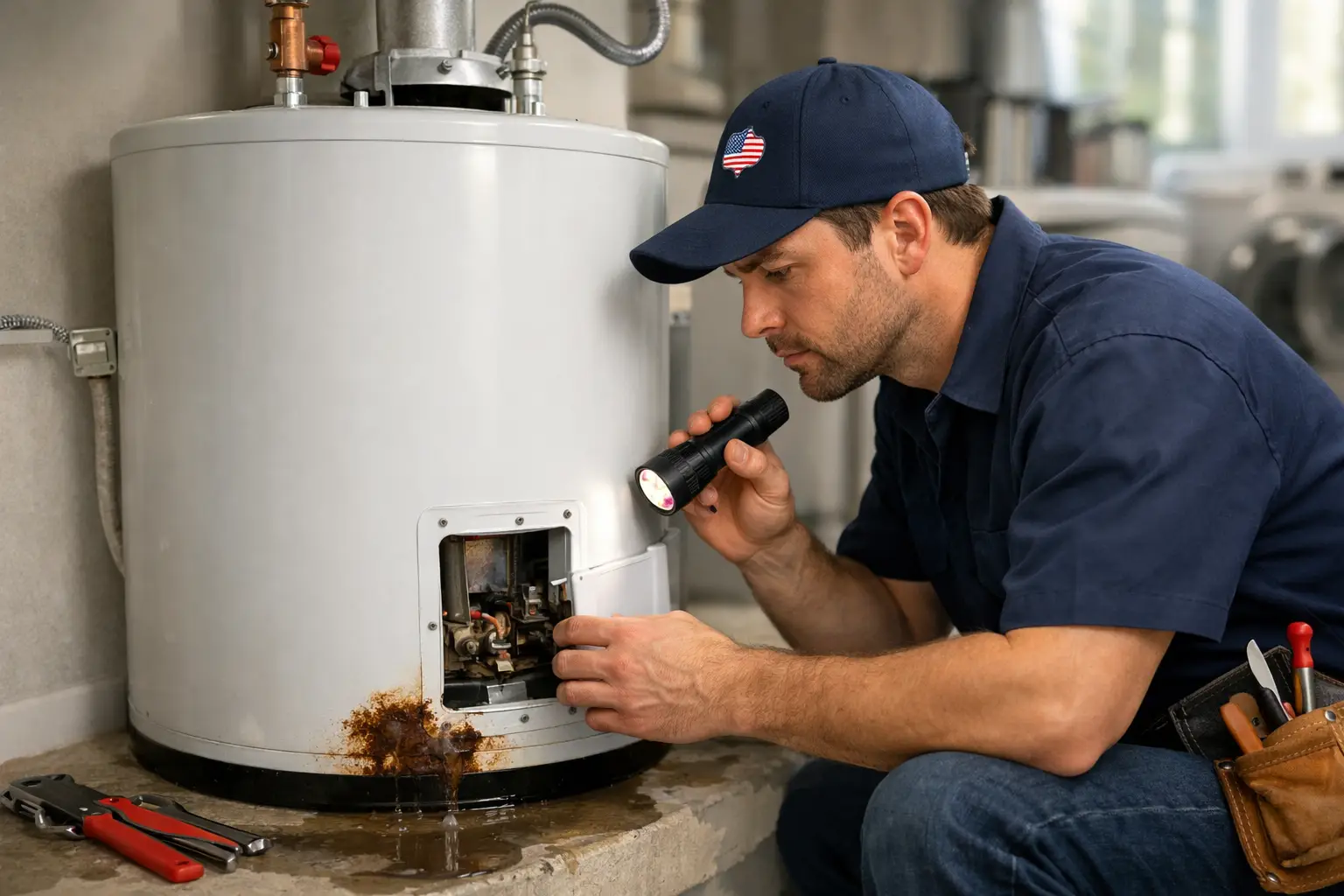
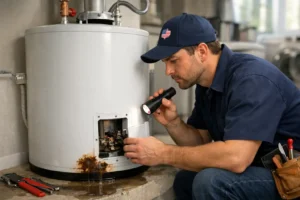
- Water pooling beneath the tank or moisture around its base
- Rusty water coming from hot-water fixtures, especially if it clears when using cold water
- Popping, rumbling, or banging sounds caused by sediment buildup inside the tank
- Hot water that is inconsistent, runs out much faster than it used to, or never reaches the desired temperature
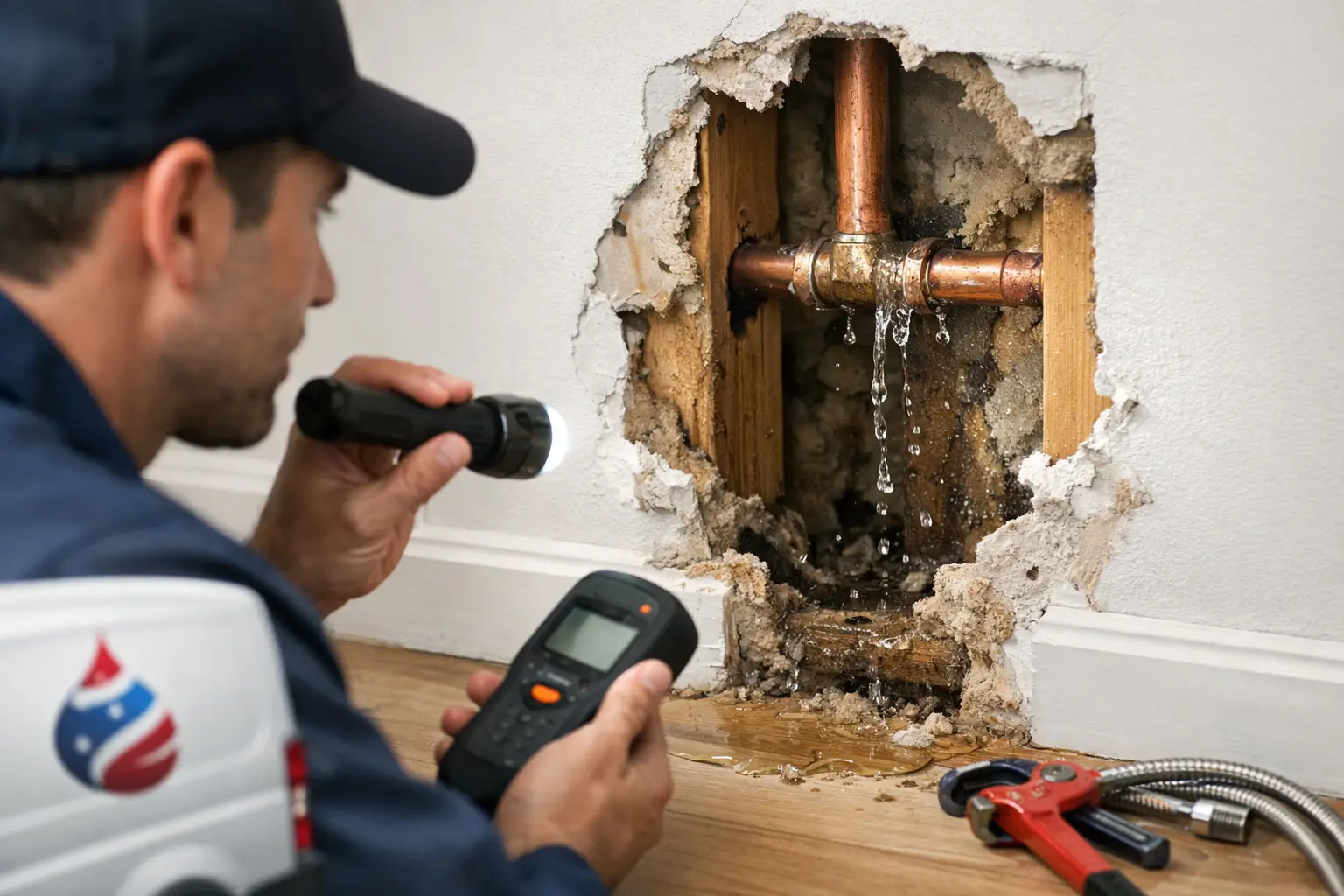
A leaking connection may be repairable. A leak through the body of the tank is different. Once the tank has corroded through, replacement is the safe and practical solution. Waiting can turn a manageable plumbing appointment into an emergency cleanup.
Choosing a Water Heater for Your Murrieta Home
The best replacement is not always the biggest model or the highest-efficiency option. It is the system that fits your household’s daily demand, available space, budget, and long-term plans for the property.
Standard Tank Water Heaters
A conventional tank water heater stores a set supply of heated water, commonly 40 to 75 gallons in residential homes. These systems are familiar, dependable, and generally less expensive to install than a tankless unit. For families replacing an existing tank in the same location, a standard water heater can often be the most direct option.
The trade-off is standby heat loss. Even when no one is using hot water, the unit uses energy to keep the stored water hot. A properly sized, modern unit can still deliver good efficiency, but it will not provide endless hot water.
Tankless Water Heaters
Tankless water heaters heat water on demand rather than storing it in a tank. They can be a strong fit for homeowners who want more usable space, improved energy efficiency, and a continuous hot-water supply for normal household use.
However, tankless installation is not always a simple swap. The system may require changes to gas piping, electrical service, venting, or water lines. Proper sizing matters because a unit must handle the combined demand of showers, laundry, dishwashing, and other fixtures at the same time. In some larger homes, more than one unit or a carefully designed system may be necessary.
Tankless equipment costs more upfront, and regular flushing is especially important in areas with mineral-heavy water. For homeowners planning to stay in the home for years, the efficiency and space savings may justify the investment. For others, a high-quality tank model is the better value.
Gas, Electric, and Heat Pump Options
Many homes in Murrieta use gas water heaters, which can recover hot water quickly and work well for larger families. Electric models may be appropriate where gas is unavailable or where the home’s electrical setup supports the unit. Heat pump water heaters can offer excellent efficiency, but they need suitable installation space and may not be ideal for every garage, closet, or climate condition.
A professional evaluation should account for more than the old unit’s label. It should confirm the fuel source, venting requirements, drain pan needs, seismic strapping, shutoff valves, and current code requirements. That protects your home and helps avoid surprise changes during installation.
Size the Water Heater for Real Household Demand
A water heater that is too small creates morning frustration. One that is too large can waste energy and increase the purchase price without solving a real problem.
For a tank system, household size is a useful starting point, but it is not the only factor. A family of four with staggered showers may do well with a smaller tank than a family of four using multiple bathrooms, a large soaking tub, and frequent laundry at the same time. A plumber should consider the unit’s first-hour rating, which measures how much hot water it can supply during a busy hour.
For tankless systems, the key measurement is flow rate and the temperature rise required. A unit must produce enough hot water for the fixtures running simultaneously. A shower, dishwasher, and washing machine operating at once create a very different demand than a single bathroom household.
Be honest about how your home operates. Mention the number of bathrooms, regular shower times, large tubs, teenagers, frequent guests, and appliances that use hot water. Those details help prevent an undersized installation.
What to Expect During Replacement
A professional water heater replacement starts with confirming the problem and reviewing your options. Once you choose the right unit, the old water heater is drained, disconnected, and removed. The new system is installed with the necessary connections, safety components, and code-compliant details.
For a straightforward tank-for-tank replacement, the work can often be completed in one visit. More involved projects, including tankless upgrades or changes to venting and gas lines, may take longer. Your plumber should explain the expected timeline before the work begins, not after the old unit has been removed.
After installation, the system should be tested for proper operation, leaks, temperature performance, and safe venting where applicable. You should also receive clear guidance on basic maintenance, such as checking the area around the unit for leaks and scheduling periodic service when recommended.
Cost Factors That Affect Your Estimate
Water heater replacement pricing varies because homes and installations vary. The unit itself is only part of the cost. Tank capacity, fuel type, efficiency level, access to the installation area, permit requirements, code updates, and needed plumbing or gas-line work can all affect the final estimate.
A simple like-for-like replacement is usually less involved than converting from a tank to a tankless system. If the old unit is in a tight closet, attic, or elevated platform, labor and safety considerations may also change the scope. The most useful estimate is one that explains what is included, identifies any necessary upgrades, and gives you options without pressure.
If the replacement is unexpected, ask about financing options before delaying a needed repair. A failing water heater is not always something a household can postpone, especially when there is active leaking or no hot water.
When to Treat a Failed Water Heater as Urgent
Turn off the water supply to the heater and call for prompt service if water is leaking from the tank, if you smell gas near a gas water heater, or if you see signs of major water damage. If you smell gas, leave the area, avoid switches and open flames, and contact the gas utility or emergency services as appropriate before arranging plumbing repairs.
No hot water is inconvenient, but an active leak can damage flooring, drywall, cabinets, and belongings quickly. Fast action can limit the disruption and help protect the rest of your home.
Common Questions About Water Heater Replacement
Can I replace my water heater before it fails?
Yes. Proactive replacement is often easier to schedule and gives you time to compare equipment options. If your current tank is aging, noisy, corroding, or requiring repeated repairs, replacing it before a failure can reduce the chance of water damage and emergency costs.
Is a tankless water heater always better?
No. Tankless systems offer strong efficiency and on-demand hot water, but they cost more to install and may require upgrades to gas, electrical, or venting systems. A properly sized tank water heater remains a practical, reliable choice for many homes.
How can I help a new water heater last longer?
Keep the area around the unit clear, watch for leaks, and schedule maintenance appropriate for your system. Tank water heaters may benefit from periodic flushing to reduce sediment. Tankless units should be serviced on the schedule recommended for the equipment and local water conditions.
When your hot water is becoming unreliable, do not wait for a small warning sign to become a flooded garage or a cold morning for the entire family. A clear onsite assessment can give you the information you need to choose a replacement that fits your home, your schedule, and your budget.